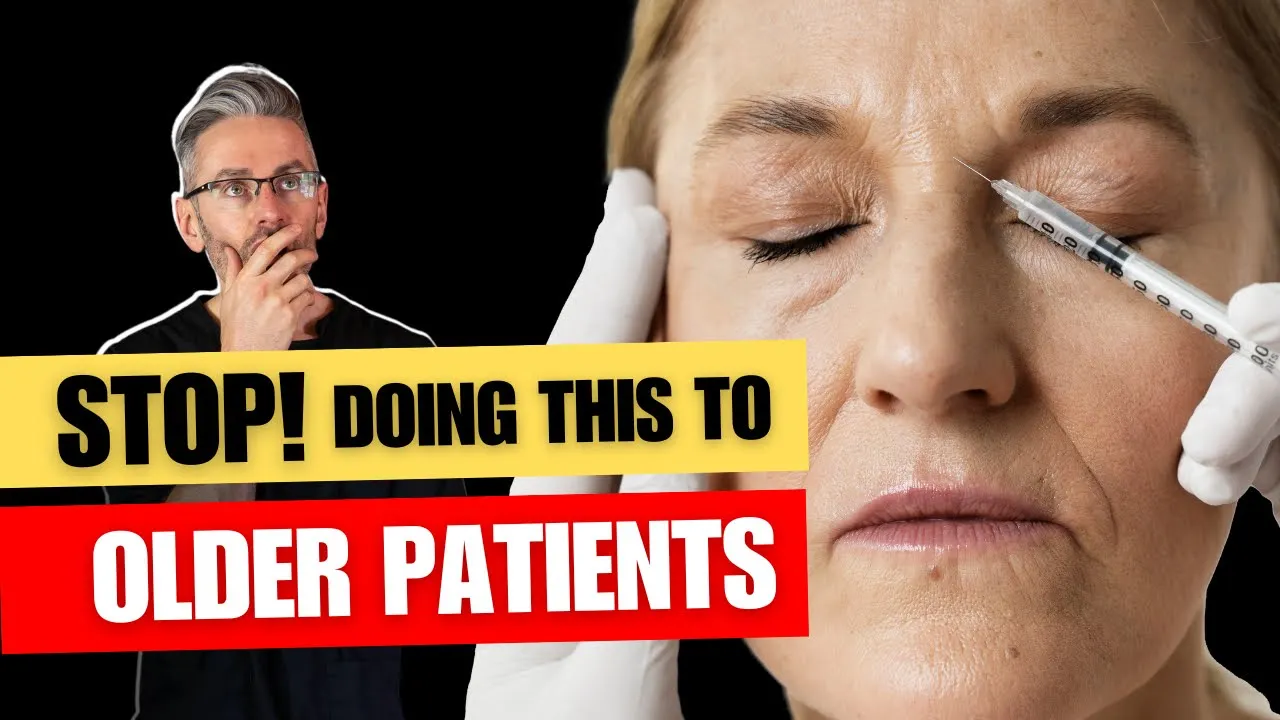
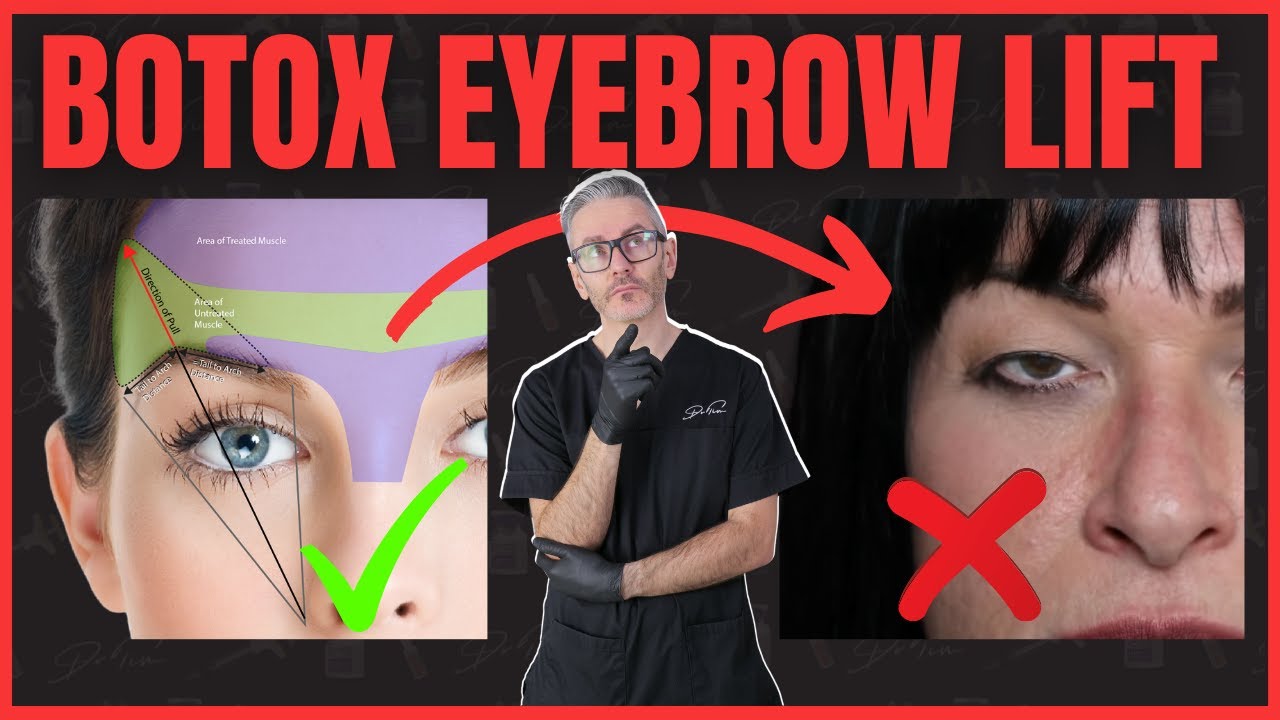
here are five Botox mistakes that you're making on your older patients these are five mistakes that I've made so that you don't have to let me share with you a story about a patient that I saw many years ago when I was just starting out she was the owner of a business and she was referring patients to me and I gave her her first boty toxin treatment and I knew she was a bit older so I was a bit more careful I put a bit less in and she got an enormous eyebrow lift like the
McDonald's sign she was not happy and I to get her back in and treat her where I made the adjustment and then I gave her a brow drop and I felt awful about this but it also completely killed off any referrals I may have ever got so this was a rookie mistake that I made and in this episode I'm going to share with you things you should know so that you don't make the same mistake first let's discuss some of the important differences with the anatomy with older patients so that you can understand what is
underpinning the difference between botam toxin in older and younger people the biggest difference of course is a decrease in the fat distribution older people tend to lose fat in certain areas and increase fat in certain areas of the face creating different Dynamics combine that also with a decrease in collagen and elastin you have a problem with support there's a decrease in the natural support of the skin both underneath in terms of the fat pad but also in terms of the skin itself so let's consider what happens particularly in the upper face with volume changes if
you look at an older patient's forehead even if they are generally more overweight than average they can often have very little fat in the forehead and you can see the Contour of the forehead now this means that the muscle underneath is unopposed by the fat pad the elasticity in the skin is lower anyway and it makes many of your treatments have a greater effect than you might actually anticipate not necessarily in terms of reducing wrinkles but in terms of what happens to that muscle after the treatment you can think of this generally as making the
muscle more sensitive to boty toxin even though the skin might be less sensitive to the end result so the next mistake I made was not to assess the wrinkle properly when you first start you often go through a wave of thinking that Bim toxin really can solve any problem if you've been treating your average patient which in our Clinic has always been a 43e old female so a 43y old you can usually soften most of their Lines within 2 to 4 weeks of a treatment but that same patient if they attend age 65 will have
a different result and that's simply because the lines are deeper they may even have the liation for example on the skin but other things that change the texture of the skin that diminish your result so one of the simple things you can do to decrease the risk of over promising is to always take your patient whatever crease they're concerned about and try and pull it apart simply with your fingers and see how well the skin unfolds you can usually get a good indication how well that skin is going to recover when the muscle is relaxed
and typically if the line remains and particularly if there's a three-dimensional component to it so you can actually feel the line even even though you're separating with your fingers you should be very pessimistic about what Boline toxin can do for your patient in those situations but always do the check the next mistake is not realizing how common brow drops are and how they get exponentially more common as you get older and this is because of the lack of other tissue supporting the skin so in a younger patient you can put a higher dose in and
they have much more volume usually stronger muscles more elasticity In Their Skin and this means you don't notice drops as easily as soon as you have a patient who's lost even bone muscle fat and muscle strength all together and then you do a lowd dose treatment you'll often find that the Brows slump down much more easily than they would on a younger patient so as injectors this means we have to be much more careful with smaller doses more evenly distributed and not particularly using the licensed doses which I think are quite heavy-handed this is partly
why there is no license for treatment over the age of 65 I think one of the reasons this happens with licenses is that they tend to put the effort into defining a cohort who they know will get benefit and as you move out of the more common age group to have treatments which is around 43 you tend to move into areas where there are more variables and it's more likely to get disappointing results this does not mean that you cannot get great results with older patients it just gets less likely the older they get the
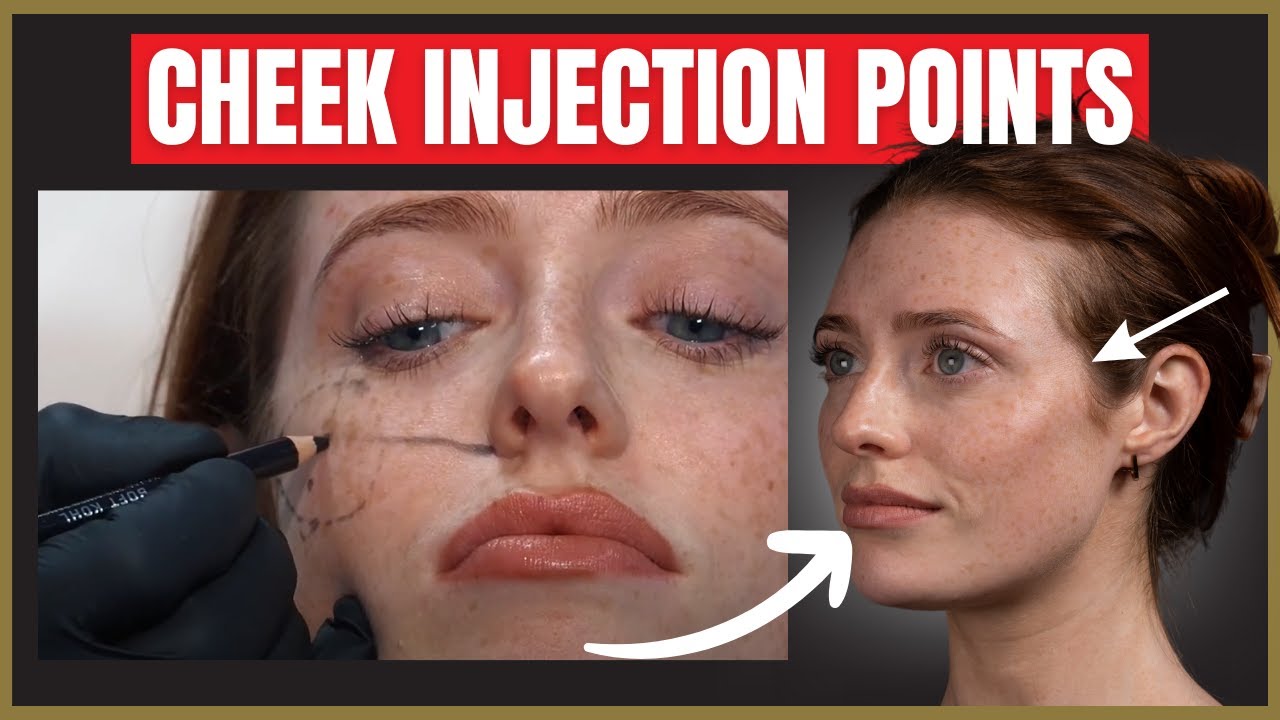
next mistake many new injectors make is that you chase the line instead of understanding the anatomy so older people have more lines and they will come back and ask you for topups in areas where a younger person won't simply because they don't have the lines so when you have for example lines that run into the cheek particularly the inferior part of it this does not mean that you should treat those lines because they probably don't come from the orbicularis oculi muscle they probably come from the zygomatic muscle so you're either going to waste your product
or even worse you'll actually treat the zygomaticus major and end up with a slump in the cheek there's also some cases where treating more laterally and more inferiorly even though you may not be hitting the zygomaticus major muscle the effect it has on the smass in that area can create a saggy appearance so we want to be very careful with chasing lines in older people most of the time even if you improve the line you end up with another side effect because muscles support the whole structure of the vase I'll give you one other example
which is the orbicularis oculi which is an accessory muscle to cheek elevation if you look at a person doing a broad smile you will see that the orbicular oculi muscle actually pulls up their cheek it also Smooths over the transition between the cheek and the lower lid Junction creating a smoother Contour so as soon as you completely relax that muscle you get the ledge that forms which most of you have probably spotted already in some of your patients but you can also get a rather sadl looking smile because the cheek is not being pulled up
in the way that it normally would number five is to remember that the volume of the muscle is also part of what makes people look a certain age so if you shrink the volume of muscle you can make people look older probably the best best or potentially the worst example would be to shrink the Masters in an older person if you do a master reduction procedure with botam toxin in a 55-year-old with a slight Jou what unfortunately can happen is the loss of volume allows the whole of the Jou to slip forward causing a new
crease now I saw this once with one of my patients who had brism I treated her and she came back with a new M or fold my first instinct when she booked the appointment was that she was dysmorphic but when I saw her a couple weeks later I realized I had actually caused enough of a depletion in the volume to allow her skin to move forward and I corrected that by putting dermal filler back into the place where the master had been reduced now it's not an ideal situation it's way better not to do that
procedure because it's very expensive to fix and also it means that the brism treatment is probably not something you'd want to continue with but it does tell you some interesting stuff about the dynamic of the skin and the muscle in the face which is very useful for you to design your own treatment plan and finally a bonus tip think about the face as you get older as a balancing act that gets harder and harder the oldest someone gets the bigger the difference a single unit can make so if you treat for example the middle of
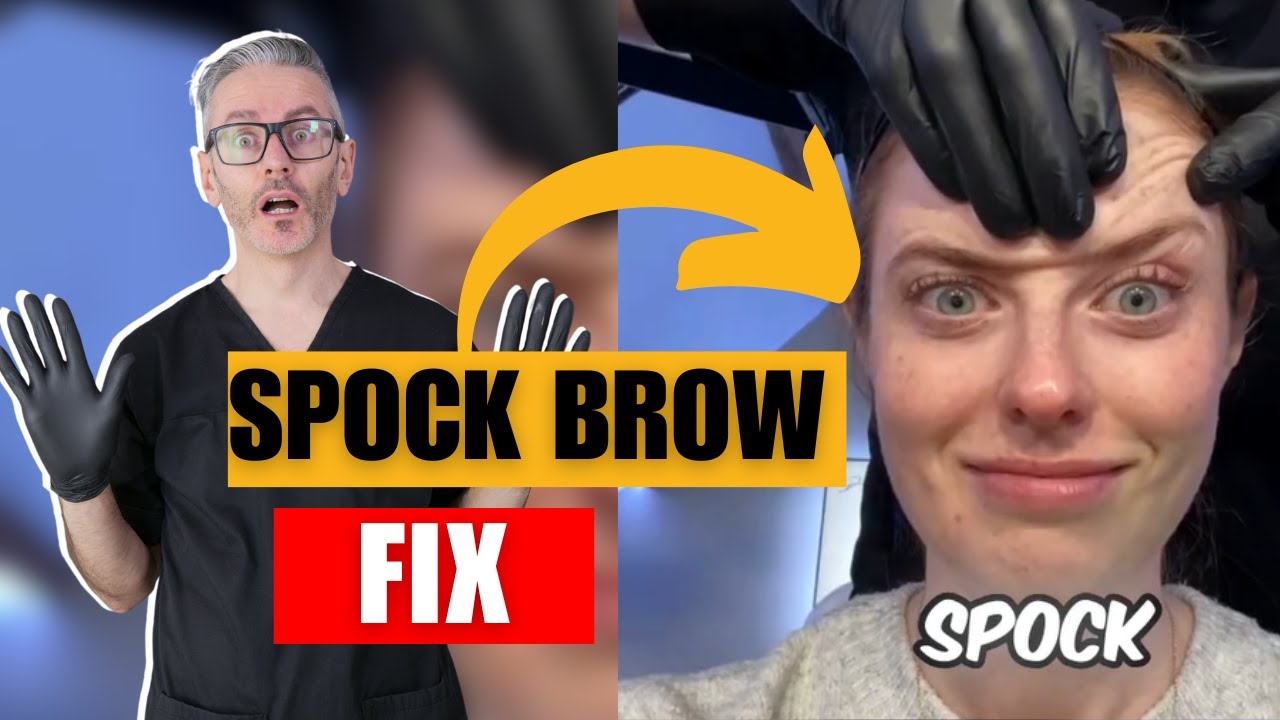
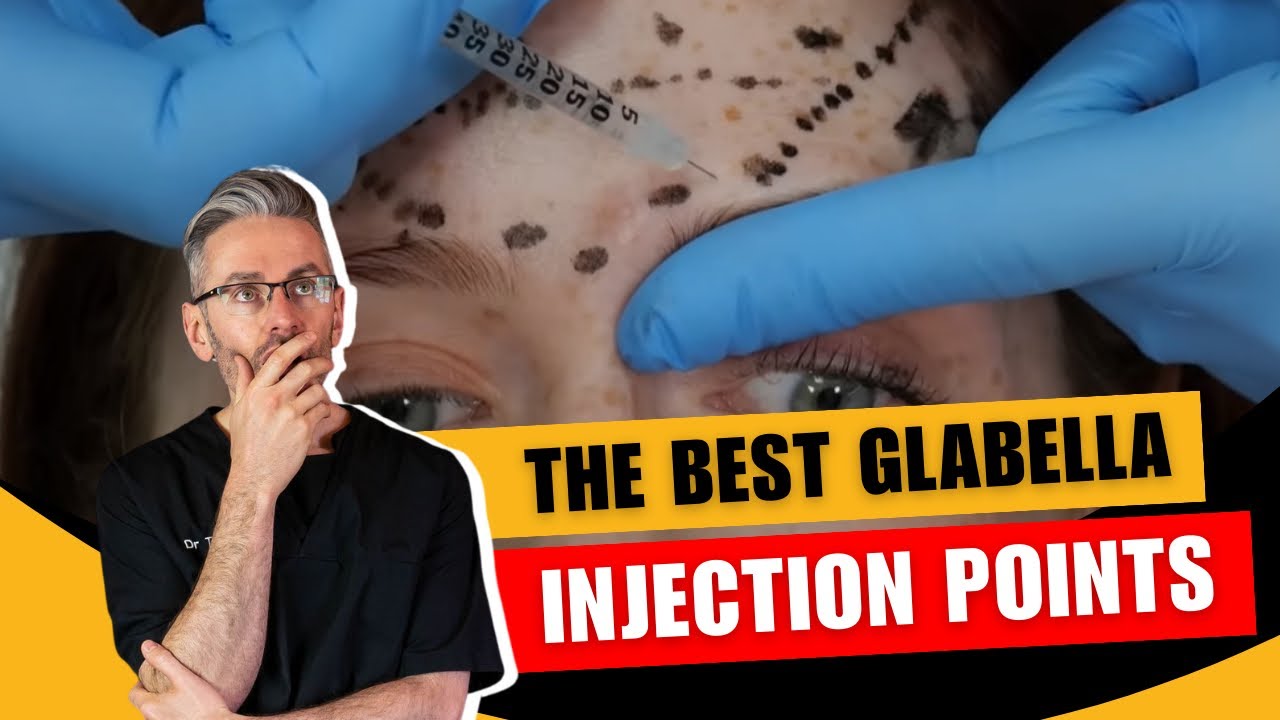
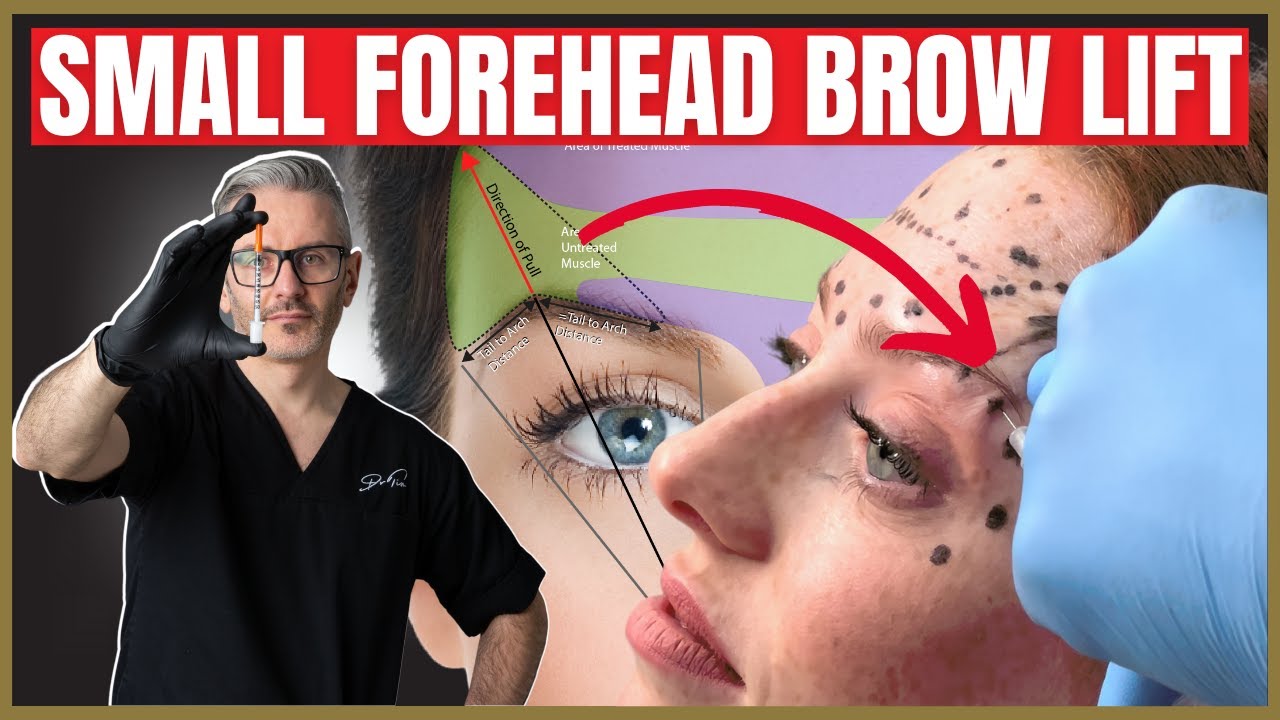
the forehead and and leave the side untreated you're going to get a much bigger Spock brow effect so more likely get medial brow drop and a lateral brow lift in an older person than in a younger person similarly if you treat even a Della area it's more likely that that will cause a brow drop because there's just less support there so what this means as an injector is that you need to create treatment plans that have greater variability between patients you effectively have to design things more carefully this means smaller doses in more places so
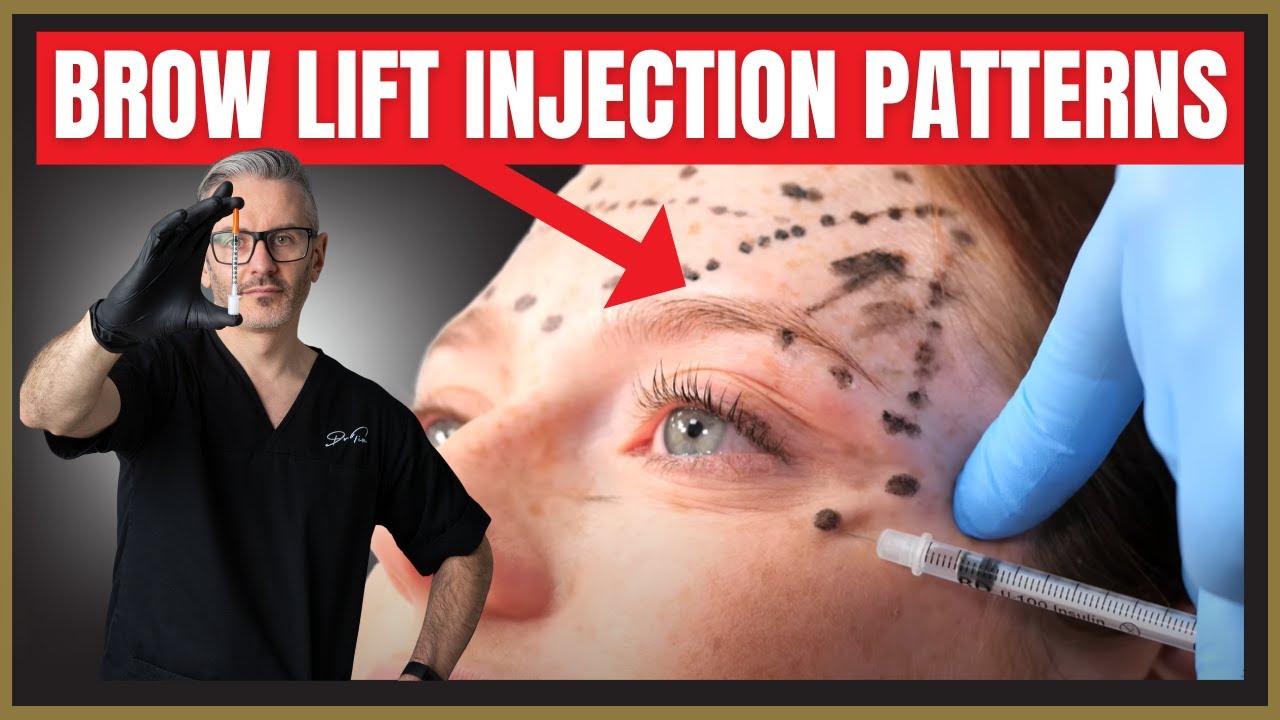
if you're treating a frontalis muscle I wouldn't be doing four units times three I'd more likely separate each of those four injections into one unit and spread it more evenly taking into account that there's going to be a much easier line to discern between treated and untreated muscle and to feather those in more carefully you also may want to start with lower doses wherever you are even though the patient thinks they need more because they have deeper lines because we know that underneath that is a muscle that if overtreated can cause drops and heaviness and
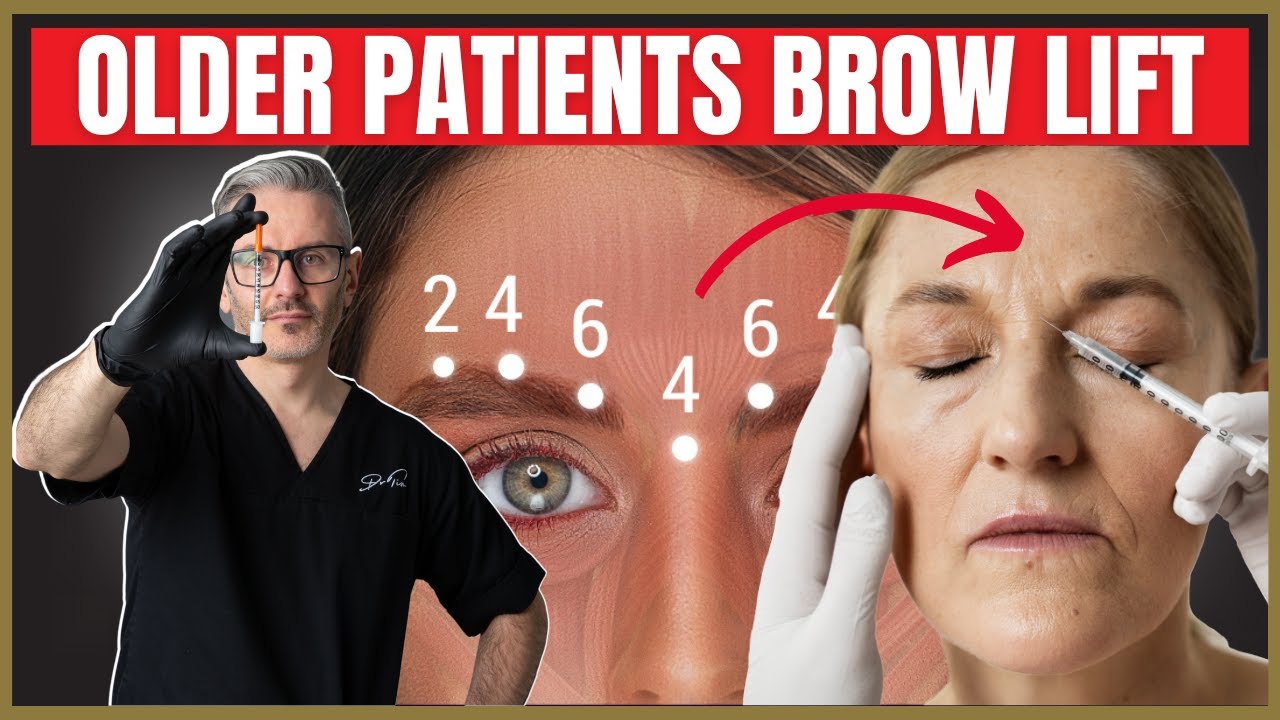
sagginess and if undertreated at least you can add more later on in summary take your time be more careful and learn each patient's face before you build up to your normal doses if you'd like to learn more about how to create a brow lift on older patients make sure you watch this video which I'll link at the end of the [Music] [Music] show
![OLD LIPS: Best injection techniques & how to avoid the Homer Simpson look! [Aesthetics Mastery Show]](https://img.youtube.com/vi/Lz7rgVfPv98/maxresdefault.jpg)
![NEW BOTOX PATTERN: Dr Tim analyses much-talked-about new glabella pattern [Aesthetics Mastery Show]](https://img.youtube.com/vi/JSZZhnoam8I/maxresdefault.jpg)
![NEEDLE DEPTH: How to choose best depth to avoid complications & get results [Aesthetic Mastery Show]](https://img.youtube.com/vi/VCztOZGageg/maxresdefault.jpg)
![BOTOX FOLLOW UPS: The 5 reasons injectors get them & how to up your game [Aesthetics Mastery Show]](https://img.youtube.com/vi/Aw_ydWxGhrc/maxresdefault.jpg)
![JULIE HORNE INTERVIEW PART 1: Is fencing the best lip technique? [Aesthetics Mastery Show]](https://img.youtube.com/vi/hAQ1MdepgxQ/maxresdefault.jpg)