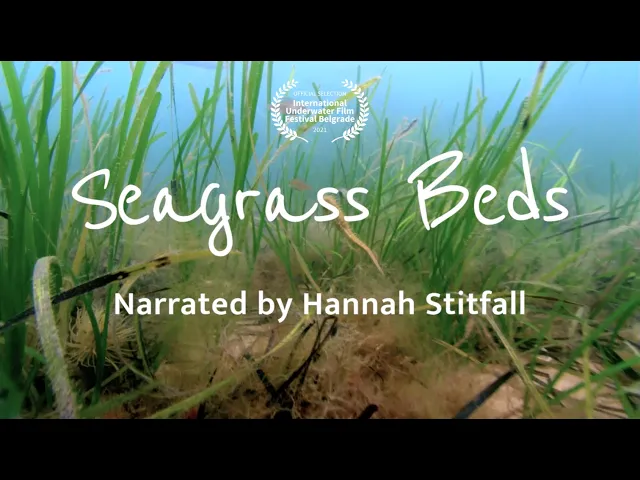
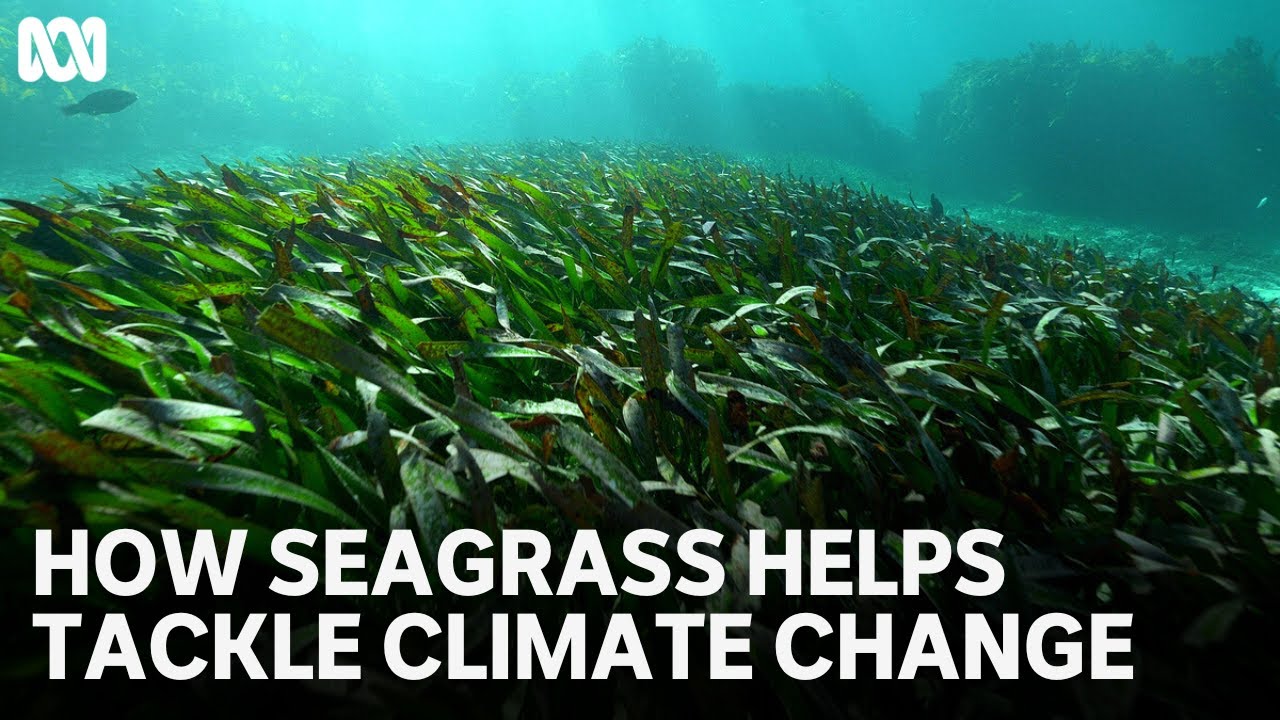
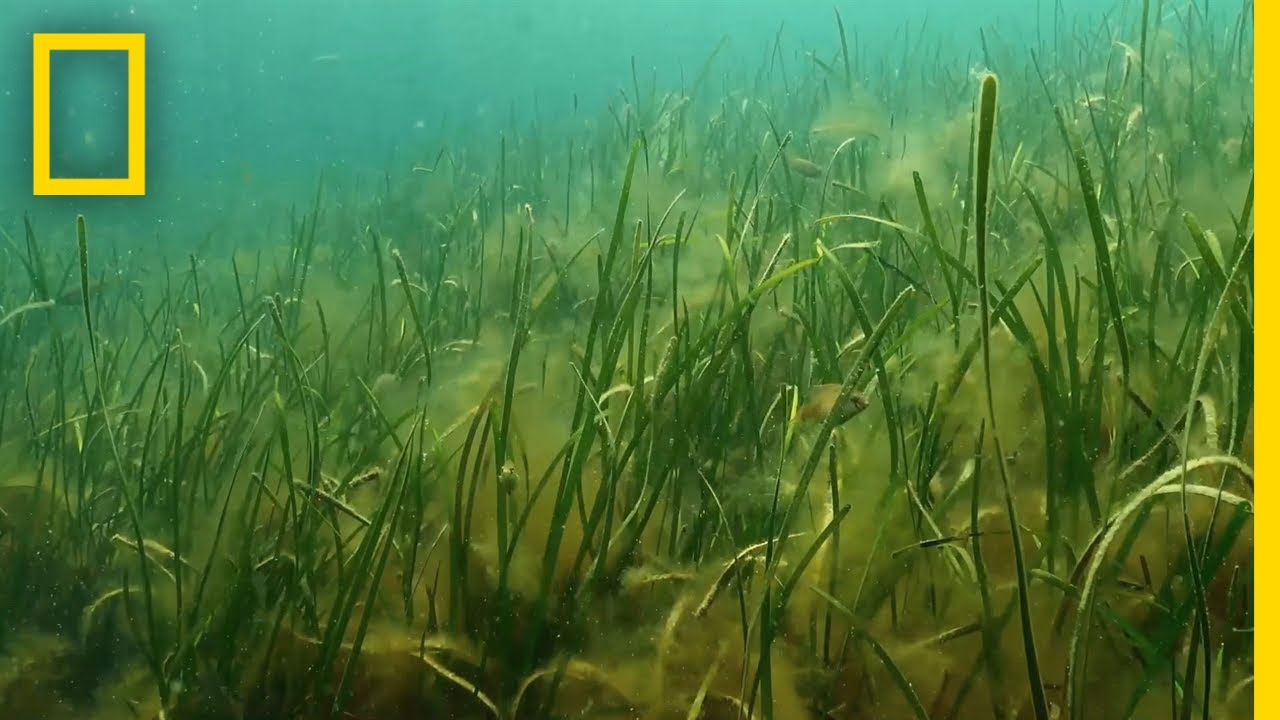
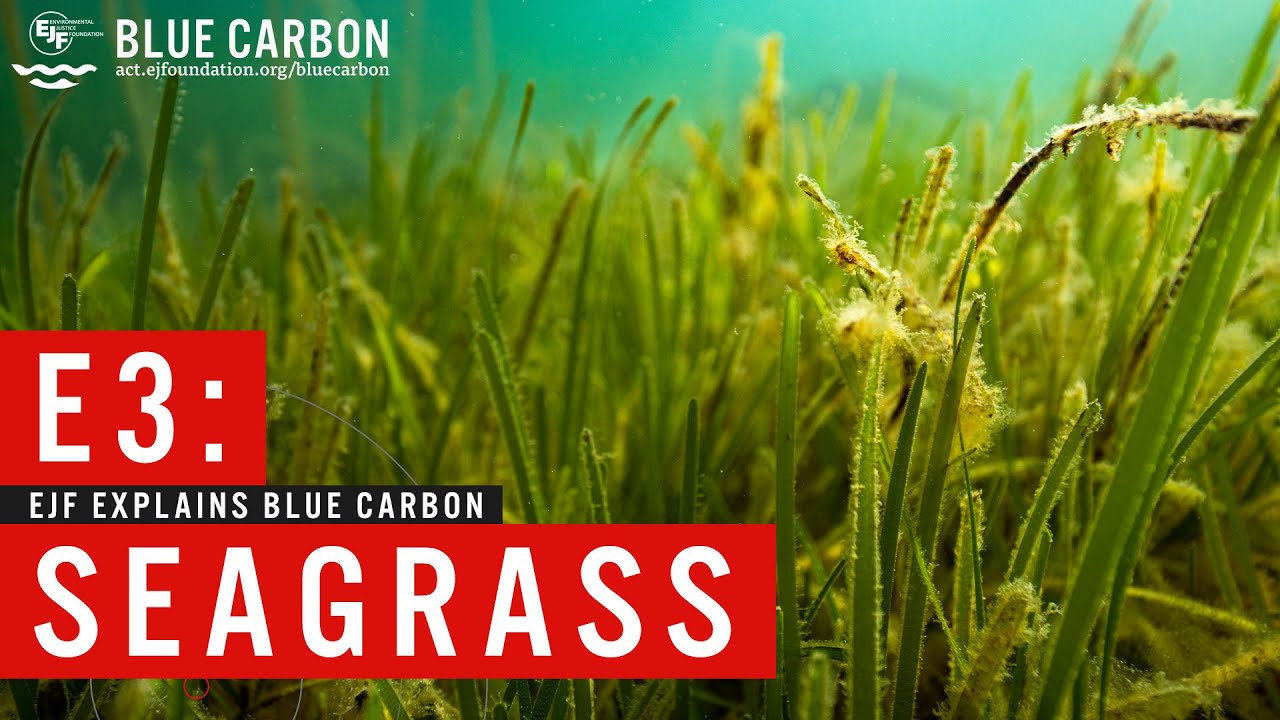
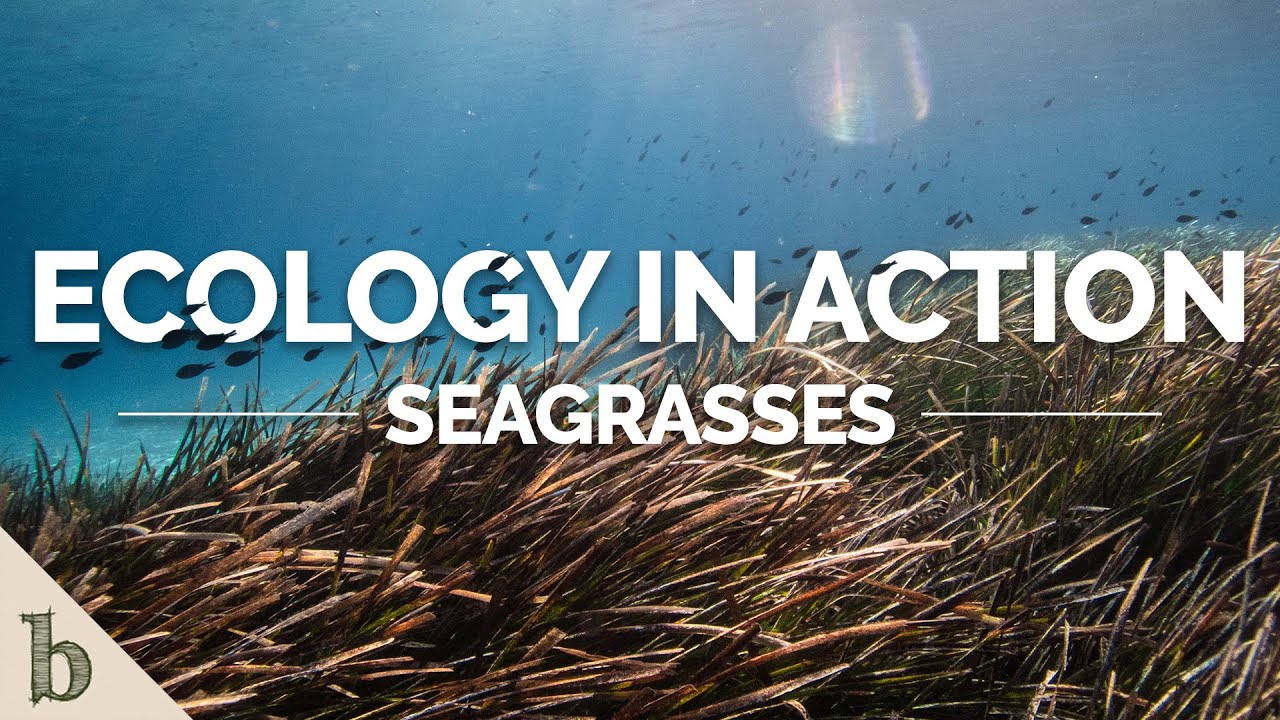
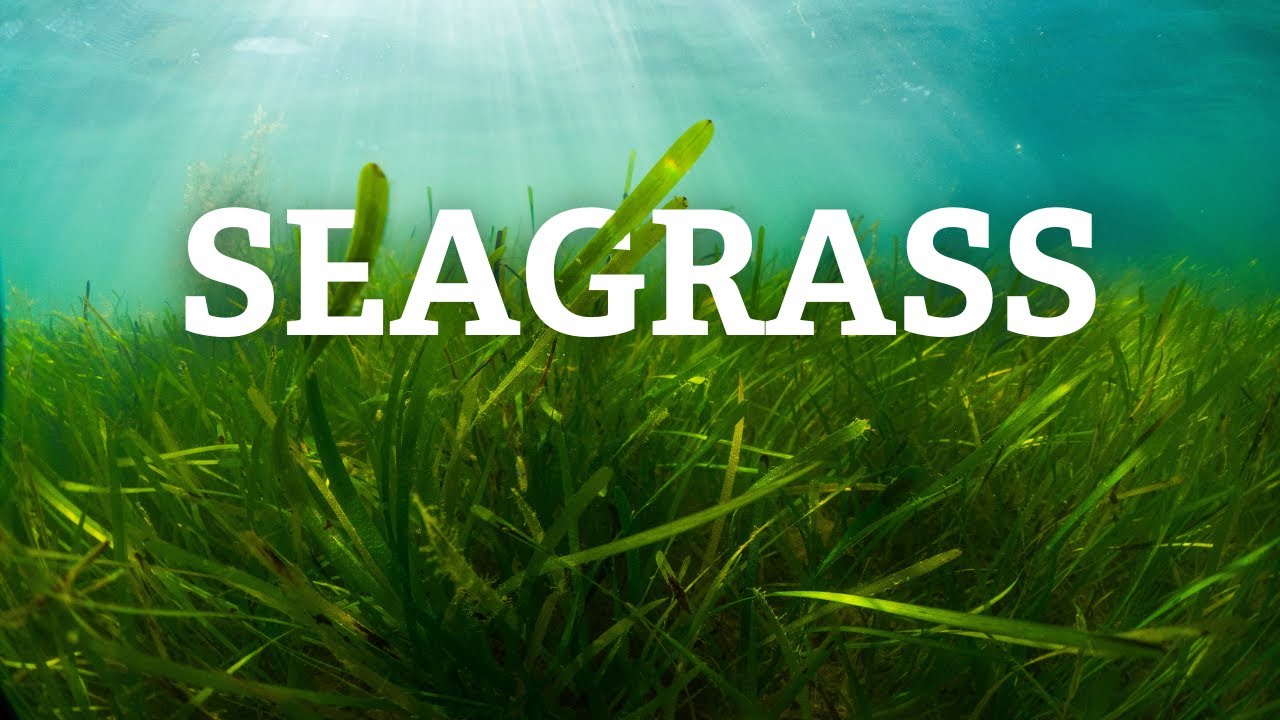
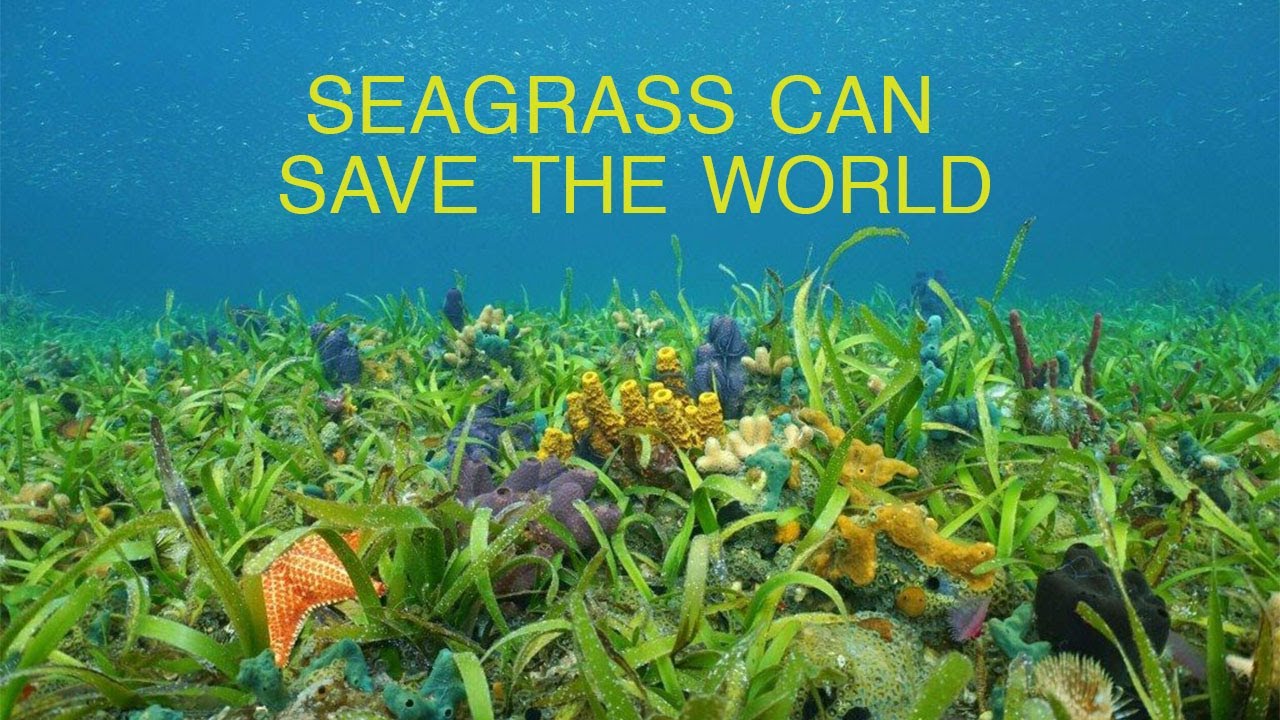
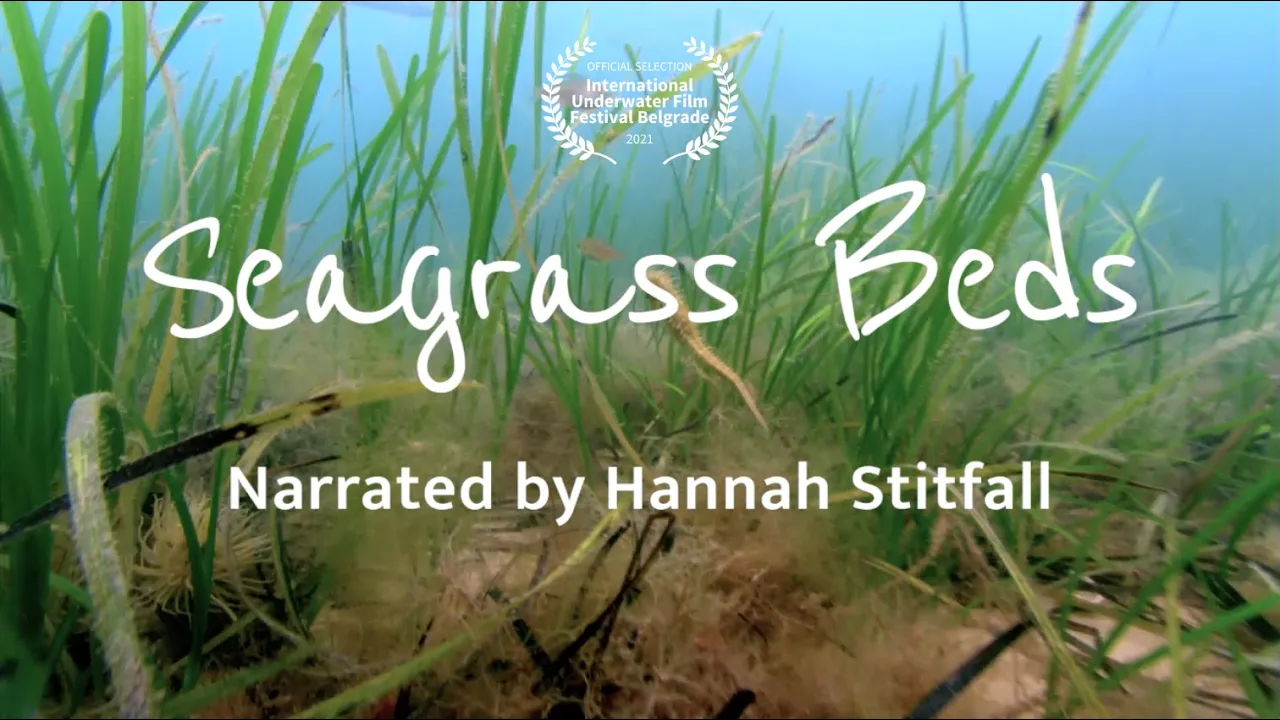
seagrass beds are found in shallow waters across the globe and are one of our most productive ecosystems around our coasts seagrasses of which there are over 70 species form dense meadows on the seabed potentially covering up to 600 000 square kilometers worldwide incredibly seagrass captures carbon up to 35 times faster than tropical rainforests making it a vital ally in our efforts to combat climate change [Music] these beautiful underwater meadows also slow down marine currents this traps sediments and even marine plastics which reduces coastal erosion and improves water quality thousands of species depend on seagrass for
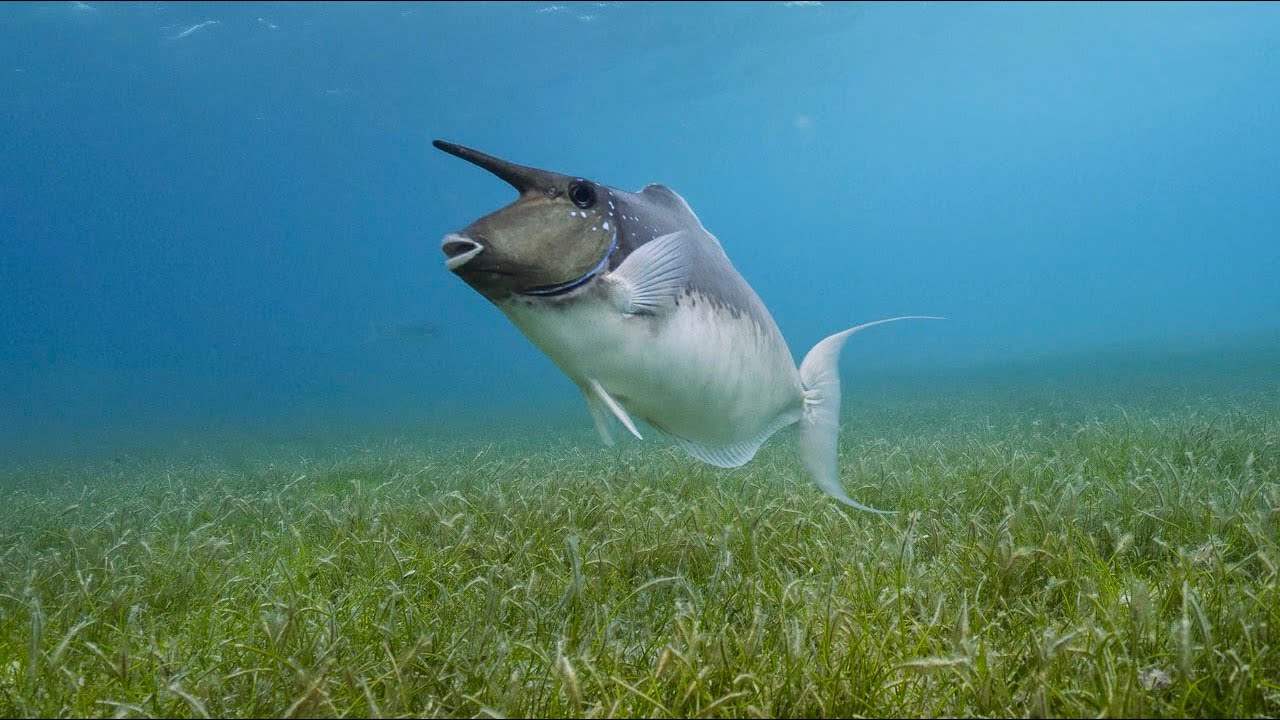
food and shelter the cleverly adapted pipefish uses its excellent camouflage to blend in with the gently swaying leaves and the small spotted cat shark uses the safety of the meadows as a nursery ground seagrass beds also support endangered species such as the dugong and green turtle through their foraging activities these gentle giants expertly engineer and structure the whole ecosystem allowing an even wider range of species to live there the direct ecological benefits of seagrass meadows are huge they provide shelter food and nurseries for many species which supports important fishing and tourism industries per year it's
estimated that a square kilometer of seagrass is worth up to 1.9 million dollars but these vital submarine oasises are under threat all over the world with the equivalent of around two american football fields lost every hour this makes seagrass one of the most rapidly declining ecosystems on earth this worrying loss is often a result of coastal development including dredging in some areas seagrass is removed to make beaches more attractive for tourists in the maldives it's estimated 50 of tourist resorts have removed seagrass meadows for this reason worldwide seagrasses are experiencing all five of the most
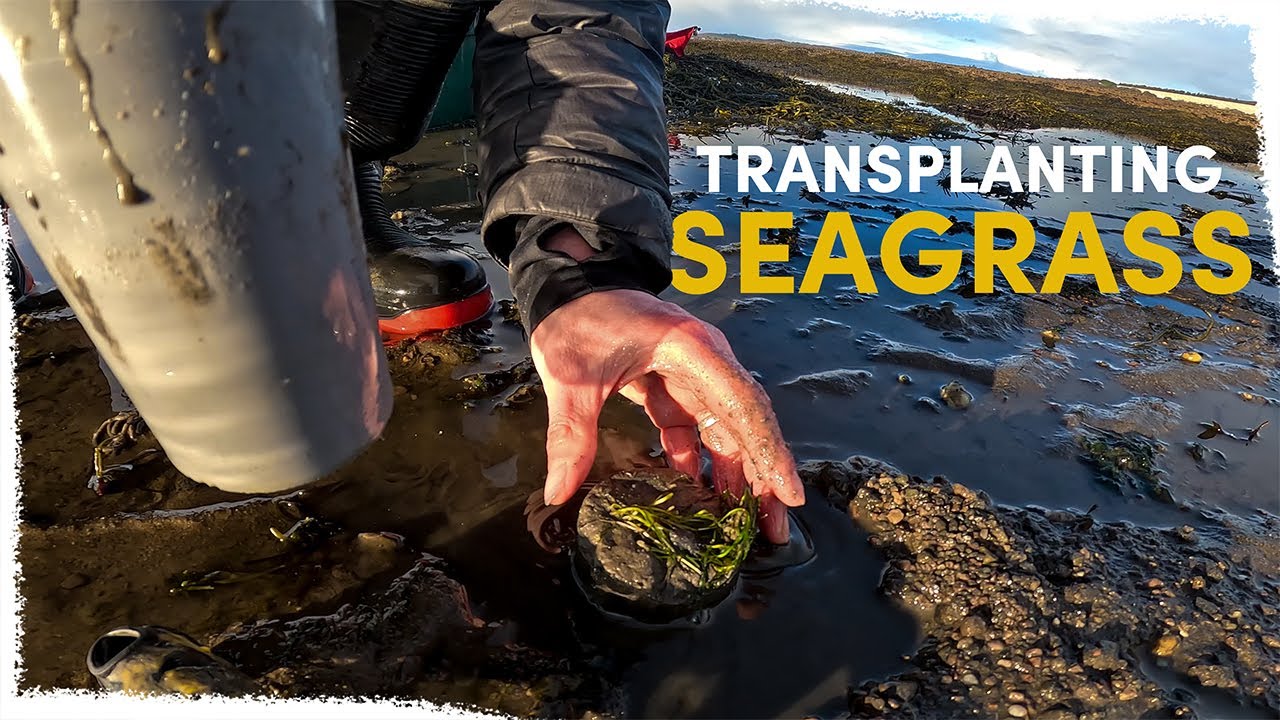
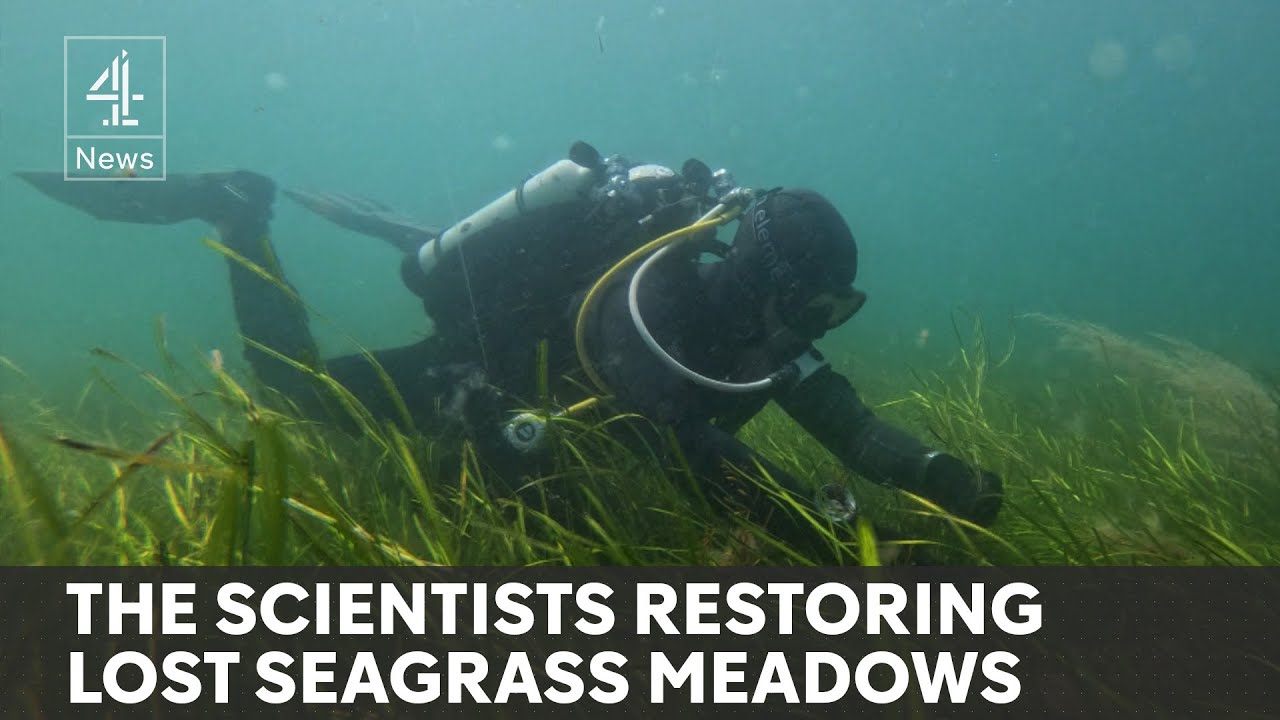
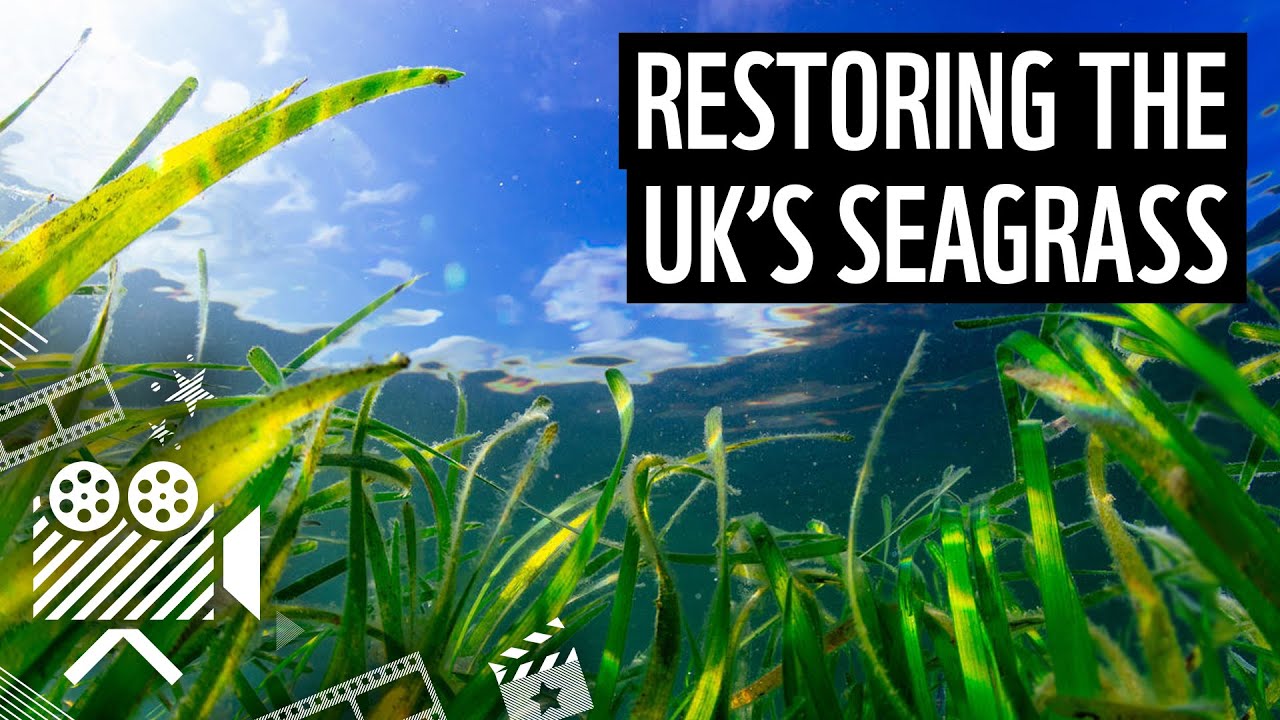
serious threats to ocean life over exploitation physical modification nutrient and sediment pollution introduction of non-native species and climate change seagrass declines have been attributed to all of these threats and often in combination but hope is not lost urgent efforts are being made to bring seagrass meadows back project seagrass in connection with swansea university and wwf have launched the uk's largest ever seagrass restoration project by collecting cultivating and planting one million seagrass seeds this pioneering project demonstrates that it is possible to restore this crucial habitat to fight back against climate change now many other organizations are
also working to re-establish and restore seagrass habitats around the world as part of a 20-year project the virginia institute of marine science has already successfully restored over 36 square kilometers of seagrass meadows join us in helping protect vital seagrass habitats around the world you can help make a difference by donating to or volunteering for seagrass protection and restoration projects you can take part in citizen science initiatives by recording seagrass in your area using apps like seagrass spotter from project seagrass the more we learn about seagrass the more we realize just how vital these species-rich carbon
capturing meadows around our coastlines are to the health of the ocean and the planet it's in all of our interests that they recover and thrive you