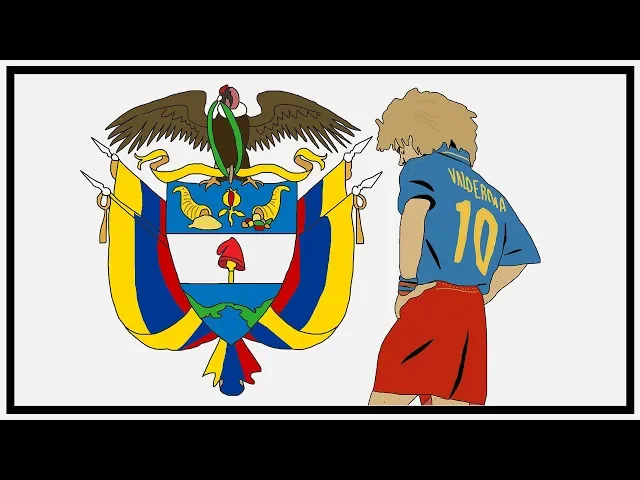
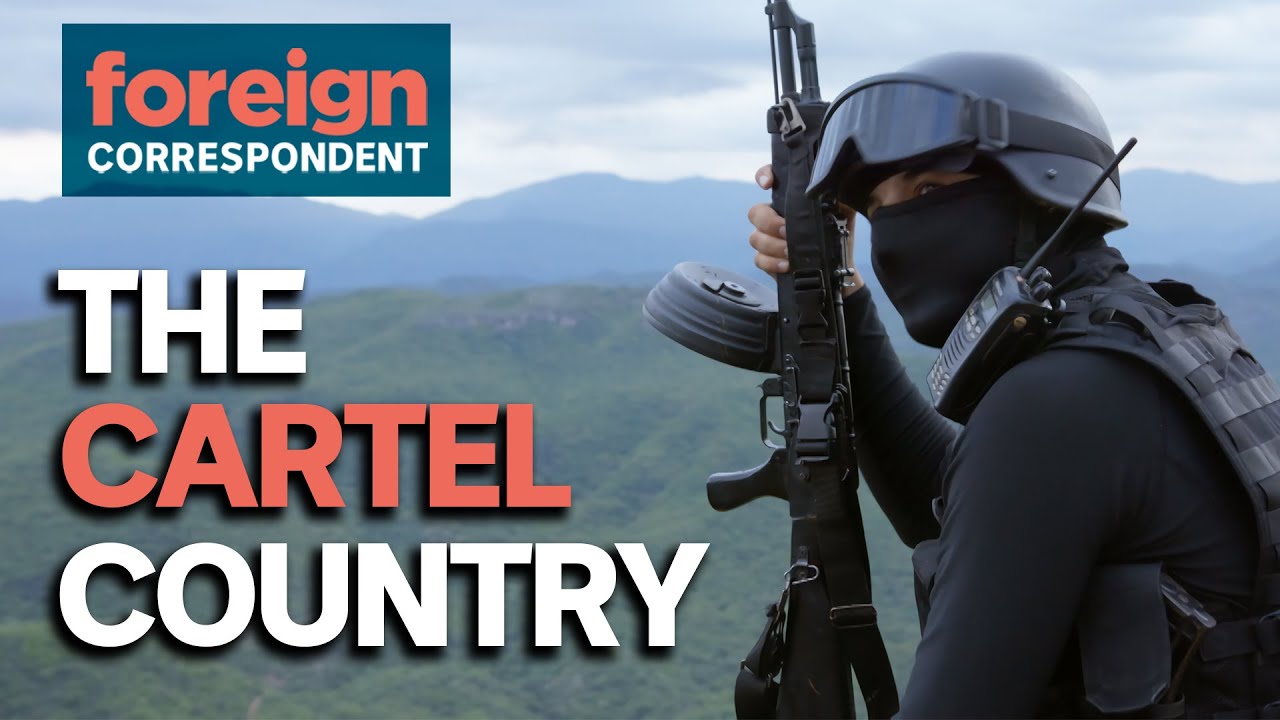
[Music] so much of the recent history of Colombia has been the history of the stranglehold of cocaine trafficking drug cartels on its politics and on its culture after a series of civil wars in the mid 20th century and the politically unstable compromise between liberals and conservatives to rotate in the mount of government it was under the presidency of Julio turbo that the Colombian drug cartels began to flourish in the late 1970s by the 1980s cocaine was a multi-billion dollar enterprise pulling over four billion dollars into the Colombian economy cocaine had become Colombia's most marketable export
a development attributable to two groups the Cali cartel led by Miguel and Gilberto alajuela and the Medellin Cartel headed by Pablo Escobar 1973 saw the first investment by a drug cartel into Colombian football with marijuana trafficker Eduardo and Rico Davila buying out recent national champions Union Magdalena in the city of Santa Marta but cocaine money would soon change the face of Colombian football forever the Yurok whele brothers poured millions into club américa de Cali at the end of the 1970s despite being fanatical supporters of their local rivals deportiva America had been relative unknowns up until
the end of this decade Deportivo meanwhile had won five Colombian titles between 1965 and 1974 and in 1978 became the first Colombian sight have reached the köppen Libertadores final losing to the famous pocket juniors with Deportivo turning down the Oliv Whalers advances the balance of power in Cali soon shifted drug money assembled Colombia's best club side a host of major players came through the door including Argentine forward Ricardo Careca from River Plate Paraguay and star Roberto cabanas and Peruvian midfielder Julio OAB the football club was the perfect depository for laundered drug money cartels could inflate
transfer fees and gate receipts to legitimize their earnings and the club's themselves were given a taste of success for as long as they allowed cartel cash to flow through the coffers the Cali cartel bought themselves five straight Colombian championships as well as a place in three consecutive Libertadores finals Rodrigo Lara the Colombian justice minister who denounced cartel involvement in Colombian football clubs in 1983 was gunned down the air after by hitmen working on behalf of Pablo Escobar the football fanatical drug kingpin and mass murderer took advantage of the positive PR the sport could bring him
in the early 1980s the Malayan cartel invested in various football clubs including Atletico Nacional and bogota's Mian arias football became the proxy by which cartels played out their rivalry the more successful the team the richer and more successful the cartel looked football gave them public legitimacy and pointed to the all-powerful reach of the cartel owners Escobar henchman Jose Rodriguez better known as getcha bankrolled me on arias from 1986 and they stormed their way to two consecutive titles in 87 and 88 thanks to a series of major signings from Argentina but it was the Escobar's name
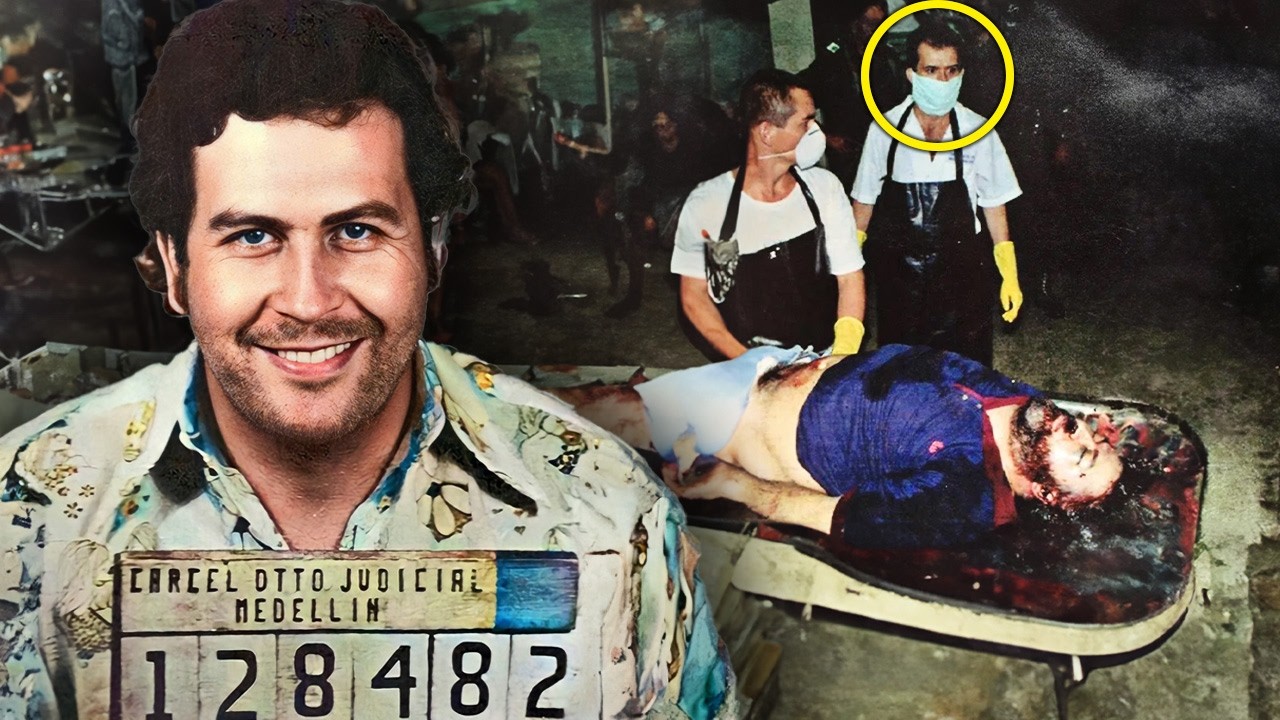
which left the indelible mark on Colombian football Pablo Escobar saw his local team at Atsuko Nacional as an important opportunity to sanitize his public profile at one point the seventh richest man on the planet Escobar used his wealth to buy himself public favour portraying himself as a modern-day Robin Hood he invested the proceeds from his drug empire into social housing schools and even football pitches in his native moraine with Escobar a key backer Atletico Nacional won only their fourth Colombian championship in 1981 but after the death of manager Osvaldo xub earlier a year later America's
rise to five consecutive championships saw Nacional fade Cali had stolen a march on medallion it was only through the signing of Colombian team coach and former star player Francisco Maturana in 1987 that Nacional announced Colombian football to the world the international prestige of Colombian football rose alongside the country's reputation for drug warfare the two were inextricably connected Nacional was an extension of Escobar's all powerful influence on Colombian life with his millions pushing Nacional all the way to the 1989 Libertadores final defeating Paraguayan out for Olympia on penalties after two legs Colombia finally had its first
South America Vanessa Nell didn't rely on importing star players from abroad like America or my own arias instead their methods were more typical of the man whose motto silver or LED money or death had hung over Colombian life for almost two decades in 1990 Uruguayan referee Danielle Corina confessed to having been the subject of death threats in case he failed to favor Nacional in their quarter-final tie against Vasco da Gama in November 1989 after deportiva Marion failed to get the better of rivals américa de Cali in a must-win game the referee Alvaro Ortega was found
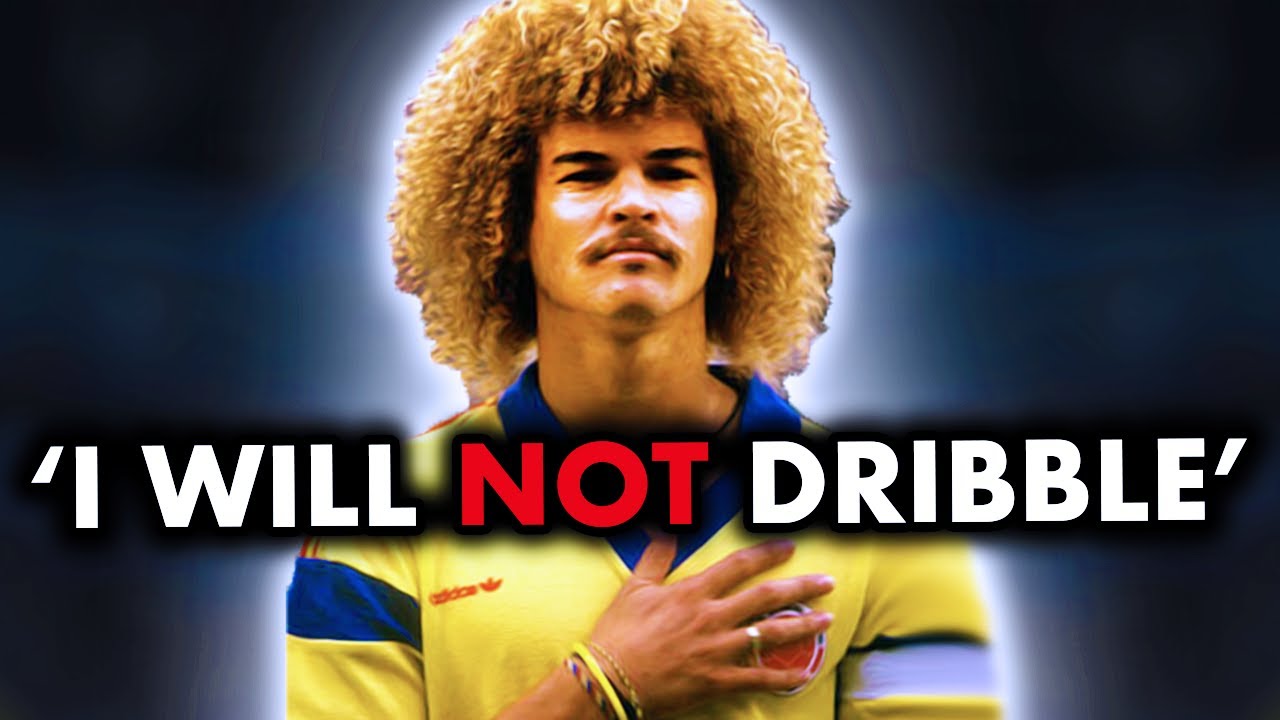
murdered and the league championship discontinued Escobar's henchman John Velazquez claimed the murder on the part of the Medellin Cartel four of the six teams in the title race at that point were under cartel control a generation of players who'd grown up in Escobar's Colombia and played on his pitches qualified for the 1994 World Cup among the favorites a star-studded spine including T newest pria Freddy Rincon and Carlos Valderrama who recorded a thumping 5-nil qualifying victory in Argentina at the cafe terrace daring to dream but fate was not on Colombia's side with agita ban from the
tournament for involvement in a cartel ordered kidnapping and the specter of drug warfare at home looming the Colombian bed soon fell apart a 3-1 defeat sir Hajis Romania in their opening game sent them into a crunch tight with their American hosts with Colombia on the brink the cartels made their most direct interference into the national game delivering a message on national television that there would be fatal consequences if lesson L midfielder Gabrielle Gomez played in the next game coach Francisco Maturana saw no choice but to leave him out the Colombia sank to a 2-1 defeat
and then early exit the faced Colombia show to the world was blemished by the rivalry between cartels back home Colombia the USA's chief source of cocaine brought the drug war right back to America's doorstep star defender and the rescue bar had been in the process of finalizing a move to European champions AC Milan fate tragically intervened as his own goal helped condemn Colombia to the defeat that would eliminate them from the tournament weeks later he was confronted and killed by a gunman outside amid a nightclub shouting goal with each pull of the trigger bodyguard Umberto
Munoz was eventually sentenced to 45 years in prison and was released after 11 but could behavior a court-ordered multi-million peso compensation for Escobar's family was never paid despite the cartels decreased power their influence on Colombian football can still be felt striker Anthony Davila dedicated the goal that took column me to the 98th World Cup to the leaders of the Cali cartel Colombian Attorney General Alfonso valdivieso saw his presidential campaign in tatters after publicly criticizing my gesture although the end of cartel ownership has returned Colombian football to a more humble level it's hard to know where
the story ends when Colombia were awarded the 2001 copa america argentina and invitees Canada withdrew citing death threats the reconstruction of Colombian football went alongside the reconstruction of Colombia itself the presidencies of antenna smokers and Alvaro Uribe have reinvigorated Colombia's public image and the nation's football clubs are starting to follow suit in 2012 be anoleis offered to return the two titles led one under cartel ownership but a year later home fans unfurled a banner in memory of catch's contribution to their success in a game against atlético junior and five of the last 10 Colombian Championships
have been won by the clubs who were once under the control of drug cartels the shadow of the drug wars and the narco soccer age still hangs over the country's favorite pastime this is not just a story of a small group of drug traffickers this is a story of how a lack of political control provided the perfect soil for cartels to flourish and extend their power to all corners of people's lives echoes of the Colombian cartels can still be felt in its society and then its football teams to this day [Music] you