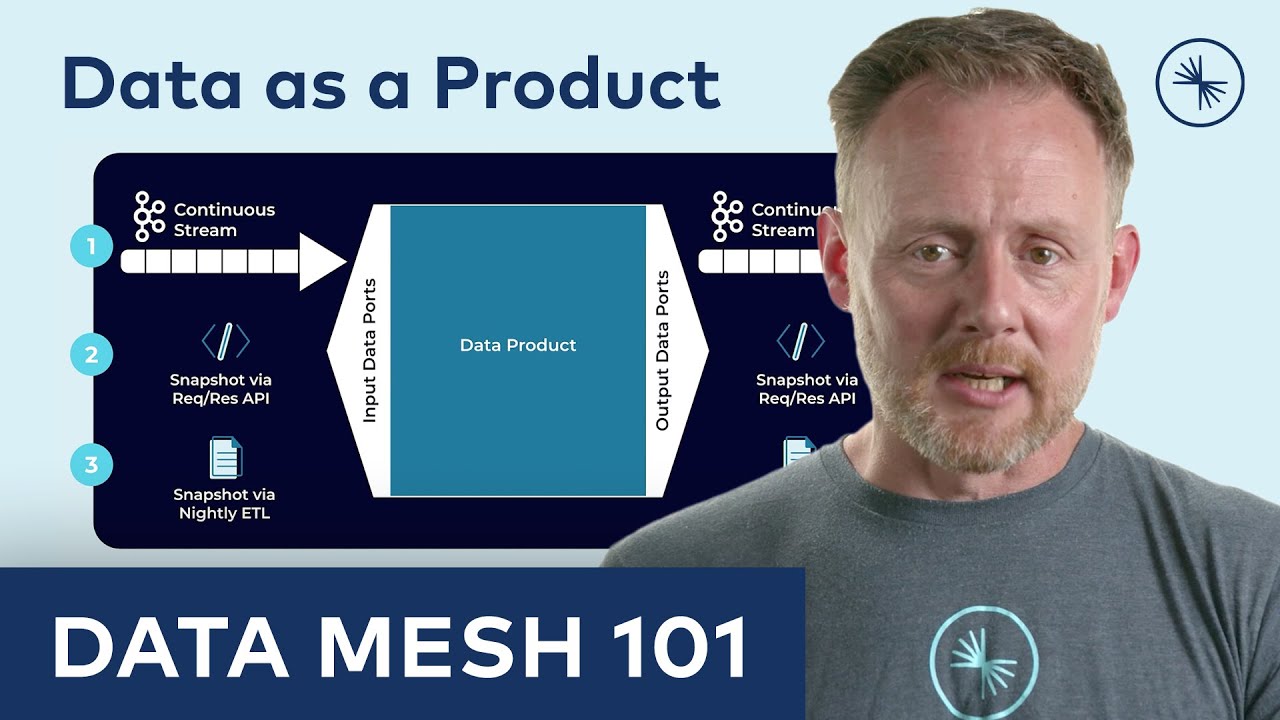
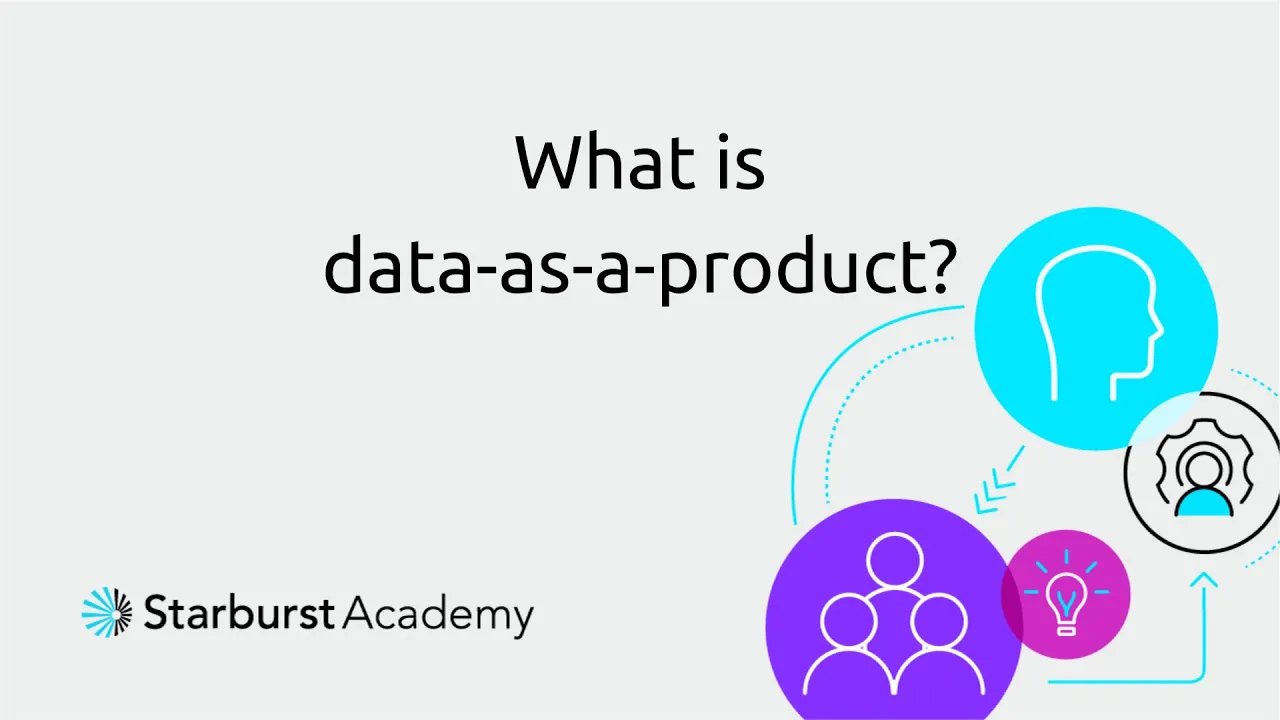
foreign [Music] what is data as a product at first even the question itself might seem esoteric nebulous or confusing it might even appear to raise more questions than it answers for instance what is the relationship between data as a product and data products why do these two terms have such similar names what does a product mean in this context and what does that mean for data and the insights derived from it if they seem like big questions it's because they are and that reflects the degree of impact that data as a product holds in fact
data as a product represents a revolutionary change at the heart of big data and it changes the conceptual and methodological Foundation upon which Big Data sits let's get to work on packing this you already know that data products package data sets with access patterns and metadata in a way that makes them easier to access for non-technical users but what's the relationship between these data products and data as a product to understand the relationship between the two an important distinction has to be drawn between a thing and the method that creates that thing in this sense
data products are things specific packages of curated data combined with the necessary access controls and metadata needed to interact with that data as a discrete entity in a useful and accessible way in contrast data as a product is not a thing at all instead it is a generalized methodology an organizing principle that applies product thinking or productization to data sets seen this way data as a product is a way of viewing things a practice that sees value in packaging data in a way that makes it more useful and more accessible to the users of that
data this General methodological shift has many implications and can be implemented in a number of different ways one way in which data as a product can be achieved is through data products and you can think of a data product as an instance of the data as a product methodology in some ways data products represent the purest example of data as a product thinking but that's not the only way to achieve productization for data for Starburst this includes several different features namely data products governance built-in access control and security catalog Explorer Global search and schema discovery
each of these features participates in the data as a product methodology by enacting varying degrees of product thinking or productization to data for example governance controls the way in which data is processed adapted and stored built-in access control and security manages who can access that data and under which conditions catalog Explorer lets you discover and access different catalogs Global search allows you to tag data sets and retrieve them using a search function and schema Discovery allows you to search for and access different schemas and then deploy them as needed okay we're getting somewhere data as
a product is a methodology that applies product thinking to data this means that understanding how products work becomes Central to understanding data as a product but this raises a new question what is a product and how do we recognize one when we see it specifically when we say that something is a product what do we mean let's jump into some examples you might think of any number of products in your home to help answer the question for example your computer is a product your refrigerator is a product too your phone is also a product but
what do they all share in common what makes these things products and most importantly what does it mean to think of data as a product let's start with a list of items that we know are products the computer the refrigerator and the phone what do they all have in common here's what we know they were all purchased and interacted with as packaged entities we didn't have to construct our refrigerator from spare parts and although we might have constructed our computer from individual components we certainly didn't manufacture the chips and transistors ourselves instead we interacted with
a complex assemblage of Parts largely as one thing why do we do this because it's simpler imagine how difficult it would be to create everything we buy from scratch and interact with it one by one this brings us to the next Point decisions decisions were made to create each of these products to meet unmet needs in the market by the companies that created them and although they allow us to customize and change their settings to some extent they were designed for a specific kind of user and a specific set of problems the refrigerator is designed
to keep food at a specific temperature and allow users to adjust the temperature within certain specified criteria the laptop is designed to do a large number of tasks but each of those capabilities was developed with forethought and consideration if you want to extend the capabilities of your laptop you usually need to install new software or upgrade the hardware Each of which constitutes its own product there is in essence a kind of modularization involved that bounds each product within itself products are also reusable when you buy a phone you expect it to work for multiple uses
it isn't simply used and consumed it becomes something that you can return to multiple times finally products are iterable meaning that newer and better products can supersede older ones and solve many of the same problems while extending additional use cases we fully expect newer phones laptops and refrigerators to include more features and greater capabilities year on year because of the cumulative impact of the decisions made by those designing it every single one of these principles is at play with data as a product when we package a data set add the capability to access it more
easily create a dedicated point of access for it and make it easy to use iterate and share we're applying product thinking when we modularize traditional ETL pipeline tasks and make them more available to less technical users we are applying data as a product thinking when we make decisions about how we want to access our data by tagging It sharing it and then iterating on this process we were applying data as a product thinking it's this thread that weaves through many of servers features as a generalized methodology this includes data products but extends far beyond them
as well as a methodology data as a product holds a kind of revolutionary promise to help easily turn your data set into business insights regardless of your technical background and it promises to change the way that big data operates forever