Part of what makes our brains so deliciously amazing, is that they've evolved to reward us and encourage us when we do stuff that helps us survive and spread our genes all over the place. I'm talking about eating and sex having and running from danger. Stuff like that.
For hundreds of thousands of years, this system served us well. But in a way, our brains have since gotten too smart for their own good. We've figured out how to make ourselves experience this pleasure when we're not even doing any of those things.
By inventing drugs. And we've also figured out how we could do those things. Eating, sex having, getting an adrenaline rush.
Recreationally. Instead of for our survival. And sometimes the craving for that feeling can take on a life of its own.
And so, by doing these things, we have basically invented addiction. Nice move, brains. But this is why addiction isn't limited to drugs; behaviors can be addictive too.
The compulsive urge to use cocaine again and again, the compulsive urge to eat candy bars again and again, are both produced from the same brain circuitry. Same goes for addictions to gambling, sex, eating, even. .
. Reddit. Addiction: it's all in our brains.
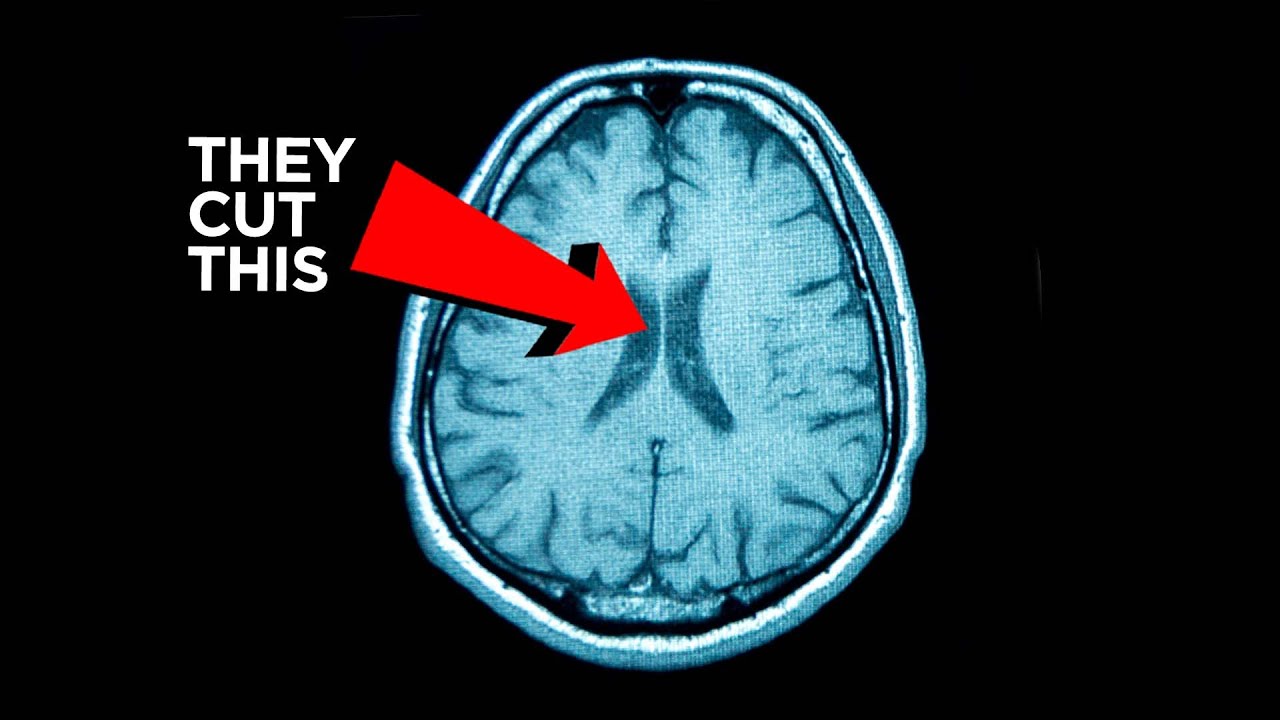
Mo' synapses, mo' problems. [Intro Jingle] The chemistry of addiction takes place mostly in the brain's limbic system, the set of structures at the center of the brain that controls our emotional and behavioral responses to the information we receive. It's often referred to as the brain's "reward center.
" And it responds to new information from the nervous system by releasing chemical messengers called neurotransmitters that pass signals from one neuron to the next or to another kind of cell it wants to activate. Your brain produces at least 100 different neurotransmitters and we're finding new ones all the time. But the most important neurotransmitters, when it comes to addiction, are the ones that are released when we do something that's key to our survival and success.
Once they're done getting the word out, they're usually re-absorbed back into whatever neurons they originated from. There are two major kinds of neurotransmitters and in a healthy brain they're pretty much in balance. There's excitatory neurotransmitters, which get their target cells all fired up with chemical energy and there's inhibitory neurotransmitters which keep their target cells calm and mellow.
Serotonin is an inhibitory neurotransmitter that you've probably heard of; it helps regulate your mood, your your appetite and your sleep cycle. But it's the excitatory ones that you really gotta watch out for. Endorphin, for instance, is released when we exercise, are really stressed or in a lot of physical pain, and it helps with coping and painkilling.
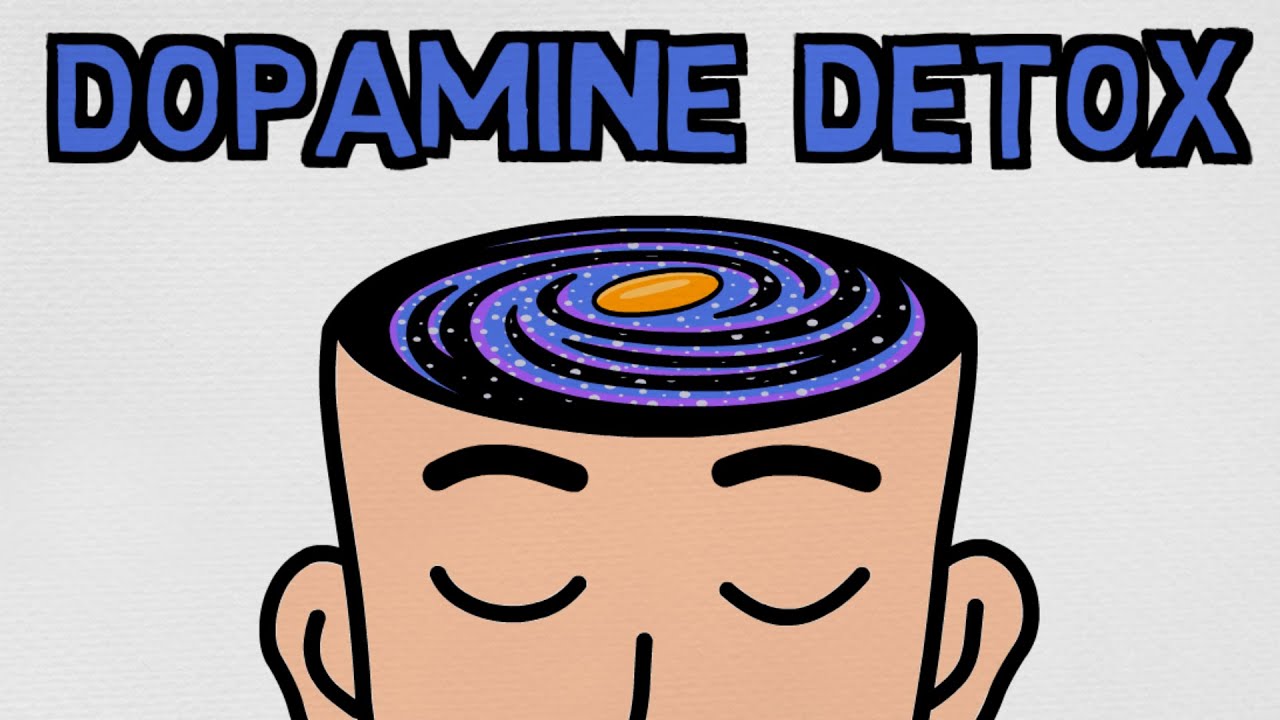
And, by far, the most important reward chemical is dopamine. It's released whenever our brain believes we should take strong note of our current behavior, to remember it. It's levels rise in response to pleasurable experience like eating or baby-making.
But it's also released when, like, a bull moose is charging us. PAY ATTENTION TO THIS MOMENT! DO NOT FORGET IT!
So, yes, the exciting sensation you feel when your dopamine levels are up reminds our brains to do things that are important to our survival. But it's also a large part of what drives addiction. Because addictive drugs are really good at not only messing with our levels of dopamine and other neurotransmitters, they also exploit the brain's ability to vividly remember unnatural highs and motivate itself to find more of them in the future.
Scientists have recently started to debate whether dopamine actually makes you feel good, or if it just exists to make you want things more. We've always based the assumption that dopamine makes you feel good on the fact that it makes people and, more commonly, rats repeat activities that increase dopamine levels. But while dopamine definitely has a pleasure component, it may be much more important in simply creating desire, whether or not there's a pleasurable outcome, which is why, maybe, so many addictions continue long after any actual pleasure is gone.
Another important factor in addiction is that when the brain is met with the intense stimuli that drugs can cause, it has all kinds of defenses that it desperately uses to restore balance. So after using a certain drug over the long-term, your brain will reduce the number of neurotransmitters or receptors available to it to try to moderate it's effects. This leads to what's known as a hypo-functioning reward system, which makes artifical and natural highs harder to come by.
So while your brain on drugs is not technically a fried egg, it is a significantly altered egg. This is why we develop tolerance to certain drugs and why addicts often end up with shiny new psychological disorders they didn't have before their addictions. Now, with all this in mind, drugs that cause addiction screw with your brain activity in two major ways: One, they imitate one of your natural neurotransmitters or two, they artificially change the levels of your neurotransmitters, either by overstimulating their release or inhibiting their re-absorption.
So, for instance, heroin and other opiates like codeine and morphine are some of the most addictive substances on Earth, because their structure is very similar to endorphin. They bind to nerve cell receptors reserved for endorphin in huge numbers which magnifies endorphin's painkilling effect, creating a feeling of euphoria. Opiates create far more powerful reactions than any natural stimulus.
So once the artificial high is experienced, the brain craves to return to that feeling. Nicotine, meanwhile, takes a different attack vector; first, it mimics a neurotransmitter called acetylcholine which triggers the release of large amounts of dopamine. Then it also sets off the release of other chemicals that leverage it's effect, like glutamate, which plays an important role in memory formation.
So, in addition to dopamine being all, "Remember this and do it more! ", glutamate is also firing memos off to surrounding neurons, creating what some scientists think is a memory loop that reinforces the habit. Finally, a third way for it to act, nicotine also sets off a flood of an inhibitory neurotransmitter called GABA, which ordinarily calms neurons down, but after 20 minutes the GABA receptors are so desensitized that there's nothing left to get in dopamine's way.
Then there's alcohol, which upsets that balance of neurotransmitters that allow body and brain to function as one. It binds to a number of different receptors, including those for acetylcholine and serotonin, which explains it's initially pleasing and, later, sedative effects. More alcohol means slower communication between neurons, but here's the thing: as the brain grows used to alcohol over long-term use it tries to compensate by releasing excitatory neurotransmitters to speed up signal transmission.
So, after heavy regular drinking, if the flow of alcohol stops, the brain is left with out of control synaptic firing with nothing to calm it down. Now, you've heard of a drunk getting the shakes when they stop drinking. This is where that comes from.
Now, some drugs don't even bother imitating a neurotransmitter. Instead, they just screw with the levels of natural neurotransmitters. We're talking here about things like cocaine and methamphetamine and other amphetamines like ecstasy and bath salts.
Cocaine is such an effective stimulant because it interrupts the reabsorption of dopamine and another important excitatory chemical: norepinephrine. By creating extremely high concentrations of them floating around in the synapses, nerve cells are overstimulated and the user will feel pleasure from the dopamine and energy thanks to the norepinephrine. But because it creates such a flood of these neurotransmitters the cocaine ends up depleting them, and more and more cocaine is needed to produce the same high.
Now, the effects of smoking meth can last up to twelve hours versus one hour to cocaine and is vicious in it's ability to create addiction. Instead of blocking the re-absorption of dopamine, like cocaine does, meth causes the release of excess amounts of dopamine. It's a nasty drug made worse by the fact that over time an addicts brain, in an effort of self-defense, will eventually force neurons to release an enzyme that destroys all that extra dopamine, as well as the brain's ability to produce more.
As a result, users will continue upping the dosage, seeking a high that they can't achieve. Other new amphetamines bursting onto the scene including bath salts, which are so fascinatingly awful that we did a separate episode just on them. Bath salts contain a group of synthetic stimulants called substituted cathinones which combine the effects of both cocaine and meth at the same time.
What scientists are now discovering is that these same chemical reactions brought about by substance abuse are similar to those brought about by a number of behaviors, causing behavioral addiction. Let's take gambling: the neural circuits manipulated by wagering money on blackjack, horse racing and other games of chance are actually the same ones that originally evolved to help animals assess reward versus risk. Like, you're living on the savannah and you haven't eaten in two days, you don't want to be like, "I forget, is it the black berries that kill you or the red ones?
" But what researchers have discovered with gambling is that it's not only winning that enhances dopamine transmission in the limbic system but it's also the near misses; it's the 4-out-of-5 jackpot symbols on the slot machine or being one number off on the roulette wheel. Those things actually have a larger effect on the brain than winning the jackpot. Almost getting the reward causes strange things to happen to the ways in which your brain anticipates future rewards.
Our brains love to find and predict patterns. But, when it becomes fixed on predicting patterns in something that's inherently unpredictable, like a slot machine, it leads to compulsive gambling. And, in fact, in 2012, the Diagnostic Statistical Manual for Mental Disorders, which is pretty much the go-to book for psychiatric illness professionals announced that it's going to add a new category for behavioral addictions beginning with pathological gambling.
It's also adding references to internet and sex addiction for the first time and many would like to see food addiction added as well. Food and sex addiction are controversial topics, partly because of the stigmas associated with them. The release of dopamine as a response to eating fatty foods is completely natural and makes perfect sense evolutionarily.
However, even this natural release of dopamine can be exploited. Studies of rats have shown that, when given easy access to high sugary and fatty foods like bacon and chocolate and cheesecake. .
. Ooh-mmm. Bacon chocolate cheesecake.
Those rats not only ignored their normal food but continued to eat the unhealthy snacks even when they were shocked in the process. Over time, the rat's brains developed tolerance to the chemical response to junk food by desensitizing their dopamine receptors, exactly like the hypo-functioning reward circuitry caused by drug addiction. Findings like this have actually led to a theory that some people might have fewer dopamine receptors than others, which may make them more predisposed to food and other addictions.
Like sex, for instance. This shouldn't come as a surprise, given that brain scans taken during orgasm closely resemble those of heroin users after shooting up. Like food addiction, sex addiction is linked to low dopamine levels in the brain which can lead to post-sex hangovers that leave the addict in despair and on a quest to find his or her next fix.
It's a craving, both biologically and psychologically. Even here on the internet our dopamine receptors are spoiled full of fun and stimulating distractions that activate our pleasure chemicals. And like other addictive behaviors, it's often the anticipation that's greater than the reward.
I mean really, how many times did you check your email in the last hour and how many important emails did you actually have? Meanwhile, studies of video gamers are showing that players will continue their gaming, even when multiple distractions are placed in front of them. Not that I would know anything about that.
We're living in kind of a golden age of brain research right now, which means that we're learning more about the causes of addiction and possible cures every day. And while there pretty much is no way to avoid overstimulating your dopamine receptors in this world of instant pleasures, the rush of finding a particularly adorable cat on Reddit is likely going to remain my drug of choice, at least for the near future. Thanks for watching this episode of SciShow Infusion.
Don't do drugs. If you have any ideas for future episodes of SciShow or questions or comments you can leave them for us on Facebook or Twitter or in the comments below, and if you want to keep getting smarter with us here at SciShow, go to YouTube. com/SciShow and subscribe.
We'll see you next time.