In 1992, a cargo ship carrying bath toys got caught in a storm. Shipping containers washed overboard, and the waves swept 28,000 rubber ducks and other toys into the North Pacific. But they didn’t stick together.
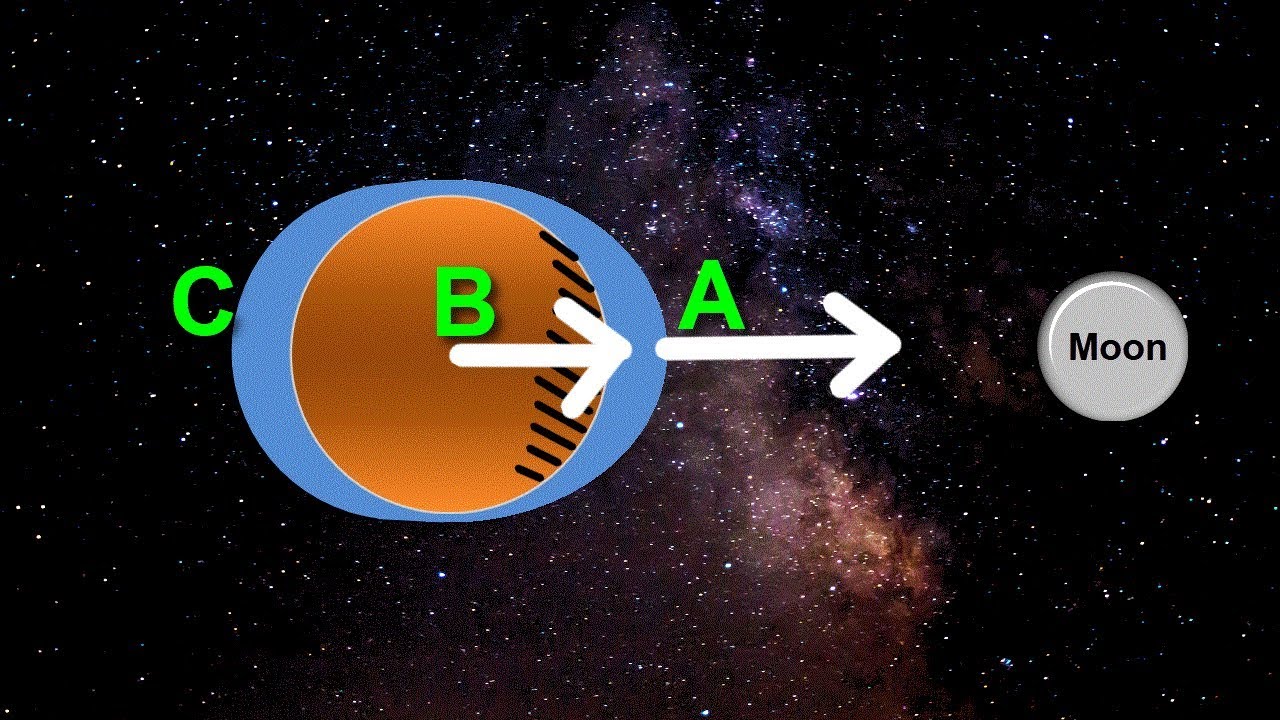
Quite the opposite– the ducks have since washed up all over the world, and researchers have used their paths to chart a better understanding of ocean currents. Ocean currents are driven by a range of sources: the wind, tides, changes in water density, and the rotation of the Earth. The topography of the ocean floor and the shoreline modifies those motions, causing currents to speed up, slow down, or change direction.
Ocean currents fall into two main categories: surface currents and deep ocean currents. Surface currents control the motion of the top 10 percent of the ocean’s water, while deep-ocean currents mobilize the other 90 percent. Though they have different causes, surface and deep ocean currents influence each other in an intricate dance that keeps the entire ocean moving.
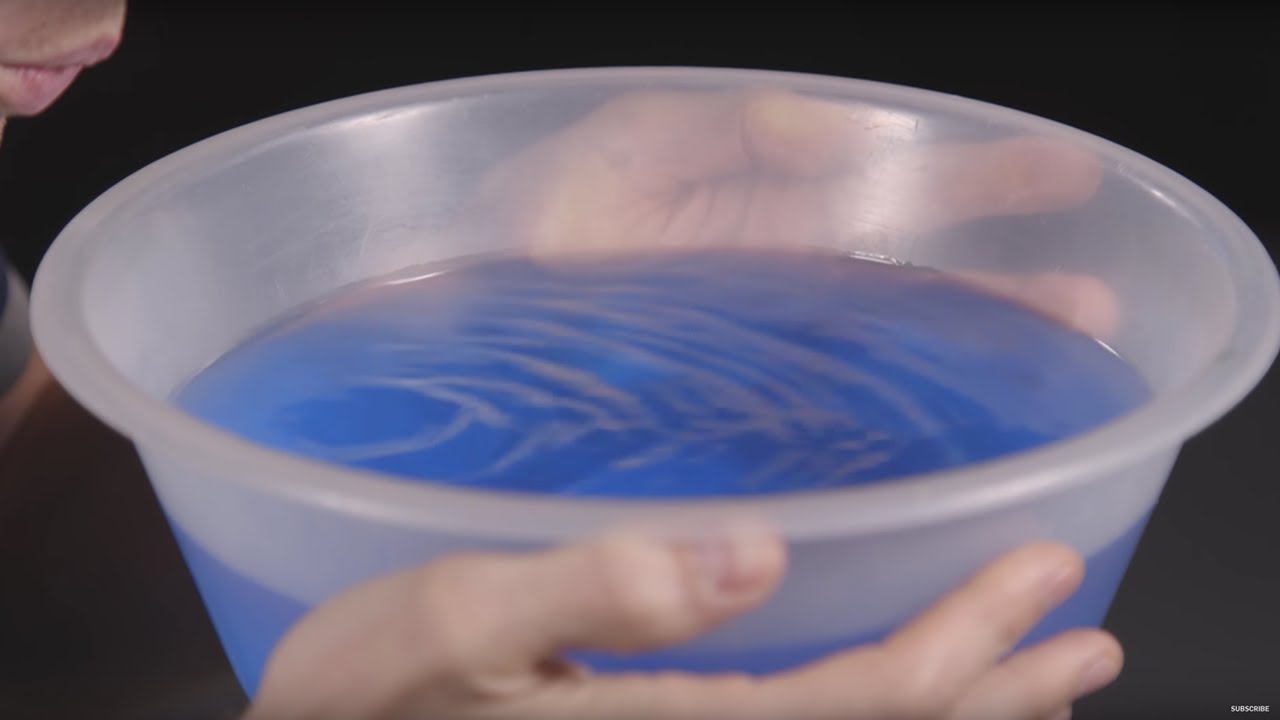
Near the shore, surface currents are driven by both the wind and tides, which draw water back and forth as the water level falls and rises. Meanwhile, in the open ocean, wind is the major force behind surface currents. As wind blows over the ocean, it drags the top layers of water along with it.
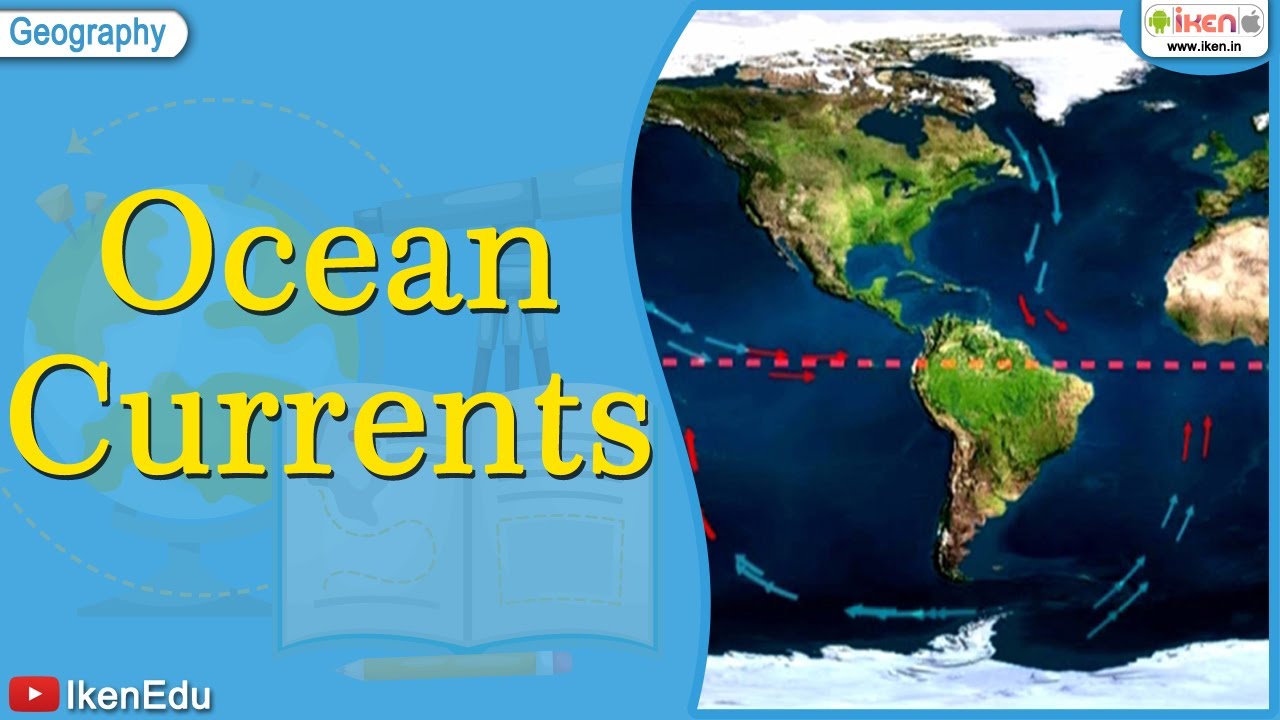
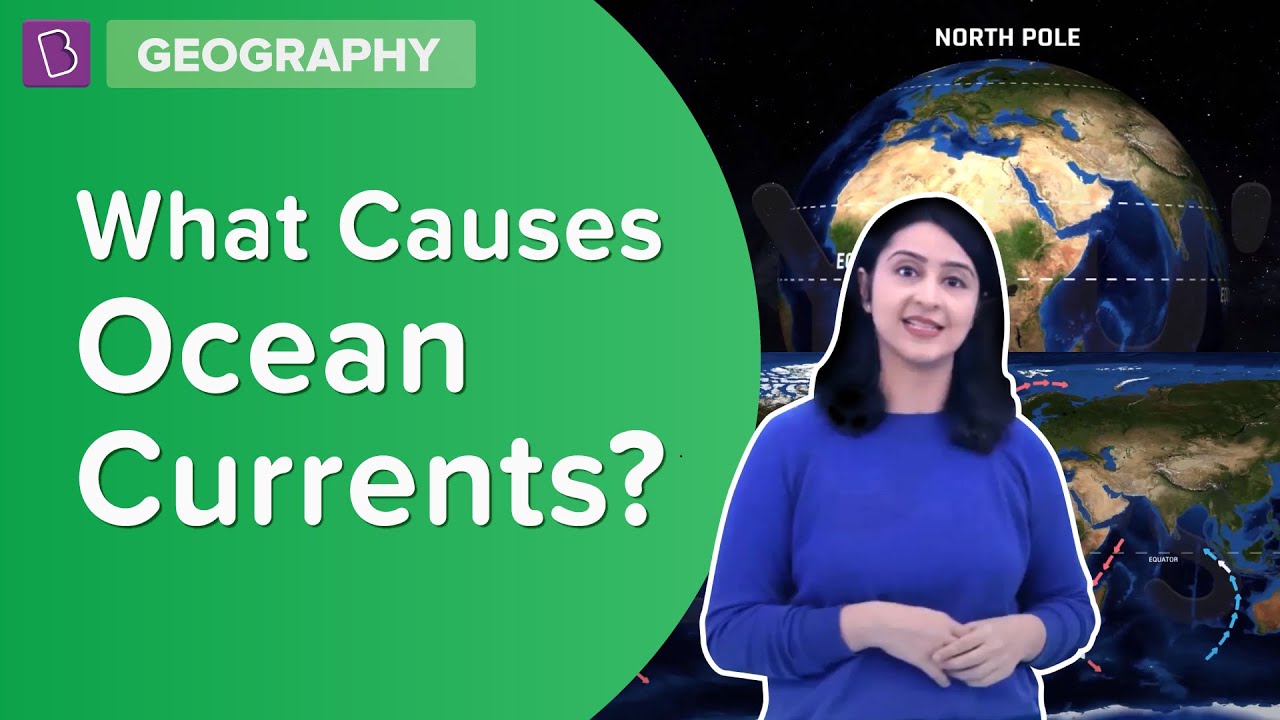
That moving water pulls on the layers underneath, and those pull on the ones beneath them. In fact, water as deep as 400 meters is still affected by the wind at the ocean’s surface. If you zoom out to look at the patterns of surface currents all over the earth, you’ll see that they form big loops called gyres, which travel clockwise in the northern hemisphere and counter-clockwise in the southern hemisphere.
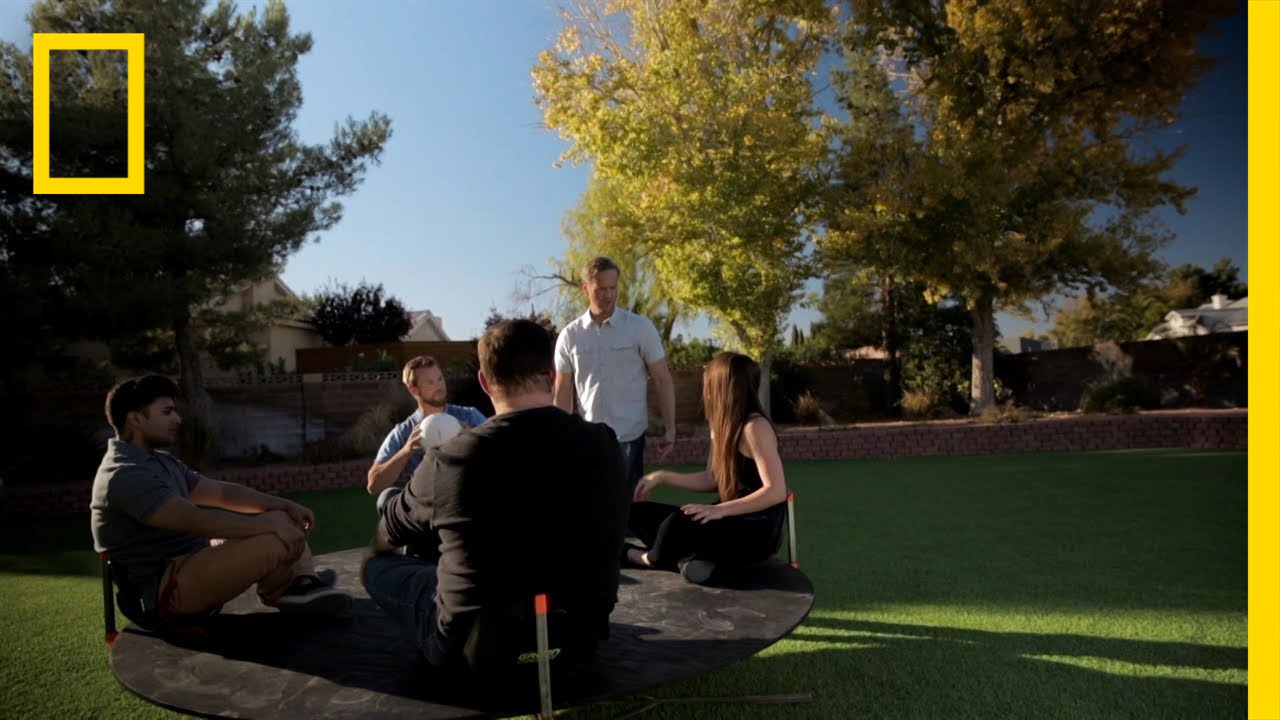
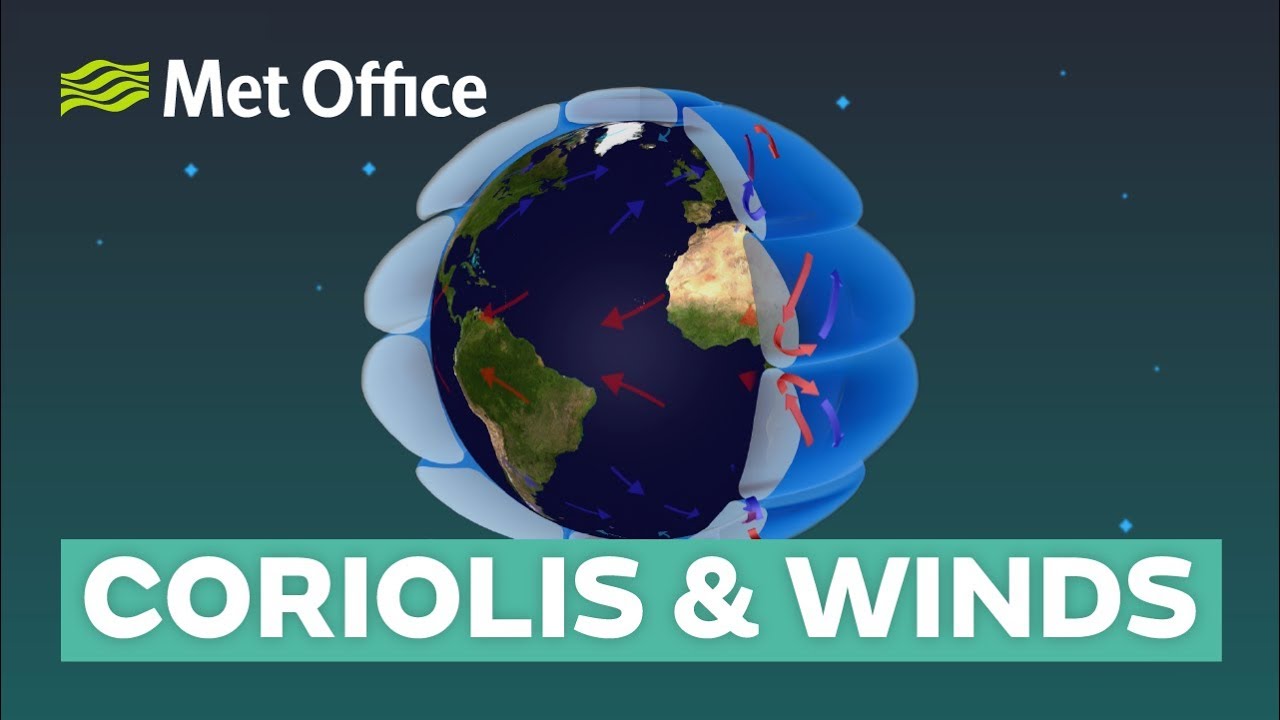
That’s because of the way the Earth’s rotation affects the wind patterns that give rise to these currents. If the earth didn’t rotate, air and water would simply move back and forth between low pressure at the equator and high pressure at the poles. But as the earth spins, air moving from the equator to the North Pole is deflected eastward, and air moving back down is deflected westward.
The mirror image happens in the southern hemisphere, so that the major streams of wind form loop-like patterns around the ocean basins. This is called the Coriolis Effect. The winds push the ocean beneath them into the same rotating gyres.
And because water holds onto heat more effectively than air, these currents help redistribute warmth around the globe. Unlike surface currents, deep ocean currents are driven primarily by changes in the density of seawater. As water moves towards the North Pole, it gets colder.
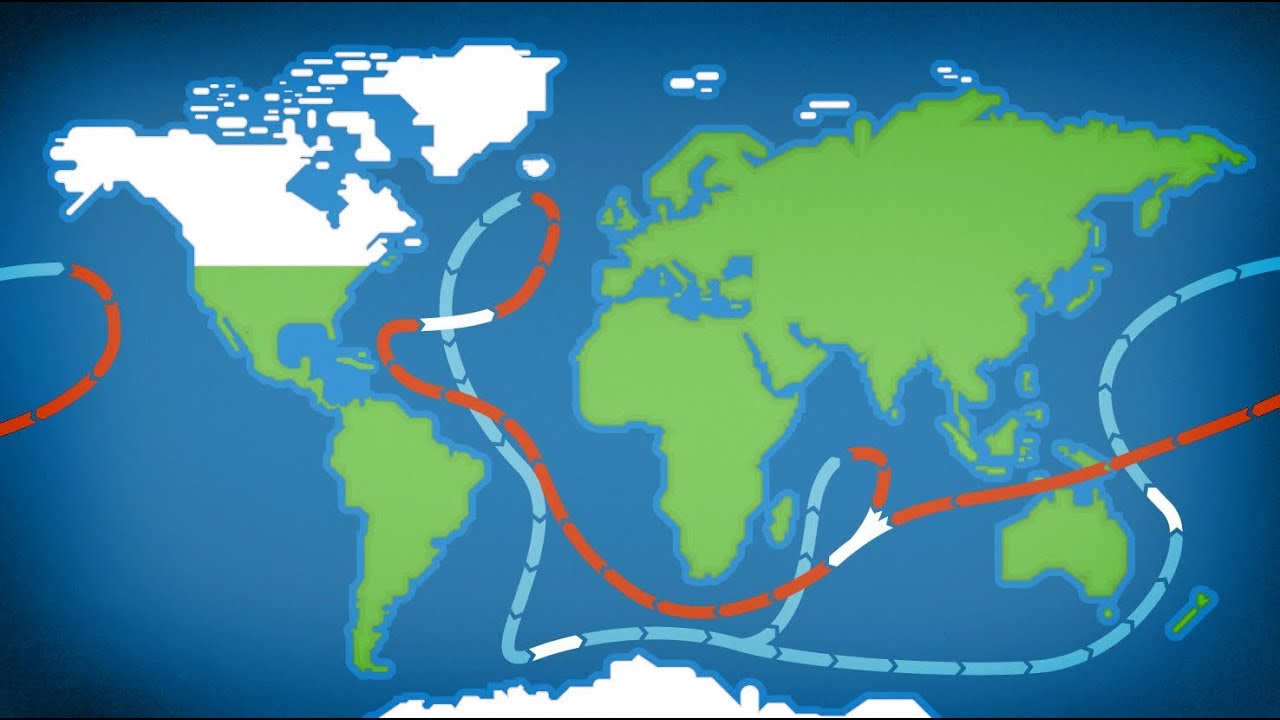
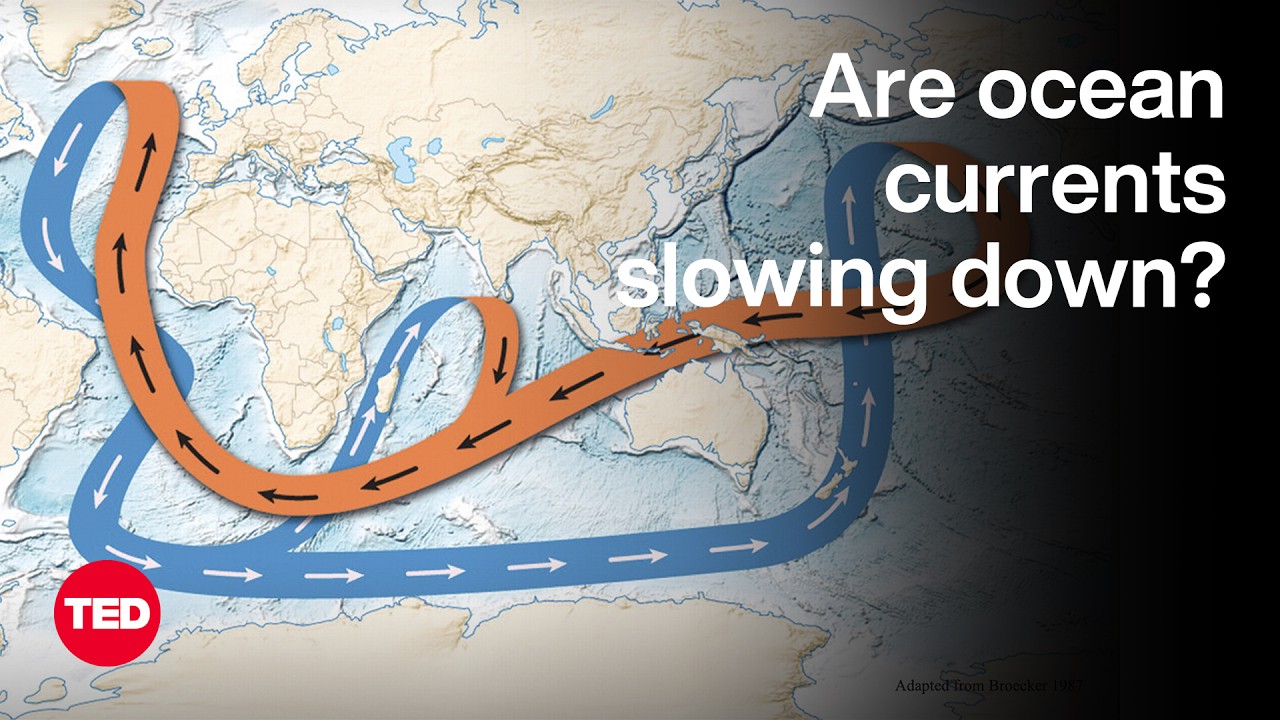
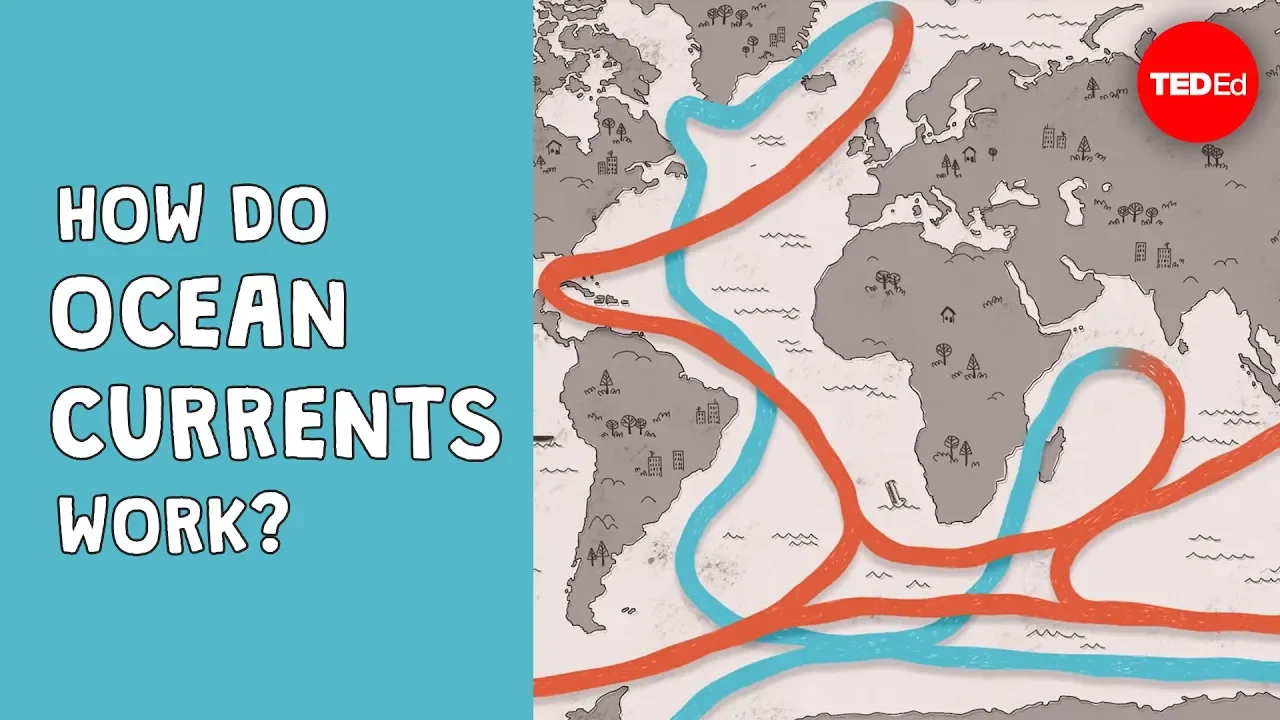
It also has a higher concentration of salt, because the ice crystals that form trap water while leaving salt behind. This cold, salty water is more dense, so it sinks, and warmer surface water takes its place, setting up a vertical current called thermohaline circulation. Thermohaline circulation of deep water and wind-driven surface currents combine to form a winding loop called the Global Conveyor Belt.
As water moves from the depths of the ocean to the surface, it carries nutrients that nourish the microorganisms which form the base of many ocean food chains. The global conveyor belt is the longest current in the world, snaking all around the globe. But it only moves a few centimeters per second.
It could take a drop of water a thousand years to make the full trip. However, rising sea temperatures are causing the conveyor belt to seemingly slow down. Models show this causing havoc with weather systems on both sides of the Atlantic, and no one knows what would happen if it continues to slow or if it stopped altogether.
The only way we’ll be able to forecast correctly and prepare accordingly will be to continue to study currents and the powerful forces that shape them.