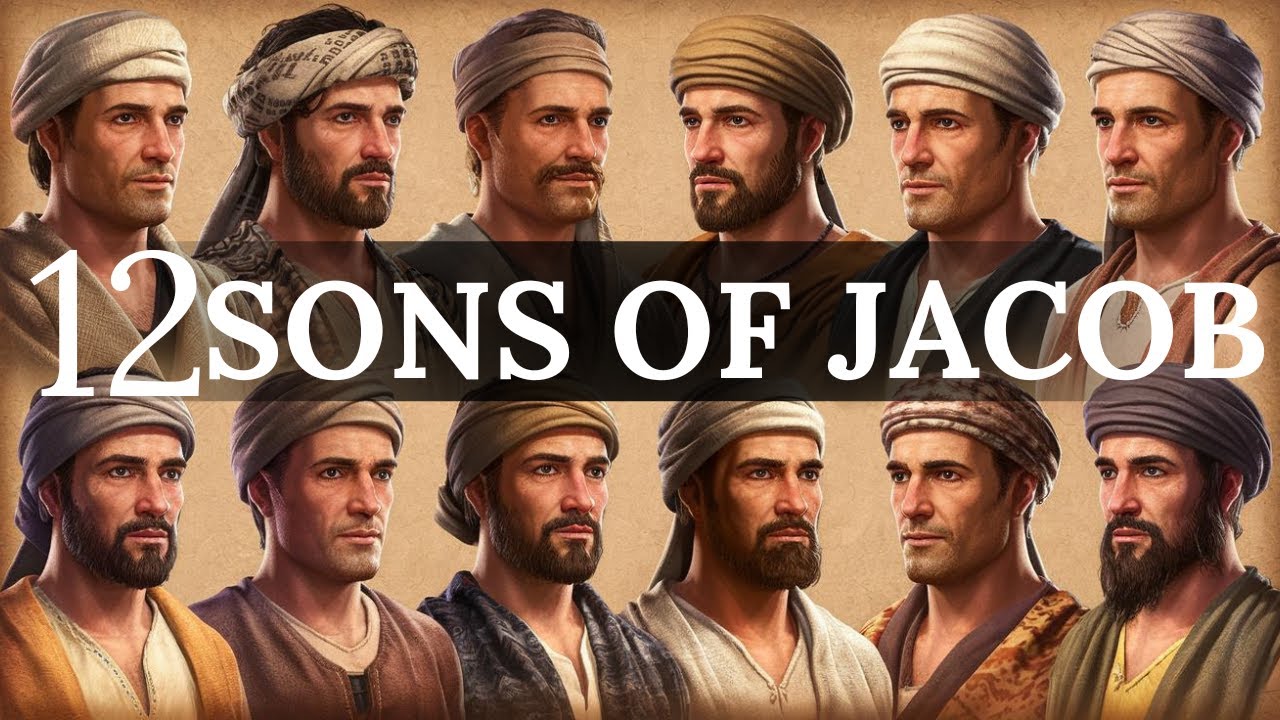
In the bustling streets of ancient Rome, a man named Simon Peter stood firm in his faith. Once a simple fisherman, Peter had become a pillar of early Christianity, teaching many about Jesus Christ whom he followed so passionately. He got to do this with 11 other apostles, who all eventually faced tragic deaths.
These men were the closest followers of Jesus Christ, chosen to spread his teachings across the world. But such conviction came with a price. Peter came to his final moment when persecution intensified, and he was captured and sentenced to a cruel fate—crucifixion.
With his final moments approaching, Peter requested something unusual. Believing himself unworthy to die as his Lord did, he asked to be crucified upside down. His captors were okay with that, so Peter met his end with extraordinary humility, his life a testament to unwavering faith and courage.
Andrew, like his brother Simon Peter, was also initially a fisherman before he answered the call to follow Jesus. Known for his missionary zeal, Andrew traveled far and wide, spreading the teachings of Christianity across what is now known as Greece and Asia Minor. His journeys, however, would lead him to a similar fate as his brother.
In the town of Patras, now in modern Greece, Andrew's unwavering determination to convert others to Christianity brought him into direct conflict with the local authorities. They decided to silence him, but not through a quick and merciful death. Andrew was sentenced to die on an X-shaped cross, a symbol that would later become known as Saint Andrew's Cross.
As he was bound, rather than nailed, to the cross, Andrew kept talking to the people watching him for two days before he gave in to his suffering. His death not only marked the end of his earthly journey but also solidified his influence, inspiring generations of believers with his enduring faith and strength in the face of brutal persecution. Not long after Andrew's torture, another disciple, James the Greater, the son of Zebedee and brother of John, faced his own trial of faith.
James's journeys took him across Judea and into the dangerous terrains of Roman-ruled Jerusalem. His strong statement that Jesus Christ is the Messiah caused both praise and anger. Herod Agrippa, wanting to please the Jewish leaders and keep things calm, thought James was a danger to the fragile peace.
To show his power and loyalty to Roman law, Herod quickly ordered James to be executed. In 44 AD, James became the first Apostle to be killed by the sword. His death shocked the early Christians but also made them stronger.
James's story shows the dangerous journey of those who tried to spread Jesus's teachings in a world that often resisted and opposed them. His sacrifice, driven by passion and love for his mission, left a lasting impact on the faith he helped to grow. His brother John stands apart in the history of the Apostles for his fate.
Unlike his brother and many of his peers, John did not meet a torturing death. Instead, he faced exile and survival under persecution. After the devastating loss of his brother, John continued to spread the message of Jesus, which led to his eventual capture.
The Roman authorities, worried about his influence and wanting to stop the spread of Christianity, sent John to live on the island of Patmos. It was in this remote and rough place that John supposedly received the visions that became the Book of Revelation, a deep and mystical scripture. Even in tough conditions, John did not give up.
Stories say he survived many attempts on his life, including a miracle where he was saved from a pot of boiling oil. After Emperor Domitian died, John was allowed to return to Ephesus, where he continued his work until he died of old age. His life, full of endurance and vision, gave hope and strength to all believers.
And then there was Philip, known for his strong desire to spread Christianity, traveled to the center of Asia Minor, which is now Turkey, to teach about Christ. He worked in Hierapolis, a city with many pagan temples and superstitions, challenging the religious and social norms of the time. Philip's efforts to spread Christianity caught the attention of the local authorities, who saw him as a threat to their power and traditional religions.
As more people started to follow Christianity, the hostility towards him increased, leading to a dramatic end to his mission. Philip was arrested by the Roman authorities and cruelly tortured to make him give up his faith, but he did not. In the end, he was crucified upside down, facing his fate with the same faith and courage he always had.
Philip's martyrdom had a lasting effect on Hierapolis and its new Christians, making him an important figure in the spread of Christianity in Asia Minor. Then, we come across Bartholomew, also known as Nathanael, is celebrated for his missions that possibly extended as far as India and Armenia, places deeply entrenched in their own religious traditions. His travels underscored a commitment to sharing the Gospel across diverse cultures, often meeting resistance from those clinging to established beliefs.
In Armenia, Bartholomew's efforts to convert people to Christianity made the pagan priests and the king very angry. Converting the king's brother was seen as a spiritual win and a political threat. The response was quick and brutal.
According to tradition, the king's men captured Bartholomew. To scare the new converts, they skinned him alive and then beheaded him. Despite his terrible death, Bartholomew’s work left a lasting impact.
Many communities continued to honor and follow his teachings. Following that, we find Thomas, known as 'Doubting Thomas' because he initially didn't believe in Jesus' resurrection, eventually became a strong preacher of Christianity. His faith took him further than most other Apostles, all the way to India, a land very different from his own.
In India, Thomas tried to spread Jesus' teachings and faced both curiosity and hostility. He worked hard, starting several Christian communities across the region. His dedication gradually changed many people's doubts into belief, similar to his own change back in Jerusalem.
However, Thomas's growing influence worried the local religious leaders, who saw him as a threat. According to local traditions, Thomas was martyred near Chennai, stabbed with a spear during prayer. His death ended his earthly life but started a lasting Christian presence in India.
Thomas’s story shows the powerful impact of faith and conviction, inspiring people for generations. Next we have Matthew, he was once a tax collector disliked by his community because he worked with the Romans. After meeting Jesus, he changed completely.
He decided to leave his wealthy and corrupt life behind and became a dedicated follower and preacher. He wrote a Gospel that carefully combines Christ's teachings with Jewish traditions. Matthew traveled to several countries, including Ethiopia and Persia, to build Christian communities.
His experience as a tax collector helped him connect with many different people, from the rich and powerful to the poor and marginalized. However, his success in converting people to Christianity attracted attention. In Persia, while he was celebrating Mass, the king's agents, who were against his work and the spread of Christianity, confronted him.
They killed him with a halberd, ending his life brutally. But Matthew's death didn't stop his message; it made it stronger, inspiring others to keep spreading the Gospel with even more enthusiasm. And then we have James the Lesser, different from James the Greater because his deeds are less known, was still very important in early Christianity.
He is known as James, the son of Alphaeus, and his quiet nature hid a strong will and deep faith. James helped mostly by being present and steady rather than doing big actions or travels. He spent most of his time in Jerusalem and Judea, quietly supporting the growing Christian community.
He lived with humility and dedication, being a silent support for other believers. According to old traditions, James died violently in Jerusalem. He was very committed to teaching Christianity and refused to give up his faith, which led to his martyrdom.
Angry priests threw him from the top of the Temple and then beat him to death. James the Lesser’s death reminds us of the quiet strength that is often unnoticed but crucial for keeping movements alive and inspiring future generations. Next is Jude Thaddeus, often confused with Judas Iscariot who betrayed Jesus.
Jude was actually one of the most dedicated and effective Apostles. He wrote passionate letters encouraging Christians to stay strong during tough times. Jude traveled a lot across Judea, Samaria, Idumea, Syria, Mesopotamia, and Libya, spreading the Christian message of hope and redemption.
His mission was very difficult because he often went to places where Christianity was hated. Despite these challenges, Jude's persuasive speaking and strong faith convinced many people to follow Christianity and inspired deep loyalty among his followers. Jude's missionary work eventually brought him to Persia, where he worked with Simon the Zealot.
Their success in converting many people to Christianity caused resentment and fear among the Zoroastrian priests, leading to a violent response. Jude was killed in Persia, struck with an axe for his strong faith. His death made him known as a steadfast apostle, and he is often called the patron saint of lost causes, showing his unbreakable spirit.
Then, we come across Simon the Zealot, called this to distinguish him from Simon Peter and to show his strong enthusiasm for Jewish law and Jesus's teachings, embraced his mission with a passionate heart. Unlike the other Apostles who were mainly fishermen or common people, Simon's background in a radical Jewish group made his preaching very intense. He spread his message across the Middle East and into Persia.
In Persia, Simon teamed up with Jude Thaddeus, and together they formed a strong team, spreading the Christian message and creating small but strong communities of believers. Their success caught the attention of the local religious leaders, who saw them as a threat to their religious order. Their efforts and the threat they posed led to a tragic end.
Simon was killed alongside Jude, being sawn in half, showing the dangers they faced. His violent death showed the extreme dedication and bravery of the early Apostles, whose messages of faith and love often faced hostility in a divided world. Lastly, we have Judas Iscariot, who is best known as the one who betrayed Jesus Christ.
As one of the Twelve Apostles, he became infamous when he chose to betray Jesus to the religious leaders in Jerusalem for thirty pieces of silver. This betrayal led directly to Jesus' arrest and crucifixion. Judas felt deep regret after betraying Jesus.
The New Testament says that, filled with guilt and despair, Judas tried to return the silver, saying he had betrayed innocent blood. When the priests refused to take the money back, Judas threw the silver into the temple and left. Soon after, Judas's life ended.
Overcome by guilt and unable to live with what he had done, Judas took his own life. According to tradition and the Bible, he hanged himself in a secluded place. Judas's death, marked by regret and tragedy, is a sad end to his story, very different from the martyrdom of the other Apostles.
As we finish our stories about the Twelve Apostles we see how differently each one lived and died. They faced many challenges, from being killed for their beliefs to dealing with deep regret. From these stories, we can learn that having God in your life gives strength and guidance.
The Apostles' faith helped them face dangers and make big sacrifices. It shows us that believing in something bigger than ourselves can give us the courage to do what is right and to help others, even when it's hard. If you found inspiration in this story please remember to like and subscribe.
If you haven't yet accepted God in your life, there's still time. Repentance can transform your future, erasing sadness and loneliness, and providing all that you need. Take a moment, find a quiet place, and talk to God.
He listens. Blessings to you.