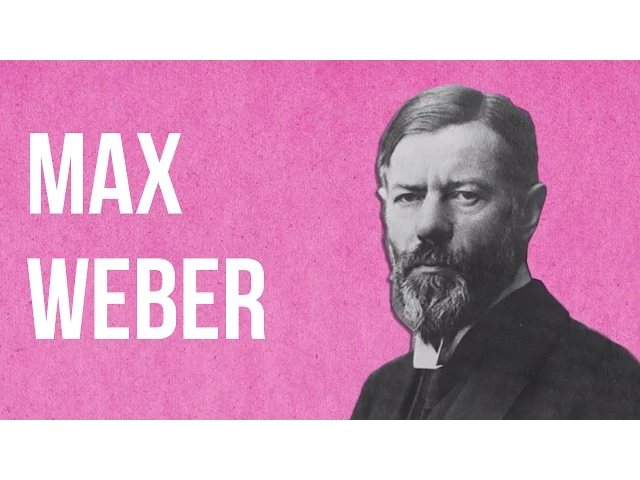
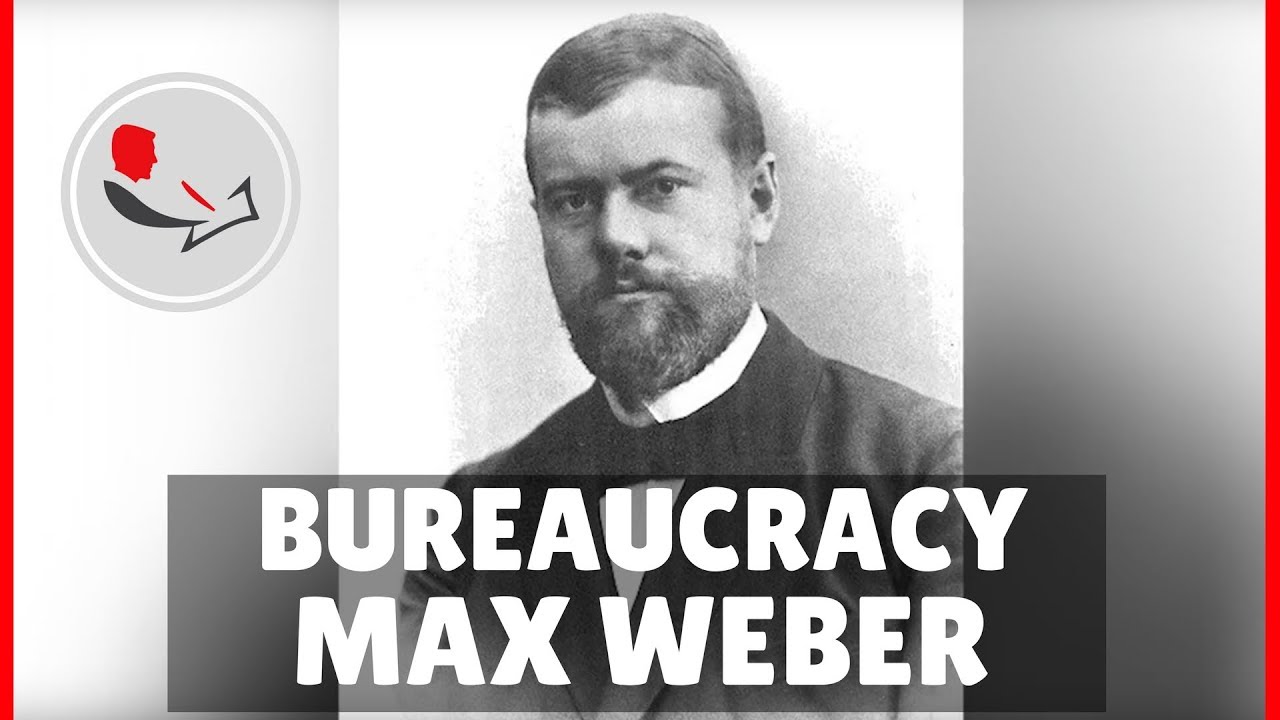
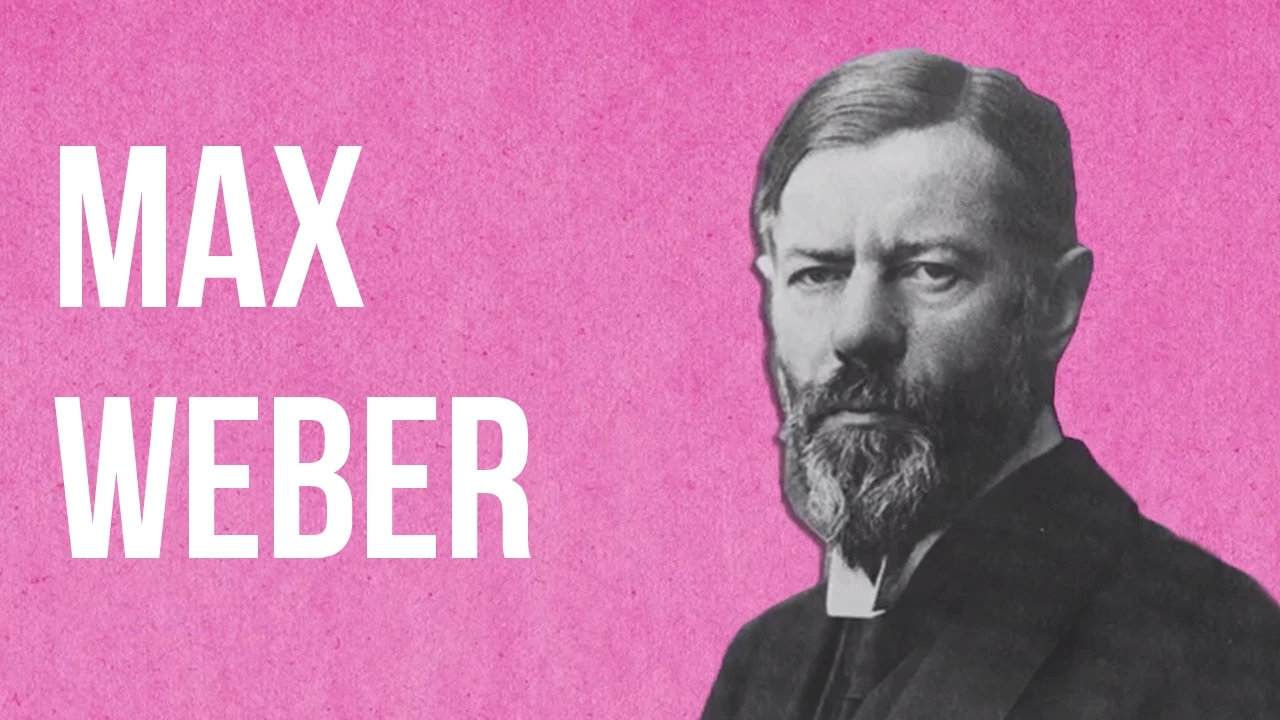
Max Weber is one of the philosophers best able to explain to us the peculiar economic system we live within called capitalism. Born Erfurt in Germany in 1864, Weber grew up to see his country convulsed by the dramatic changes of the Industrial Revolution. Cities were exploding in size.
Vast companies were forming. A new managerial elite was replacing the old aristocracy. Weber spent his life analyzing these changes and he developed some key ideas with which we can better understand the workings and future of capitalism.
The standard view is that capitalism began as a result of developments in technology especially steam power. But Weber proposed something more interesting that what actually made capitalism possible was a set of ideas and in particular religious ideas and not just any religious ideas. Capitalism was created by Protestantism, specifically Calvinism.
In his great work The Protestant Ethic and The Spirit of Capitalism, published in 1905, Weber laid out some of the reasons why he believed Protestant Christianity had been so crucial to capitalism. In Weber's analysis Catholics have it relatively easy. They were able to confess their transgressions at regular intervals and can be cleansed by priests.
But no such purifications are available to Protestants who believe that only god is able to forgive anyone and he won't make his intentions known until the day of judgment. Until then Weber alleged Protestants are left with heightened feelings of anxiety as well as lifelong guilty desires to prove their virtue to a severe all-seeing but silent god. In Weber's eyes Protestant feelings of guilt were diverted into an obsession with hard work.
This was what he called the Protestant work ethic. The sins of Adam could only be expunged through constant toil. Not coincidentally there were far fewer festivals and days of rest in Protestantism.
God didn't like time off. Catholics had limited their conception of holy work to the activities of priests, monks and nuns but now Protestants declared that work of any kind could be done in the name of God even jobs like being a baker or an accountant. This lent new moral energy and earnestness to all branches of professional life.
In Catholic countries the family was and often still is everything. But Protestants took a less benevolent view of family. The family could be a haven for selfish and egoistic motives.
For early Protestants one was meant to direct one's selfless energies to the community as a whole, the public realm, where everyone deserved fairness and dignity. Protestantism and eventually scientific capitalism turned its back on miracles. Weber called this the disenchantment of the world.
So prosperity wasn't to be thought of as something mysteriously ordained by God, it could only be the result of thinking methodically, acting honestly, and working industriously and sensibly over many years. Without a belief in miracles people turn to science for explanations and changes which encouraged scientific investigation and discovery and eventually technological booms. Taken together these five factors created, in Weber's eyes, the crucial catalytic ingredients for capitalism to take hold.
Marx had argued that religion was the opium of the masses, a drug that induced passive acceptance of the horrors of capitalism. But Weber turned this dictum on its head. People didn't tolerate capitalism because of religion.
They only became capitalists as a result of their religion. There are about 35 countries where capitalism is now well developed. It probably works best in Germany where Weber first observed it.
But in the remaining 161 nations it arguably isn't working very well at all. This is a source of much puzzlement and distress. Billions of dollars in aid are transferred every year from the rich to the poor parts of the world.
But a Weberian analysis tells us that these materialist interventions will never work because the problem isn't really a material one to begin with Instead certain countries for Weber fail to succeed at capitalism because they don't feel anxious and guilty enough. They trust too much in miracles. They like to celebrate now rather than invest in tomorrow and their members feel it's acceptable to steal from the community in order to enrich their families favoring the clan over the nation.
Today, Weber would counsel those who wish to spread capitalism to concentrate on our equivalent of religion -- culture. It's a nation's attitudes hopes and a sense of what life is about that produces an economy that either flourishes or flounders. To reduce poverty, Weber would say one has to start at the level of ideas.
What the World Bank and the IMF should be giving sub-saharan Africa is not, in a Weberian analysis, money and technology but a new outlook. The decisive question for an economy should not be what the rate of inflation is but what's on TV tonight. Weber was writing in an age of revolution.
He, too, wanted things to change but he believed that one first had to work out how political power operated. Weber believed that humanity had gone through three distinct types of power. The older societies operated according to what he called traditional authority where kings relied on folklore and divinity to justify their power.
Then came the age of charismatic authority where a heroic individual, most famously Napoleon, could rise to power with a magnetic personality and change everything through passion and will. However, Weber explained that we had now entered a third age of bureaucratic authority. Bureaucracy achieves its power via knowledge.
Only the bureaucrats know how stuff works and it will take an outsider years to work it out. Most of us simply give up, usefully for the powers that be. The dominance of bureaucracy has major implications for anyone trying to change a nation.
There is often an understandable but misguided desire to think that one just has to change the leader. But in fact removing a leader almost never has the degree of impact that is hoped for. If we're to get things to go better much of it will have to come through outwardly rather undramatic bureaucratic processes.
It will come through the marshalling of statistical evidence, patient briefings to ministers, testimonies to committee hearings, and a minute study of budgets. Weber tells us how power works now and reminds us that ideas may be far more important than tools or money in changing nations. It's a hugely significant thesis.
With Weber's guidance we learn that so much which we associate with vast, impersonal, external forces is, in fact, dependent upon something utterly intimate and perhaps more malleable: the thoughts in our own heads.