[Music] welcome everybody to still to be determined the follow-up show to undecided with Matt frell today we're going to be talking about why Matt is making so many puns with the phrase ion ion I on get it ions it's my favorite joke Sean I'm never not g to make joke listeners and viewers I'm not pleased either he was raised better than that actually no he wasn't I just remember no that's pretty you were right there with me Sean I was right there with it dodging the same puns so today we are going to be talking
well I guess no we're not we're not going to be talking are we Matt we're going to be sharing that's right everybody you came here expecting a bunch of talking but instead you're going to get a lot of sharing and how terrible for you we are going to be sharing the long form interview that Matt conducted with Tim Holm who is the co-founder and chief technology officer of quantumscape Matt in the show notes ended up pasting in Dr Tim Holmes bio and I won't go into in depth but I will let you know that I
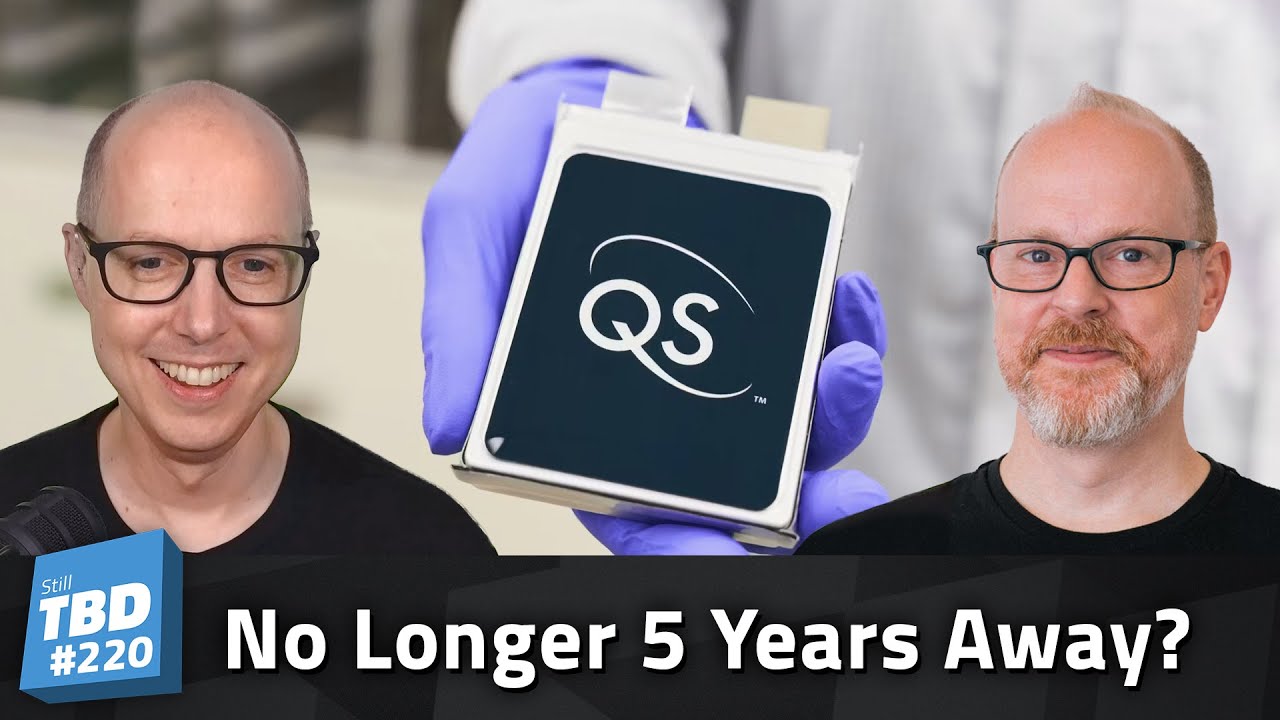
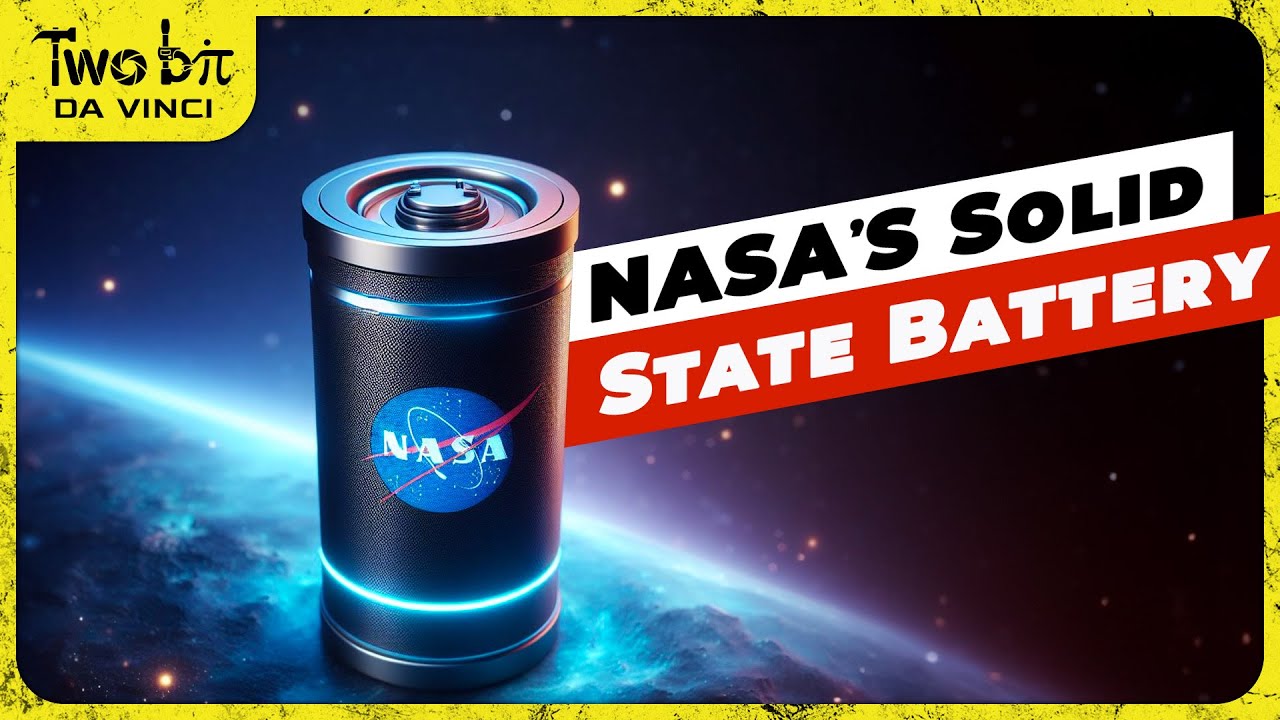
was suddenly intimidated thinking I would have to read this whole thing let me just say this as a hint to the complexity of this the word Quantum appears which is intimidating so Dr Tim Holm co-founder and CTO of quantumscape and what they are building is solid state batteries and they have some interesting new news that is coming out they've recently Inked a deal with Powerco which is vw's battery manufacturing company they are licensing Quantum Scapes technology to build out their production lines and it's a major milestone in bringing solid state batteries to the EV Market
it is a big change it's I mean you and I have talked about and it's been in the comments and we've talked about the commenters saying all you ever do is say that this is coming and it never comes and therefore liar liar and this time you're talking to a gentleman who's literally like yeah VW is going to be making these things for us so that's great yes so this is a pretty big change and we are very excited to share the long form interview that Matt conducted with Dr Holm now and I hope you
enjoy it one of the questions I always like to ask is more about you personally um I'm curious about your journey in becoming the CTO and co-founder of quantumscape like what Drew you into the field of battery and energy storage yeah I got interested in energy because I was doing my physics degree in undergrad and I feel felt that doing something technical was really fun but I wanted to do something that was going to be applied to solving real world problems and when I saw somebody doing a survey of the top 10 biggest problems in
the world things like hunger poverty lack of Clean Water it seemed that energy was a key to unlocking many of those top 10 problems and so I wanted to have a career in energy because it's something where I could apply my technical skills but also have a big impact in real world problems so just to take one example clean water is an issue if you had abundant cheap clean electricity you could desalinate water and solve that problem basically so in so many ways clean abundant cheap energy is an unlock to Life's problems it almost sounds
like you're taking a first principles approach to assessing how you ended up where you are it was like going to the root of the problem where can we start to have the most impact that's kind of fascinating yeah that's right first principal is thinking I guess I'm not the first champion of that well to kind of get started before we get into like the nuts and bolts of the latest news of quantumscape I was hoping we could kind of do kind of a level set for all the people that are watching this because I know
some people are not completely up to speed as to like what solid state batteries are could you kind of walk through a high level it's not quantumscape specifically but like what is a solid state battery and what makes it different from a traditional lithiumion battery yeah well I have a lot of empathy with people who are confused because there isn't a definition that everyone subscribes to of what is a solid state battery and to make it worse there are companies talking about quasi solid state batteries hybrid solid state batteries condensed State batteries throwing out a
a whole bunch of terms that are never even defined as to what they are which just further muddies the picture so to me a solid Sade battery is a battery that at least one of the major components is a solid state electrolyte there's an all solid state battery where all of the electrolytes are solid that is not liquid not gas not plasma but solid that's an all solid state battery and then I think a solid state battery would be a battery where at least a major component is solid state there are solid polymers that conduct
lithium so there are batteries that are made with all solid polymer conductors that would be solid state there're also batteries that use sulfides oxides various different classes of more inorganic solid materials and those all could be called solid state batteries so that kind of that gets to the root of the issue I've been seeing more recently which is there seems to be no unified definition or agreement on what it is um so some people are like if there's any liquid at all it's not solid state other people have a view of there's a little bit
of liquid or gel of some kind it's it's still and it's got still got a mostly solid electrolyte it is solid state so it's it's just kind of interesting that there's this kind of disagreement around the kind of energy storage Community about this exactly this is where the confusion comes from there isn't like an IUPAC standard definition of what is solid state battery um to me a gel would not be a solid because a gel is defined as a material where the storage modulus exceeds the L modulus so that is not a solid um but
there are solid polymers there are solid inorganic materials and to me a solid stade battery would be any of those I do think there's a distinction between an all solid stade battery that has no liquids versus if you say solid state battery that maybe isn't an all solid state and it solid state does not mean a specific chemistry for your cathode or anode it's there's a lot of variability there too right that's right so cathodes and the active material in a cathode and anode are solid materials and in lithium ion batteries or lithium metal batteries
silicon or graphite or the active material and an anode would have an iron based or a nickel-based material in the cathode those are the most common chemistries those are solid and then what's up up for grabs is what is conducting the ions in between those materials and in a a lithium ion battery today that would be a liquid material that serves as an electrolyte it's a little bit like Gatorade it's the electrolyte in your body that moves the salt around so these liquid electrolytes and lithium ion batteries move the lithium salt around between the positive
and negative electrodes and in a solid state battery some or all of those electrolytes are replaced by solid state that leads me into Quantum Scapes approach and you're using lithium metal and you have a an anodeless design for your battery could you kind of walk through the basics of how it works yeah sure so it's good to actually maybe untether ourselves from the debate about what's solid state because what's important is does what battery range does it enable in a car what um char at what is the cost those are the things that really matter
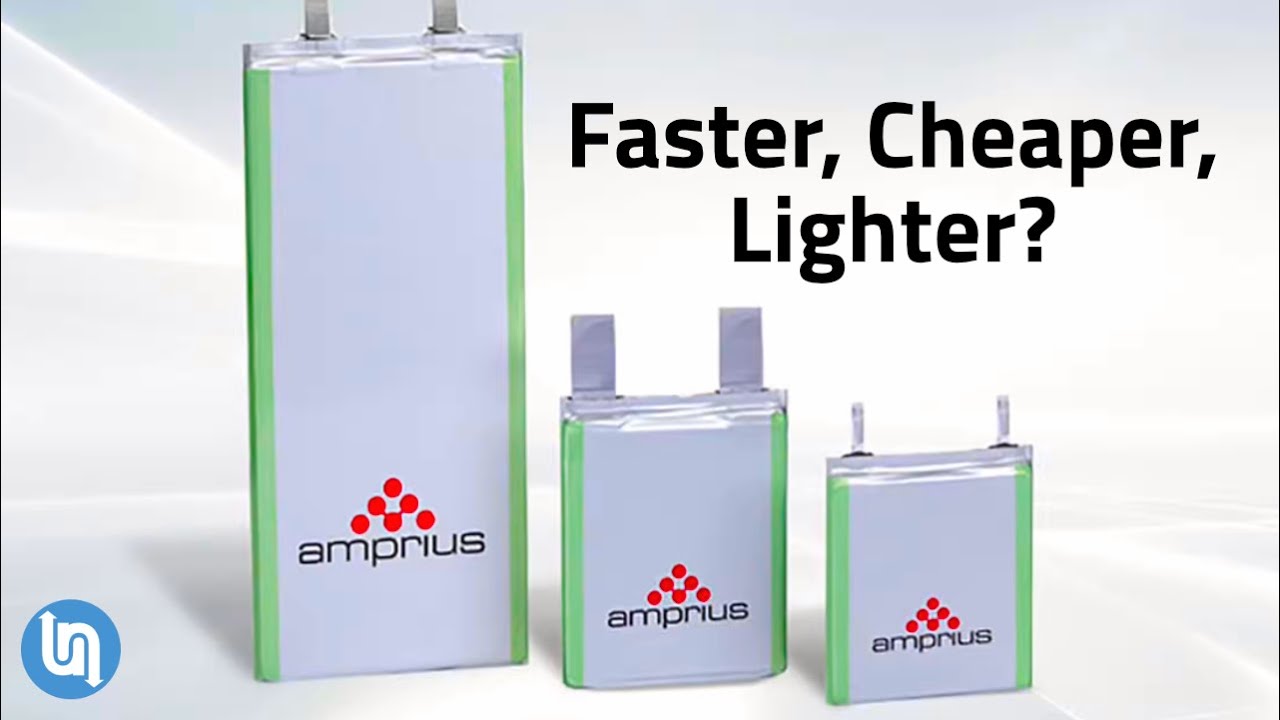
to us solid state is a vehicle to get the benefits that a lithium metal anode offers in a battery so if you the the biggest change you could make to a lithium ion battery is swapping out the host material in the anode which is carbon sometimes mixed with a little bit of silicon for a lithium metal lithium metal is lighter and more dense than if you have to include carbon or silicon as the host mat so lithium metal anode battery could be faster charging uh lighter and smaller than a lithium ion battery and in my
our opinion the solid state separator electrolyte is the thing that enables a lithium metal battery there are companies that are trying to make lithium metal batteries with liquid electrolytes and the problem there is one of dendrite formation a dendrite is an internal short circuit in the battery that is in the best case loss of function in the battery and in the worst case a safety issue so our approach is to use a solid state separator to try and enable a lithium metal anode now you mentioned the anode free design that's another key part of our
approach which took years of development to enable it was very hard a very difficult problem to solve and that is we don't Supply any extra lithium metal on the anode side in our battery all of the lithium is contained in the cathode particle just in a lithium battery when you make the the battery the lithium is contained in the cathode and it's that lithium that Cycles back and forth as you charge and discharge the battery so when we construct our battery there's no lithium and no other host material in the anode all the lithium comes
from the cathode and then forms on the first time you charge the battery and it literally like expands and contracts as you're charging it and discharging it correct that's right our battery expands and contracts by around 15% from fully discharged to fully charged a lithium ion battery will expand and contract by a couple of percent but ours expands and contracts more because the lithium has to go somewhere as you charge it up and you form lithium middle and so we did have to invent a new design for our battery packaging to allow that 15% expansion
and contraction what was the biggest challenge to get to that point was it designing that that structure that would expand and contract or were there other aspects of bringing it to that point that were more challenging right designing the package was when challenge but not the major challenge the major challenge was how to make lithium behave lithium you I have a coworker here ref a lithium like a cage tiger it just it's angry and it wants to get out it doesn't behave nicely uh if you've seen any animations of lithium plating as a nice solid
chunk of metal on the anod side it doesn't want to do that and so we had to learn a lot about the science and then therefore the engineering how how can you coers lithium to behave nicely like that and so it really came down to understanding why lithium doesn't want to behave that like that or what are all the the other failure modes that where lithium could plate in what's called a Mossy or it it might look like coral and a coral reef as lithium plates in a badly behaved system and so understanding why it
wants to do that and how to avoid that was really the big challenge that took us several years wow I mean there this is kind a quick tangent but a lot of people are super excited for sou State batteries and we've been hearing about it for so long and they're always like well where are they they always feel like they're five years away what you just described is why it's taking a long time to get to where we are because they're very complex and there's a lot that we had to learn and decipher so it's
gonna take some time to bring this stuff to Market that's right it's complicated and complex it's inside a battery you have very highly reactive constituents in a battery at the fundamental to level you wanted to store a lot of energy and be light and small therefore you want to work with reactive materials and then the problem is that these highly reactive materials in small confined spaces are touching other things and have what are called side reactions they'll react with other components of this battery like the electrolyte and so a lot of the challenge in battery
design and the science and art and Engineering of making batteries is to work with these highly reactive materials and get them to execute only the reaction that you want the one that releases energy from and not undergo these other side reactions and to do it safely which is one of the other kind of sales pitches of solid state in general is that it's safer than a liquid because liquids are the liquid electrolytes are flammable and can cause problems um how how safe are the quantumscape batteries that you're designing yeah so great question uh gas tank
isn't fundamentally safe if you have to drive a car that's something that requires a lot of energy so a lot of energy needs to be stored on board the vehicle it's my opinion that there's nothing that's going to power a vehicle that's inherently safe there's a lot of energy there and what's important is to make it engineering safe make it safe enough that you can contain any problems if they arise so a lithium ion battery like you said contains a flammable and combustible electrolyte inside it that contains quite a bit of energy that can get
released if the car is in an accident there are solid s batteries that are on a a large spectrum of safety eat it's not the case that all solid Sade batteries are uniformly safe um for example there are solid saate batteries that still have combustible polymers inside them these solid Polymer batteries that polymer is a combustible material batteries that use a lithium metal anode have lithium in the anode and the more lithium that's there lithium is a reactive material it can melt at 180° it can react if the battery is exposed it can react with
air oxygen water nitrogen and release energy as well power battery we're pretty happy to say we've we've been doing the safety testing and it's been quite safe in all the tests that we've done so far we've done tests like nail penetration like thermal stability tests that are quite harsh that are designed to probe all the failure modes of a battery that that it might encounter in manufacturing or in operation in a car so the thermal stability is a a good simulation of what would happen if one cell fails if one cell fails it's going to
be next to other cells in a battery pack and so the adjacent cell is going to get hot what you would like to see is that the adjacent cell doesn't then go into its own thermal runaway and get very hot or catch on fire and ignite a chain reaction of adjacent cells so the thermal stability test is one where you heat a battery up let it sit hot for 60 or 90 minutes and then see if it catches on fire or releases its energy and so we've recently released a little bit of our own safety
testing where we can take our batteries up to 200 degrees and above without going in the thermal Runway and that was very impressive result I think many of the other Benchmark cells that we've tested or that you could read about do go into thermal runaway somewhere between 100 and 200 degrees celi so that kind of leads me into the latest news the big news that's coming out recently from ccape which is that you've partnered with Powerco which is Volkswagen's battery manufacturing division for them to manufacture quantumscape batteries uh directly um can you talk a little
bit what what the deal is and what it means so we're really excited about this licensing deal we have with Powerco it means that first of all it's a validation of our technology they've been testing many generations of our samples over time they've got a really deep understanding of of our technology the the stage it's at and the maturity and then second of all because they're putting real engineering real time to work um subject to us meeting some milestones in the future they'll be paying us for the technology and they'll be investing in the scale
up buying the capital equipment and and paying for a lot of the learnings that we're going to go through as we scale up so initially we'll have a collocated team from Engineers of quantumscape and power Co working to design the scale up equipment so that it can slot into their gigafactories into their production processes as quickly as possible so we're really excited about a validation of our technical approach from people who are really deep battery experts and have sampled Our Generations of Technology over time and second the fact that they're going to be putting real
Engineers real time real dollars to work to commercialize our technology so it sounds like the immediate next steps are kind of forming that team that will start that joint process exactly and so we are in conversations with them constantly uh right now in fact other others are in conversations with them about forming the joint team and what are the first steps that we need to take I'm assuming it's way too early to ask about timelines like when you think they might be up and Manufacturing their first batteries or not well of course we're both aiming
to accelerate as quickly as we can to Market I think they're going to be ating a lot of the timelines not only when it goes into production into their factories but also in into the vehicles which is what you're going to ultimately care about so they'll have to design vehicle programs that take into account the battery timelines and so that's really probably a better question for Volkswagen and Powerco how do you foresee that this partnership and going into licensing is going to influence the solid state battery Market at large well we're hoping that this deal
is a template that we could execute with others as well um so this is a non-exclusive deal and we have have planned to be talking with other car makers about executing something along these lines so that we can use this deal as a way to to basically pave the road for our future deployments we're hoping that this first deployment will demonstrate the promise of the technology and do a lot of the drisking solve the problems of scill up so that we can then follow on later with with others and there's a giant market out there
for electric vehicles I think a big appetite for better electric vehicles ones with longer range faster charge time better safety lower cost and we're hoping to address all of that is the licensing approach changing the direction of what kcpe was originally planning to do or was this always kind of like in the cards for what you guys were going to do I'm kind of curious like did you have plans for ramping up your own manufacturing plants and do you still have that on your agenda yeah good question so we've been open to this licensing business
models in the past but also thought that we might have to stand up our own manufacturing facility as a first step to do the drisking ourselves before other companies would feel like it was sufficiently mature that they could jump on that as well I think this is a really interesting data point suggesting that at least one major company thinks that the Technology's already been der risked enough and is promising enough that they're ready to bet on it now so at this point our main focus is let's make this successful and then in parallel let's let's
line up a pipeline of deals after this okay so one of the followup questions I have to the licensing is what do you know what the biggest challenges ahead of you guys might be in the this collaboration from like a I guess this the question I'm asking is from like a VW point of view like what what's the biggest challenges from their perspective in licensing a Battery Technology and from your perspective what are the biggest challenges that you're going to have to try to overcome in giving somebody else that technology yeah the challenges are really
around scale every time you step up in scale there are going to be a new set of challenges to learn and a lot of them are going to be challenges You' never anticipate the first time one makes a battery inside a lab it might be a what's called a coin sell about a the the thing that powers a watch right a watch battery that's about a millatt hour device and the gigafactory makes on the order of 10 gwatt hours of batteries per year there are 13 orders of magnitude difference between that first lab scale device
and a gigafactory scale and so the first few orders of magnitude are pretty easy the last few orders of magnitude get large and big and expensive with really big equipment so each time one scales up in an order of magnitude of production that's usually using new equipment that new equipment has to be designed built and qualified and day one when you turn on a piece of new equipment usually it produces scrap junk basically and then you have to learn how to operate the equipment how do you set all the knobs and dials so that you
can increase the yield and so the big challenges the big set of learning for them and for us is going to be designing and building the new equipment and then qualifying it that is getting yields from low to to high manufacturable level of yield if you look at a lithium ion plant that's BAS basically a copy exact so you're a a mature lithium ion producer and you're just copying your plant it can still take three or four years before that plant is profitable before it has high enough throughput utilization and yield to be turning a
profit and this is not going to be a copy exact this is going to be a firstof aind technology so it does take time to learn I it's funny because I hear that no matter what the industry is batteries are not every person talks about how ramping up manufacturing is one of the biggest challenges is because there's this constant learning and retooling and learning and retooling they kind of really perfect it to make it a profitable Endeavor to manufacture whatever you're doing on that I did have a question for you like for your internal manufacturing
and your testing and R tooling and figuring all this out what stage are you at right now with how your manufacturing process is working what are you capable of doing right now okay yeah so in the automotive industry they have this series of samples called a sample B sample C sample an as sample is a prototype that demonstrates the main proof of operation but it might be for example handmade or not scalably made a b sample is then used using the actual production processes and a c sample comes off of the production line so we've
now done a couple generations of as sample that we've provided to customers the first one was in 2022 since then we've made improvements to the a sample and our targets by the end of this year are to be doing our final a samples and initial b samples and then to be next year scaling B sample production and so that's the maturity that we're at um we have had to make I think some pretty exciting improvements in our production process which we've called Raptor and Cobra so the main part of our our technology is the solid
state separator that we've had to invent the way to make it in a high quality fashion um and we've done that in three different steps there's the generation we're on now which I think produced World firsts in many ways as far as I know it's got this amazing ability to work with a lithium free enode at low pressure at low temperature at high rates all of the most challenging use conditions but then we've had to improve that process to make it more scalable low cost higher throughput we've done that in two steps the first that
we call Raptor which is being deployed this year to make our first B samples and then the second that we call Cobra which is the most scalable version of the process that that we can imagine at this point and that we intend to start deploying it initially this at the end of this year and get into our production process next year and this is a this is a really exciting development that has been several years in R&D here that's allowing us to make our separators in a very scalable process that would would be what we
think is required to meet our commercial cost targets yeah I had been reading about that a while back about Raptor and Cobra and the changes and what it meant um and it sounded like a really kind of I don't want to use the term breakthrough too much but it felt like kind of a a big leap for you guys uh going up the way you can exactly I I think it really is that we had to really go back again to First principles and rethink what are we trying to accomplish we're trying to make a
solid state separator that's very cheap so how can you redo the entire process flow so that there's as little wasted components as possible as little electricity uses as possible um that all the value ad we're putting in ends up in the final product and that that took a lot of research one question about the kind of final product from a customer perspective when they go to buy their VW that has the quantumscape battery pack inside of it that technology what is it from a customer point of view that they're going to see like is there
a faster charging rate they're going to be seeing is there a better range that they'll be seeing like what are the benefits that this will bring to the customer so we're hoping both we're hoping for longer range and faster charge lithium ion batteries or all batteries have a fundamental energy versus Power tradeoff where if you design the battery differently you can get more power and less energy a simple way to explain that is if you build a battery with very thick anode and cathode electrodes you're putting a lot of energy into the battery but it's
slower to charge because a lithium ion has to move the wholeway from the bottom of a cathode to the top of the anode as you charge up the battery so there's there's a tradeoff where you could make everything thinner and then have a battery that charges faster but has less energy our batteries will have the same trade-off but we're hoping and have shown in our initial prototypes that it can have both higher energy and higher power so we're targeting the 10 to 80% charge in 15 minutes while having a higher energy density which would enable
a longer range if the car maker puts in more of our Batteries Now the other important metrics for batteries would be safety cost and lifetime we're also hoping to improve on those as well now in batteries improvements on a lot of metrics simultaneously is extremely hard to do we call it the end problem end cost and Lifetime and power and energy it's very hard to do all simultaneously you can't can trade one for the other but I don't I think it was not since the lithium ion battery was introduced in 1991 that a battery improved
on all five metrics simultaneously and that's what we're hoping to do in our technology right is it the kind of thing like we can expect to start to see again this is timetables so this is very you may not be able to answer this but like five years from now 10 years from now we're seeing more cars on the streets with this kind of a battery pack in it yeah I think so so if you look at EV adoption uh it's been fast and accelerating in the last few years and then in the last couple
months there's been talk about oh is it slowing down um so if you're bullish on EV adoption you would think well electric vehicles have a lot of benefits off our consumers if growth continues as it has in the past there'll be a lot of electric vehicles out there and therefore our product would have a giant market if you're more bearish on EV adoption and you think there is something behind the recent slowdown well if you look at uh surveys of consumers the reasons that people aren't buying EVS today they would site things like range anxiety
cost charge time charging infrastructure and those aside from the charging infrastructure those other three are issues that our battery is designed to address we're hoping to enable faster charge and cheaper and longer range all at once so even in the bare case we think that our product is there for enabling of more rapid adoption of electrification so yeah I do think that if if you're bullish or bearish on EVS there there are going to be a lot of EVS in the future and um I think our technology hopefully can address it that that was one
of the main motivations for me when I got into working in this space is that's trying to accelerate the electrification of Transportation which is why this licensing deal is such a a big deal because it's it's it's going to accelerate getting your battery technology out there exactly yeah thanks Matt that we now have a partner that's really incentivized to work as quickly as possible to get it into market and to get it into their vehicles there was not going to be an extra handoff from Battery maker to car maker I do have a couple of
final questions for you that kind of broaden out a little bit it's not Quantum Escape specifically but are there any other emerging Technologies or trends that you're seeing in the energy sector or the kind of this this realm that currently work in that're getting you kind of excited are there any other trends that you're starting to see kind of Bubble Up yeah well I guess the trend that's on many people's minds especially here in Silicon Valley is AI and I've been thinking for many years about how we could use AI in our products and it's
not that your battery will have ai in it necessarily but in our manufacturing process we do use a lot of machine learning models computer vision models to improve the quality and uh accelerate our learnings internally so we measure the components in all the ways that we can as we're building them to create the battery and we monitor their quality a lot of that monitoring does happen using AI or machine learning tools some of which we develop in-house and some of which we've done with a partner that is really specialized in developing Ai and Manufacturing environments
they're called Landing AI we're happy to work with them but that is one of the trends that that's happening you know in the not just the energy industry but but across the board and I think we're pretty well positioned to to ride that wave that's really cool to kind of keep refining the manufacturing process get more precise about how everything works that's that's really really cool um one of the other questions I had for you is I like to ask this of innovators like yourself what advice would you give to a young engineer or scientist
who's passionate about joining the energy storage industry or just sustainable Technologies what advice would you give them well first of all I think it's a great field to pick I I think energy is going to be pivotal to humanity for the foreseeable future as it has been in the past if you look at correlations of GDP or human well-being human thriving with energy usage there's a very tight correlation over time where as we went through the Industrial Revolution and Adoption of fossil fuels we've used a lot more energy per capita but also derived a lot
of benefits that of course fossil fuel use has presented a lot of problems that we're now here to solve so there are no shortage of problems to to dive into and it's really important to improve the lot of humidity for us to develop cheaper cleaner sources of energy that are also hopefully sustainable and renewable so it's a great field to pick and then I guess other advice would be pick a specialty area that you're passionate about and dive in deeply so whatever whatever that is whether it's Material Science which I think is very applicable in
AI or engineering there electrical engineering mechanical engineering chemical engineering all these fields will have a lot of applications to energy so dive in deep build up a lot of expertise make yourself indispensable uh to to some player and go for it that's awesome yeah there there's a there's plenty of opportunity out there you just kind of have to reach out and grab it yeah um is there anything else that you'd like uh my viewers to know about what's going on with quantumscape your technology and the future of what you're doing is there anything we haven't
touched on that you'd want to touch on what we're doing here is very challenging so the the criticism that oh solid save batteries have been five years in the future for for the last five years or they will be for the next five years I think people who have that point of view um it it's it's well to have a healthy skepticism and look for data to underly any claims that are reported um but that said I do think that there's been an exponentially increasing interest in lithium meal anodes and solid state batteries in fact
if you look at number of Publications in those fields they literally have been rising exponentially so there's a lot of interest in better batteries so healthy amount of skepticism is is appropriate however with so many Brilliant Minds so many dollars now going into this space I think it is reasonable to expect an accelerating rate of progress and commercialization at at some point in the near future and we'll all be excited to see that I think no matter which company is the first to commercialize the technology it will I think change the world that's a really
good call out I like that call out because I I I'm always battling that it's like I I I understand the skepticism but at the same time it's like it's going to happen it's just a matter of when it's not an if and you're as you pointed out it's accelerating a lot so yeah that's a really good call and to the point of when I think a lot of people think of this as like a race to the solid state battery and the first company to achieve it is is a winner I think a race
is not really the right metaphor in business in general you know if you think about who who made the first solid state memory device in a laptop it's not like that company became the dominant company that supplied memory for all laptops in the future no they still have to win every product cycle uh same is true in in almost every competitive business domain so uh a race might not be the right metaphor now that's not saying that I'm not motivated to move as quickly as we can but just maybe as you think about this field
try and adopt a different mental construct there's not I I say this a lot in some of my videos it's like there's not one battery to rule them all there's not one technology to rule them all there can be multiple and they'll find their spaces and their niches and they'll figure out what works for them and they'll come out with new products that may dominate another Market but not another one so it's it's I think you're another good call out it's not a race it's it's kind of a a group effort of figuring this out
yeah in a future that has terawatt hours of batteries all sorts of different applications whether it's stationary grid storage over months or weeks or hours or minutes whether it's electric vehicles drones EV toall electronic devices I I think you're right there's a giant market many different markets that have different requirements and it's not necessarily the case that there'll be one battery that suits all the those needs yeah exactly I really appreciate your time that you've given me today it's been great catching up and talking about this and I'm very excited about this news with your
deal with uh Volkswagen it's really exciting to see you guys getting batteries out there into cars eventually on the road I'm super excited to see that coming to fruition great well Matt thanks a lot for your support and it's great talking with you it's always good to ner out about batteries always so Matt and my thank to Dr Holm for taking the time to sit down to talk to Matt and viewers listeners what do you think about this please jump into the comments and let us know and of course we will visit your comments next
time when Matt and I sit down to talk about this and his more recent episode on undecided your comments really do Drive the content of both programs we appreciate you're taking the time to do so and if you want to support us in other ways there is of course subscribing there is leaving review and there is sharing this with your friends those are three easy and affordable ways for you to support us and if you want to more directly support us I.E use some of your money you can click the join button on YouTube or
you can go to still tbdm and click button there both of those ways allow you to throw coins at our heads we appreciate the wels and then we get down to the business of me embarrassing my younger brother thank you so much everybody for taking the time to watch or listen and we'll talk to you next time [Music]