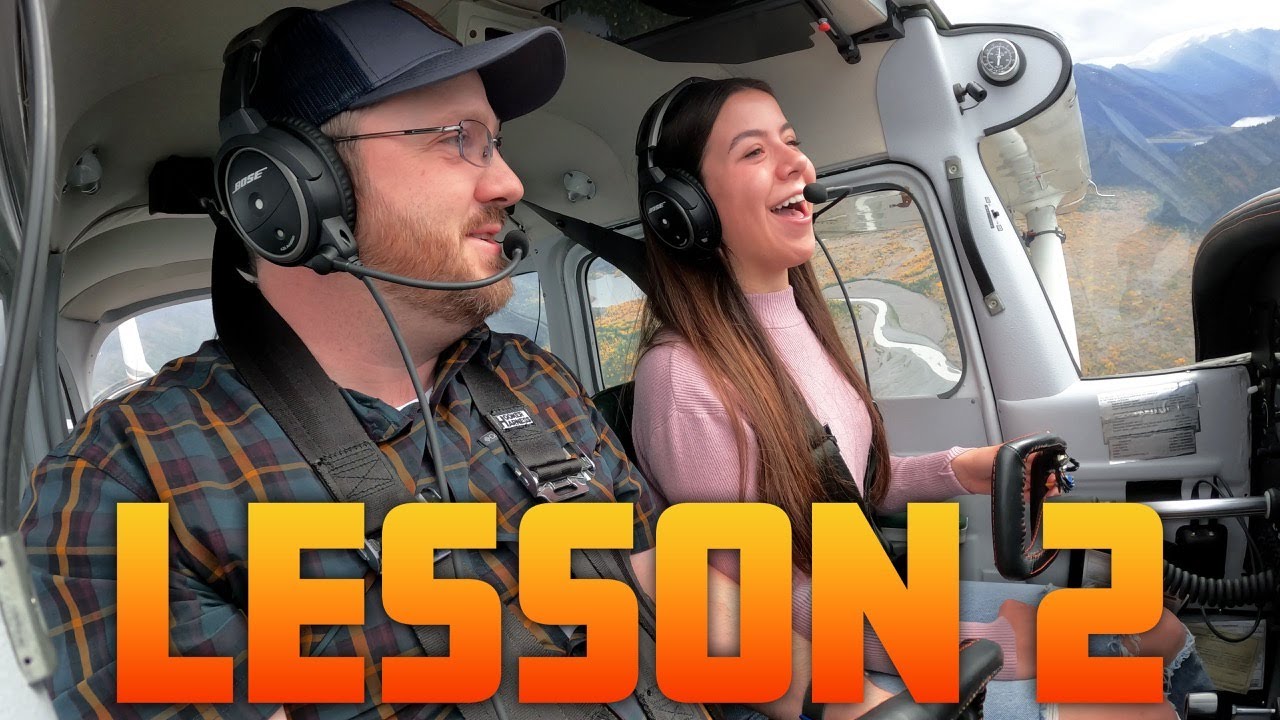
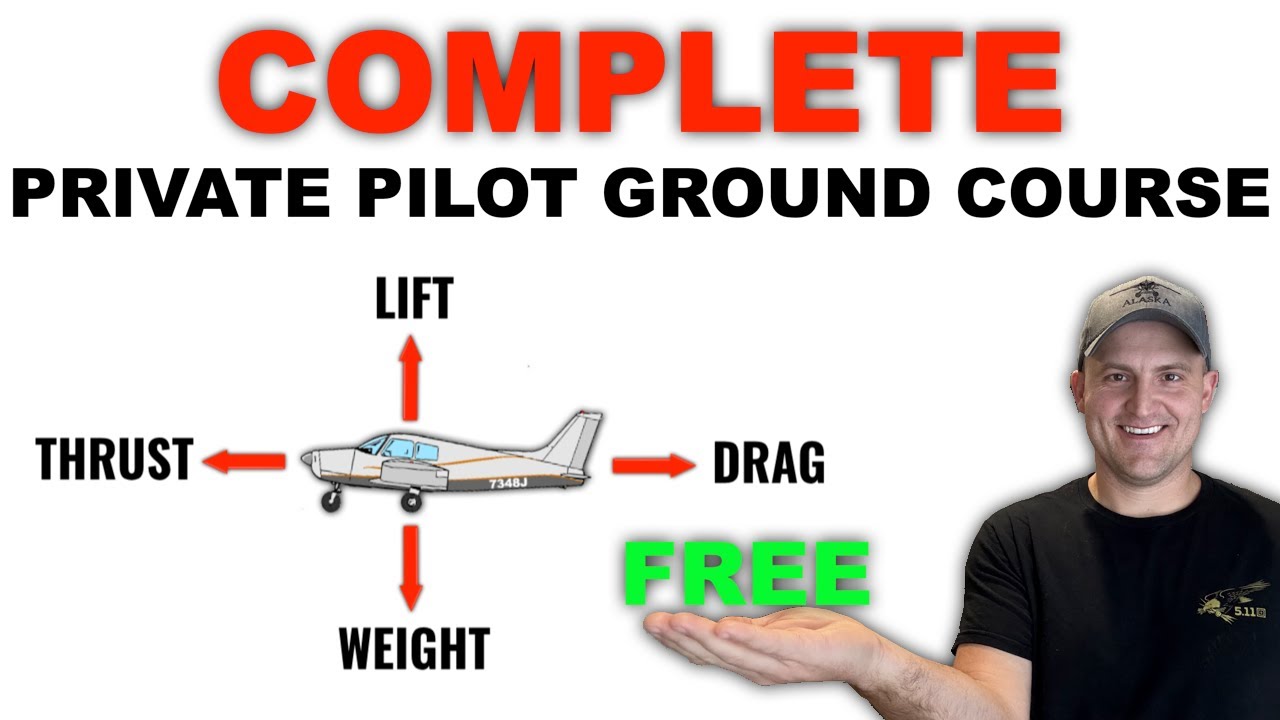
what's up aviators and welcome to Private Pilot ground lesson 2 from free pilot training I'm Josh and this is my father-in-law Mike and today I've got a super important lesson for you on how an airplane creates [Music] lift if you want to learn how to fly you really need to have a good understanding of some basic aerodynamic principles in the last lesson we talked about the four forces that affect an aircraft in flight but today I want to focus on lift I mean I'm no expert but I'd say that lift is a pretty important part
of flying wouldn't you now you may have noticed this but airplanes have these things called wings and wings are an important part of creating lift actually on most airplanes they're the only part that creates lift anyway our wings use two things to create lift relative wind and the shape of the wing now I don't want to insult your intelligence but as I mentioned in the last video lift is an upward force that opposes the weight weight of an aircraft and everything on board remember in steady unaccelerated flight lift equals weight but if we want to
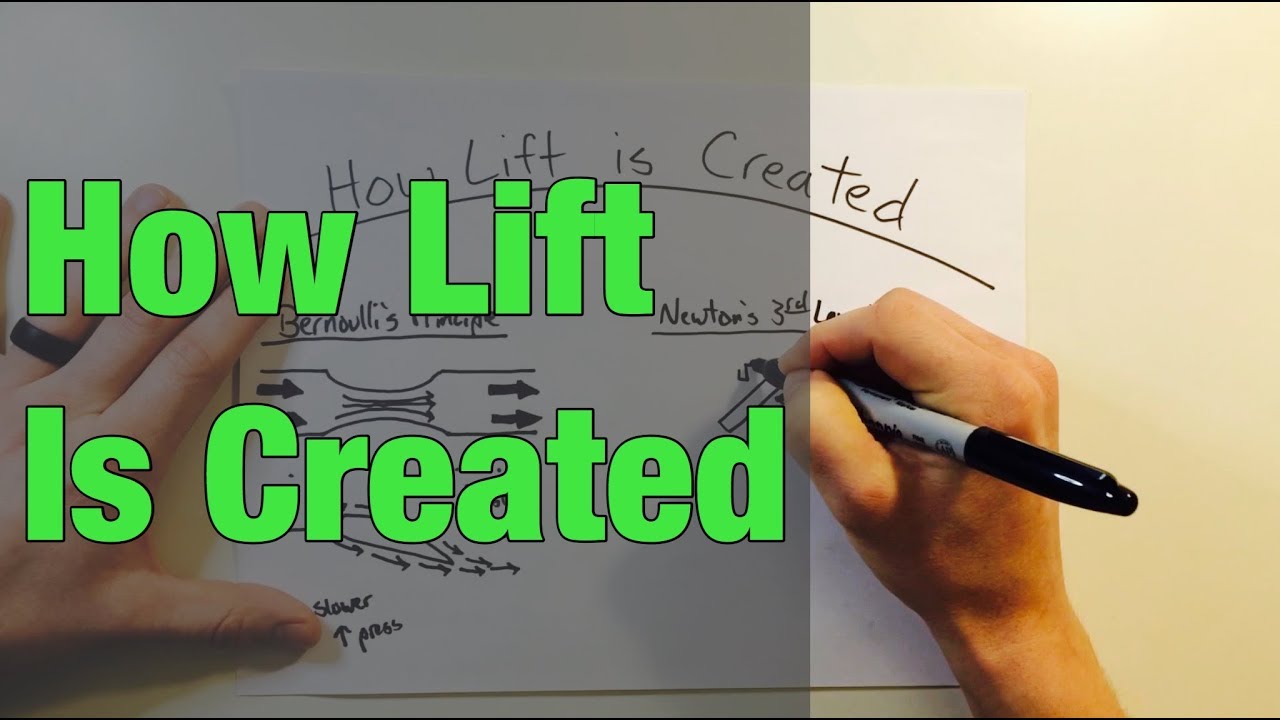
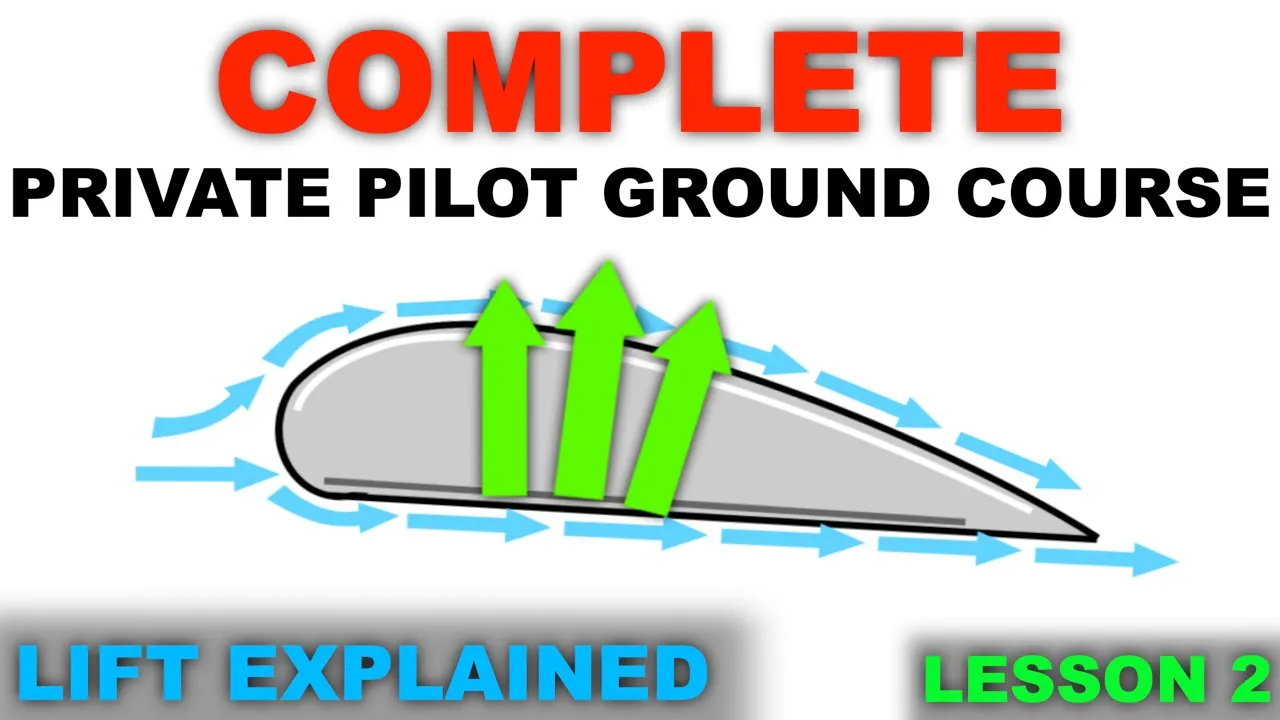
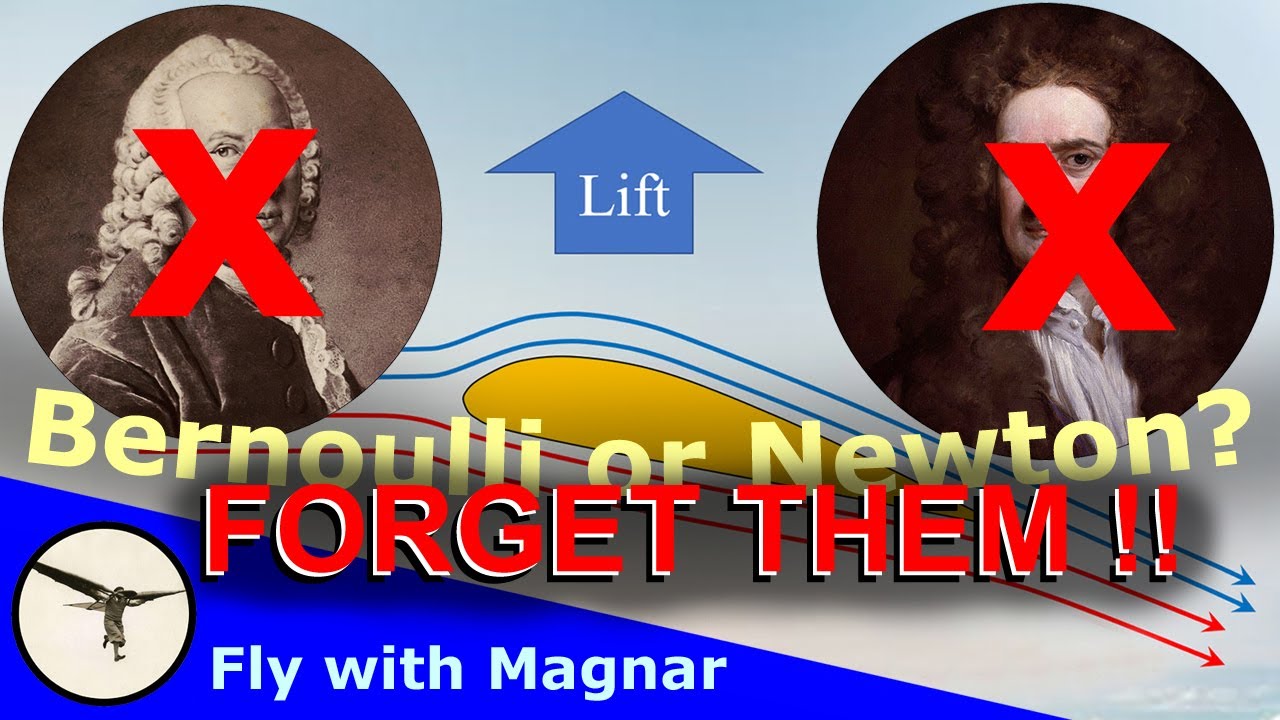
climb or create more lift we have to do something we'll get to that more in just a minute but for now let's take a look at how an airplane creates lift now there are really two ways that an airplane creates lift and we're going to discuss both but for the written exam they're mainly going to want you to know about something called Bern's principle so let's take a closer look at that in a nutshell berle's principle states that as the velocity of a moving fluid increases the pressure within that fluid decreases narrow areas like this
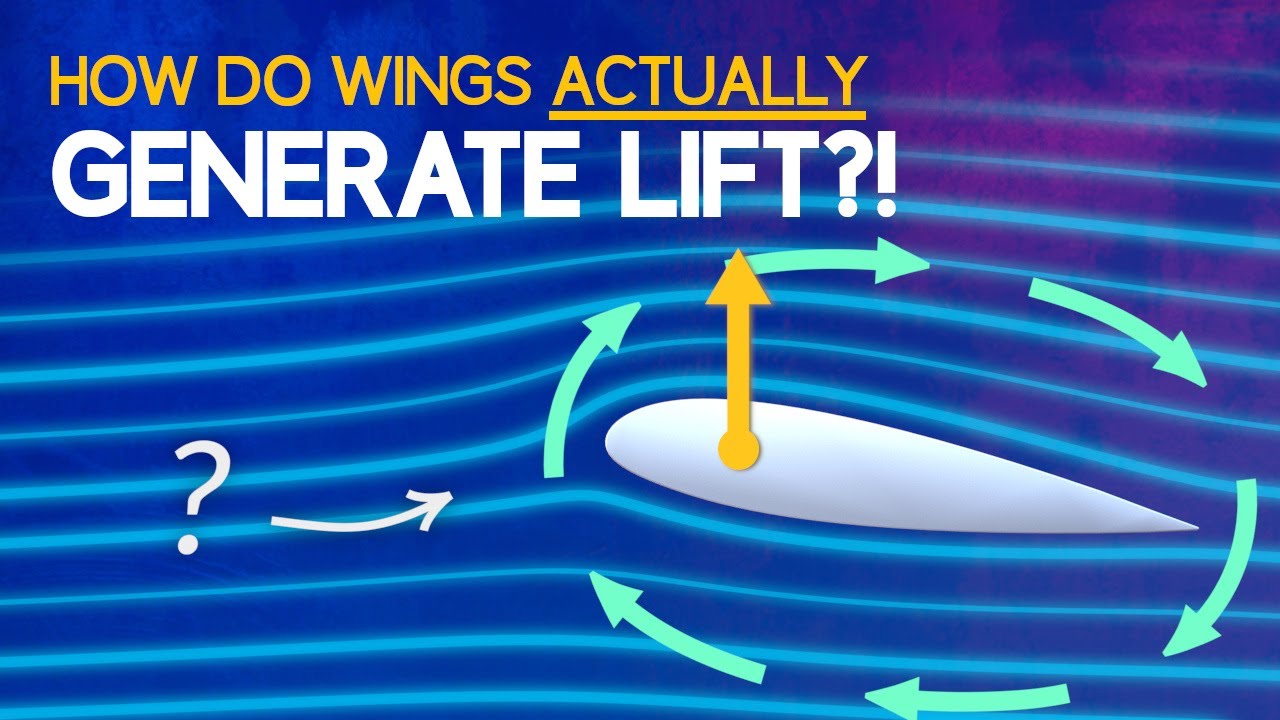
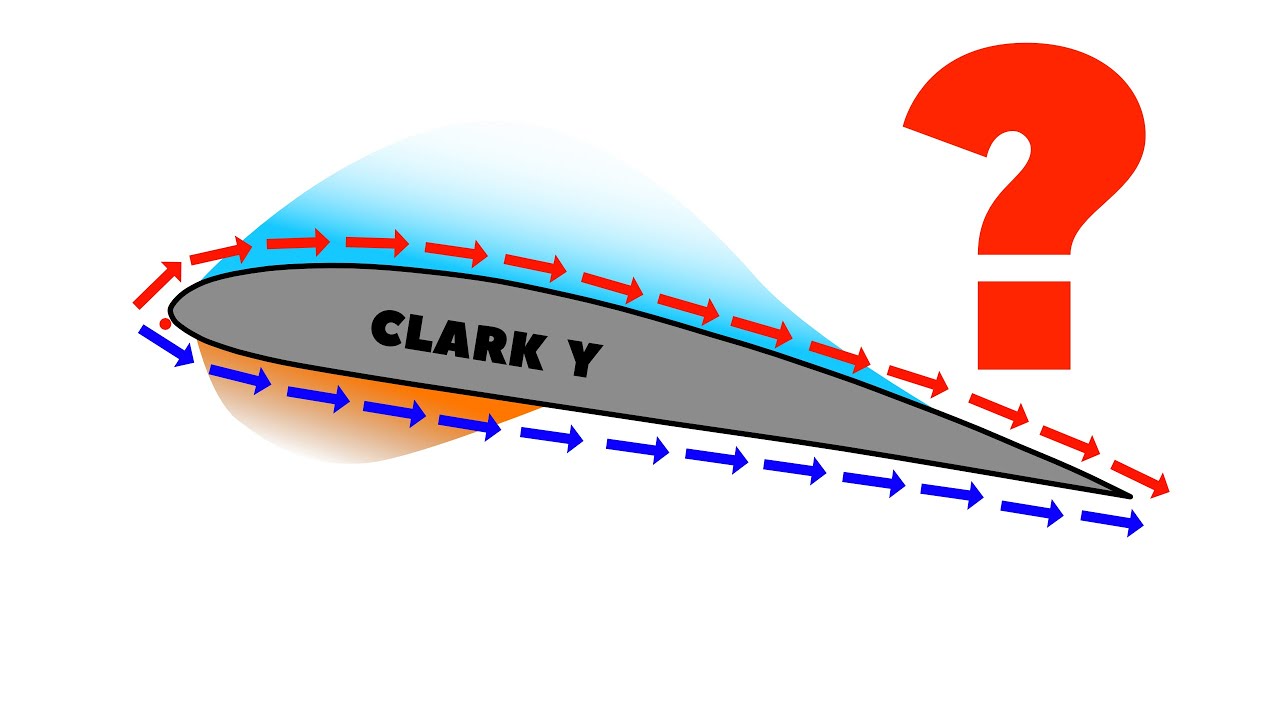
Force the fluid to increase its speed you'll sometimes hear these narrow areas referred to as Venturi and these Venturi areas decrease the pressure when they increase the velocity of a fluid in other words this increase in speed causes a decrease in pressure now just like an aventuri the curved surface of the upper Wing forces the air on top of the wing to travel faster than the air on the bottom of the wing this creates an area of lower pressure on top of the wing and an area of high pressure on the bottom of the wing
and what do you think happens when you have low pressure on the top of the wing and high air pressure on the bottom that's right the high air pressure pushes the wing up which actually creates an upward force and this is what we're calling lift now to increase that lift we can do a few different things one of the ways is to increase the speed of the air going over the top of the wing we call this air going over and under the wing relative wind because this is a combination of multiple different types of
wind you've got wind that's caused by the thrust of the aircraft and as we increase the thrust that our aircraft is producing the speed of that air going over the wings increases as well then you've got something called prop wash which is actually the backwards wind that's caused by the propeller pushing the aircraft forward this would be like a fan blowing on you when it's hot outside you also have the actual wind outside that you have absolutely no control over sometimes you have a headwind that helps you create more lift and sometimes you have a
Tailwind that takes some of your relative wind this is actually one of the reasons why we take off and land into the wind this gives us the most amount of relative wind possible so our wings can produce plenty of lift the other thing we can do is to change the shape of the wing and we can do that a couple different ways now another name for this side angle view of the wing is called an air foil and when we change the air foil design and make it more curved on Top This increases something that
we call the camber of the wing this simply means that the air on top has to travel a farther distance than the air on the bottom so must travel faster in order to meet the air on the other side this creates even less pressure on the top of the wing which creates more lift but this actually increases the drag on the airplane as well so you can't fly as fast so increasing the camber increases our lift but it also creates more induced drag one of the ways we can increase the camber on our wings is
by lowering the flaps on our aircraft this lengthens the upper surface of the wing which creates more lift but it also increases the drag on our airplane another way we can increase the lift that our wing produces is to increase the angle of attack now I'm going to go into a lot more detail on this in the next lesson but in a nutshell this just means that we're raising the nose of our airplane so that the relative wind has to travel a farther distance around the upper surface of the wing as you can see our
lift is increased when we do this because that wind on the top has to travel a further distance just like it did when we increased the camber but once again increasing our angle of attack increases our induced drag because we're exposing a bigger portion of our wing to the relative wind another thing that creates lift is Newton's third law which says that for every action there's an equal and opposite reaction now we know that Boli's principle creates lift by creating lower air pressure on the upper surface of the wing but in addition to that air
can strike the lower surface of the wing and push it up when relative wind hits the lower surface of the wing it pushes the wing up and back and as you can see when we raise our wing to a higher angle of attack there's more surface area on the bottom of the wing that's exposed this allows the of wind to push the wing up and back even harder so as we increase our angle of attack lift increases but drag also increases when we do that as well right now you might be thinking who cares I
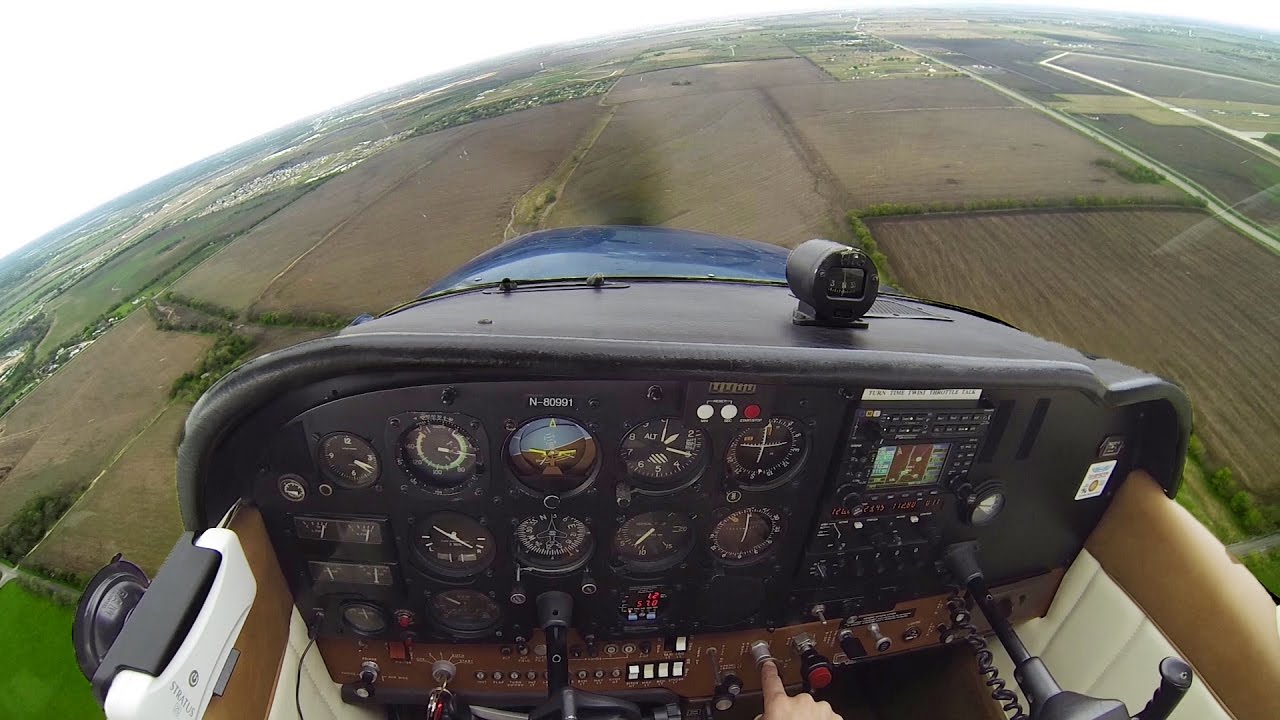
want to fly airplanes I don't want to be a NASA engineer well me neither but check this out now that we know the things that cause lift we can start using that knowledge to control the aircraft right now I'm trimmed out for level unaccelerated flight but I want to increase my lift what's something I can do well one of the options is to increase my air speed I'm not pulling back on the Yol I'm simply increasing my air speed watch what happens to my altitude when I do that okay I'm I'm trimmed out for level
fly the airplane just kind of flying itself here all right so I'm going to increase power and increase my air which will increase my air speed and watch what happens to my lift so power's increased let SWAT the airplane I'm using the rudder to stay straight ahead here but notice we're starting to get a climb look at this all I did was increase this thrust and that increased our air speed and that increased the lift that came that's coming over the top of the Wings okay so what's another way we can increase our lift well
I can increase the camber of my wings so let's lower the flaps and see what happens all right so it looks like we're in the wide Arc I'm going to go ahead and lower these flaps see what happens here notice how the airplane is starting to climb here okay that's all we had to do is lower those flaps to increase the camber of the wing all right we got a good air speed I'll start raising those flaps back up when we first did that you probably noticed the air speed yes we were creating more lift
but we're also inducing more drag so that caus the air speed to decrease and once again I can increase my angle of attack and this just means to pitch the nose of the aircraft up and you'll notice that when I pitch up and increase my angle of attack that my air speed is starting to decrease here as well because I'm inducing more drag all right so we're not climbing we're at 2600 ft here all right so all we got to do here is pitch up and just watch that air speed bleed off I'm increasing my
angle of attack so my air speed is bleeding off so I'm creating more lift but I'm also causing a decrease in air speed now you know how an airplane creates lift and in my next lesson we're going to talk about something you could do that could cause a rapid loss of lift and if you're not expecting it it can be Pretty stinking SC and I'll put that video right here when you're ready to get learned
![Landing SECRET your Instructor won’t tell you [How to Land]](https://img.youtube.com/vi/JlYpKtkfn2M/maxresdefault.jpg)