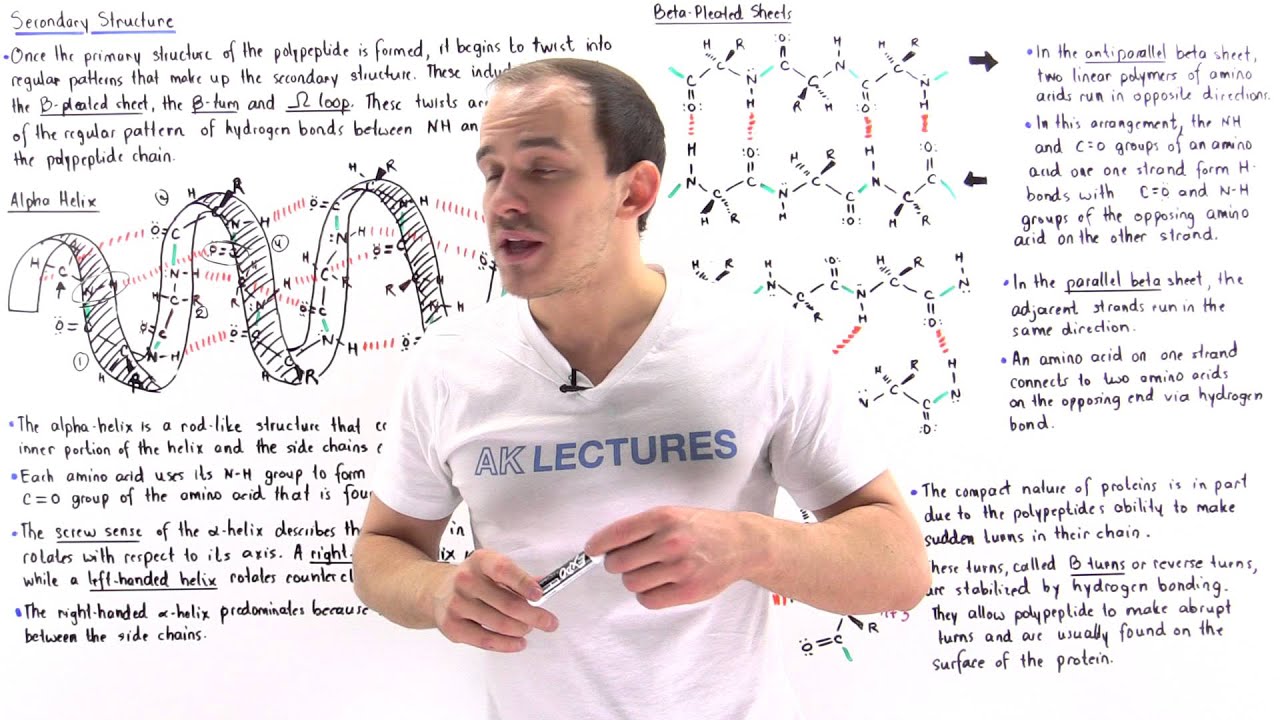
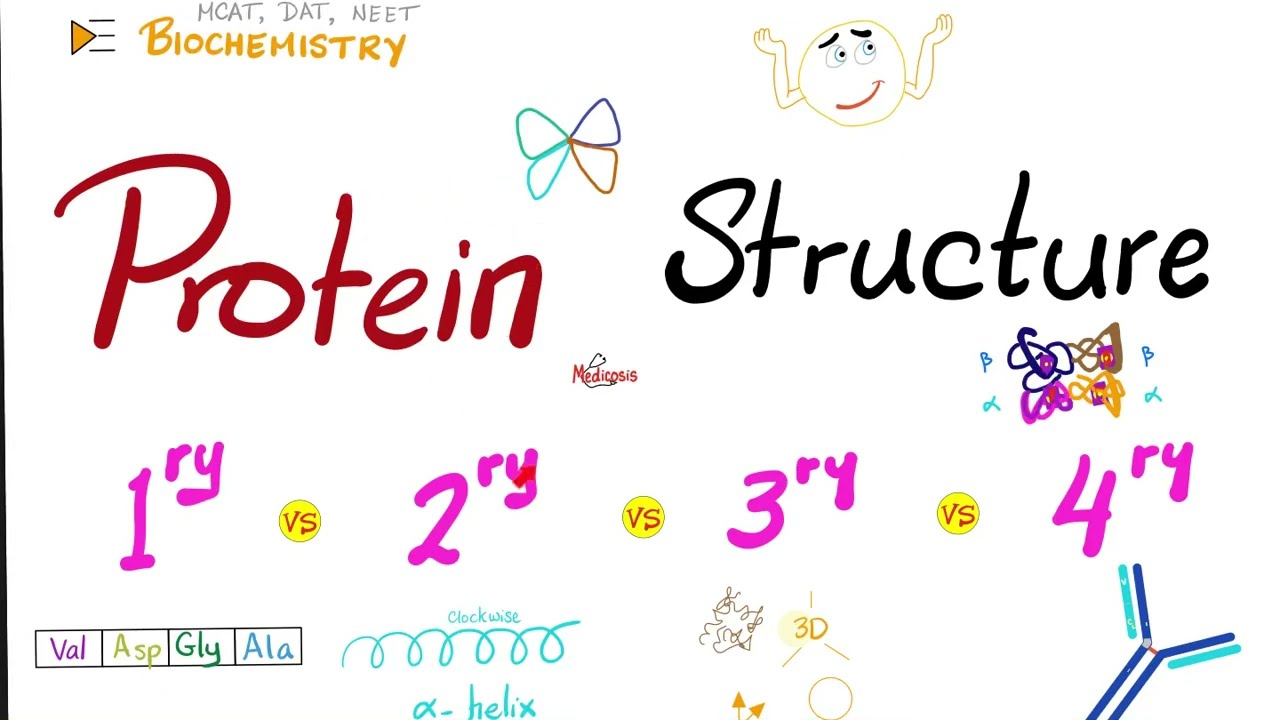
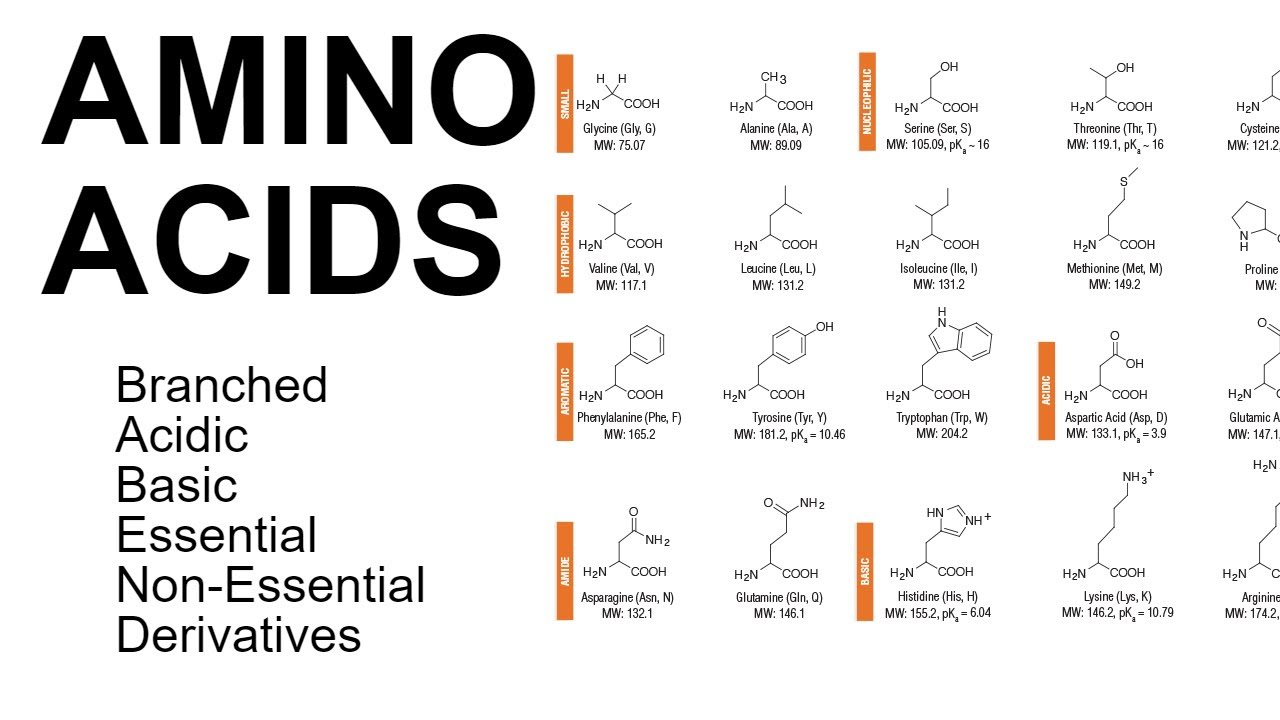
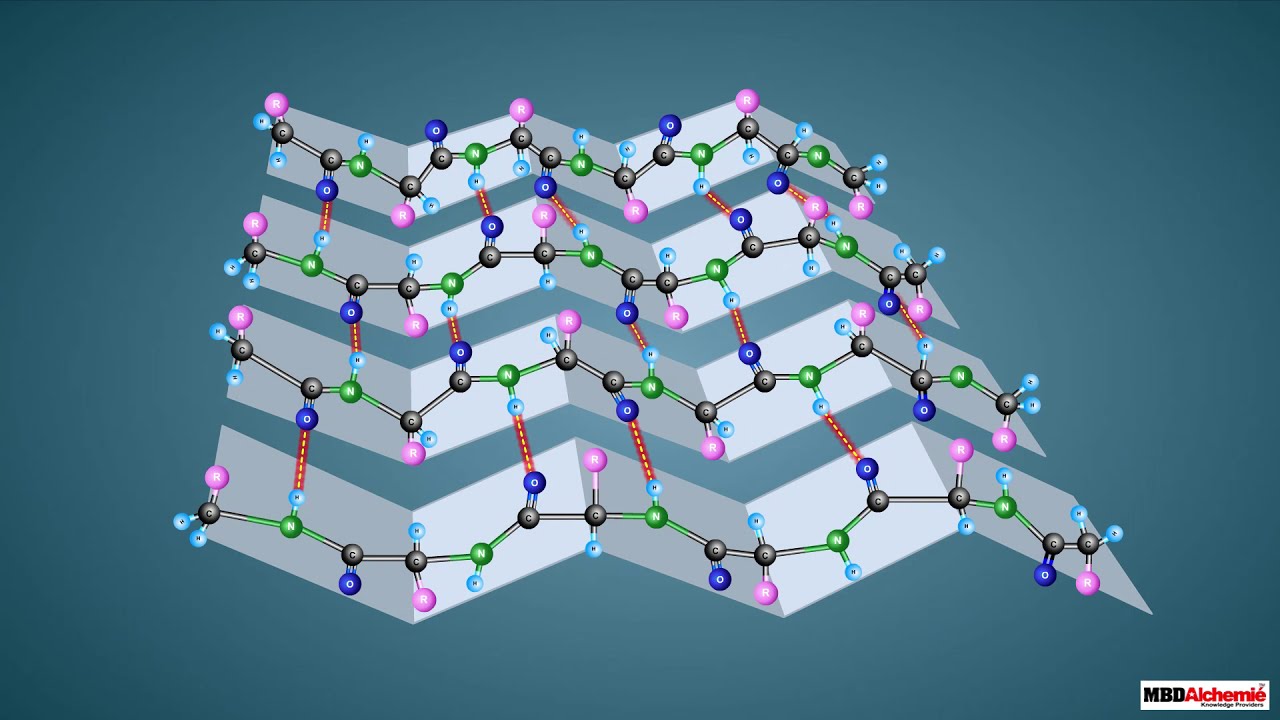
protein structure has different levels and so far we focused on three of these levels so we begin our discussion on primary structure and we said that primary structure is the sequence of amino acids within that polypeptide chain then we moved on to the secondary structure and we said that secondary structure is the spatial arrangement of those amino acids it's the interaction of those amino acids that are found in close proximity on that polypeptide chain and we said that secondary structure consists of these regular patterns we call Alpha helixes Beta pleaded sheets beta turns and Omega
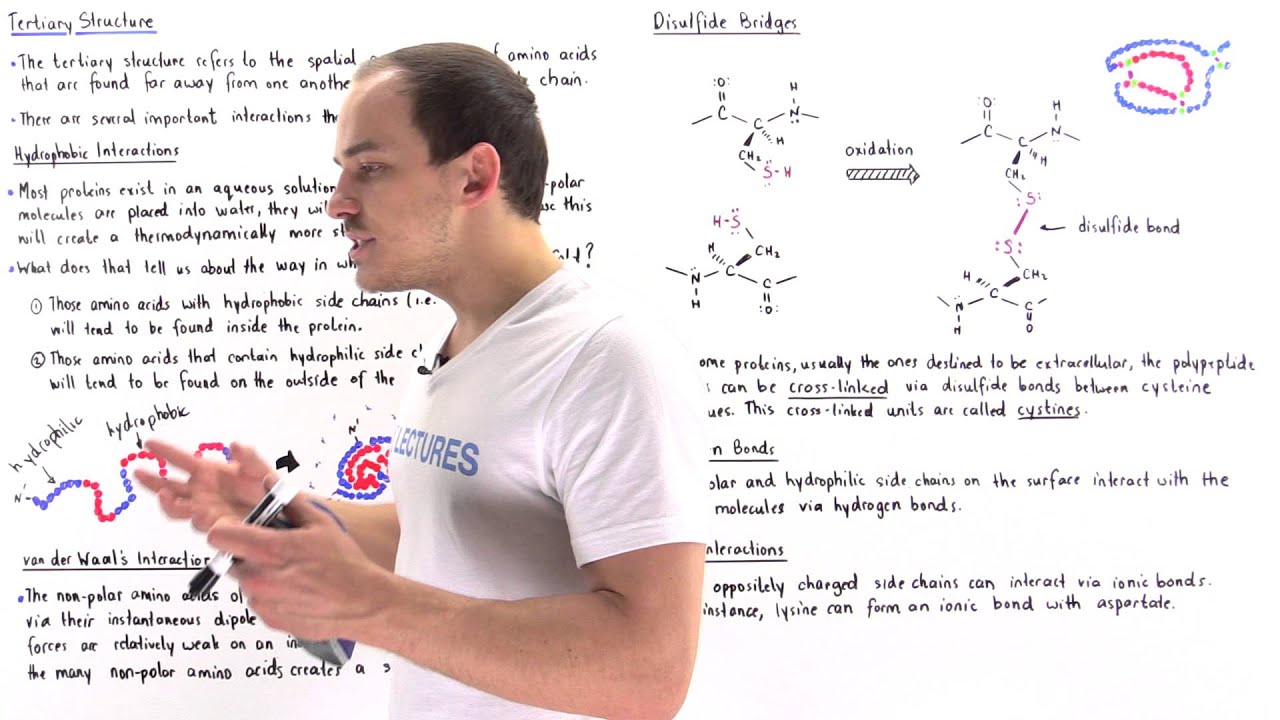
loops and finally in the previous lecture we discussed tertiary structure and we said that tertiary structure is the interaction it's the spatial arrangement of those amino acids that are found far away on that polypeptide chain in this lecture we're going to focus on the final level level of protein structure so all proteins contain primary structure the majority of proteins contain secondary and tertiary structure and some proteins also contain a fourth and final level of structure known as quinary structure so a protein is set to have quinary structure if that protein actually consist of two or
more individual polypeptide chains and the quinary structure is basically the interaction of these polypeptide chains with respect to one another now the simplest type of quinary structure is a dimer in a dimer we have two individual polypeptide chains and these polypeptide chains can interact usually via non-covalent bonds but sometimes we have coal bonds such as disulfide Bridges disulfide bonds that also hold those individual polypeptide together together now generally speaking whenever we have quinary structure those individual polypeptide chains are also known as subunits so for example in a dier we have two subunits in a Trier
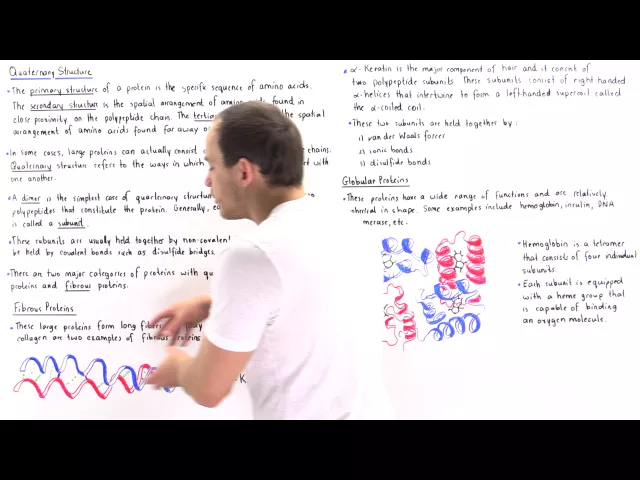
we have three subunits in a tetramer we have four subunits and so forth now these subunits can be different or they can be ident uh identical it really depends on the type of protein that we're discussing now all the different types of proteins inside our body can usually be categorized into two categories so we have a type of protein known as a fibrous protein also called structural proteins and we also have globular proteins so let's begin by focusing on fibrous protein so what is a fibrous protein well a fibrous protein or a structural protein basically
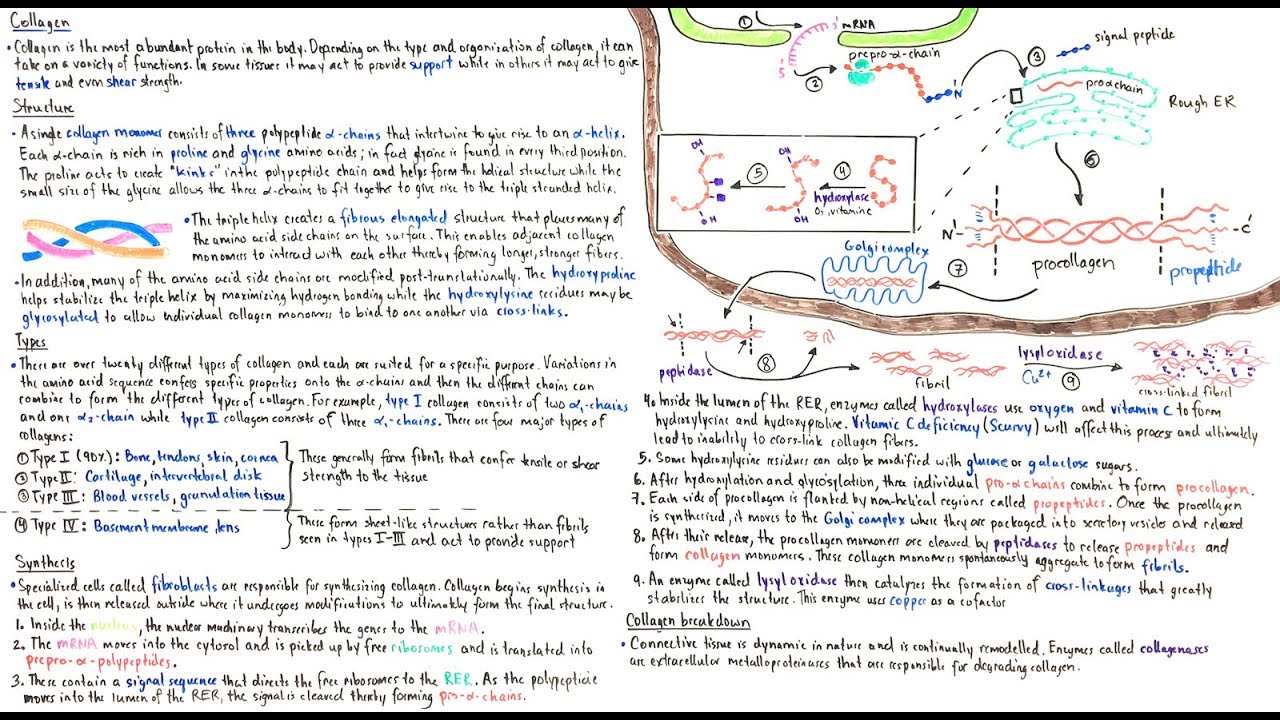
consist of these long fibers that play a structural role in the cell and in our body so some examples are intermediate filaments found in our cytoskeleton we have collagen found in our connective tissue such as bone and we have kerene found in the hair and in our nails as well as in the wool of animals in the horns and in the claws of different kinds of animals so in this lecture we're briefly going to focus on a specific type of kerene known as Alpha carotene so Alpha carotene is the type of fibrous protein that is
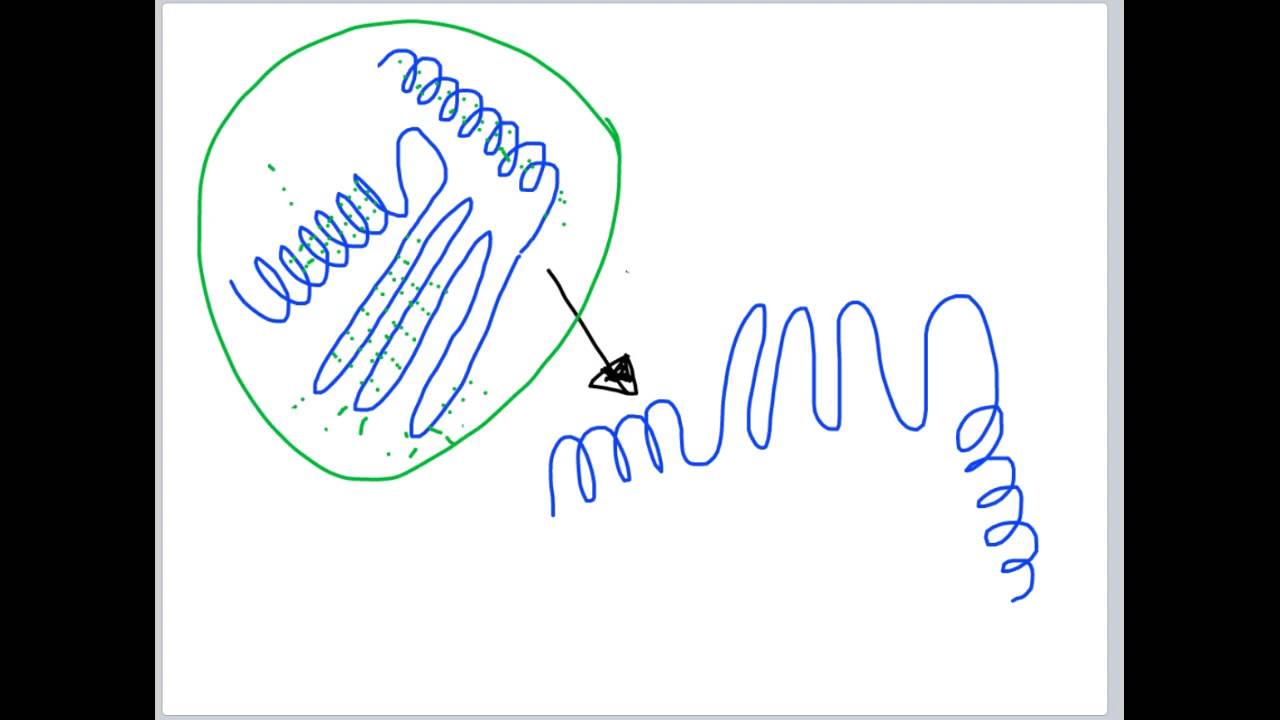
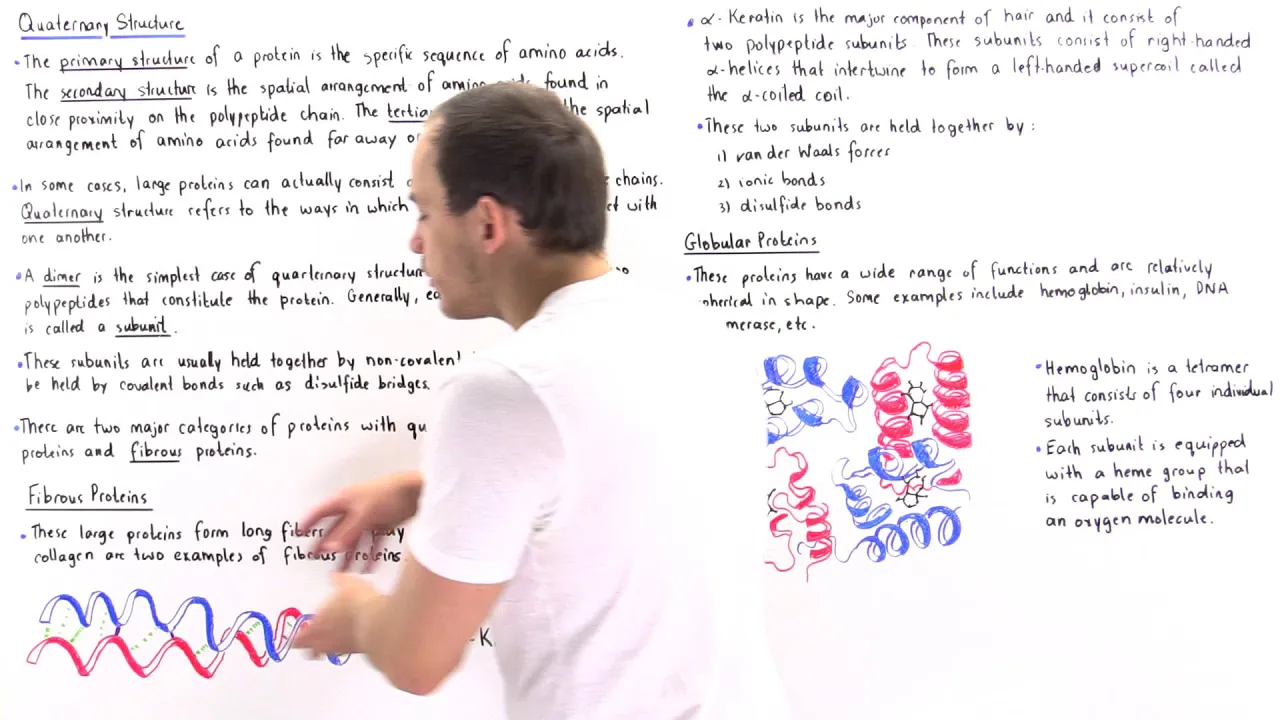
found in our hair and in our nails now Alpha carene consists of these two individual and long fibers these polypeptide chains as shown in the following diagram and both of these polypeptide chains essentially are composed of these right-handed Alpha helixes and these right-handed Alpha helixes together intertwine to form a left-handed coil known as the alpha coiled coil now how exactly are these polypeptide chains how exactly are these two subunits actually held together so notice because we have two subunits in the alpha cartin this is an example of a dimer so A quinary protein that contains
quinary structure that is actually a dimer because it consists of two subunits so how are these two subunits actually held together well they're held together by Cove valent and non-covalent interactions so we have Vander forces that are basically the London dispersion forces between the nonpolar side chains of the amino acids found on these two opposing subunits we also have ionic bonds which are basically the bonds between the negatively charged side chains and the positively charged side chains we also have hydrogen bonds and we have a type of coent bond known as a disulfide bond or
a disulfide bridge this is the coent bond that is formed between two adjacent Cy amino acids now the more duli bonds we have inside the alpha karene the stronger and the more rigid that molecule is that protein is now what about globular proteins well globular proteins have a very very wide range of functions we see that fibrous proteins are responsible mainly in giving our cells and our body structure but these gular proteins have a wide range of functionality as we'll see in just a moment so unlike these fibrous proteins or structural proteins that consist of
long fibers these Gul proteins have a relatively spherical shape now what are some examples of globular protein so so uh hormones for example insulin is a type of hormone that is a globular protein so we have globular proteins that play a role as hormones we also have many enzymes in our body that are gular proteins so we have these membrane bound proteins transfer proteins that essentially allow the movement of different types of ions and molecules across the cell membrane these are also globular proteins so DNA po is basically this protein molecule that contains quinary structure
that contains many subunits and this DNA polymerase is a globular protein it allows the replication of the DNA during the process of mitosis and meiosis now the type of gula protein we're going to focus on in this lecture is hemoglobin and hemoglobin is the oxygen carrier inside our blood so hemog globin essentially picks up oxygen in the lungs and it moves the oxygen via the blood the circulatory system into the cells and tissues of our body that need the oxygen to synthesize ATP molecule and hemoglobin has quinary structure in fact it is a tetramer it
consists of four individual polypeptide subunits so we have polypeptide subunit one subunit 2 subunit 3 and subunit 4 so we have two alpha and two beta subunits to form this tetramer molecule now inside each one of these subunits we have a helper prosthetic group we call the heem group and the heem group is responsible for actually binding the oxygen via an oxidation reduction reaction so we have heem group one heem group two heem group three and heem group four and these heem groups can bind a single oxygen molecule each and that means because we have
four subunits and each one of these carries one heem group we canb four oxygen molecules per hemoglobin molecule so once again hemoglobin is a tetramer that consists of four individual subunits each subunit is equipped with a heem group that is capable of binding oxygen molecules now slight changes to the quinary structure of our hemoglobin can actually increase or decrease the Affinity of the hemoglobin molecule to oxygen as we'll see when we discuss the hemoglobin molecule in much more detail so we see that there are four levels of structure in protein so we have primary structure
which is the sequence of our amino acids we have the secondary structure which are basically these regular patterns that are formed so Alpha helix's Beta sheets beta turns and Omega Loops we we have our tertiary structure which basically consists of these amino acids that are far away from one another and they interact with one another to give that tertiary structure and finally we also have those proteins that contain a fourth level quinary structure and this means that protein consists of two or more polypeptide chains now not all proteins will contain quinary structure for example an
important type of protein in our muscle is myoglobin so myoglobin like hemoglobin carries oxygen inside our muscle so hemoglobin carries oxygen inside our blood while myoglobin carries oxygen inside our muscle now unlike hemoglobin my myoglobin only contains tertiary structure and that's because it consist of a single polypeptide chain and not four polypeptide chains like the case was in the hemoglobin molecule