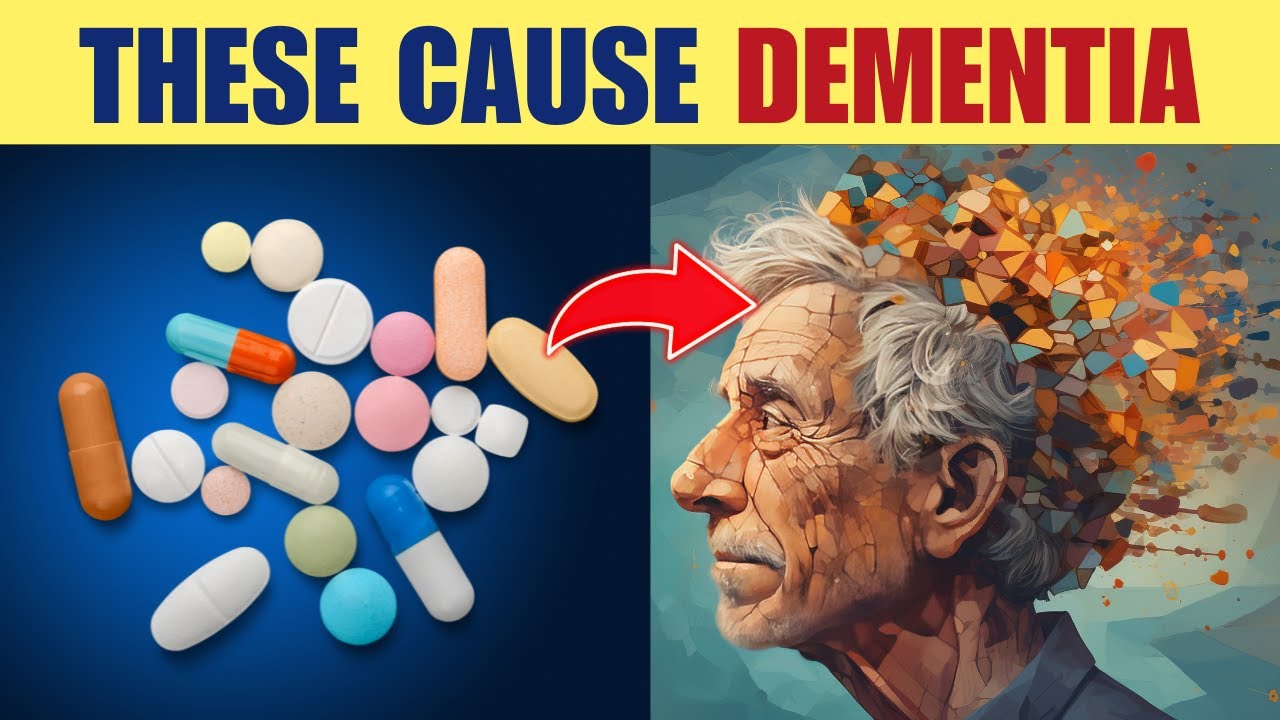
10 popular medications that can cause dementia did you know that some widely used medications can increase the risk of dementia have you ever wondered if that daily pill might be harming your cognitive Health this video reveals surprising information about 10 popular medications that according to recent studies may be associated with the development of dementia find out which medications these are understand the risks involved and explore safer alternatives for treating conditions such as anxiety insomnia depression and chronic pain get ready for a revealing video that could change how you approach your medical treatment and the preservation
of your mental health and stay until the end because medication number n is the most dangerous and many people take it without knowing you will be surprised let's get started medication one benzodiazapines benzodiazapines such as diazapam and lorazapam are widely used to treat anxiety insomnia and other stress Related Disorders these medications work on the central nervous system providing a calming effect by enhancing the action of the neurotransmitter gamma amino butyric acid Gaba while effective in relieving acute symptoms prolonged use of benzodiazapines can pose serious risks to cognitive Health recent studies indicate that continuous use of
benzodiazapines is associated with a significant increase in the risk of developing dementia It is believed that these medications May interfere with normal brain function impairing memory and other cognitive processes Additionally the physical and psychological dependence that can arise from prolonged use of these substances further complicates the situation making discontinuation difficult without medical supervision for instance a study conducted in France followed more than a thousand elderly individuals over 15 years and found that those who regularly used benzodiazapines had a 60% higher risk of developing dementia compared to non-users these alarming data underscore the need for a
critical review of the use of such medications especially among the elderly who are more vulnerable to adverse effects if you use benzodiazapines or know someone who does it is essential to discuss these risks with a healthc care professional there are therapeutic Alternatives such as cognitive behavioral therapy which can be equally effective in treating anxiety and insomnia without the same risks associated with dementia transitioning to these Alternatives should be carefully planned and monitored to avoid withdrawal symptoms and ensure treatment efficacy now that we understand the risks associated with benzodiazapines let's talk about another class of medications
that also poses dangers to cognitive Health anticholinergics medication 2 anticholinergics anticholinergics are a class of medications used to treat various conditions including allergies urinary and continence Parkinson's disease and common cold symptoms well-known examples include Dien hydramine badril and oxybutinin they work by blocking the action of acetyl choline a neurotransmitter important for cogn nitive and muscle function despite their effectiveness in treating these health issues prolonged use of anticholinergics has been associated with an increased risk of dementia acetylcholine plays a crucial role in memory and learning thus prolonged inhibition of this neurotransmitter can result in cognitive deterioration
studies indicate that regular use of anticholinergics can negatively affect brain function especially in older adults a study conducted by the University of Washington followed more than 3,400 adults for over 7 years and revealed that those who regularly used anticholinergics had a significantly higher risk of developing dementia specifically the study found that high doses of these medications over extended periods were associated with a 54% higher risk of dementia given the common use of anticholinergics these findings are particularly concerning many people may be unaware of the risks associated with overthe counter medications like antihistamines it is essential
that individuals especially the elderly are informed about these risks and consider safer Alternatives if you take anticholinergics regularly it is important to discuss the potential risks with your doctor and explore other treatment options there are less harmful alternatives for many of the conditions treated by anticholinergics for example nasal corticosteroids Can Be an Effective option for allergies without the same cognitive side effects we talked about anticholinergics but did you know that tricyclic anti-depressants can also pose a significant risk to cognitive Health let's explore that next medication 3 tricyclic anti-depressants tricyclic anti-depressants such as amitryptiline and imipramine
are used to treat depression and some chronic pain conditions these medications work by increasing the levels of neurotransmitters in the brain such as serotonin and norepinephrine helping to improve mood and relieve pain however despite their effectiveness these anti-depressants have a range of side effects including an increased risk of cognitive impairment prolonged use of tricyclic anti-depressants has been associated with a higher risk of dementia this is partly due to their anti-cholinergic activity which can interfere with the normal function of acetyl choline a crucial neurotransmitter for memory and learning Studies have shown that the anti-cholinergic effects of
these medications can lead to cognitive deterioration over time a significant study conducted by Indiana University analyzed data from over 400,000 patients and found a clear link between the prolonged use of tricyclic antidot depressant and an increased risk of dementia the results showed that individuals who used these medications were significantly more likely to develop dementia especially if they took high doses or for prolonged periods if you are using tricyclic anti-depressants it is essential to discuss the potential risks with your doctor there are other types of anti-depressants such as selective serotonin reuptake Inhibitors ssris that do not
have the same anticholinergic effects and may be safer options for some patients transitioning to these medications should be done under medical supervision to ensure that treatment remains effective and to minimize side effects it's important to remember that depression and chronic pain are serious conditions that require appropriate treatment do not stop using prescribed medications without medical advice instead work with your doctor to find the safest and most effective approach for your condition now that we know the risks of tricyclic antidepressants let's explore another class of medications that can also impact cognitive health anticho medication for anticho
anticho medications such as haloperidol and raridon are prescribed to treat severe mental disorders including schizophrenia and bipolar disorder these medications work by altering the effects of neurotransmitters in the brain helping to control psychotic symptoms such as hallucinations and delusions however prolonged use of these medications has been linked to an increased risk of dementia studies suggest that anticho discs can cause significant side effects in the brain including changes in brain structure and function that can lead to cognitive deterioration a study published in the British medical journal followed elderly patients treated with anti-choicers had an increased risk
of dementia researchers observed that prolonged use of antipsychotics was associated with an acceleration of cognitive symptoms additionally antipsychotics have been associated with other severe side effects such as excessive sedation Tremors weight gain and diabetes these effects can further exacerbate the mental and physical health problems of patients increasing the complexity of treatment for those who need anticho discs it is crucial to have rigorous medical monitoring to track side effects and adjust dosages as necessary in some cases it may be possible to reduce the dose or switch to a different medication with less impact on cognitive function
with the risks of antipsychotics in mind it's time to discuss another group of medications that can affect mental health H2 receptor blockers medication five H2 receptor blockers H2 receptor blockers such as renadine and fotene are widely used to treat gastric conditions including acid reflux and peptic ulcers these medications work by reducing the amount of acid produced in the stomach relieving symptoms of heartburn and preventing damage to the gastrointestinal tract however Recent research suggests that these medications may also negatively impact cognitive function prolonged use of H2 receptor blockers has been associated with an increased risk of
dementia It is believed that prolonged reduction of stomach acid production can affect the absorption of essential nutrients for brain health such as vitamin B12 additionally some studies indicate that these medications May directly interfere with neurotransmitters in the brain leading to cognitive deterioration over time a study published in the Journal of the American geriatric Society followed more than a thousand elderly individuals and found that those who regularly used H2 receptor blockers had a significantly higher risk of developing dementia the researchers suggest that prolonged use of these medications should be carefully monitored especially in older patients if
you use H2 receptor blockers it is important to discuss these risks with your doctor there are other treatment options for gastric conditions such as proton pump inhibitors ppis or lifestyle changes that can be equally effective without the same risks associated with dementia transitioning to these Alternatives should be done under medical supervision to ensure the effectiveness of the treatment and minimize side effects we talked about H2 receptor blockers but did you know that anti-epileptics can also pose a significant risk to cognitive Health let's explore that next medication 6 anti-epileptics anti-epileptic medications such as phenin and valproic
acid are essential for controlling seizures in patients with epilepsy these medications work by stabilizing electrical activity in the brain preventing epileptic seizures and helping to improve patients quality of life however despite their effectiveness prolonged use of anti-epileptics has been associated with an increased risk of cognitive impairment studies show that anti-epileptics can negatively affect memory and other cognitive functions this occurs because these medications not only stabilize electrical activity in the brain but can also interfere with the normal function of neurotransmitters impairing communication between brain cells additionally the sedative effect of many anti-epileptics can lead to drowsiness
and difficulty concentrating exacerbating cognitive problems a study published in neurology analyzed data from patients with epilepsy over several years and found a clear link between prolonged use of anti-epileptics and cognitive deterioration researchers observed that patients who used these medications for long periods had a significantly higher risk of developing dementia especially if they were taking high doses if you are using anti-epileptics it is essential to discuss the PO potential risks with your doctor there are new treatment options and combined therapies that may be less harmful to cognitive function Additionally the dose of anti-epileptics should be carefully
adjusted to minimize side effects while still providing adequate seizure control now that we know the risks of anti-epileptics let's explore another class of medications that can impact cognitive Health statins medication 7 statins statins such as ater vastatin and simvastatin are widely prescribed to reduce blood cholesterol levels and prevent cardiovascular diseases these medications work by inhibiting an enzyme involved in cholesterol production in the liver helping to lower the risk of heart attacks and strokes however despite their cardiovascular benefits there are growing concerns about the effects of Statin on cognitive Health Studies have shown mixed results regarding
the relationship between Statin use and cognitive function while some research suggests that statins may have a protective effect against dementia other studies indicate that these medications may actually increase the risk of cognitive problems it is believed that statins May interfere with the synthesis of co-enzyme Q10 a compound essential for energy production in brain cells potentially leading to cognitive deterioration a study published in the Journal of lipid research analyzed data from thousands of patients and found a potential link between prolonged use of statins and an increase in dementia cases the researchers highlighted the need for more
studies to fully understand this relationship and to determine whether the cardiovascular benefits of statins outweigh the potential cognitive risks if you are using statins it is important to discuss these potential risks with your doctor there are alternatives to control cholesterol levels such as dietary changes physical exercise and other medications that may have less impact on cognitive Health the decision to continue or adjust Statin therapy should be based on a careful evaluation of the risks and benefits for each individual we talked about Statin but did you know that proton pump inhibitors can also pose a sign
ific risk to cognitive Health let's explore that next medication 8 proton pump inhibitors proton pump inhibitors ppis such as omeprazol and esomeprazol are used to treat gastric problems including acid reflux and peptic ulcers these medications work by reducing acid production in the stomach providing symptom relief and preventing damage to the esophagus and stomach however recent research suggests that prolonged use of ppis can have negative consequences es for cognitive health studies indicate that ppis can interfere with the absorption of essential nutrients such as vitamin B12 and magnesium which are critical for brain function deficiency of these
nutrients can lead to cognitive problems and increase the risk of dementia additionally some researchers believe that ppis may directly affect brain function although the exact mechanisms are not yet fully understood a study published in Jamma neurology analyzed data from thousands of elderly patients and found an association between prolonged use of ppis and an increased risk of dementia the researchers highlighted the importance of using these medications cautiously and considering less harmful Alternatives especially in elderly patients if you use ppis regularly it is crucial to discuss these risks with your doctor there are other treatment options for
gastric problems such as dietary changes the use of less potent antacids or natural treatments which can be equally effective without the same risks associated with dementia transitioning to the these Alternatives should be done under medical supervision to ensure that treatment remains effective and safe we talked about ppis but did you know that opioid painkillers can also pose a significant risk to cognitive Health let's explore that next medication 9 opioid painkillers opioid painkillers such as morphine and Oxycodone are often prescribed to treat severe pain especially after surgeries or in patients with chronic illnesses these medications act
on the central nervous system system providing significant Pain Relief by binding to specific receptors in the brain and spinal cord however besides the risk of dependence prolonged use of opioids has been associated with negative effects on cognitive health studies show that opioids can cause changes in brain structure and function including a reduction in Gray matter volume in areas related to memory and decision-making these changes can lead to cognitive problems and increase the risk of dementia over time additionally the sedative effects of opioids can lead to drowsiness and difficulty concentrating exacerbating cognitive problems a study published
in anals of internal medicine followed patients who used opioids for long periods and found a significant link between prolonged use of these medications and an increased risk of dementia the researchers suggest that doctors should carefully evaluate the risks and benefits of opioids especially in elderly patients if you are using opioid painkillers it is essential to discuss the potential risks with your doctor there are alternatives for pain man management such as non-pharmacological therapies less potent medications or Interventional treatments which can be less harmful to cognitive function the decision to continue or adjust opioid therapy should be
based on a careful evaluation of the risks and benefits for each individual now that we know the risks of opioid painkillers let's explore another class of medications that can also impact cognitive Health hormonal contraceptives medication 10 hormonal contraceptives hormonal contraceptives especially combined ones that contain estrogen and progesterone are widely used to prevent pregnancy and treat other conditions such as menstrual irregularities and acne while they are effective and convenient there are growing concerns about the effects of these medications on cognitive Health especially with prolonged use studies indicate that hormonal contraceptives can affect brain function in various
ways sex hormones play a crucial role in neuroprotection and cognitive function thus altering their levels can impact memory and other brain functions some research suggests that prolonged use of hormonal contraceptives may be associated with an increased risk of cognitive decline and dementia a study published in the Journal of women's health followed women who used hormonal contraceptives for long periods and found a link between the use of these medications and a slight decrease in cognitive function while the results are not conclusive they highlight the need for more research to fully understand the effects of hormonal contraceptives
on the brain if you are using hormonal contraceptives it is important to discuss the potential risks with your doctor there are alternatives for birth control such as non- hormonal intrauterine devices iuds barrier methods or natural options which can be less harmful to cognitive function the decision to continue or adjust hormonal contraceptive therapy should be based on a careful evaluation of the risks and benefits for each individual thank you for watching don't forget to subscribe to the channel I wish you great health wealth and happiness see you in the next next video