foreign [Music] we're going to talk about the tech Scout process itself just in general for people that haven't been on many of them for people that don't know what the cinematographer is expected to do during those textout days this is really just an overview of how the process works and then in the next section we're actually going to land there we're going to walk through the entire Tech Scout process on the day in the location with some of the people involved and just show you what we talk about here as in the workflow of the
tech Scout we're going to do that in the real virtual world in the next section so if you've never been on a tech Scout basically what happens is the first ID will have a rough schedule at this point depends on the job but for our purposes here we're going to imagine the first 80 will have some sort of a rough schedule like we have to get eight shots there may be a preliminary shot list we may be going off of the agency storyboards but the director is going to go through each major setup not through
each shot but through each major setup and they're going to talk through the way that they see the action playing out they're not going to talk about camera angles or you know again every director is different but generally it's just the director talking through with the seven people that are on the tech Scout whether it's you know it's going to be production design it's going to be the first ad producer gaffer grip yourself art Department people we talked about uh who else safety officer depending on what you're shooting stunt coordinator the the list can grow
and Shrink depending on the job but the director's just going to walk through every single major setup so for us it's going to be well we'll probably walk through the wide shot then we'll go into the coverage and the conversation back and forth and then the resolution where we're going to be at for that resolution moment and that's really it you go through you talk about those processes then after that has been done for the setup for each individual setup so you do one setup and then you'll break away and you'll break away into your
little different groups where you're attempting to solve problems or inform the team of the way that you see things going so say for the wide shot you're going to break away with the gaffer and the grip and you're going to say okay this is going to be our approach right for the grip you're going to talk about camera movement where we want the neg things like that and then the gaffer if we're doing bounces and you're in a work environment where some places have the grip do the the bounce material and the bounce placement of
the places it's done in the lighting department will do the bounces so for our sake we're going to be doing the Australian system which is the gaffer will take control of the bounce and the grip will do the neg and camera movement so that's what I'll be referring to when we actually get on the day and start shooting I'll be talking to the gaffer about the lighting even if it's bounce and the grip about neg placement camera movement camera placement all that kind of stuff so that's how the process works you break away into your
little minor groups the important thing to do is normally what what happens is the director will talk you through a shot right and then there'll be some confusion from the crew because they're just brand new they probably have been working non-stop and this is just another job to them you have to fill them in on any thing that might be misstated during that explanation process or might be confusing you just have to go there and you're basically the translation from the director to the crew of exactly what is happening so in those breakaways it's important
that you never I like to never come back with problems that don't already have solutions to them or don't have some solution to them so for example say you're doing a car to car shot and there's a problem because you know the road is not big enough well rather than just saying to the whole group uh the road isn't big enough uh we're gonna need a solution for how to get this car to car shot it's like no you go away you talk to the grip uh you talk to the locations person and you get
them together in a little mini group right you're not alerting the whole because it's not the production designer's problem it's not art Department it's not the first ads problem here right now we're just trying to solve it so that when we come back to the group we have a solution or we have at least the starting point of the solution like okay this isn't the end of the world because if you constantly come in with negative stuff uh it just wears on a director it wears on a producer it wears on the whole crew if
you're just constantly uh saying this isn't going to work for this reason it's better to go in with Solutions so you break away into your little groups you identify any problems you come up with the solutions you come back and then generally before you move on to a spot the first day you will have a quick conversation with everybody and say is everyone happy with what we're doing here everyone understands what we're doing here and by that point the crew should be fully briefed they know the equipment that they're going to need they know you
know you're not going over every single item you're leaving it up to the the heads of their departments what's actually going to be needed whether it's the grip of the gaffer like you know sometimes you might say if you get very specific with lamps you might be specific on lamp choices but if you're just using bounce it's more about material it's more about what we're going to need for the whole day like for our purposes we'll we'll talk about when we get on the actual location but really being General there and then afterwards after the
whole process is done the first ad the director the producer and the cinematographer normally we'll get together and make the schedule concrete right like do a first real pass at the schedule having seen the location all together we start to get into the nitty-gritty of times what's going to go first what's going to come second is it the most efficient because now we know the the year that we're actually going to be using so now we know that for the wide we're going to be using a bounce and some neg and they're going to be
in 12 by 12 fashion so maybe that means that we don't jump straight into the very very close up maybe we jump into the mid shot or maybe we do it the opposite way because of the sun like you'll go through that scheduling process after the text count because then you've identified you've got as much information as you're going to have before the shoot you should have after that Tech Scout right which then allows you to come up with the most accurate schedule that you can and when you're doing day exterior work scheduling communication with
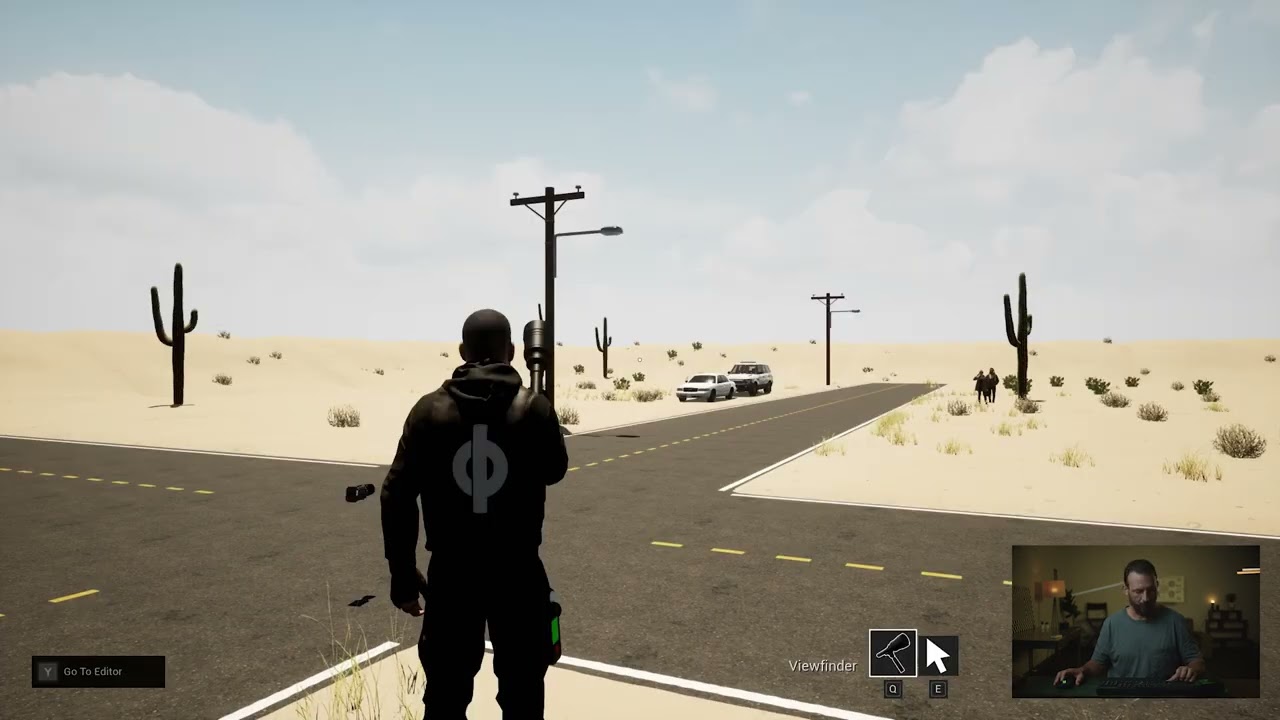
the first ad is really really Paramount to getting the best out of all the images that you can so that is how the tech Scout process works one last little note before I let you go here on the tech Scout process I would say that Artemis is your friend showing people the actual frame will help the grip it'll help the gaffer it helps everybody art Department knowing the size of the frame and coming back to that curator versus Creator idea curating there's no reason that you can't cycle through all of the focal lengths inside of
Artemis right if you're unsure cycle all the way from start to finish whatever your set is 25 to 100 just go through them all and be like just select take the still take the still take the still at every single different level and then you can sit in the calm peaceful Serenity of pre-production and go you know what I actually think you know five hours later when you're sitting at home I actually like the 35 millimeter for this shot rather than the 50 millimeter you can compare and contrast and once you get all those ideas
in front of you then you start to see the patterns emerge as you start to choose oh the 50 mil works better or the 75 works better here so Artemis Stills are your friend they help everybody on set know the framework have a general size of the frame and they also help you after the fact go just be able to double check the work that you're doing on set and make sure you're getting the best possible images that you can so that's the text out process let's jump in to doing one in the reel