On December 18 ,1958, America launched a rocket that broadcasted a Christmas message from space The message was recorded by Dwight D. Eisenhower, who was the president of the United States at the time. The mission was considered a great success, as it launched the first ever communications satellite into orbit, and laid the foundation for what is now an essential multi-billion dollar industry today.
The communication satellite used to broadcast the Christmas message came to be known as the "talking Atlas”, as it was launched aboard an Atlas rocket. A rocket is exactly what you think it is - a long, thin metallic cylinder with a pointed nose that shoots up from the ground, leaving a gigantic cloud of smoke in its wake. However, there is more to it than that; there are a number of other things that make a rocket functional and useful.
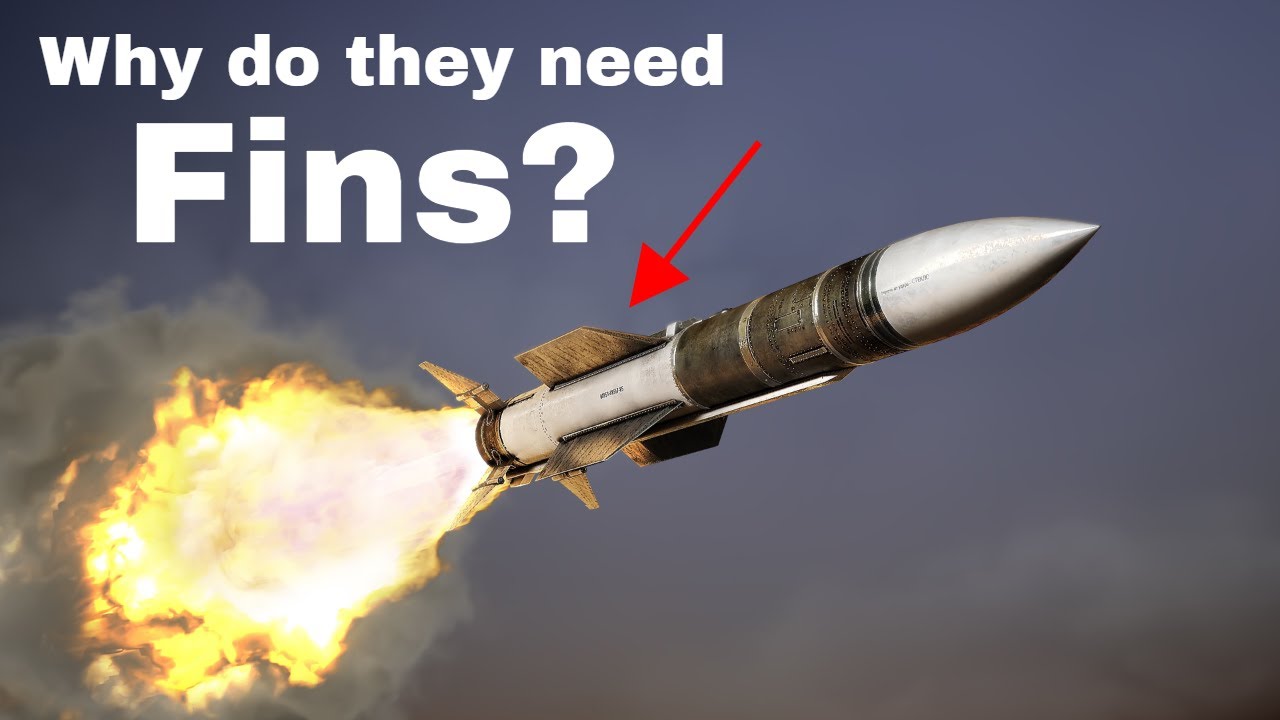
The word ‘rocket’ can mean different things in different contexts. Simply put, a rocket is a spacecraft, missile, aircraft or other vehicle that obtains thrust from a rocket engine. From the outside, the frame of a rocket is very similar to that of an airplane.
It's made of various light, but very strong materials, like aluminum and titanium. The ‘skin’ of the rocket is covered with a thermal protection system that protects the rocket from extreme heat caused by air friction and helps maintain cold temperatures that are needed for certain fuels and oxidizers within the rocket. The body of a rocket is composed of different sections, all of which are housed within the frame of the rocket.
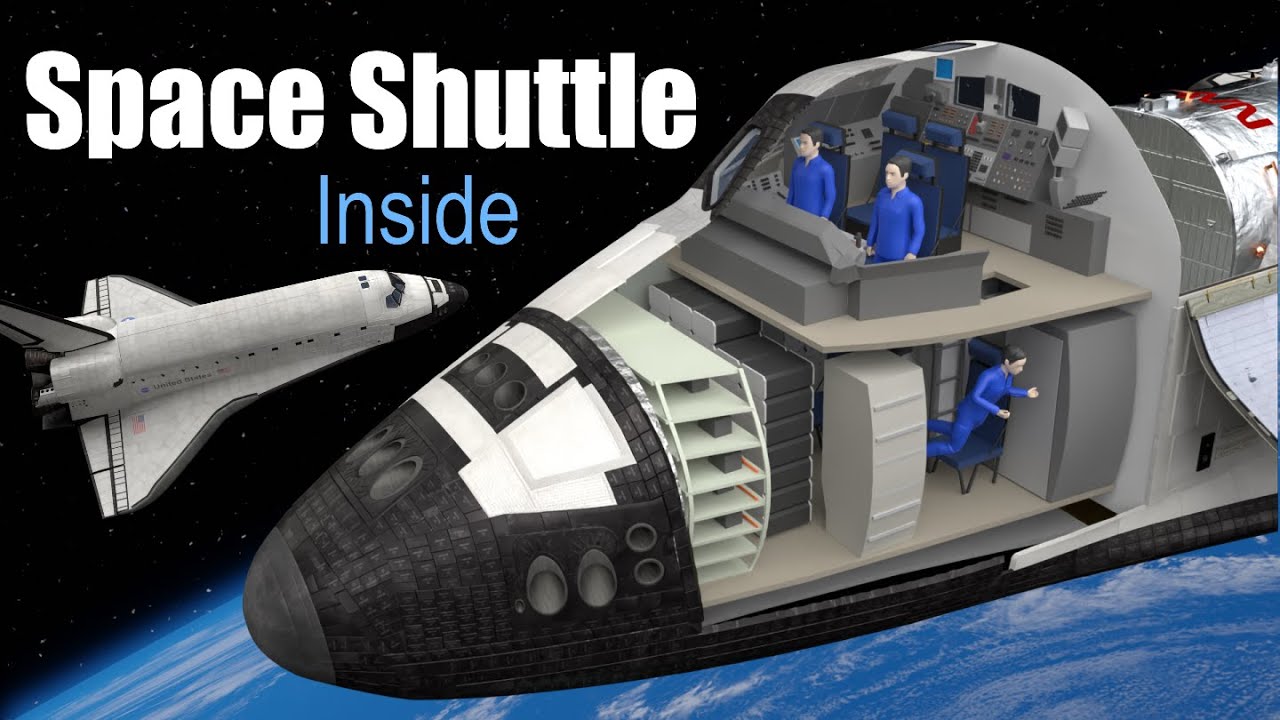
The first component is the payload system of the rocket. For the uninitiated, the payload is the rocket’s carrying capacity. The payload depends on the type of mission the rocket is being used for - it can consist of cargo, a satellite, a space probe and even a spacecraft carrying humans.
So, if you want to send humans to space, the payload of your rocket will contain a spacecraft, whereas if you’re using the rocket as a weapon, then the payload would consist of a missile. Next is the guidance system - the system which ensures that the rocket stays on its intended trajectory and goes where it's supposed to go. The guidance system consists of onboard computers and sophisticated sensors, as well as radar and communication systems to maneuver the rocket while in flight.
Last is the propulsion system. A majority of the entire length of a modern rocket is actually made up of the propulsion system. As the name suggests, the propulsion system consists of the components that help launch the rocket off the ground, and subsequently propel the rocket in a given direction.
So, how is this huge, **enormously** heavy, cylindrical metallic tube shot into space? In order to get into space, the rocket must first cross the thick layers of atmosphere that envelop the planet. Since the atmosphere is thickest near the ground, the rocket has to go **extremely** fast in order to get past this part of the atmosphere.
So how does it climb so fast in the air? The answer to this question lies in one of the most popular physical laws of the universe - Newton’s third law of motion. According to the third law, every action has an equal and opposite reaction.
In our case, we have a rocket that we want to launch into space. That's where the rocket engine comes into play. A rocket engine works by burning either a liquid or solid fuel in the presence of an oxidiser.
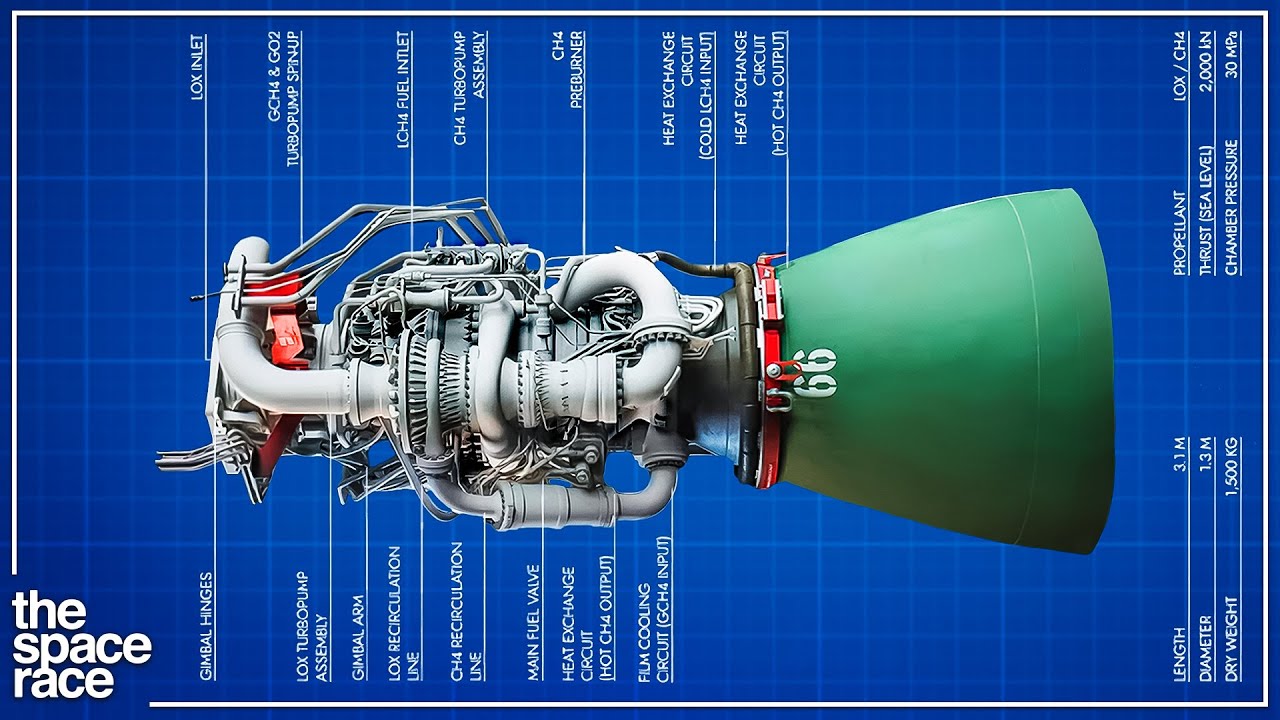
When the combustion reaction occurs, it throws out a great deal of mass as a byproduct of the reaction. These byproducts are released at great speed through the bell-shaped nozzles that you see at the bottom of rockets. Since the rocket pushes the exhaust down, the exhaust responds by pushing the rocket up at great speed as well, which lifts the rocket off the launching pad and propels it upwards into space.
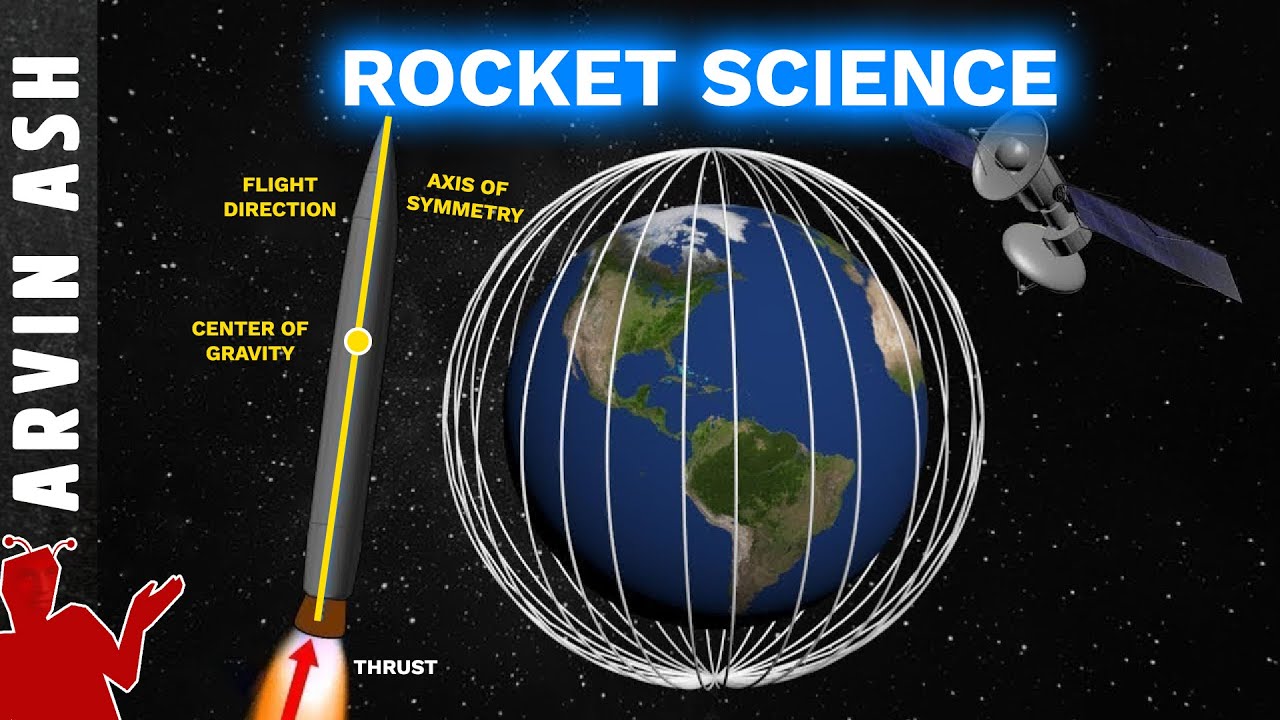
In a way, you could say that a rocket shoots upwards by throwing hot gases from its exhaust nozzles below! If you have ever seen a rocket launch in person, or even seen a rocket launch video on the internet beyond the lift-off phase, you may have noticed that a rocket doesn't maintain a straight trajectory all the way up. It lifts off perfectly vertically, but at around the one-minute mark of the flight, it starts turning and going laterally.
That is a flight maneuver known as the **gravity turn**. It's a trajectory optimization technique that's always employed while launching rockets because it offers two benefits: first, it uses gravity to steer the rocket onto its desired trajectory, which helps to save rocket fuel. Second, it helps to minimize aerodynamic stress on the launch vehicle.
If a rocket continued going up without tilting at all, it would reach a point where it would run out of fuel. That's why it tilts slightly after lifting off straight up, thanks to the exhaust nozzles of the rocket, which can be swivelled from side to side in order to alter the direction of the thrust. Once a rocket lifts off, parts of it are sequentially separated or jettisoned at predefined intervals.
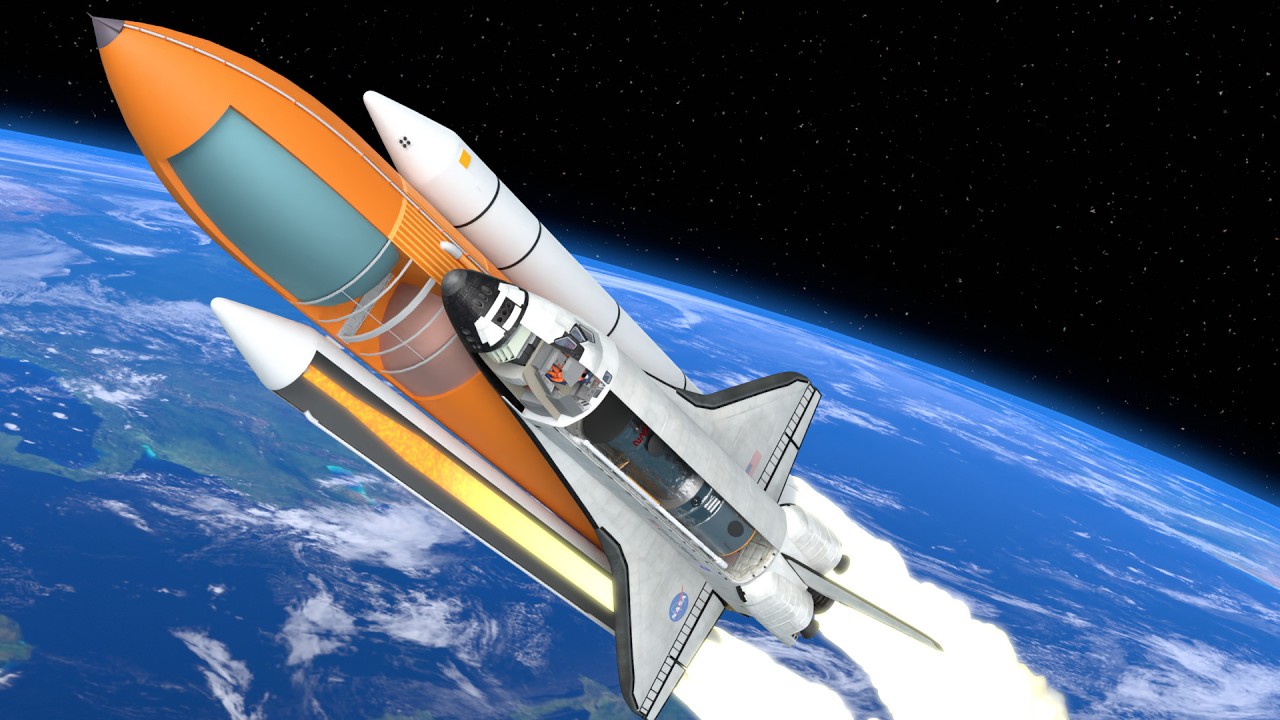
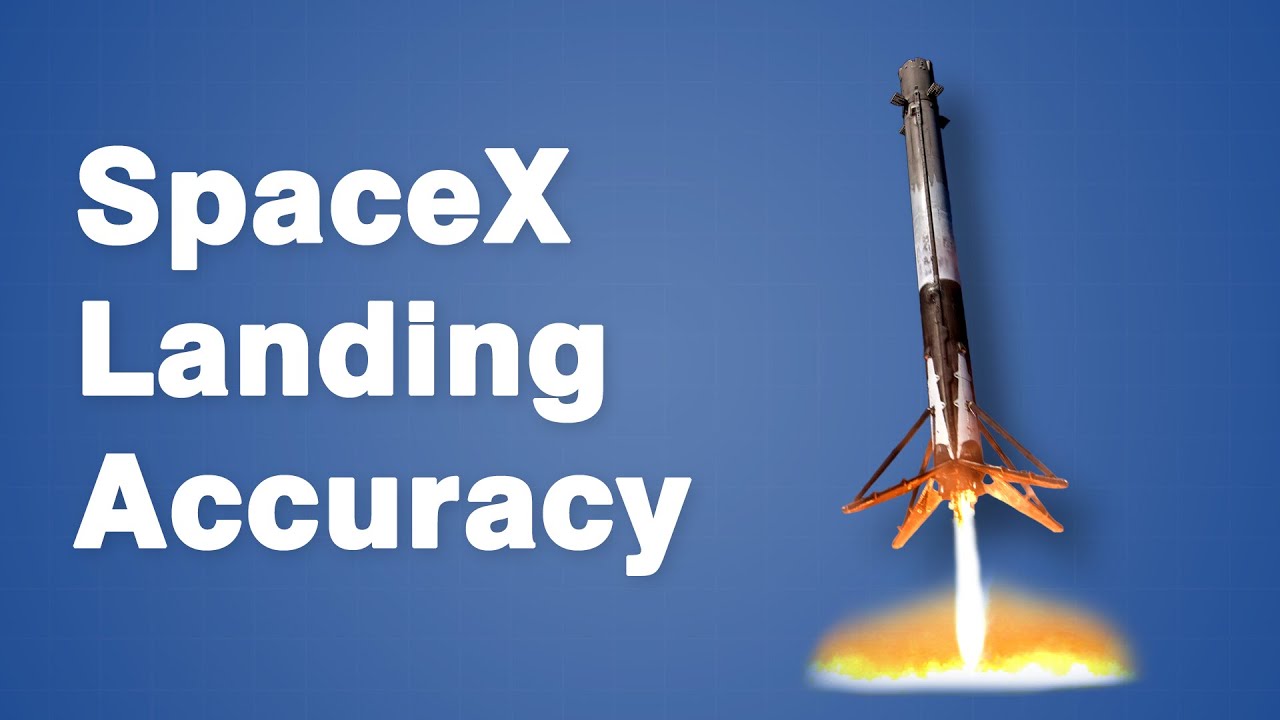
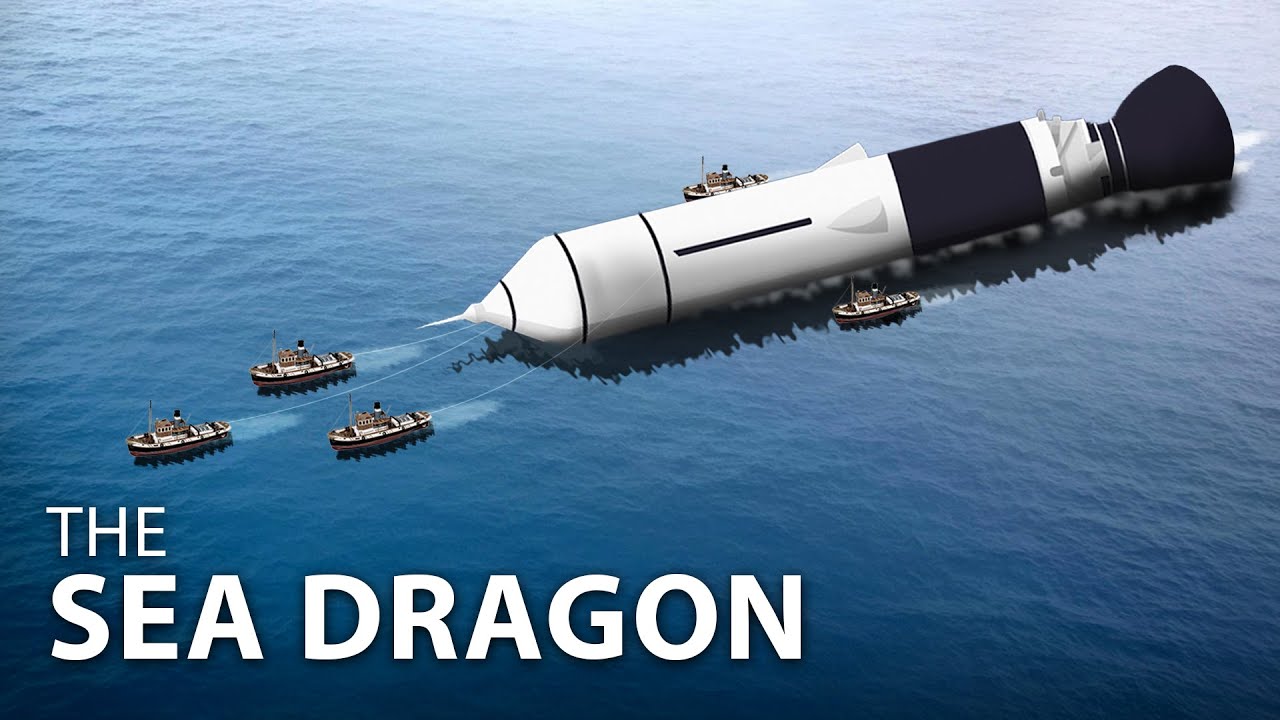
For instance, if a spacecraft is being launched with a rocket, then its rocket boosters are separated first, followed by the external tank. These separated parts blast off from the spacecraft and splashdown in the Atlantic ocean, where they can be retrieved. The spacecraft then maneuvers on its own using its main engines to reach the desired orbit.
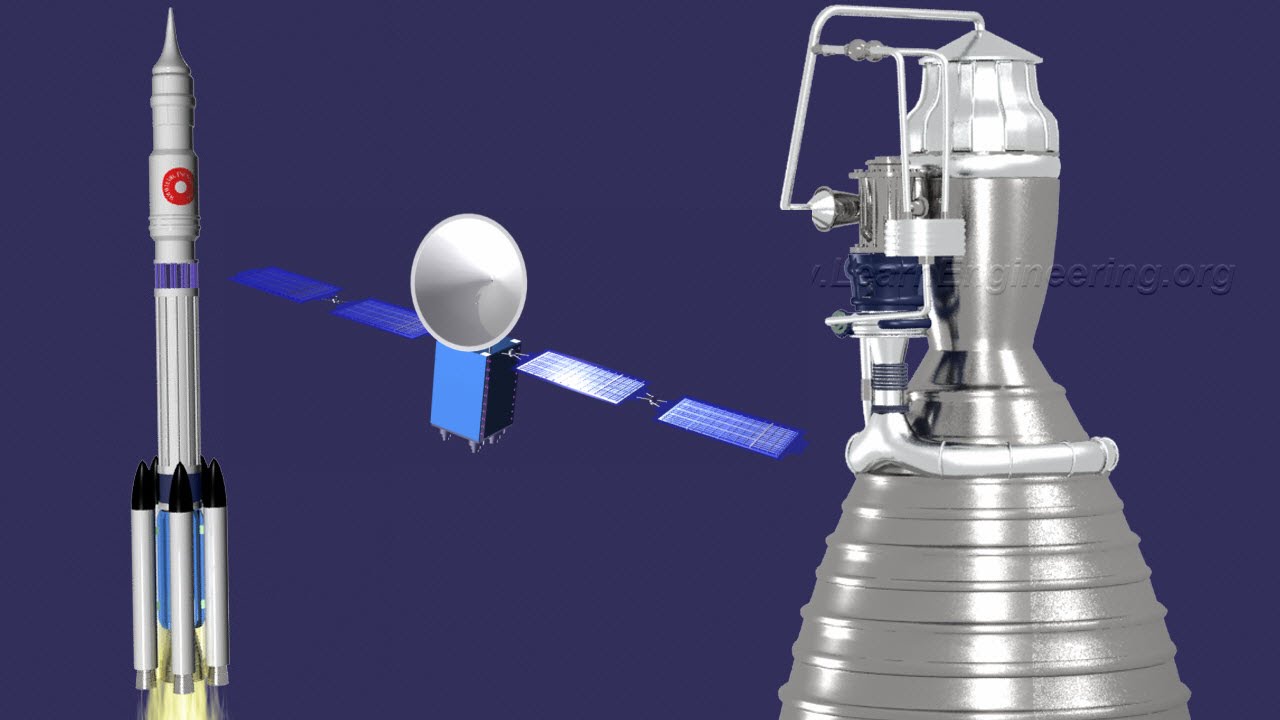
Similarly, if an unmanned satellite is launched on a rocket, the sole purpose of the rocket is to get the satellite into its intended orbit. Once there, the satellite stays in the orbit, and does a small amount of maneuvering using its own engines. All in all, rockets are used only to get stuff into space.
Period. Once a rocket has done its job, it’s separated – in parts – from the stuff it carries, as it's no longer considered an operation requirement of the mission. Space agencies all over the world have been sending men and material into space for decades now.
As such, it's only fair to say that we wouldn't have been able to understand and explore space nearly as much as we have if not for those tall, cylindrical, metallic tubes that shoot up from the ground in a bid to expand man’s reach beyond this planet.