Newspaper photos often have a purpose and tone. The purpose of the photo above, for example, is to inform us of the return of American soldiers killed in the service of their country; the tone is one of solemnity, reverence, and respect. Authors write with a reason in mind, and you can better evaluate their ideas by determining what that reason is.
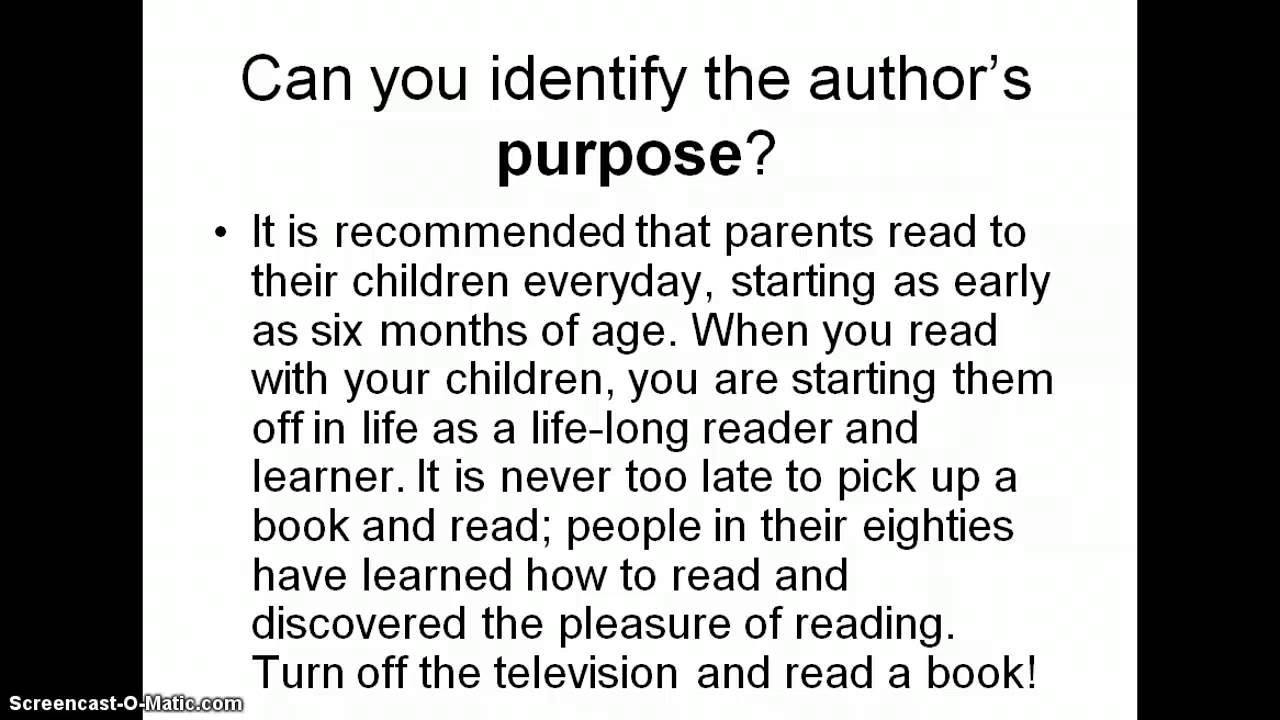
The author’s reason for writing is also called the purpose of a selection. One common purpose is to inform—to give information about a subject. Authors with this purpose wish to provide facts that will explain or teach something to readers.
A second common purpose is to persuade—to convince the reader to agree with the author’s point of view on a subject. Authors with this purpose may present facts, but their main goal is to argue or prove a point to readers. A third common purpose is to entertain—to amuse and delight; to appeal to the reader’s senses and imagination.
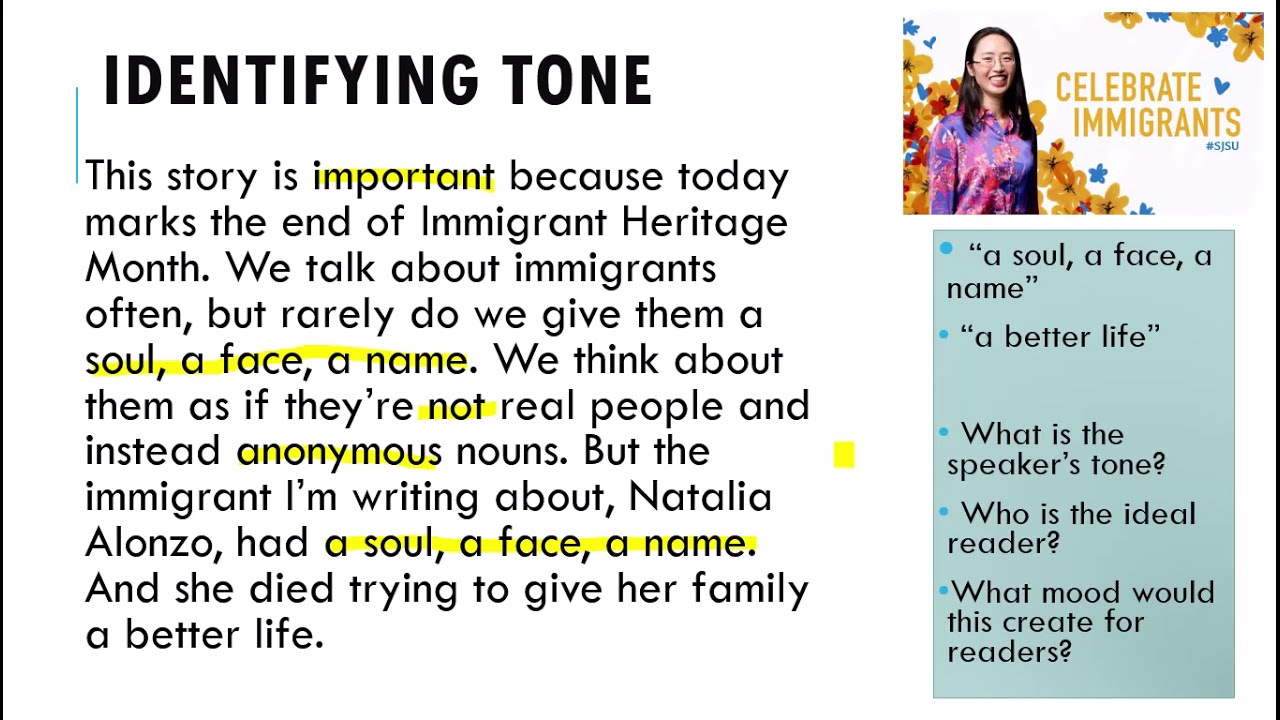
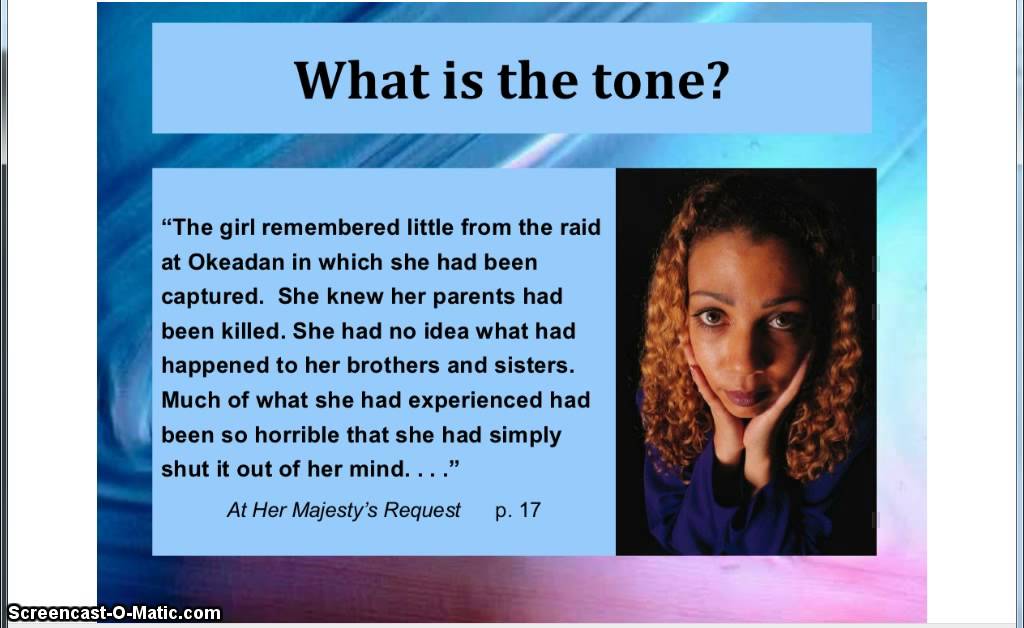
Authors with this purpose entertain in various ways, through fiction as well as nonfiction. A writer’s tone reveals the attitude that he or she has toward a subject. Tone is expressed through the words and details the writer selects.
Understanding tone is an important part of understanding what an author has written. To understand tone better, look at these two statements made by employees of fast-food restaurants. I hate this job.
The customers are rude, the managers are idiots, and the food smells like dog chow. The tone of this statement is bitter and angry. I love working at Burger Barn.
I meet interesting people, earn extra money, and get to eat all the chicken nuggets I want when I go on break. In this statement, the tone is enthusiastic and positive. A list of more than eighty words that describe tone can be found on pages 271 to 273 of the textbook.
One commonly used tone is that of irony. Irony involves a contrast between expectations and reality. This contrast is often humorous.
Both language and situations can be ironic. Sarcasm is a form of verbal irony. It is often biting.
Here are two examples. A telemarketer interrupts you in the middle of dinner. You say to him, “I’m so glad you’ve called.
I hate eating dinner while it’s still hot. ” A friend asks how you like your new boss. You reply, “He’s great.
It’s refreshing working for someone who has half my IQ. ” Notice that the irony of each quotation lies in the contrast between what is said and what is actually meant. Irony also refers to situations that involve a contrast between what is expected or intended and what actually happens.
We could call it ironic, for example, if the arsonist responsible for a string of fires turned out to be a city firefighter. To summarize, in this lesson you learned that part of reading critically is to be aware of the author’s purpose and tone. The author’s purpose is the reason why he or she writes.
Three common purposes are to inform, to persuade, and to entertain. Tone is the expression of the author’s attitude and feeling about a subject. A writer’s tone might be objective—the case in most textbook writing—or it might be lighthearted, sympathetic, angry, affectionate, respectful, or any of the other tones shown on pages 271 to 273 of the textbook.
One important tone to recognize is irony: saying one thing but meaning the opposite.