Color. It plays a vital role in design and everyday life. It can draw your eye to an image… evoke a certain mood or emotion… even communicate something important without using words at all.
So how do we know which colors look good together, and which ones don't? The answer is simple: Color theory. Artists and designers have followed color theory for centuries, but anyone can learn more about it.
It can help you feel confident in many different situations, whether it's choosing colors for a design, or putting together the perfect outfit. All it takes is a little insight, and you'll be looking at color in a whole new way. Let's start at the beginning—the very beginning—with a refresher on the basics.
Remember learning about primary and secondary colors in school? Then you already have some knowledge of color theory. Red and yellow make orange; yellow and blue make green; and blue and red make purple.
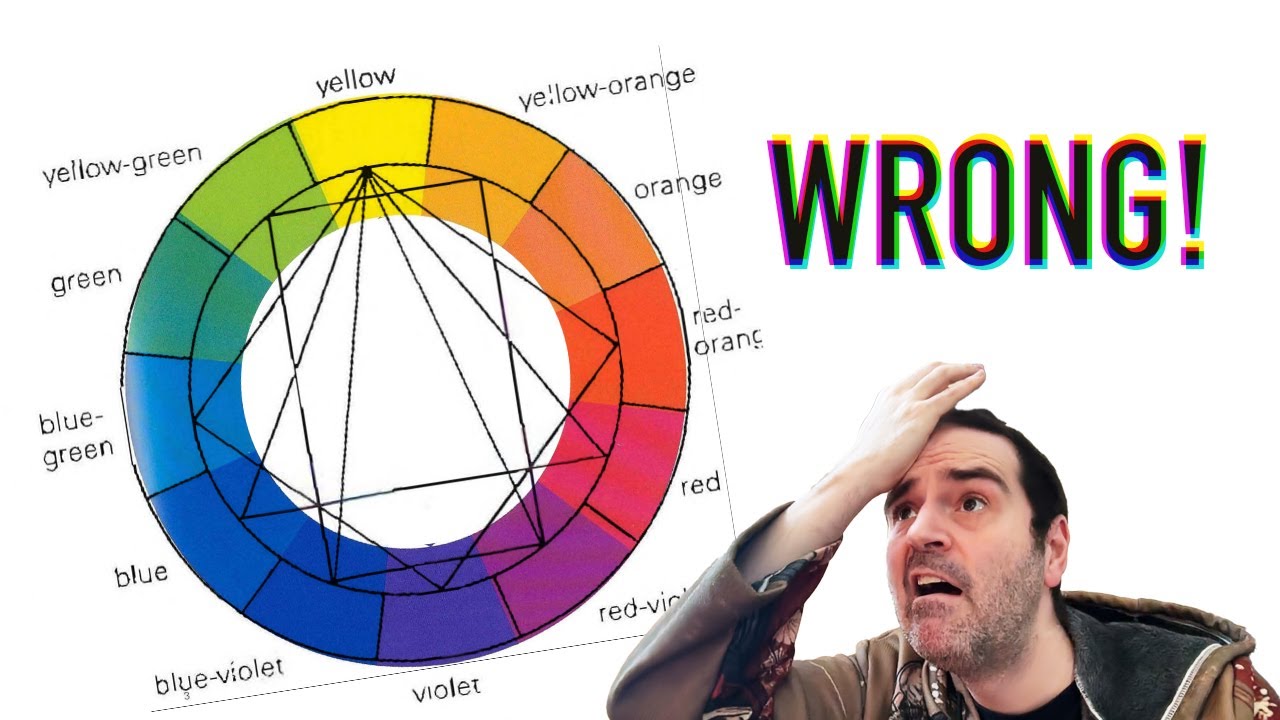
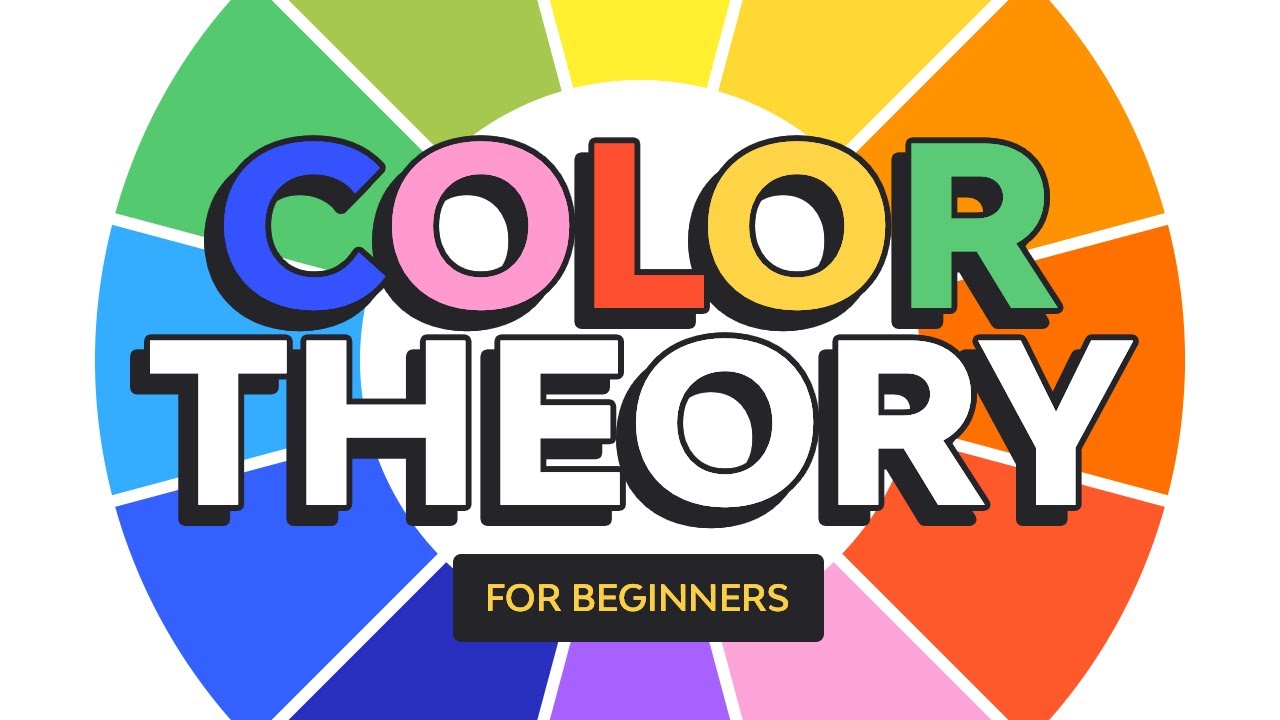
If we mix these colors together, we get even more in-between shades, like red-orange and yellow-green. All together, they form what's called a color wheel. (You can probably see where it gets its name.
) Now, let's take it one step further with hue, saturation, and value. These are terms you might not encounter in daily life, but they're the key to understanding more nuanced colors—like all those little paint chips at the home improvement store. Hue is the easiest one; it's basically just another word for "color.
" Saturation refers to intensity—in other words, whether the color appears more subtle or more vibrant. Value has to do with how dark or light the color is, ranging from black to white. As you can see, this gives us many different shades, from a deep reddish brown… to light pastel pink.
So how do we put this all together to create professional-looking color schemes? There are actually tried and true formulas based on something called color harmony that can help. All you need is the color wheel.
The easiest formula for harmony is monochromatic because it only uses one color or hue. Just pick a spot on the color wheel, and use your knowledge of saturation and value to create variations. The best thing about monochromatic color schemes is that they're guaranteed to match.
An analogous color scheme uses colors that are next to each other on the wheel, like reds and oranges. . .
or cooler colors, like blues and greens. Don't be afraid to play with the palette and create your own unique interpretation. That's what these formulas really are: starting points to help guide and inspire you.
Complementary colors are opposite each other on the wheel; for instance, blue and orange. . .
or the classic red and green. To avoid complementary color schemes that are too simplistic, add some variety by introducing lighter, darker, or desaturated tones. A split-complementary color scheme uses the colors on either side of the complement.
This gives you the same level of contrast, but more colors to work with (and potentially more interesting results). A triadic color scheme uses three colors that are evenly spaced, forming a perfect triangle on the wheel. These combinations tend to be pretty striking—especially with primary or secondary colors—so be mindful when using them in your work.
Tetradic color schemes form a rectangle on the wheel, using not one but two complementary color pairs. This formula works best if you let one color dominate while the others serve as an accent. There are a few classic do's and don'ts when it comes to color.
For instance, have you ever seen colors that seem to vibrate when they're placed next to each other? The solution is to tone it down—literally—and there's a simple way do it. Start with one color, and try adjusting its lightness, darkness, or saturation.
Sometimes, a little contrast is all your color palette needs. Readability is an important factor in any design. Your colors should be legible and easy on the eyes.
Sometimes that means not using color—at least not in every little detail. Neutral colors like black, white, and gray can help you balance your design, so when you do use color, it really stands out. Every color sends a message.
It's important to consider the tone of your project, and choose a color palette that fits. For example, bright colors tend to have a fun or modern vibe. Desaturated colors often appear more business-like.
Sometimes it just depends on the context—you'd be surprised how flexible color can be. You can find ideas for color schemes in all kinds of interesting places, from advertising and branding to famous works of art. You can even use a web resource to browse color palettes or generate your own.
Even experienced designers take inspiration from the world around them. There's nothing wrong with finding something you like, and making it your own. Everywhere you look, there's color, color, and more color.
It can be intimidating to use it in your work, but it doesn't have to be. Just keep experimenting and remember what you've learned about color theory. Soon, choosing great-looking colors will feel like second nature.
We hope you enjoyed learning the basics of color. Check out the rest of our design topics, including typography, images, composition.