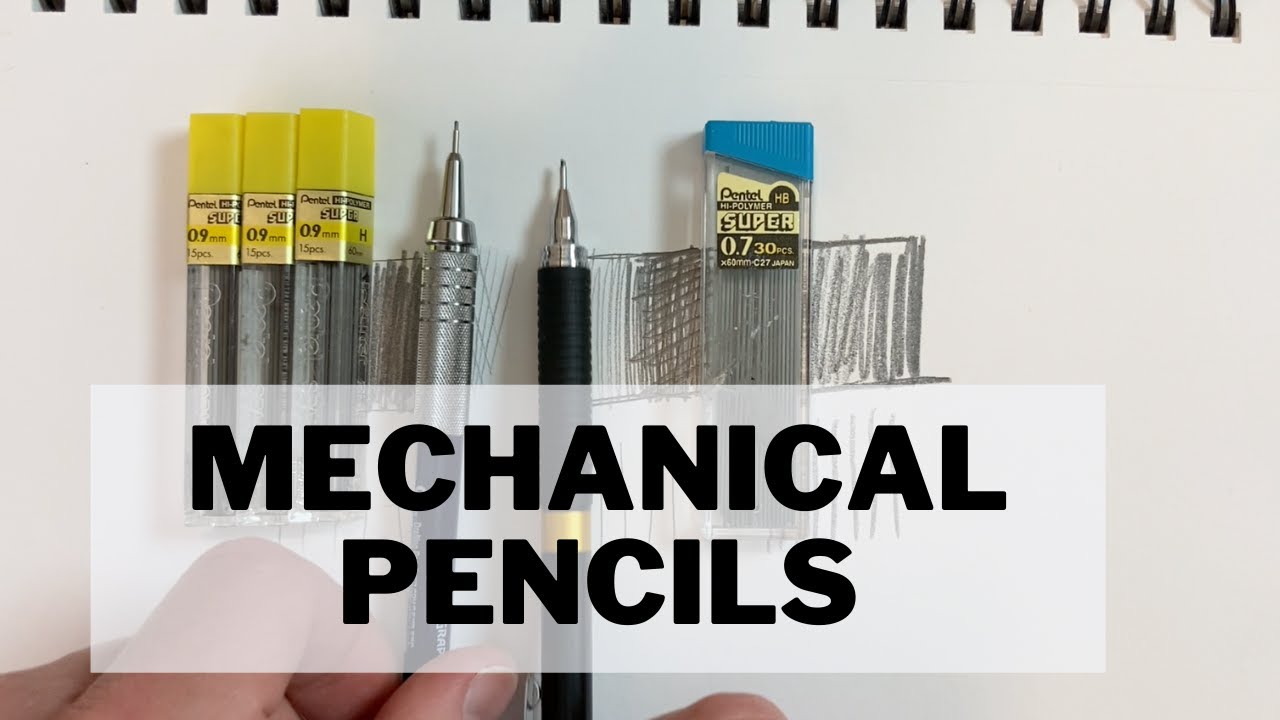
It's no mystery that Japanese mechanical pencils are a cut above the rest, with innovative features that enhance the writing experience. But are some of these details over the top? We'll talk about seven mechanical pencils with remarkable engineering, so you can decide for yourself.
Remember to like and subscribe if you enjoy this video. Let's get started! Sliding Guide Sleeve Zebra DelGuard Any mechanical pencil user knows the frustration of easily-breaking lead.
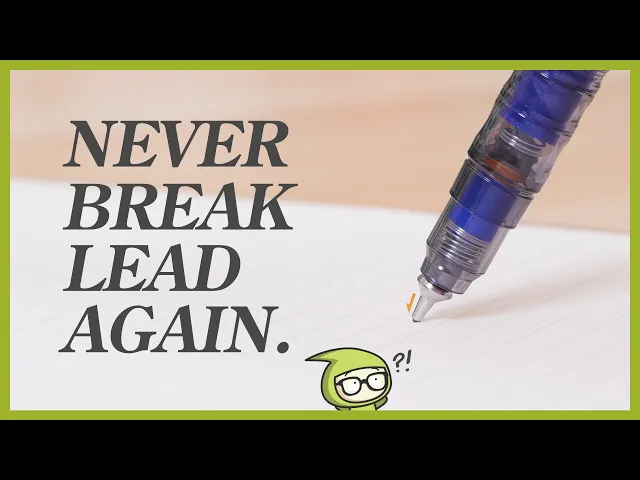
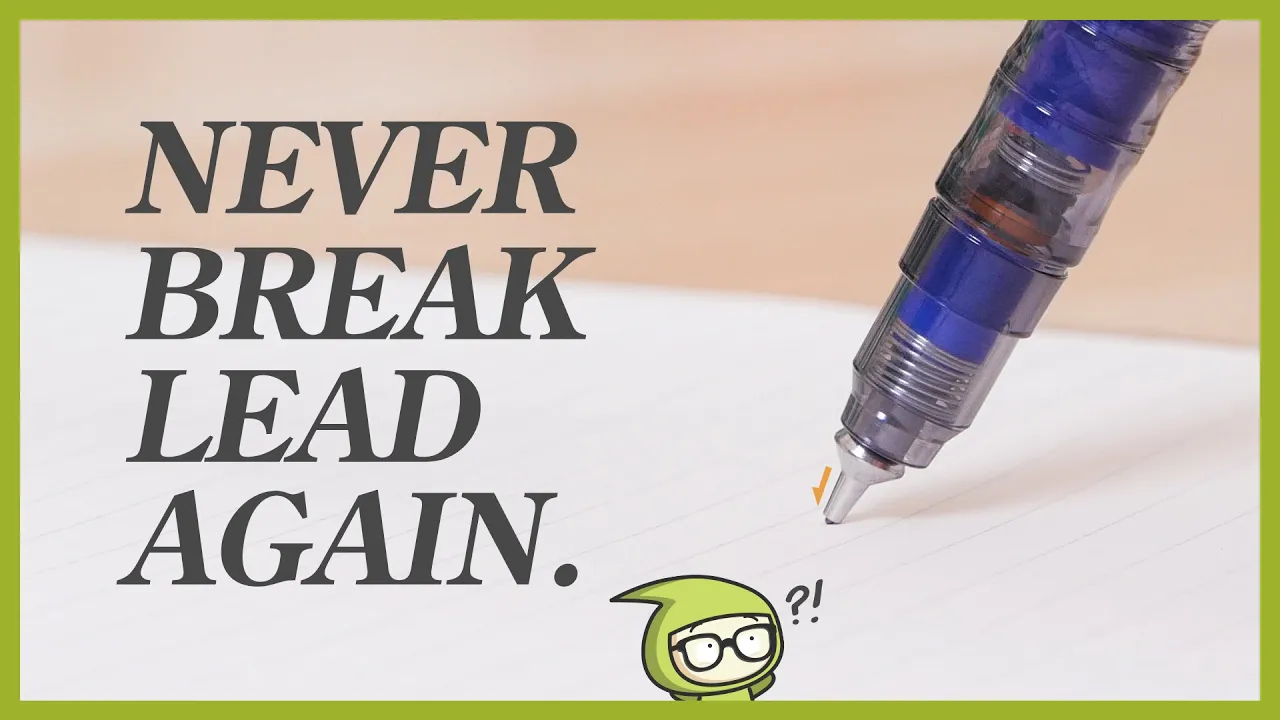
The Zebra DelGuard combats this problem with a two-part lead-protection system. A spring in the pencil barrel lets lead slide back into the pencil if it detects too much vertical pressure, and another spring extends a metal sleeve to reinforce the lead if too much sideways pressure is placed on it. With this pencil, writing is less frustrating and you save more lead in the long run.
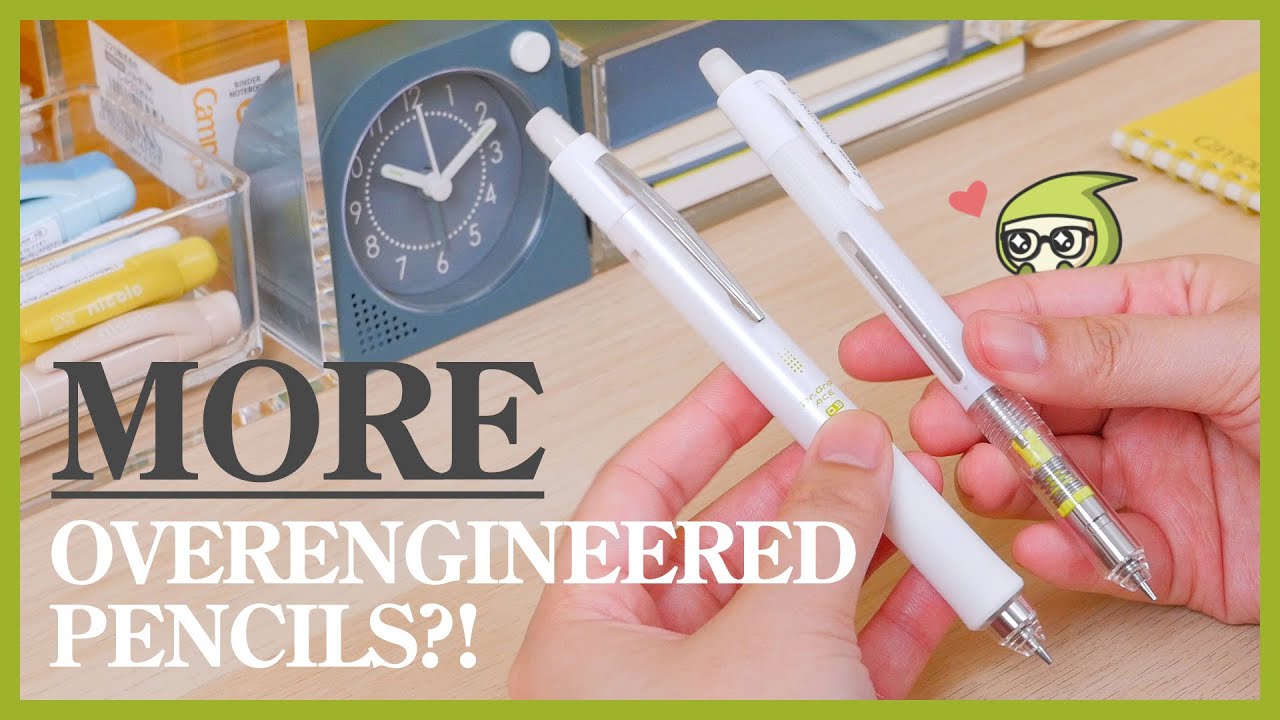
Auto-Extending Eraser Zebra DelGuard Type-ER The Type-ER takes the DelGuard up a notch. In addition to the sliding guide sleeve, it features an eraser that extends automatically whenever you turn the pencil upside down. The eraser locks into place and stays put while you use it then drops right back inside when you flip the pencil over again.
Lead Clutch Platinum OLEeNU Most mechanical pencils can only clutch the lead core until the last 10 millimeters. After that the lead becomes unstable and falls out, rendering it unusable. The OLEeNU can clutch a lead core until the very last 0.
5 millimeters -- a 95% reduction in waste. Aside from its lead clutch mechanism, the OLEeNU also saves lead from breaking. It has an internal spring that absorbs shock during writing and a sliding metal sleeve in the pencil tip that moves with the lead to give it extra support.
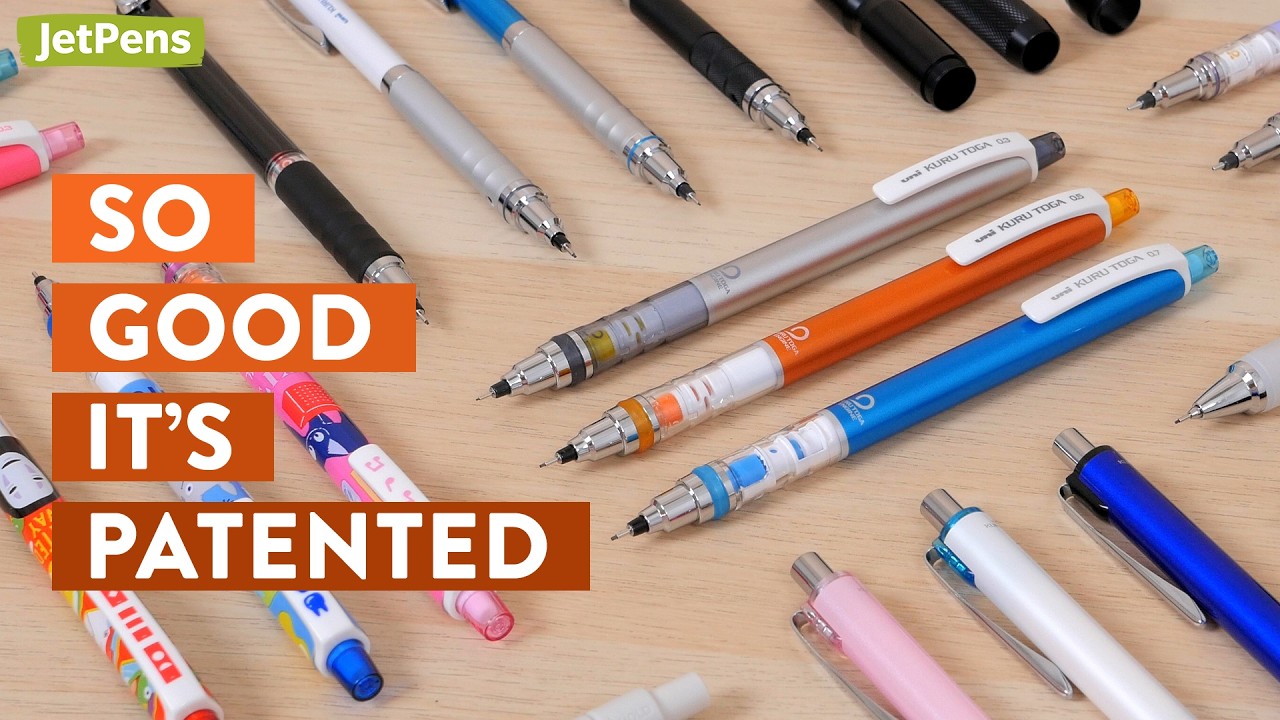
Rotating Lead Uni Kuru Toga If you use mechanical pencils, you know the lead tip wears down unevenly as you write, causing a slanted edge and uneven lines. Eventually your line can become thick and smudgy. Uni's Kuru Toga solves this issue with a core rotation mechanism.
Using three gears, the pencil features a spring-loaded clutch that rotates the lead slightly each time you lift the pencil. This makes sure the lead wears down uniformly and stays sharp. While the rotating may take time to get used to and isn't suited for cursive, it's the perfect pencil if you prefer even lines for math, sketching, and more.
Shaker Mechanism Tombow Mono Graph Shaker With the award-winning Tombow Mono Graph shaker, you don't need to let go and re-grip every time you want to extend the lead. Just shake the pencil up and down. You can also push the side clip for a more conventional approach.
To lock the shaker mechanism when not using the pencil, push the clip upwards. When it's locked, you don't have to worry about accidentally extending the lead in your pocket or pencil case. Tiniest Tip Pentel Orenz The Orenz offers the smallest lead size on the market.
Its minuscule 0. 2 millimeter tip size produces amazingly thin lines. Because the lead is so fine, the pencil features a long sliding lead sleeve that shields the entire length of the lead, protecting it from breaking.
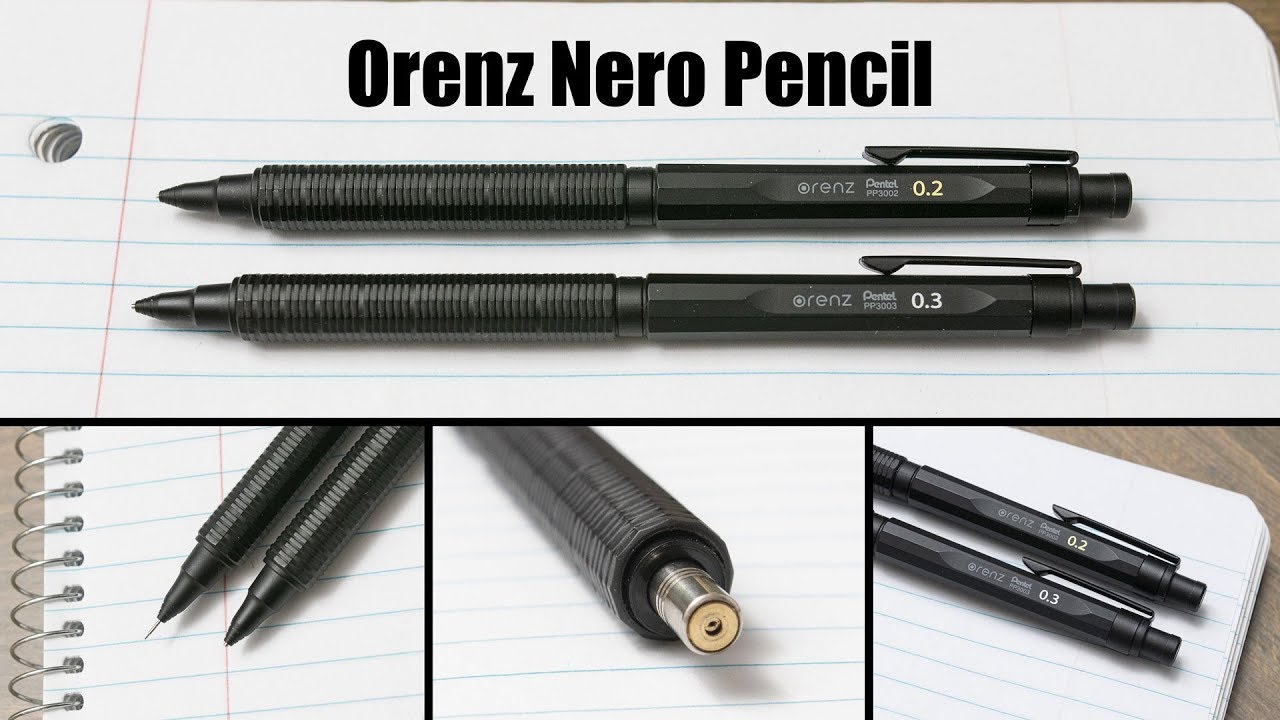
As you write, the lead sleeve gently touches the paper and retreats back into the tip of the pencil as the lead is worn down. Since the edge of the lead sleeve is rounded, it won't scratch or catch on the paper. Auto-Extending Lead Pentel Orenz Nero The Orenz Nero takes the Orenz a step further with its automatic lead advancement system.
Each time you lift the pencil from the page, the lead extends. Once you begin writing, you won't have to click the top button again until the lead runs out. Its special resin metal body also feels sturdy in the hand, with a well-balanced weight that makes writing more comfortable.
Do you think these features are excessive or should they be standard for all mechanical pencils? Tell us in the comments! To learn more about Japanese mechanical pencils, check out our guide.
You can find all these products and more at JetPens. com. Thanks for watching!