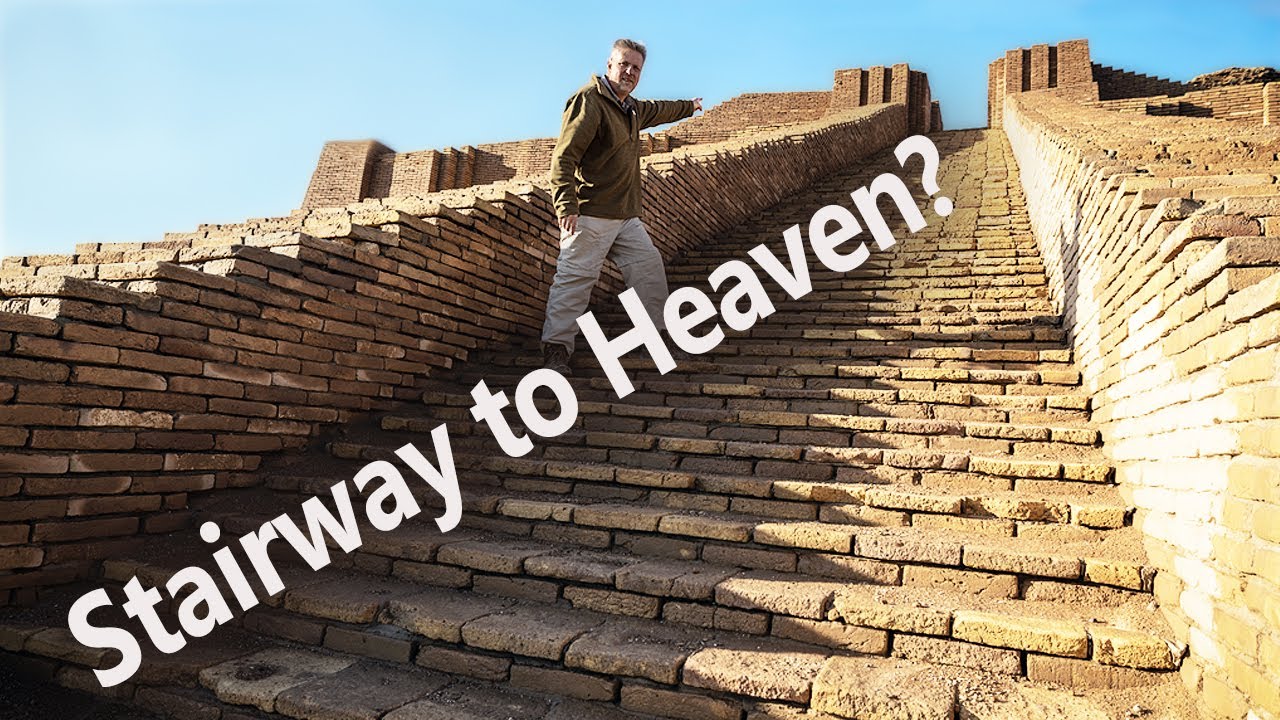
I'm here in the offices of the World Monuments fund and we're going to talk about the ancient site of Babylon that so many of us have heard of from the Bible we've heard of the story of the Tower of Babel which may have come from ziggurat in ancient Babylon but what is it like to visit Babylon today it's great to talk about Babylon because it's one of my favorite places we've learned a lot in the seven years that World Monuments fund has been working on the site Babylon conjures up these great images of the ancient
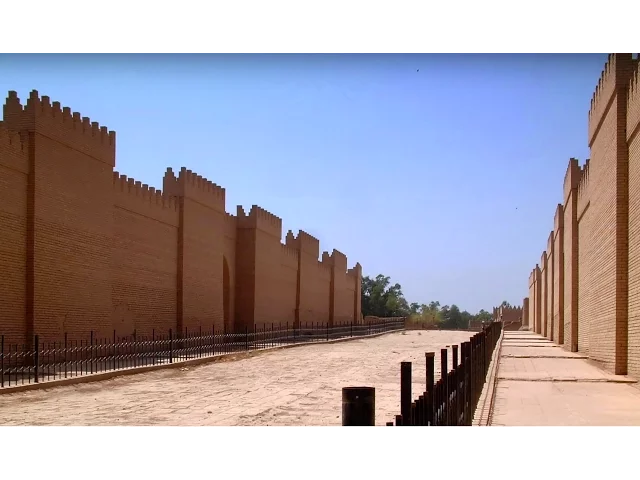
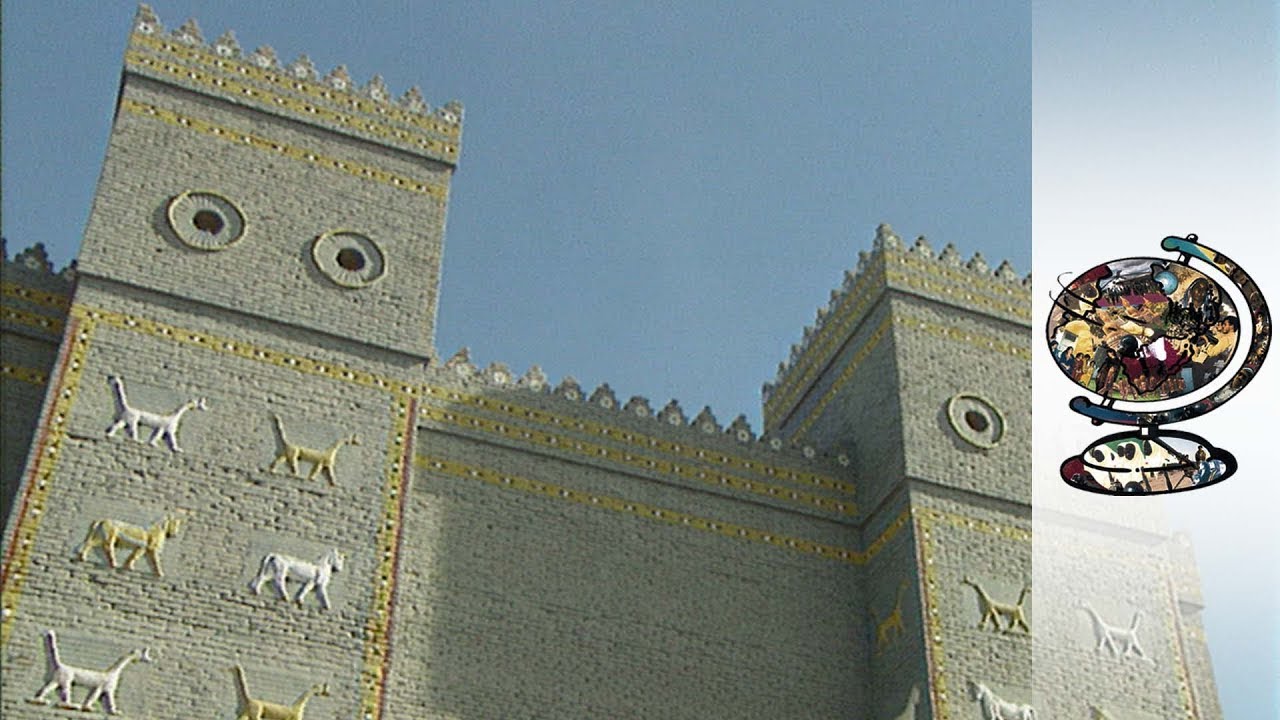
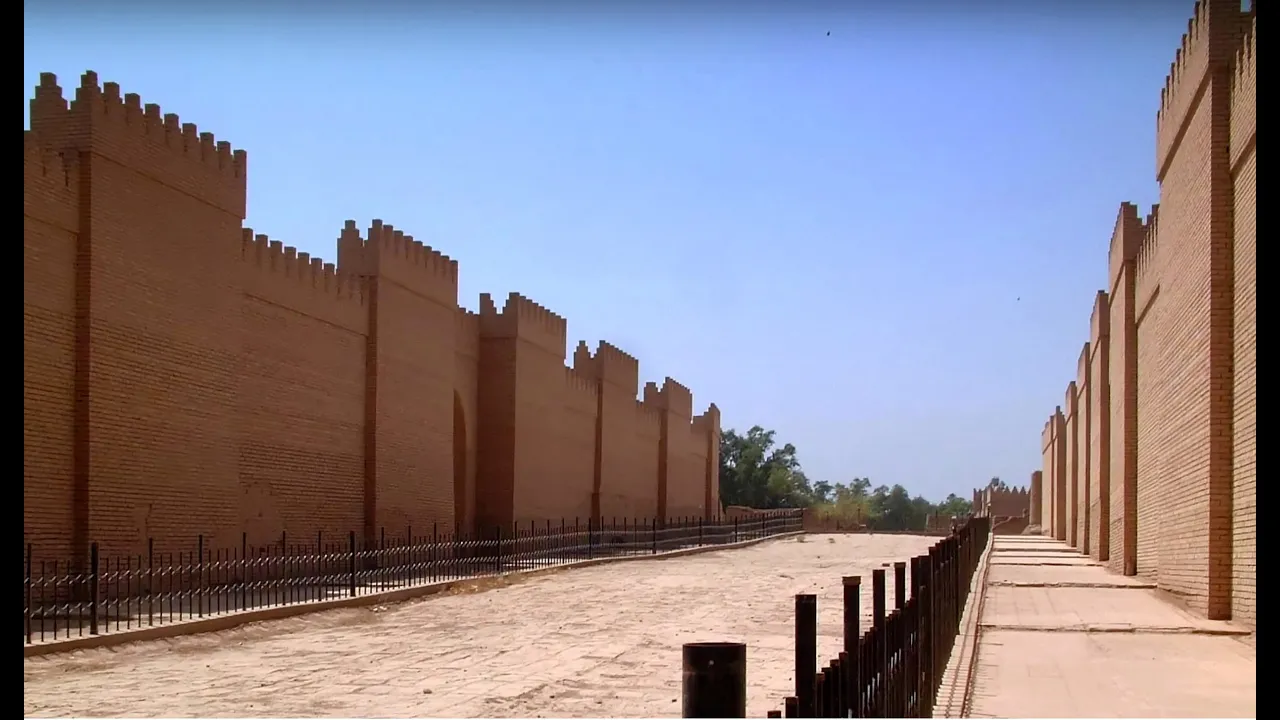
world and many achievements and famous people but it actually is a very humble looking site people are often shocked that it's mud brick that it's simple construction technologies and except for the raised brick animal figures that are very famous the rest of it doesn't look the way we expect we read about Hammurabi and his building campaign and his code of laws and then later during the period that we call neo Babylonia when Nebuchadnezzar rebuilt the walls and made luxurious palaces and how it was this Center for learning and the arts and the site of one
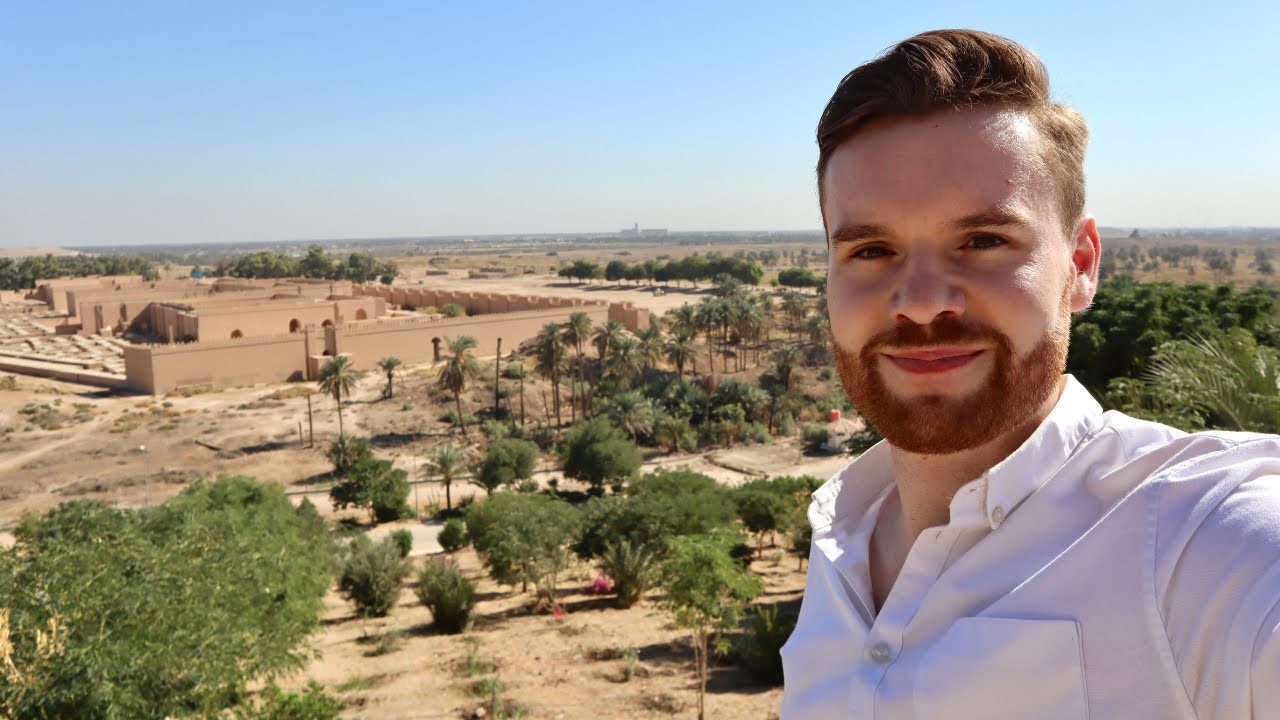
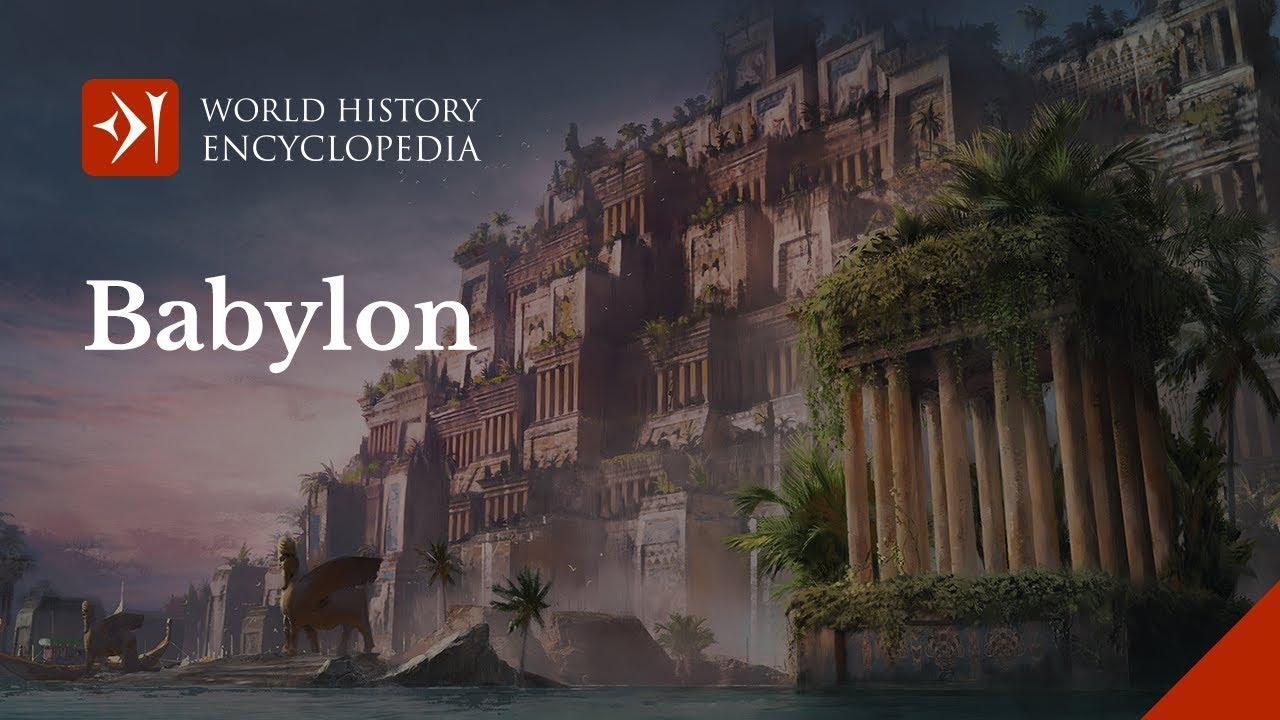
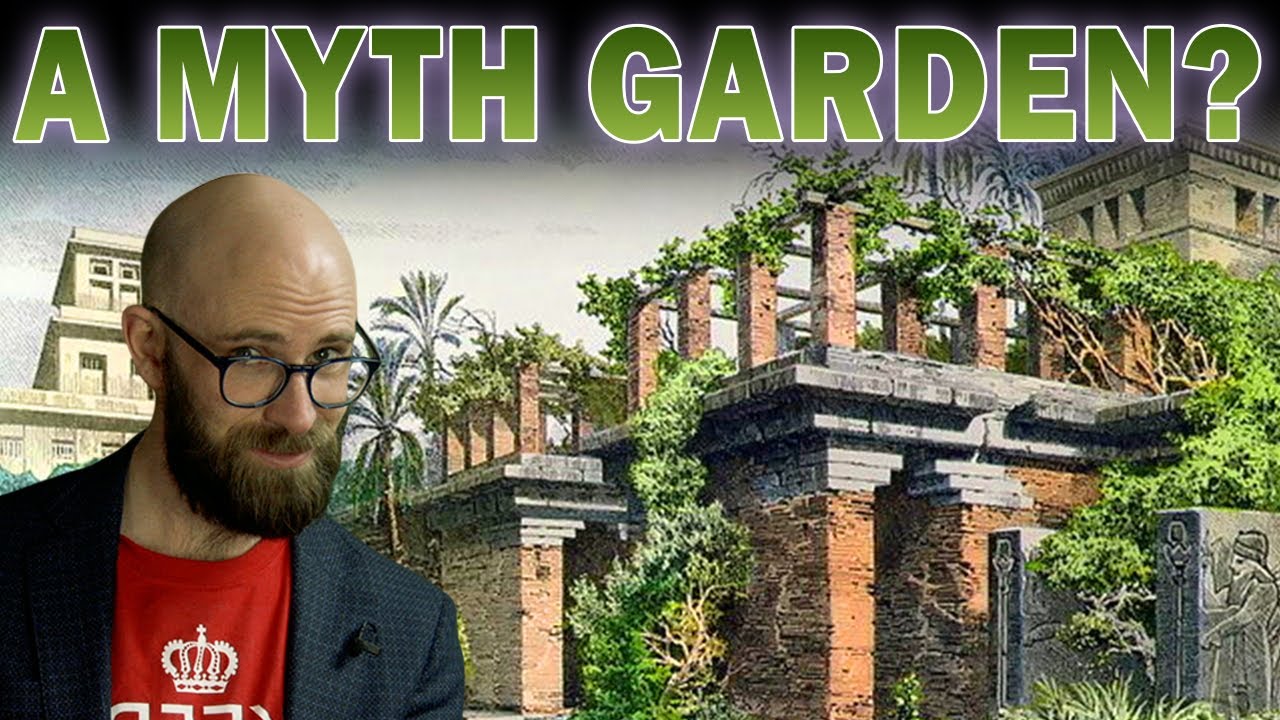
of the seven wonders of the ancient world Hanging Gardens of Babylon and an imperial capital and I think it's beautiful in so many ways it's a long particularly beautiful Bend of the Euphrates lined with palm trees and certain times of the year very green and lush other times of the year sand storms but I think that's what made it of desirable settlement and antiquity that you could grow things very easily and it was clearly along a trade route and we know that the site has been occupied for thousands of years people still live adjacent to
the ruins today one of the great surprises of the site is we think that these sites are abandoned because we look at the ruins and we don't see people living right there but in fact less than a 30-minute walk away from the most famous parts of the site our agricultural communities and thriving modern settlements before the invasion in the early 2000s this was the most visited site in all of Iraq and virtually every Iraqi at some point during either his or her schooling or in their adult life came to Babylon and so it's a sight
that people really loved and even today where there is not international tourism Iraqis still come to the site and a lot of them come just to take a walk along the river or picnic so it's great to see people using the site even amidst the chaos we have today part of the work of the World Monuments fund is to when things settle down politically to make this a place that people can come visit and to make it a place that's sustainable for tourism while still protecting the site and making future archaeological excavations possible we were
invited by The Rock State Board of Antiquities and heritage in 2007 to work with them to do several things one was to create a site management plan one was to do condition surveys and the final element which is what we're doing today is to develop conservation plans that were implementing on site and very much with an idea that international tourism will return to Iraq before too long and one of the things we're working on right now is developing tourism paths and in the meantime we work very intensively with a group of State Board of Antiquity
employees at Babylon archeologists engineers architects conservators and then our international experts come and go as needed on the site so the site was excavated in the early 20th century very late 19th century by robert called away much of what he excavated ended up in museums around the world including most famously the amazingly beautiful me Norma's Ishtar Gate which is in the Pergamon Museum in Berlin but quite a bit still remains on the site there are dozens of buildings that were excavated that are still visible on the site and even the Ishtar Gate in fact its
predecessor is still there on the site so what was taken away to Berlin was a top layer and then it turns out that there are two more layers of the gate so that they just kept building on top so you were asking me about what it's like to visit the site today and I think one of the great surprises is even though mud-brick is a very humble material the monumentality of the site is in the scale so you look at these walls and they are meters and meters thick and they are 20 feet high talking
a minute ago about the rebuilding that happened several times in antiquity but there's recent rebuilding by Saddam Hussein who saw himself as an heir to Nebuchadnezzar the sixth century ruler of Babylon and then there have been restoration efforts that have gone on in the 20th century since the discovery of the location of Babylon well I think Babylon has a history like many sites in Europe and the Middle East it was excavated at the end of the 19th century spilling into the early 20th century then because of World War one excavation activity stopped then between the
wars it resumed a little bit again and then there was quite a bit of activity in the 50s and 60s then in the 1970s and 80s was when there were a lot of reconstructions and a lot of restoration efforts on the site one of the things that you can see if you look at before-and-after images so there's the palace which we can see what it looked like in the 1920s and 30s and then you see in the 1980s that what were ragged footprints of buildings have now all been made very uniform and so that's a
little bit of a concern to understand exactly how the reconstruction was undertaken so some concern that the restorations that happen in the rebuilding that happened under Hussein were not undertaken with the kind of scientific archaeology that would be ideal in the 21st century it's not just Babylon that suffers from this there's a taste that ebbs and flows about how we look at archaeological sites so at one end of the pendulum is very heavy reconstruction so that we understand what we're looking at and the other end of the pendulum is do nothing and leave it in
a pure state I think here we don't necessarily know enough about how the decisions made and it does appear to have been made more for political than scientific reasons to get a real sense of that imperial city and its scale and what it meant in the age in Erie so we'd have to go I hope that we all have that chance I think what will happen if you do get to go is not just that sense of grandeur and scale about the ancient world but I think what you'll find fascinating is the world we see
today at Babylon that it's not a static museum experience it's the birds that fly overhead it's the dates we might find on the ground it's the honey we might buy from local residents and it's wandering around the site and imagining both the ancient world and maybe thinking about where we're going to go and relax later in the day sitting by the river enjoying a beautiful Vista that I think people have enjoyed for 5000 years you