Hello and welcome to inside exercise I'm Emeritus Professor Glenn McConnell from Victoria University in Australia and I'm also currently a Danish diabetes and endocrine Academy visiting professor at the University of Copenhagen in Denmark the idea behind inside exercise is to bring to you the absolute who's who of exercise research so exercise physiology exercise metabolism and exercise and health And what I'm wanting is for you to get your exercise information from the research experts rather than from influencers and a day today I bring to you Professor ilver Halston from the University of Copenhagen in Denmark she's
an expert on cardiovascular function and exercise so we talked a lot about the effective acute exercise so just one belt on blood flow and blood pressure Etc also the effect of chronic exercise so exercise Training on blood pressure and and blood vessel function she's done a lot of work looking at the effect of aging on vascular function so on blood vessel function she finds about half of the reduction in your blood vessel function is from inactivity and half is from aging so we talked a lot about how important it is to remain active and to
do exercise that you enjoy for benefits on your cardiovascular function She's done a lot of work looking at the effect of menopause on vascular function so examining pre-menopausal postmenopausal woman and the effect of exercise training and she finds it's very protective I found it very interesting I think you will too so stick around hi Elva welcome to inside exercise thanks for coming on thank you thank you very much fun special to be here so we're going to be talking about blood flow cardiovascular System with exercise effective acute exercise exercise training sex differences Etc so I'm
really looking forward to it but what I like to do at the start is ask people you know how did you get into um to exercise research where you're a sports person and exerciser to start with and then you got into research or was it the other way around so it's kind of a funny one because you wouldn't ask you know a cardiovascular researcher Why did you get into cardiovascular research did you have a heart attack or something it um it seems to be often the case yeah yeah so I have a pretty funny story
where when I was 18 I finished high school I said I want to go to the U.S and so I did I didn't have any job or anything I just left and I went over and I was the founder Jefferson a pair for a year and then I ordered it classes and this was in Amherst Massachusetts So there were lots of colleges um and then I ended up actually getting a grant to go to uh Hampshire College and and when I did that uh I also did a bachelor with Priscilla Clarkson who was at the
University of Massachusetts because you could choose two courses anywhere you wanted and I did that on muscle soreness and uh I realized that my love for sports and my love for Natural Sciences it was a perfect combination and that's How I got into to uh you know exercise research and Physiology as I sent my bachelor's thesis directly to carolinsky in Stockholm and veronik Bloom and batikudin ended up being my supervisors they say this is perfect because they just had a PhD lined up for muscle soreness and oxygen radicals and what the role was there and
nucleotide metabolism so I got it directly from Bachelor going to PhD I Never did a master's and I did six years of PhD and many many methods so that was my background yeah so sorry so what was the when you went to Amherst what were you doing you said you were auditing or something what was that I was an old paragraph you know one of those to take care of children uh for the first year because they just had to find a job I didn't have anything and then I applied to get financial aid from
the college and I got it so I did my Actually I did my bachelor's in three years I didn't do the first the 101s but I did in three years and then I directly went to do my PhD so that's quite a okay a difference were you a sports person as well yes yes definitely yeah definitely what were you uh no no it was it wasn't brilliant at anything I think but I I really liked Sports I did a lot of cycling I did a Lot of tennis I was like all sports and then I
played when I was PhD student I did floorball uh quite extensively and then I actually became my rower so I I competed in rowing for many years and you are Swedish originally is that right I am Swedish yes yes and how long have you been at the University of Copenhagen oh too long yeah probably something like a little over 25 years maybe 28 years or something like that yeah Well that's interesting because I I just I've got a whole bunch of people that I've got as possibles to have on the podcast and I haven't thought
about someone with the eccentric exercise and muscle damage and all that so it's gonna put an idea in my head so Persona Clarkson was doing the famous sort of 70 uh forearm contractions was she doing that back then to cause muscle damage yeah I can't even remember what the my job was actually to set up a new method For detecting uh ckmm ckmb ckpb to to understand whether that could be used as as novel markers I think that was fine that's just thesis nothing bad we did do but I can't remember how many contractions we
did I remember reading that but it was our arm work for sure yeah oh yeah we did the 10 leg extensions and it would be 120 even one RM so he'd lift it you couldn't lift it up because it was more than your maximum and then You'd have to lower it but yeah I remember reading 70 contractions eccentric it's like oh that's going to hurt your forearm but just to clarify for people when you said CK's that's creating cones which is um yeah yeah meant to be in the muscle yeah you have to be in
the muscle but when you do damage it leaks out but we're not here to talk about muscle damage we're here to talk about blood flow and cardiovascular function and Things like that too and obviously an expert on now I wonder if I can just I was thinking we could sort of go and order maybe so so you know before exercise even does anything change with your blood flow and your heart rate and things like that then you exercise what happens during exercise and then that's acute and then what about if you do chronic so training
so so can we just start off just to sort of set the scene so even if you're like on the starting Box the Olympic 100 meter final um what's actually happening to your blood flow in your in your cardiovascular function at that point before the gun even goes yes so so of course before you you begin you know you if you're used to competing you are aware of that your heart rate is already increased and of course this is a central command so it's your brain it's your vibrate if you will that is aware of
that you need to be able to run An evolutionary there must have been a good point if you were worried that someone was going to talk to you you were well prepared to to make that Dash away from from anyone who was hunting you or going to hunt you uh so that's what happens first and and then of course as you begin to run where our sensors neural sensors also a new muscle metabol and reflexes and mechanical reflexes that influence your cardiac output or your heart's ability To pump out blood and blood flow will increase
very rapidly as you begin to exercise but to them possible so the muscle that are working you're receiving large amounts of blood as you begin to exercise and it's not fully understood what initiates this the within seconds you'll have a rapid rise in in blood flow when oxygen delivered to the muscle and we think that the need for oxygen is what sort of is sensed in the muscle somehow now there are some theories Maybe we should come back to those but but at least that's my gut feeling that the main issue here is is that
something in the muscle or in the possibly in the endothelial cells lining the blood vessels since you know oxygen levels so we will get to that so if we just set the scene so you're saying within a second and is that if it's low intensely high intensity resistance exercise endurance exercise whatever maybe I'm Not sure we know that but within a sec how do they actually measure that out of Interest or is it sort of in sort of yeah so so uh Tchaikovsky Mike Tchaikovsky did some nice studies Cube makers done some on know the
initial phases of exercise and blood psoriasis and actually what what Tchaikovsky did among other things is to look at just one single contraction and look at the blood flow response to just one single Contraction or very good time resolution but of course when you measure with ultrasound Doppler which you can use to to assess muscle blood flow that also allows you to follow very clearly and with good time resolution did change in blood flow as you begin to exercise so it's not a it's not a big deal in one sense so if you I mean
before until I think T half so half of the rice to to you know whatever level of blood flow you get for a given exercise period is Between two and ten seconds or something like that and then you're asking if you if you plot them against each other instead of if you plot a different if you do one like Nick sensor exercise which you often use and you plot these curves on the same you know going up leveling off going up leveling off then you see that the line the slope of the blood flow increase
is sort of steady Rising so yeah the time in which you go from one Intensity to the next is more or less the same as the time as you go from rest to exercises that makes sense so you have sort of a linear knee increase uh I'm steady up and very rapid both from risk to exercise and between exercise intensities making sure that you're always getting the amount of oxygen delivered that is used for energy production for your muscular work it's a perfect I mean so well designed it really works really well Right and um
I know both of us have done work with nitric oxide and we'll talk about that as maybe a potential because it's a dilator it causes dilation increases in blood vessels but I remember the classic radogram and saltine paper where they actually showed so just again just talking about even do you need the muscle contractions because routing and saltine I'm pretty sure showed even just this passive movement so when you know You talk about this leg extension so you're sitting people don't know it's kind of like doing leg extensions but we call it saying wig as
I'm in Copenhagen at the moment and we're using that you're sitting there and you're doing like a leg extension they call it like leg kicking because you do it at a low intensity where you can do it like for an hour if you want you know it depends on the protocol and I think they even like just passively moving the leg There is an increase in blood flow I wonder wonder if anyone knows what's going on there yeah so so yes that observation nurse is very interesting of course versus Richardson has has followed up on
those initial uh you know passive flow changes passive movement flow changes and we have also done a bit on it uh it's interesting it's if you block Anno there uh you see a much reduced Increase in blood flow but there's still an increase so not all is removed if you compare older individuals and younger individuals you'll see that the response is smaller and older individuals than in younger and probably relate to nitric oxide then so so this some of this passive response is nitric oxide mediated probably shear stress mediated I would think you know when
blood flow so I would think there was some kind of mechanical you get a peak and then you Get a sort of elevated you know so it's steady state level of flow but this peak I think has to do with some mechanical weather movement itself somehow and then the the following flow uh you know has to do with shear stress induced I know to a large success that's what it seems like at least yeah yeah so just so people are aware that um so nitric oxide actually the people that that worked out what it was
doing the cardiovascular system on the Nobel Prize 1998 um so nitric oxide is a dilator and people that have high blood pressure quite often have reduced Nitric oxidizes less um relaxation of the blood vessels less blood flow and then you talked about shear stress so that's an interesting one um so share stress I guess if maybe just explain that and I don't want to go too deep too quickly here but um you know You mentioned the endothelium so you've got the blood vessels and you've got the inner cells which are the endothelium maybe just talk
a little bit about that um in terms of what's happening with um blood flow I mean you know you see the passive and then your exercise but maybe we are getting a deep yeah yeah yeah yeah so if if uh so when low flow increase especially into exercise so now you say okay There's a there's a signal somehow related to the need for oxygen and we know this pretty well they're they're I think that's pretty definite so that signal we don't know what it is but blood flow increases and when when blood flow increases of
course what happens is that in in the blood that passes by the endothelial cell layer of the blood vessels right it will put a frictional force on the endothelial Cells and the endothelial cells have mechanical sensors so they're able to sense you know the this frictional force of blood so the more blood flow you have going to the muscle the more this frictional force now the response of the endothelial cells to this this friction of force shear stress is to release vasodilators so that the the Lumen of the blood vessels increased allowing for more Blood
to flow through without you know resistance so this signal I think is the key and we can come back to that but it's a key signal in in the cardiovascular system it will in the end alter the number of capillaries it will alter the Lumen if you have a lot of shear stress in the vessels the architecture of the blood vessels but it is also a invasive dilatory signal that I think functions sort of as a modulator Someone has to think about that when blood goes to the muscle what you get is of course a
a rhythmic sort of blood flow because as the muscle contracts he will close off blood flow and then as the muscle relaxes it will again allow for blood to pass through so if you look at the blood flow curve you see it goes up and down like this and sort of a wave form according to the length of the contractions and a relaxation phase and that of course will induce a lot of sort Of a sheer differences and I think this is just sensing place at Rome a sort of modulating flow so that it's not
too uneven different situations yeah so I don't think it determines exercise flow but I think it it sort of has a modulating effect that's my role it's not it's not usually affecting flow but it is sort of yeah how about we we think about so with Eric Richter on last week he talked about how glucose uptake can increase like 100 fold your exercise Um yeah and actually that's going to be glucose extraction plus the blood flow so how much of an increase in blood what's kind of like the highest increases in blood flow um you
know that you get in muscle so I maybe like the whole leg versus Muscle are we talking about sort of 20-fold tenfold you know like um muscle specific blood flow is estimated to increase up to 100 volts within 106 exercise going from rest to intense exercise And if you if you just look at blood flow to one leg the whole leg we have at rest we have about 0.2.4 liters per minute go into the lane nuts so much and then when you do maximum exercise if you have a large leg you can come up to
10 liters per minute so but but that's of course to the whole leg so that's when we measure and the femoral artery at uh the upper part of the leg and and but if you look at muscle specific flow it's it's estimated that it's about a Hundredfold increase if you go up to that's amazing major change so the interesting thing about skeletal muscle blood flow is of course this there's an enormous Precision in relation in relation to the need for oxygen as I say there's a very rapid rise as you were talking about and there
is a huge range of flows so that's why this this regulation of blood flow is so complex I think because it really has to accommodate all of this and the Precision is very very good it's very impressive um that's why we can't figure out quite how it works as you know what about um it's funny because I've thought about I've done a lot of blood flow and exercise and loss inhibition and nitric oxide inhibition and things but I'm just thinking of things now for some reason um so if you talk about someone get increased in
their blood flow by 100 Fold I guess they need to have the cardiovascular function though to actually deliver that blood right so if if someone's really untrained I guess they don't increase their blood flow as much because they don't have as much blood to to deliver is that right or I guess it depends on the exercise well it depends on how big your muscle mass you're working with so it's sort of being 17 so calculations of how much blood can the hurtful Supply he his Estimations would say that you can apply it Supply about eight
kilos of muscle with full uh blood you know perfusion so if you do one leg sensor exercise of course you don't have a system limitation if you do skiing or if you do rowing or whatever you use a lot of muscle in your activity and therefore the heart is no longer able to supply it for this I would I would say it's it's sort of the balance between what your heart is capable to do And how much perfusion capacity you have possible how much muscle you have and once this would also somewhere that's interesting okay
so that's where I guess I start thinking about um how the body controls that so if you can send because you know sometimes they talk about this leaking the leg extension you get sort of like an exaggerated blood flow because I guess You don't have that limitation you get really high blood flows but when you're doing sort of like normal exercise cycling running of course got your skiing and things I guess you've got to have a situation where you're dilating the blood vessels descending the blood but you can't have them fully dilated or or the
blood pressure will drop right because you can't you know as you said you can only perfuse eight kilograms of muscle followers that fair to say right So so what's what's interesting about exercise and blood flow is also of course this this need to maintain blood pressure so I always at least for my students I would say that blood pressure is the overall regulating uh thing that that if you can't maintain blood pressure you're falling off your body curate so so it's really important that that the body responds to any changes in blood pressure and make
sure that blood Pressure is adequate to to maintain supply to the brain and and therefore it's a challenge and and it's even more so it's a challenge to do Hard Exercise especially with large muscle mass and especially in high temperatures where you also need to assemble into the skin so it's an interesting you know integrative model this would exercise and exercise in the heat so yes there is a debate on to what extent do you need to contract Uh you know do you need to reduce basic invasive dilation if you will and the active muscles
when you're working with the whole body and there was this absolutely fantastic study made by Jose can be and Ben 10 team and some other researchers where they put good Swedish cross-country skiers on the treadmill I don't know if you've seen this study it's an amazing study they did both you know diagonal polling and and just leg work and they look and they have Catheters everywhere guys and and the conclusion of the constriction was needed or you would have had two larger drop and blood pressure but others arguing that maybe this is not needed and
that that was maybe that was standing up which makes a difference and it was very severe exercise so um yeah I don't know if that answers your questions yeah yeah it does so That's really interesting um and you mentioned Jose uh Cal bear he's actually thankfully just agreed to come on the podcast so he'll be on it now oh good yeah great yeah yeah yeah they've done a whole bunch of um I think I think it may have been Bank saltine's last study I saw where they were doing the Masters athletes now looking at how
they could have such high vo to Max's and they were just doing all sorts of things pretty impressive the Masters cyclists Um yeah so I guess I'm just trying to think how when we talk about what determines performance we tend to talk about vo to Max like take threshold uh you know economy if it's running and I guess cross-country skiing so I guess they're talking about the vo to Max right how much blood can they actually deliver um in that situation because if you're actually trying to limit in some ways limit you know delivering Too
much blood or your blood pressure or drop I guess it comes back to the cardiac output which is your pretty much your vo to Max the other thing I'm thinking about is this this has been this controversy so you know you talked about muscle blood flow um so if you just measure the leg you know you're using Doppler or something to measure the femoratory or you can also measure thermal dilution in the thermal vein where you look at the Temperature drop now just because I'm mentioning I'll just explain it a bit so if you infuse
cold saline and then you measure the temperature like eight centimeters away if it dropped if the temperature drops a lot then it means the blood flow must be low if the temperature is high and we won't drop as much so you can measure that that's like the leg blood flow you're talking about measuring the muscle blood flow Um there's just been this controversy about whether or the capillaries are open or not um at rest and you know without naming names necessarily some people were saying the capillaries are open the whole time and then some of
the studies no that like so the first study I did here you were involved with we did the contrast Nance ultrasound it's clear that the capillaries are not all open at rest Do you want to just talk about I know you haven't specifically looked at that but I was just thinking that almost couldn't work right or your blood pressure would just drop for you the qualities are open at rest are you saying your blood pressure would drop if your capillaries to open a rest uh so it's it's a sensitive matter let's put it that way
but I I think that so I and have a very good friend in Chris Ellis who who has looked at blood flow to the muscle with Interventional microscopy all this life and of course he has also looked at this issue and they made some modeling or calculated things and and David Poole is the other one who's big on on saying that that capillaries are not recruited but they're open so both Chris and David do that do say that and and I guess uh David besserman also had a very strong paper on saying that well there
was no Recruitment and you know I you know I haven't said and done it myself but I've listened a lot to Chris and he has so much experience at looking at the intervital microscopy and he is such a thorough model making sure that the oxygen content around these preparations is held what it should be and so forth so I think I I do I do trust him when he says that this is what's going on it's not a you know you're not you don't have closed capillaries at Rest but you have a huge variations if
you look at his videos it's very clear there's a huge variation in how much that goes through the capillaries and it's interesting because he is he's uh recently uh published this model of how apple is structured in the muscle testicles right the muscle classical so this bundle of fibers that go that the the terminal material goes into this sort of bundle of fibers and goes parallel along and is coupled to connect Them right a and it's that terminal material and the arterial or resistance before that that will determine how much blood flow goes into each
of these capillary units so fascicles but it will also be the uh you know the the individual resistance if you will and the pressure difference for every one of these capillaries that determines how much at rest that goes through one Uh you know each of them of red blood cells obviously and so none of them are always secluded I mean I I I can't see that in their preparations and he has never seen that it is no indication whatsoever and I'm not saying that it couldn't be be the case but I think the arguments for
why you cannot conclude that there is a recruitment of capillaries doing access with the uh Source method you know this his method it said Black Box in many Ways and the amount of bubbles you sent through the system is so low it's extremely low it's like 1.6 000 red blood cells or something like that that's the candidate the amount you're sending through so you cannot say anything about flows it may just be you know the some of the capitalists will not have that one bubble going through okay and you cannot detect it so you're looking
at volume so it's nothing wrong with the method but it's the Interpretation of the of the method that is difficult to to know it you know it's not possible to deduce exactly what does it tells but it's unlikely based on on these interventory microscopy measurements that is actually recruitment we're talking about but you know I think we need better better methods in humans at least to yeah so I'm not you know I'm not selling short everything that's been done with sales because that would be a really bad news But so it tells us something but
it's it's unclear exactly what it tells us it's probably more a change in flow than a recruitment but but there is there are changes and you can measure that with this I don't know if that tells you I'm a little careful to go into because I have not studied it myself I just know from the literature from Chris who I speak to uh a lot and and you know he's a very good friend of mine and he's such a trustworthy person Anything he says self-trust because he's it's so good at what he's doing yeah okay
so we talked about during exercise you get massive increases in blood flow um and then what about after exercise so when you stop this does a buffalo go boom straight back to sort of rest or does it take a while and does it depend on the type of exercise and things like that I guess yeah so so blood flow doesn't go right straight back it's it's maintained for a While a little bit dependent on as you say the intensity and the duration of exercise uh and it's been found by Halliwell has done some really nice
studies showing that the responsible compound here is is histamine to give people antihistamines and this will lower the post-exercise blood flow which is interesting in itself that says that this sort of a regulator of this other than that people Have suggested that the increase in blood flow is there to you know to make sure you supply you know replenish oxygen stores our energy stores and so forth to to make sure that you know everything is is back to normal after an exercise about it could be temperature differences there could be things like that but but
this histamine aspect is very interesting it's not quite understood why it's system you know how it works so forth but histamine of Course induces annual production and we know that if we block nitric oxide or no we reduce that post exercise flow also yeah of course substantially I think it's about 50 or something like that so at the rest and recovery and no inhibition will reduce blood flow substantially about 40 50 and but during exercise as you know uh nothing really happens if you block nitric oxide and that has to do with I think with
redundancy so the system is very you Have to be able to increase flow and therefore the system is made up such that you have backup systems and this has been shown it can be chemical backups or we could be you know sort of the need for oxygen to make sure that there are other systems to draw on when one is is inhibited exactly right and I meant to actually say that because yeah again with Eric Richter last week we're talking about how if you have you know if you knock Out any bikinase you still have
normal glucose uptake do you exercise your block out nitric oxide synthetics you still have normal glucose update so it's like you've got this redundancy because it's so important yeah and it's the same with um blood flow yeah so I know the classic I think it was at bouchelle or it may have been you as well on that so if you block nitric oxide production during exercise in humans there's no effect on Blood flow if you block the prostate Cyclones did you want to just explain that and then if you do both yeah so yeah so
Rob Michelle did some studies on it and we did and others did too uh so yes so if you if you only block nitric oxide you have no change in exercise flow but if you if you block both the knitting practice system and the second oxygen system that produces process iPhone and among other prostaglandins and which we think also Is very important for blood flow regulation uh you do get a reduction um not a huge one when it's done in the arm joiners and so it's a sort of a limited maybe 20 decrease he shows
depending on how you do the bookcase you can get different results it doesn't matter so much for this but yeah so that's why we think this redundancy is there between these two compounds so if you block me to go outside and processation can take Over that if you block both you will get some reduction now we did triple blockades and so forth and we don't really get more reduction so we've blocked the adenosine for example we've blocked edhf which is endothelial dark hyper closing factor I suppose you can do that in nowhere have we ever
been able to reduce exercise hybrid map by more than about 30 percent right so some of this could be due to the fact that there is what's called Functional synthetolysis also during exercise and functions to pathologies is the mechanism again is not really known but it's known that a compound like ATP can induce functions about license functions sympathizes is a reduced constrictive effect of symptomatic activity so normally when you begin to exercise more when you read in Texas like not normally in any normal person when you begin to exercise sympathetic activity increases that would make
all Of your blood vessels constrict right also in the muscles using constriction but that has to be overcome and one of the ways you can overcome this is by this function supervisor so you produce ATP somehow this blocks the receptor for neurodrenaline and you get a reduced constructive effect and yeah so so exactly you know in in animals this can be initial carbside it has been shown But we can't see that in humans so that's why I should say that's why we probably cannot reduce low more than about 30 so maybe a function supervisors May
place a major role and the bank sentence was very sort of big on this and Stephen Mortensen that that function supervisor is really important I think also we don't really understand how these vasodilators interact and work and we may not know which ones are really the most important we have some you know With nitric oxide processary are to be candidates but we don't really understand it exactly and I guess it works I might just make sure people are clear on on what we've been talking about here so so you know people beware of adrenaline so
you know we're out picking berries when we're hunters and gatherers and the tiger jumps out we get a shot of adrenaline yeah and that's going to cause as you said sympathetic adrenaline is a sympathetic nervous System that will cause constriction of the blood vessels so closing them down right but then when you exercise you're saying you get these various um things produced like nitric oxide which is a visit and that does this functional sympathalysis so it actually um all of this means sort of breakdown so simple sympatholicists of breaking down the sympathetic so it's almost
counteracting the adrenaline and allowing the increase in blood flow is That fair to say and yeah yeah maybe exactly I knew as I was saying I said okay so it's adrenaline and no adrenaline but um yes so basically it's the fight or flight and your body's overcoming that by these agents that allow increases in blood flow and the good thing I guess is that that way you're getting increases in blood flow in the muscles that you're Contracting Because they're the ones that are producing the nitric oxide they're the ones that have in the shear stress
and not the muscles that are at rest is that fair to say exactly because in order to keep to maintain blood pressure when you know it's it's important that you have this constrictive effect otherwise if you allowed all of the blood vessels to open up and all the muscle when you're running for example that would be really hard to maintain blood pressure during Those circumstances so this constructive effect of sympathetic activity as you begin to exercise is important to to of course send signals to the heart to pump and so forth but it's but it's
really important for maintaining blood pressure when you do Hard Exercise and especially then we as we talked about before you know we when you exercise with large muscle groups you really tax the system you need to make sure that you're not fainting as you do that yeah Exactly I was just trying to think as I'm trying to think think about how to put it in simple terms with people so if you turn on a tap and you've got this sprinkler system going all over the place then the pressure is going to be like really low
right but if you close off some sections so maybe the muscles that aren't Contracting then uh the pressure will be you're able to maintain the pressure more but if Everything was just open you know open the floodgates so to speak speak the pressure wouldn't be enough to sort of water the plants you want in water is this also true of course for the internal organs that they're if you work if you exercise really hard and then you're closing off your inner organs you know gastrointestinal tract or the blood vessels Goods to to you know keep
pressure and flow of blood flow going Where it should go exactly and then and then to bring it back around to what you said earlier in the heat you've got that situation where you you're trying to keep it on the balance but you've got to send some blood to the skin as well for sweating and losing heat to the environment that's important the muscle Windsor weather temperature regulation so so the muscle will maintain you have to that's why it's Hard to exercise hard in high temperatures there you go one of the reason yeah and so
for many reasons yeah right so I kind of got a bit too early talking about after exercise but I want to go back to that now so one thing I'm interested in and people especially because we're talking about blood pressure I'm not sure if you've looked at this at all but um when you finish exercise you'll have a bit of what's Called post exercise hypotension so like low blood pressure I wonder if you know what's going on there and I think the histamine I meant to say the histamine that's really interesting because you know people
think about antihistamines for like you know hay fever and things but you're talking about after exercise the blood flow tends to stay up because of histamines yeah um yeah so I wonder what's happening There do you know with the post-exercise hypotension so you know we tell people don't just suddenly stop exercise and then stand there do you want to just explain what's going on there a little bit so so yes so if you if you look at the Cross County years this is just an anecdote but if you look at the cross country skiers when
they come in uh you know when they've done a race and they come in they often sort of throw themselves on the ground and that could Be because they're tired but it's also because when the heart has gone at a very high level right and you base a dilate so heart rate goes down rather rapidly when you stop exercising but the vasodilation is maintained for much longer time and this is what we talked about hey you know exercise blood flow and and when you have exercise blood flow then you increase that's because your blood vessels
are rather open and when your blood vessels are rather open That's one of the two components in blood pressure regulation right so because facial duration because these blood vessels remain open to the muscle right and whereas cardiac output or the hearts pumping goes down rather rapidly then you have a problem with your blood pressure if you're an athlete you will have a problem it Rovers you can see they sit and they they might go like this so to maintain you know the head at the at the Heart level um so so blood pressure is regulated
by cardiac output and total peripheral resistance that is the resistance of all blood vessels if you have many blood vessels open blood pressure is lowered right so this is so if you have an athlete this is a problem but if you've just done an exercise somehow uh you know just going running for 30 minutes or Something you stop abruptly this is what happens also but to a lesser extent right so your your heart rate could fall down your blood vessels will maintain uh some kind of openness and for a while and therefore blood pressure Falls
so therefore it's a good idea to walk after you've run or done something you know to maintain some kind of activity you know so your your heart is not going down too too quickly down to resting level if that's what you're refer to yeah but of Course this is a very good thing about for the benefits of exercise this post exercise hypertension which can be maintained for quite some time after exercise depending what you've done and it's of course good because that means you if you normally have high blood pressure and then your blood pressure
is lower the space which is good yeah exactly how long does that last you know so I want to talk about chronic sort of you know exercise training but After each about do you have an idea so we're talking a couple of hours I mean I I think it depends on what you've done maybe if you if your cycle for 24 hours maybe it's it's a lot of relation to yeah at the intense and in the duration of your work so I would say normally a half an hour an hour after maybe two it's probably
normally what it is actually the other thing is I always tend to think of endurance type Stuff and we keep talking about endurance do you know with the blood flow during exercise and the exercise post exercise hypotension low low tension low blood pressure what about if it's you know if it's resistance training uh endurance training is there much sort of difference do you know um in terms of blood I guess it depends how many different muscle muscles you're working with your resistance training how hard you do it I guess as well yeah So so again
that's very so what happens when you do resistance training if you're talking acutely is of course that that you're closing off blood flow to the muscle and if you if you sort of you know tighten up your inner your your stomach process because you you're lifting something really heavy and you need to stabilize and so forth you're closing off everything almost and blood pressure can rise from you know your new 2080 to To you know several hundred millimeters of mercury uh if you're doing really heavy resistance excess training with big muscle mass so leg work
for example so this is of course it can be a negative but it's it's not very obvious that it does have an indetrimental effect where it becomes detrimental is if you also eat steroids to become big then you have a big problem with many things in the cardiovascular system but if you just do this and you do it you Know for training usually it's not an issue if you have high blood pressure I'll be very careful to to you know raise that above a certain amount so the normal people who do normal strength training I
wouldn't worry about it it's a very good thing to do the people to do actually interestingly I don't know if you've heard about this Blood Flow Restriction stuff I just had a guy Jeremy lenicke um on talking about Blood Flow Restriction with weight training and things so that literally purposely stopping the blood flow and I'm looking at hypertrophy and things like that now just maybe wonder if it's worth just talking a little bit is it still my understanding was like once you contract about above about 30 percent of your maximum voluntary contraction is that when
the blood flow is stopped in that muscle you know oh I can't remember exactly I think you would Have to do pretty yeah so Blood Flow Restriction is is of course localized to if you're talking about that then it's localized to wherever you put this thing I'm not sure it's good for everybody uh we work quite a bit with blood clot formation and the risk of blood clot formation in in people in association with exercise for healthy people is not an issue but if you have any kind of you know tendency for blood clots I
would never Do it but you asked about the normal with constriction and I don't know I mean I I remember measuring on myself I miss your blood flow as I did the you know just uh just took my hand on the constricted and I could close off all the blood flow going to the forearm uh but I mean maybe I I would have no scientific data for when it's included actually uh I think you would have to do more than 30 percent but but yeah I'm not sure as you say Normally endurance is very different
isn't it because it's rhythmic contractions and it might even be less than 30 as well yeah but then with strength training each well I guess each contraction if you're doing isometric you're getting depends if you're doing isometric and you're just holding it what about the valsalva maneuver can we just because that's the other thing when you know when you're doing weights you know people say oh keep breathing but But you just naturally when you can't do anything so yeah so you I mean you put you you get so much pressure that that you know for
that for that moment you're pretty much shutting everything down I'd say um but if they're going back to what you just asked so of course this this rhythmic flow pattern of muscle and you know muscle flow it will be there at any intensity so you know this up and down So you know but the complete occlusion if you want that you know you would have to go higher than 30 but but even with 10 you would see a rhythmic you know flow distribution problem so with that with this rhythmic thing maybe we'll just touch on
the muscle pump so if people say you know you've got soldiers and I don't know people standing at attention um bands or police bands and the Heat or something you'll see they'll be Wriggling if you look closer you'll see they'll be wriggling their toes a little bit because if you stand still you're not doing this why don't you just mention the muscle pump business um just just so people could understand what we're talking about to to help get blood back to the part so so it's of course very important to to make sure that blood
doesn't stay down in the lower limbs so one of the problems with us you know being upright Is of course that we have heart we have our brain a bumping heart and we have a lot of body below the heart and gravitation will uh sort of pull blood down and veins are very elastic very flexible and keep a lot of blood in them so about 60 you know personally and harassed that means that if you're standing up still what's going to happen is good that the the veins the Venice system and the veins is going
to be filled with blood Okay so and when it gets filled with blood less blood is being returned to the heart uh and the muscle pump is a way by which sort of the muscle contracts around the veins and some pressure you know puts pressure on the veins and sends blood back to the heart okay there are valves in the veins so they're valves that go one way so when the muscles contract around the veins the blood is sent upwards and the valves Make sure that it doesn't go back down so the regular valves long
domains of in the system so contract send it up and send it back to the heart if you stand completely still you can faint because too much blood is below you know it stays down in the Venice uh system and and you don't get enough back so that's why you know sometimes you see soldiers that are standing guard falling over or whatever also why if you if you walk slowly and Go with museums I say you know people get maybe swollen feet and this also has to do with that that fluid comes out and then
you know because of this High backup of blood in the Venice uh the venous side this has an implication for filtration of fluid from the capillaries and that's why they sort of you know become swollen I remember when I was young I used to run a lot like as a serious Runner but that I couldn't go shopping for the life Of me so um if I was just walking around slowly like shopping it's like oh my my calves would be hurting and everything I'm just like yo you're meant to be fit if I can run
on this cupboard um so it's like going to a museum I guess you know like walking around the shops you know everything okay so sorry yeah so I have it the same way I have a hard time standing still so so I I don't like my body doesn't like standing still Working slowly I can't we're actually about to keep we're actually meant to keep moving all right so what about chronic I know you've done a lot of exercises we've been leading leading to this so exercise training effects on you know blood pressure blood flow I
know you've done a lot of studies I'm looking at sex differences and all sorts of things why don't you tell us what happens to I guess start with blood Pressure maybe with exercise training and you know yeah so so if you go if you train people that are previously on train but you can do almost any kind of exercise intervention and you will you know have a drop in blood pressure of a few millimeters of mercury within eight weeks three months something like that um there are many studies that show this either walking would lower
your blood pressure if you do it regularly for a Period of time so exercise has a very you know it's very pronounced very um clear effect on lowering blood pressure and then you can ask why is that what are the mechanisms to underline that reduction of blood pressure so one of the things that that plays a role for blood pressure regulation is how much resistance there is as we talked about before so we have recording Gap and you have a peripheral resistance and Resistance has to do with two things in one sense but one main
thing I think that plays a roof of blood pressure and effects of exercise is how constricted all of your blood vessels are your arterial blood vessels or at you know in any given situation so the more constricted they are in a given situation the more resistance there is in the system right so um Microvascular regulation is in in one sense the same systems that regulate blood flow so nitric oxide prostacycline function uh to some extent some functional supervisors if you're exercising you know this reduction in sympathetic activity or a reduction in the effect of sympathetic
activity on constriction all these factors if you're untrained these become worse and worse they don't work as well and on the other side is if you Then train you improve all of these systems that are meant to work very well so she's a you're meant to be active in a day and one of the reasons is that if you're active in a day and not enormously but if you just keep active to some extent you can maintain these systems working in the way they should and if you're inactive they will deteriorate with time uh so
if we look at Aging for example when we look at people who both men and Women who have been active all their lives at different levels or completely inactive there's a huge difference in how well these systems function right so age has an impact but I would say close to half of the in fact effect of what people say is aging is actually inactive aging as opposed to active how much of an influence I don't think people realize how much the cardiovascular system deteriorates if you are too inactive and we're not Talking about if you
have to run marathons I said I say you know walking can make a difference moving around in a day cycling every once in a while if you can do that you know doing whatever you can will have an impact on this and send the right signals so internal mechanical signals we talked about shear stress and and chemical signals to keep these systems maintained as they should I think that's how it was it so we've done you know kind of quite a few studies and They all show the same thing and you can say what's the
most optimal woman a way of training to maintain the system functioning and and I say whatever you can do what I think that's what Eric Victor rosushi says you know whatever works for you is the most optimal way because even if I recommended something and people said okay finally of us is this and this but I hate doing that and that you know then it doesn't work then it's useless inflammation so find Something that makes sense for you that is fun that is good you know it's it's actually the best recommendation if you were to
ask me but still I still want to know I would say that we have been very successful with it's sort of high intensity aerobic interval training not the Sprint kind of training but the high intensity everyone begins with training and one of the reasons I say that it shouldn't be necessarily Sprint training is because We see the capillarization which has a very large impact you know the number of capillars you have in a muscle place a role and learn other things for oxygen delivering and nutrition but it also appears to be important for insulin sensitivity
and development of type 2 diabetes right so we want a fair number of capillaries and very high intensity exercise doesn't seem to promote capitalization on the other hand it may even have a negative impact so I would Stay with sort of intensive aerobic exercise uh you know where you where you tax the system but you don't overdo it and you maintain a volume of time you know that could maybe correspond to at least this 30 minutes or whatever where you do this so we often train people with the spinning training with cycling you know we
do maybe 45 minutes so different intervals types where you go from one to next to Next in a new house and then you go again and this this is Very effective for All Pro protesters go parameters we've ever measured okay so with the just clarify for people so with the aerobic high intensity aerobics so you're not talking about the sort of 30 second Sprints and then recovery but you're talking about you know it could be something uh classic stuff was sort of like four or five minute intervals with maybe two or three minute recovery or
do you do sort of one minute Who was one of the classical exercise sociologists was always you know twice the amount of work as the uh break between right so you could do two minutes of exercise one minute or break three minutes to exercise one and a half minute or break any of those two three four you know uh minutes of intervals or grading it so that you start and you go up and up and up that's what we should even spending you know you you go okay now we'll push it a little more and
then We push it a little more the other thing that has been very effective is is since Banks boasts 30 1690 uh version of running where you go you know 30 minutes all out more or less six uh 30 seconds I mean sorry all out 60 seconds uh moderate and then you know you go at a low intensity for 490. okay and then you repeat that and you repeat like that yeah I guess the point is people go oh well I can't do a minute because people often I find when you Talk about interval training
they just go too hard so they they go oh I can't go a minute um hard and then go again 30 seconds later or you get because your minute heart is too hard and the same if you do I cut that's three minutes hard and then just slow it down you have to go nuts yeah and they should say we don't want to actually complicate things too much so you don't have to worry is it oh I did 66 seconds Not 60 seconds or whatever it's just basically pushing it breaking it up a bit yeah
yeah um yeah and I think interval training is good because you focus so even if you're just walking it's good to do interval walking so you say okay now because then you concentrate so if you're just rambling on and talking it's nice it's good of course but if you take some of the time while you're walking it's okay now the next 10 minutes I'm going to do some Intervals you know I'll push myself for a minute and then I go a little slower again and then I push myself these kind of things are very good
because it makes you think about what you're doing uh and and it puts some focus in and it gives some intensity so even even just walking like that is is useful anything you can do anything you can enjoy yeah and you've been a Swede um Swedish came up with fart leg right so the speaker that's right so you might go oh I'm Gonna run to that next poll and then jog to the stoplights or whatever so it's not now one thing I've been thinking about is people may get people may get a bit confused with
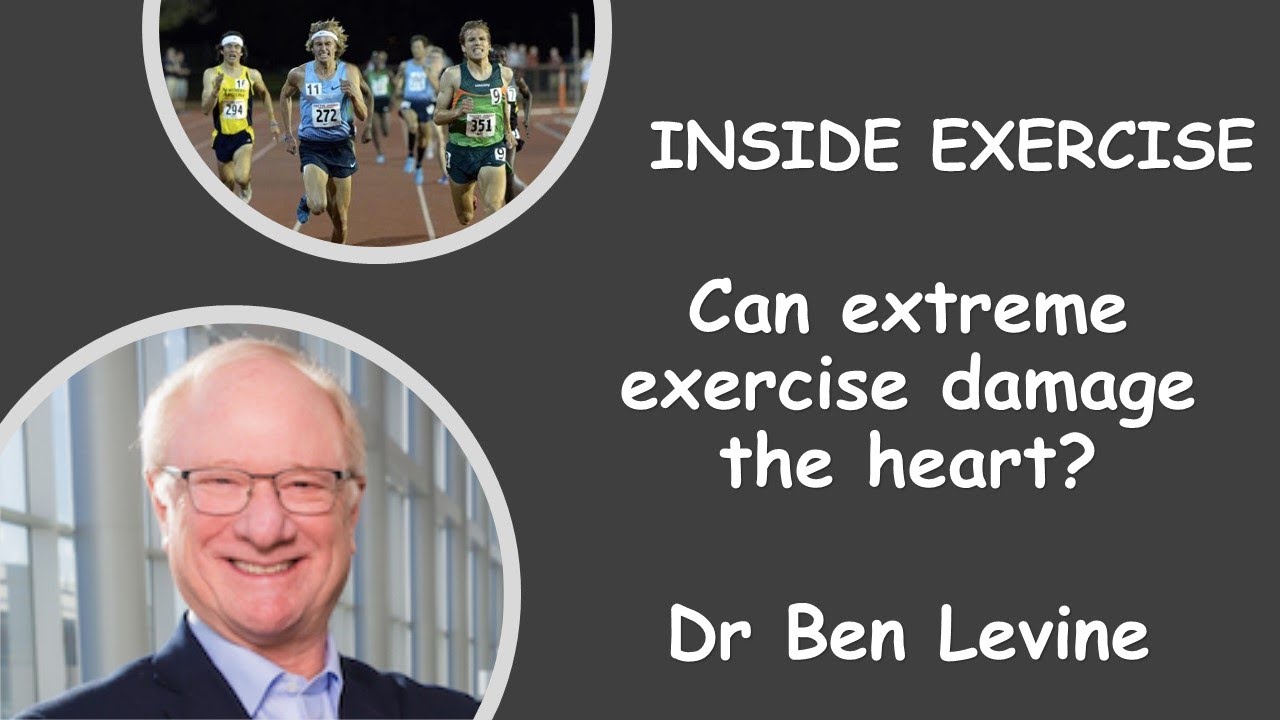
um because when you talk about cardiovascular a lot of people just think of the heart you know the cardio so it's the heart and the vessels and I'm just reminded a bit so when you're talking about with exercise training because um with Ben I had Ben Levine on here and he was saying you know walking is great for your sort of metabolic Fitness and things like that but you need to do something a bit more intense to get the car the heart adaptations so you know increases in your left ventricle mass and things like that
did you want to just talk a little bit because you know you were saying walking is good enough uh for the blood vessel responses do you want to sort of break that down a little bit for people Just to sort of so they they think hang on cardiovascular so what what I need to do for my heart what I need to do for my vessels do I get both I do this you know what I mean yeah and that's where I say that that that gets to be very complicated because of course you can argue
that it's better to do you know 60 Minutes of a brother in terms of exercise until you almost fall down to do that every day um but it depends on your initial level In in depends on your mentality and Depends mainly on as I said whether you do it or not because it doesn't really matter if you if you don't want to run you won't you can do it for three months and then you stop because you think this is just not me and I'm getting pain in my knees and I'm giving this and this
so I I'm more promoted I know that something's a little better than the other and I know that that some more intensive exercise is better than if you Do very low in physics but I don't care if I if somebody asks me uh what should I do I say you do anything you can find that that you enjoy play tennis go dancing uh do as much as you can in a day make sure that you go to things or cycle to things or put it into your daily activities uh and I am I'm sure that's
going to make a difference for you cardiovascular system you know in relation to lying on the couch and saying well I can't run anyways so I'm Not going to do anything so you asked you you tell me what's better it's better to move around because anything you do is going to start sending signals anything you do in terms of in terms of physical activity and if you enjoy it you'll have all the other benefits of doing something that you really enjoy so if you love tennis play tennis as much as you can or if you
love biking go biking and find a nice place to bike or if you you know if you Love running you run and but people are different and there's no need you know to to make things boring often social activities you know when you do together with others is also really good thing I mean we are people here and who do social sciences and so forth psychologists who are excellent at at trying to to study people and figure out what are the barriers what make people want to do exercise and all sorts of things you can
do there's no limit in my Mind to what you can figure out to do just move that body you know so I I am a little reluctant to say well you have to do 30 minutes and you have to have your heart rate at a certain level I say no because that's not for everyone I know so many people who will never be able to do that foreign so just trying to put together um so I guess are we saying if you do a higher intensity stuff you'll get the Cardiovascular and the blood vessel effects
but maybe at the lower intensity you'll get you'll still get that shear stress and that nitric oxide production and by the endothelial cells yeah that line the blood pressure so then you'll get a bit of a drop in blood pressure say someone's got a normal blood pressure 120 on 80 and then as you age you tend to increase blood pressure as you said because your blood vessels become less elastic Etc but also because You're not as active and you you were saying I guess you said 50 or so of the increasing blood pressure is from
the inactivity so we use it on stage no not the increase in blood pressure but but about when we look at vascular responsiveness for example both so we can do that by you know putting catheters into people infusing invasive dilatory compounds and look at what's the response so the basic dilatory response to this compound and We do that in in people uh different ages and with different training status amen then we can see that the large proportion of the decline in this ability to respond to invasive dilator is due to inactivity so not the blood
pressure per se but but you know aging does have a an effective effect regardless of blood pressure like so the blood vessels are becoming less elastic I guess less responsive that well we've talked about the Endothelium right so the endothelium is producing nitric oxide for example and you're infused uh like a drug for example acetylcholine that causes nitric oxide release and you see the effect on the blood flow yeah so when you give the acetylcholine if you've got nice healthy uh endothelial cells blood vessels that will cause relaxation and you get nice increase in blood
flow the other thing you do is you infuse nitric oxide itself so a nitric oxide donor like sodium Nitro side and that bypasses these the the industrial cells and just directly acts on the smooth muscle to to cause relaxation so you know as you and I both done a lot um we say okay so what's actually happening there so as you get older and less active your blood vessels don't respond as well is it is it just the endothelium so the cells around the on the inside layer of the blood vessel or is it also
smooth muscle because I know There's been a bit of a debate about people with diabetes if they have yeah that's right so so I would I would say that endothelial function has been investigated substantially uh you know in the way we do it and and the way other people do it smooth muscle cell function has been much less studied uh and it's generally studied as you say by infusing a pseudonym peroxide which is an antidote and then you look at the response but that tests is the smooth Muscles for sensitivity to Nita Garcia and that
normally doesn't change very much we can this a few studies that that show changes but usually that's not effective but then I I would like to say that that that's just one aspect of smooth muscle you know the sensitivity you know may not change but there could be a wealth of other things so one of the things we've done in the Copenhagen women's study for example is we've infused a compound called hypoprustanol Which is a process cycling analog and that one is severely reduced already three years after menopause in women uh there's a huge difference
and if we train these women it actually it's very drastic but in just three months of training and by spinning training we see that the um their their response Pro cycling is normalized so this is the fact that it's ignored we've done it in other studies and so forth the process I can system I think has been overlooked a Bit in terms of local regulation and importance and domestic functions because we see often that that system is is very effective just to say that the smooth muscle smell is not being well enough studied yet so
we we actually have a postdoc here that is studying experience she's isolating smooth muscle cells from muscle biopsies of people before and after training and diabetics and others and she looks at their properties a bit in terms of Mitochondria energy production so forth um and I think this needs to be to be done better to be able to answer your question of whether smooth muscle cell function is deteriorated I'm sure you know it is more than we now think based on just the sodium neutral preside test okay great so based on yes so what you're
saying there is that the exercise training uh can improve function it may be not just the the the endothelial cells around the inside of the blood Vessel but the smooth muscle which is actually so just so people know like when we're talking about constricting it's the muscles Contracting so it's just smooth muscle Contracting to make it narrower or if it's relaxing so that's the important thing that's actually determining your blood flow yeah yeah so they're integrating all the signals they're integrating the signal from liter guard server and process Cycling from the sympathetic activity from everything
you know it's it's a multi-integrator of signals yes so we've kind of tiptoed around it and everything but tell me what what have you looked at so with the Copenhagen woman study Etc so you've looked at um before and after menopause Etc what have you found in these women when they go to uh post-menopause and then what have you found the exercise training does again just to clarify that yeah so So we started this in 2013 also with the Eric Richter was was part of it and several others uh because we figured that there wasn't
enough data in women and and this is the truth I mean we have mainly you know studied men in physiology and and we started this company in women's study to look at different aspects in women and how they responded to training and the idea here was to to sort of match them in a way that they were late pre-menopausal and Recent post-menopausal so they were just an average four years of difference in age between them even if they had a very clear sort of sex hormone status that showed that they were even pretty much we
didn't have any in the Perry phase or the between faces and and what we did is we trained both groups three months by psycho exercise spending training you know interval training and we looked at a number of parameters The board and vessels and some metabolic issues and so forth but anyways just to stay with the cardiovascular aspect so what we saw was that we just these four or four years of difference in age and three years of being on average in a menopausal State we saw a substantial difference in vascular functions so already within these
three years of losing estrogen the vascular function hadn't deteriorated so the reason for this is probably Because we know that estrogen has a protective effect on cardiovascular system right so a for the first half of a woman's life until about 50 before they enter menopause you have a protective effect you have less risk of cardiovascular disease and so forth but then as as you go into menopause you lose all of your estrogen and therefore you lose this protective effect and the the influences that requires drastic and many parameters and cardiovesque system Muscle bone many many
things are affected when you go into menopause so our idea was can can we see this difference on at the microvascular level which we looked at and can we sort of opposed Us by exercise and that's exactly what we saw and you can impose all of the effects of estrogen loss of course you can but but exercise was a good way because it sends some of the same signals as estrogen does that was sort of the idea and what we saw was When people when these women train they improved significantly and and in just these
three months so both groups both the pre-menopausal improved but actually the post-menopausal even had you know better effects if anything on some of the parameters there should be added to this was that this is partly based on on American studies from Doug Seal's lab and Kerry and morose lab that show and very Clearly and very nice studies and and reliable studies this show that when they train women less rigorously than we do and they don't get a a positive response in flow media dilation so that's a test of large artery functions right and whereas men
on the same age did when they gave them estrogen they saw an improvement also the women right so when we did our study we saw that for the parameters that we measure and with the Training that we give them which was more rigorous they had sort of walking I think at home or you know so uh the um yeah they did some kind of sort of intensive walking if you will and we did of course the highly controlled spinning exercise you know very very intensities are are substantially higher so we saw clear effects they didn't
really see effects unless they gave estrogen at the same time so maybe sort of more intense exercise because Apparently the flow mediator dilatation I read in a few places here and there maybe it's not the best way of measuring endothelial function so this is where you stop flow do you want to just explain what it is compared to I guess what you're doing with yeah dilation is the response you get so you should use the Forum but you can use the you know like also you include flow and then you look at the after-postic ocean
sort of uh changing diameter of a you Know brachial artery for example and and so of course this is not where the it's an indicator of endothelial function it's it's been used as a clinical indicator because it's non-invasive and it's good in that way and it does correlate to some of these clinical indications of changes in cardiovascular health and but physiologically I think I'm not sure what it means that would you would have to assume that whatever occurs in that Large artery which doesn't regulate flow is the same as as a curse in the microcirculation
where you do regular blood pressure and all these things so that assumption would have to be there and whether that's true not I don't know but it's it's it's a useful indicator it's just not so physiologically uh clear what it actually reflects then we followed up on these we've done a number of studies you know cross-sectional studies in in women that have been Lifelong active and moderately active very active you know motor Captain inactive and looked at these primers seen you know decidifying and we see that there is there's a clear difference if you've been
very active again this kind of you know almost 50 percent difference compared to those who are inactive in terms of of of vascular functional microvascular function so so and also looking at the women that are older and It's important finding there is actually that if women are you know more than 10 years after menopause we don't see the same see some of the improvements with training are the same but not all so it's better it's a recommendations to always be to start exercising at menopause or if you haven't before and to pursue not the menopause
rather than waiting too long I think it actually this is too from men too but we just Come to understand again okay all right that's interesting so so again it's just better to be doing exercise the whole time um yeah so so once you're a sort of age induced deterioration really sets in you know once you've come too far it's harder to reverse rather than to maintain beforehand you see the point so if you mean if you keep the system working well it's better than waiting until it's Deteriorated too much and then try to reverse
them yeah I wonder if there's any protective effect so you know we know that Olympians and things live longer um on average I wonder if there's a protective effect of exercising you know for many many years and then if you stop I wonder if your blood vessels and things are better or you go back just you go back exercise I think you have a yeah I think you have a better You know we have a better pointer so you know you can't you're keeping at a higher level somehow you get injured completely injured you couldn't
do anything anymore it would still be at a higher level so it would take longer to you know so even if the fall is the same you will still you know maintain a better level for a long time you see that point okay okay yeah that's interesting right so this is great I want to just uh have a look at a Couple of Twitter questions uh if that's okay so Mark sent through uh okay so he's talking about whether a different okay so resistance aerobic Sprint hit and isometric training all decrease resting blood pressure how
does the mechanisms differ between exercise modality is even though they all seem to sum up to decrease resting blood pressure do mechanisms exist on an exercise Continuum I guess we touched on this a bit earlier Uh you can end up even though it's very different you end up with relatively similar I guess the mechanisms must be a little bit different and I think that this is true are more or less sedentary from the start as they said it's it's almost you can also get capitalization on almost anything you do if you're untrained from the starts
it's like the the cardabesque system if you're a sedentary person it's just sitting there waiting give me some Stimulus and I'll do anything to improve myself uh but but um to understand to fully know the mechanisms and the differences with these types of training I I don't I don't think I dare to go there because I think that would be that there will be differences you know in what underlines the effect but I I think that's quite complex especially for so many different Versions of of training yes yeah and yeah in your starting level and
uh even if you say resistance training it would depend if it was like circuit type training or heavy weight training right yeah yeah muscle mass and yeah and and where you're at when you're starting as you say yeah any you know so so there are so many factors in that that'd be difficult to answer this one again might be a bit hard to answer but um David is asking based on Your work in healthy and diseased young and old and male and female if we have 30 minutes three days a week sounds like a busy
man here if you have 30 minutes three days a week for dedicated aerobic training uh what would have the most optimal use of time all hit or uh moderate intensity continuous training a mix so I guess again hit you were saying earlier you don't want to do really high intensity you wouldn't want To do Sprint is that right but again do what you do what you want to do do what you want to do I I always say because not because I'm a rower but because when you roll there are good things about rowing so
if you have a rowing machine at your gym I think that's a really good cardiovascular uh training device the reason for that being that a injury levels are low as long as you row correctly so your back doesn't get injured you know and or unless you fall Off your rowing your Governor you're not easily getting injured in rowing which you can when you go run so if you're not too used to it it doesn't matter really how much you weigh so when we train people who obese you know rowing is a really good one because
you're keeping your weight on this device but one of the main aspects why rowing is really good for cardiovascular training is because you're using so many muscles so you're using you know it's about 70 lag It's about 30 percent upper body and you're using everything you have so for I mean I I still row maybe four or five hours a week on my rowing order Governor I have one in my house and I love it it really is so good you know overall good so if someone asked me what kind of training is that I'd
say that one what type of intensity that's what we talked about before I think integral training if you can do that in any form variations In terms of intervals you have you know you warm up if you have 30 minutes you warm up for maybe 10 minutes and then you go for one two three minute intervals with with half of the time for crosses between I think this will give you incredibly good workout in half an hour yes the other thing I was thinking is when you mix it up mixing it up I used to
find when I was a runner just going the easy runs or whatever I found it was Boring when you do intervals you break it up the time goes quicker as well yeah fine it does it's a quicker and it's the concentration I think yeah you know I I really you don't sort of stuff it's easy to soft up you know you go running and you you know your music yeah yeah you go a little you don't you don't go okay I have 30 minutes I'm gonna do this now and this is is what I focus
on I fully focus on what I need to do and you give it quality as opposed to just getting Time asked yes so for Effectiveness but again do whatever you think is fun yeah okay Richie's asked a more sort of I guess research related question but what methods do you think show the most promise for assessing limb blood flow during exercise anything that can be used during Dynamic exercise and as non-invasive EG thoughts on diffuse correlations spectroscopy which I'm not familiar with but I guess non-invasives we've talked About various um I guess there's some non-invasive
things are still expensive so you know we talked about refusing yeah yeah that's right so the ultrasound doctor would be uh be uh the best I think in doing heavy exercise I think the thermometer dilution is still the best that being tilting man develops infusion are called saying no no she talked about because when you come up to very high intensity exercise It's hard to do the ultrasound Doppler in a good way you can keep the probe in place but for non-invasive that's invasive so we're non-invasive I think Delta saying doctor is the best but
it's very expensive yeah other I don't know I mean people I don't know if you know but I haven't really looked into that yeah I know about it but you can't you can't look low as such to to in a very good way not yeah I think I think strange age smallography could be aversion I I know people like that one and it's quite good yeah it's it's old-fashioned but it doesn't mean that it's not good I know that Mike Joiner has also talked about that that's a pretty decent method I haven't used it myself
so I don't know when we first looked at measuring blood flow to do with glucose uptake during exercise across the leg and an arm and things we looked at venous occlusion for This biography but I thought that's the artifact you've got it when you can check and you've actually got to stop to do the measurement that you can actually do it during exercise sure yes um now you gave a talk a couple few weeks ago and I think I asked you this question I remember the answer but um basically I'm interested in uh people with
type 2 diabetes it's well known they have normal glucose uptake during Exercise all right so even though they have problems with it insulin stimulated glucose uptake abnormal glucose application and we did a study with them you know infusing Nitric oxides in these Inhibitors and things like that but the interesting thing was we found that they even though they have normal glucose uptake during exercise they had lower blood flow the same absolute and relative intensity and Again I don't know if you've thought about this or not I asked you in the conference two weeks ago and
I can't remember I was probably a couple months ago now wasn't it yeah do you have any ideas about that because that sort of um because we also showed the head reduced endothelial function so we we infused it acetylcholine at rest and suddenly knife I start at rest and we showed that in the field dysfunction their blood flow didn't increase as much With um with these dilators but then we exercise them and they they actually had normal glucose uptake but they achieved it with like a lot quite a lot lower like the blood flow was
like in the leg was I think about three and a half liters per minute in the controls and the people of type 2 diabetes it was about um 800 mils or something like decently lower yeah so it meant they're actually Having two no maybe that's wrong it was about 505 liters I guess versus and then 800 it was it was decent 800 mils it was like that's a lot that's a maximal exercise okay I have to have a look at it um anyway it was very significant it was a big big chunk yeah I can
show you yeah yeah um so it's not something we usually see so we even had people work with uh extreme Peripheral arterial disease who Have the same exercise flow response more or less the same workloaded yeah yeah so it's kind of yeah so it's I'm a little surprised in fact the only we always say that the most resilient systems of all is is blood flow during exercise because it's usually you know uh pretty good but in eight aging you see it for a decline not that marked as as you seem to indicate here but it's
There um for you to I mean you would if you have the same glucose uptake the only explanation for that is that you have done an increased auction extraction or that the flow you're working at is not limiting for glucose Supply which could also be the case right so whatever flow the the diabetic patients are are having is enough to supply so yeah it was interesting we had them At 60 of Euro to Max and they actually you actually Max that match their video to Max so it's 60 they're at the same absolute and relative
intensity and the blood flow was I'm sure it was like 600 mils low it was decent but like as you say it means they are extracting more oxygen because they ended up using the same oxygen so they're extracting more yeah um yeah and they were extracting more glucose but anyway sounds like it's a bit of an anomaly but we did use uh Thermal dilution it did look pretty pretty tight I'll show you later um yeah you can show me the data but but I mean we know that the capacity to to increase oxygen oxygen extraction
is pretty good at least in muscle and you know compared to the heart that doesn't have that capacity to increase the volume so so uh yeah there is there is room there so if you pharmacologically lower blood flow what's going to happen Is that oxygen extraction is going to increase right or you will increase flow actually and so so depending on depending on the experimental situation we can see both effect yeah okay so I'm wondering about other things you might be working on that you're excited about at the moment we've talked about this endothelial dysfunction
and I see you've done research on that so you've been looking at Are reactive oxygen species production and then you've been looking at mitochondrial dysfunction in there and you've even looked at short-term supplementation with fermented red clover extract uh reduces basically inflammation do you want to just tell us about some of the work you've been doing so what we're trying to do and not so easy but of course when people do when people work at empathelial Functional in in cell culture often what they use is a human umbilical vein cells you know that have been
passage many times or they use bovine awardic cells so they use cell lines or whatever but we thought it would be a good idea to try to isolate endothelial cells from skeletal muscle biopsies that a you have primary results that are human but that also originate actually from the micro circulation of muscle And so that's where we've spent many many years and trying to optimize that method and have been successful at that actually and with all the limitations there are in isolating small numbers of cells from a very small muscle sample there's always limitations in
our models this one has its limitations too but but what we do there is we do look at my under function to understand how the energetics on the endothelial cells and the Ross production by mitochondria May influence uh you know in the theory of function such but also capillary growth antigenesis you know there's a suggestion that there's a switch in in glycolysis to my organic chondrial function and you know when when you go from towards more your carcass call us a story when you get capillarization so we've been trying to look at this it's not
so clear-cut in our hands uh we see that individuals with hypertension have more rust Formation in their endothelial cells for example we see that when we train people the antioxidant capacity and that is the ability to take care of reactive oxygen species is improved so even if these are cells that have been isolated and cultured prior to Michigan they maintain some of the phenotype that can be seen some is certainly lost in part because there's no mechanical impact on these cells that can be you know you can't reproduce that Perfectly in in vitro but we
can see differences and we can see types of training and that's kind of I I think that's very interesting in women endothelial cells from women we have seen that that actually rust production is lowered in the end of the physiosis which means something in ultimately foreign okay great so just to make sure people are clear on this so you're doing a muscle biopsy and these endothelial Cells we've talked about which line the inside of the vessels you're actually grabbing some of those isolating them putting them in culture like in a cultured dish sort of thing
and then you're saying that they maintain some of their um same function that they have in Vivo in the body and you find that for example um that exercise training increases so you said you get reactive oxygen species which can interact with the nitric oxide Which is important for dilating and the reactive option species are sort of taking that away basically you're saying that your training is reducing that reducing the uh yeah yeah it's improving the antioxidant capacity so that means that you can remove your reactive oxygen species maybe before they're drafting them into darkness
yeah so you're saying because we know that exercise training increases uh Antioxidants yeah in muscle in the muscle muscle fibers you're saying in the in the ethelial cells as well per se in the cells yeah yeah great thank you I didn't know that yeah it hasn't been done before it's I think it's the first time ever actually in at least in human cells yeah that's very interesting so when you exercise training you're improving your ability to handle these free radicals or reactive oxygen species in the muscle Itself but also the blood vessels which are diffusing
the muscle which is very important yeah wow that's great all right now one thing I ask people sometimes is um you know they say oh here's the other Helston for professor she's got all these papers it must be that everything every study you ever do works right it all works great and you submit it to Nature and off you go yeah so um the nature parts I I guess what's good for maybe students And even people that aren't researchers to know is that experiments well you tell me do your experiments always work is that how
science works like your hypothesis comes true no but I always say that if I knew from the start what I would find that I'm not going to do the study so if I'm so sure of what the outcome is I can't see the point so I'm an Explorer and I also say that the for sure many times we do studies and we have this thinking it's Like okay this is our hypothesis my work may not and we say something completely different and that's where it's really interesting so so that's where the the goal lies is
when you sit there and you look at these data that you have you thought you know you had some ideas you thought this is was probably going to happen not sure where they happen but then you see something completely different and you go wow what's you know what lies of information in this Absolutely different you know uh set of results than I had ever expected I and I think that's the best thing of science is when you get that you know yes it's great it's not what I thought but it's great it's different let's figure
out why it is different and what makes it different so no uh you you set up a hypothesis to have something to work for but as I said if you already knew pretty much all right I'll do the study on my show that this is for sure and I'm Pretty sure that's too boring for me I don't want to you know I don't want to do that kind of Reason exactly so I like the challenge I like the difficulty I like finding out that it's not at all like I thought it was and that's really
where I think it's fun yeah so yeah so no a lot of things don't go as planned and when you do Human Experience you have to be aware of that there are so many limitations of course uh in having humans as opposed to having cell culture Or animals that don't have a say you know they get sick they get bored they don't do what you want they eat something before without telling you they you know there are so many aspects of Newman Center and the biological variation is huge because whatever if they lived so 60
years before we measure them there are so many things that have gone on in their lives that you will see very diverse very individual results which is also exciting which is the Truth when we look at it as humans but but again like difficult in terms in terms of interpretation I think right yeah I like I like what you said there because um about not about the exciting things when you get results you didn't expect and it's so important not to keep a closed mind and think oh that's weird and just forget that because quite
often it's when you follow that you end up with a whole new series of questions and a whole new area and looked at it's Right all right so what I like to do at the end here is to um if we covered pretty much everything is there anything you're you're itching to get out that we haven't talked about I think you've covered a lot yes thank you okay great we tend to do that okay so um I'd like to finish up with sort of uh bottom line key takeaway sort of points that you'd like people
to get out of this chat and what do you think well I think I I think so it's obvious when I talks Properly that that I I do promote exercise because I know how much with all the work I've done during what 30 some years in the research I have the information in my head you know that people will not have but I would like to say that that that I really promote being a physical active as anyone can you know without doing it of course but you know to the level that you can handle
because it's such a huge impact on on the cardiovascular system And the cardiovascular system is so Central for functions of all organs and we really think that this is a systemic issue you know if you if you begin to have cardiovascular problems you probably affect all organs the brain the heart you know the muscle whatever all of the all of the organs um and I also think that people really you know should think about doing something that they like as opposed to thinking that of this as a horror Because I think everybody uh what else
I think we should be be um very observant of that women and men are different uh there are some sex hormonal differences there are other differences and that we should invest more time into specifically looking at the sex differences not just saying that our every everything should be done in women but thinking about more about what what specific moment was specific for women so for now right now actually We're doing a very large study trying to assess the influence of testosterone and androgen receptors for training responses in in men there has been some of that
has been done before but but we're doing on a fairly large population to understand also in man so it's not to say that everything from now it should be done in women but it's important to to think about how they differ and therefore also to to look at aspects uh you know physiological aspects in Relation to that um that's about it I think yeah I think yeah the interesting thing there with the the sex differences Etc is I had Eddie Abby Smith Ryan on um six months ago or something and it was a real mind
shift for me because I would always think of sex differences of comparing a man to a woman but obviously you've got the interest in the woman themselves you know like a pre-menopause Post-menopause effect of menstrual menstrual cycle contraception Etc then you've got the men themselves it doesn't have to be always just comparing um so that was it's obvious when she said it but I thought I didn't really think about that probably okay all right well thank you very much for coming on and for your time it's been great and um Later on okay thank you
see you bye-bye I hope you enjoyed this podcast and please like subscribe pass it on to your friends and colleagues check out the other podcasts thanks again