South Africa has one of the most stable democracies of entire Africa. It is also one of the few countries in the continent that has not suffered coups. This is however a relative stability.
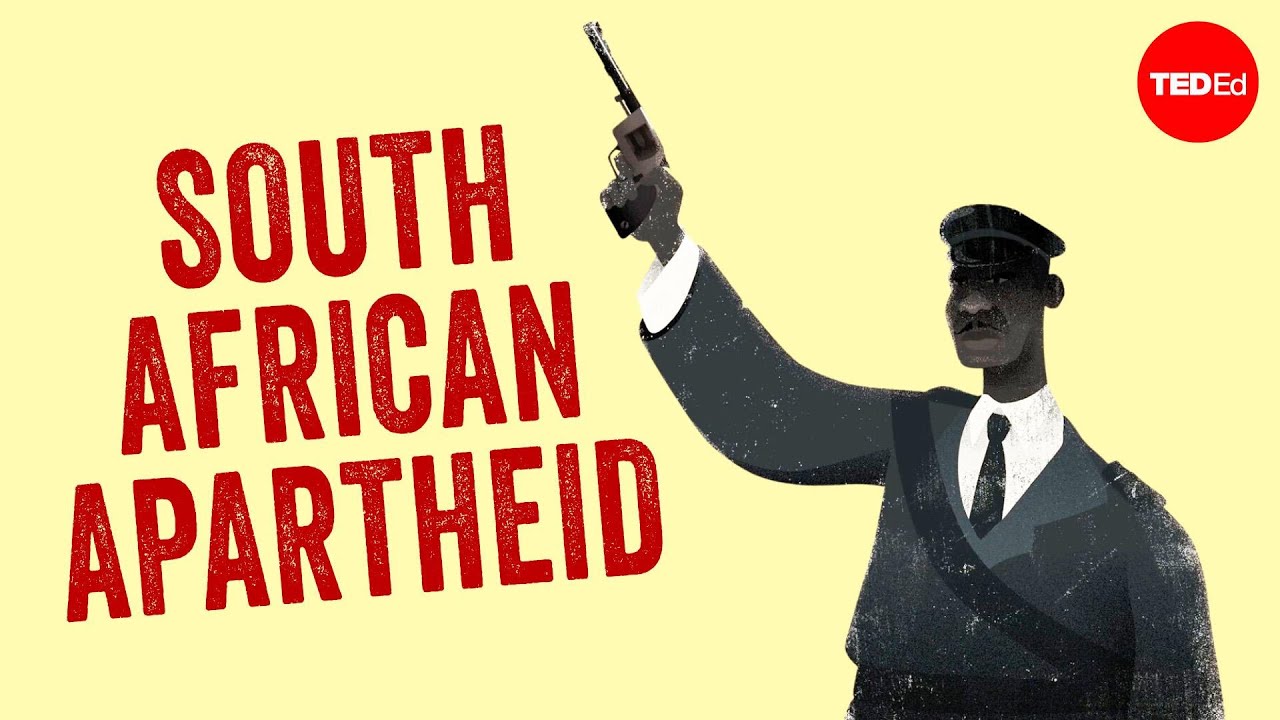
For a long time, the South Africans lived under one of the longest and most rigid regimes of racial segregation in the world. To understand how this was possible, we must go back 70 years in time, until 1948, when the Apartheid was instituted. “Apartheid” means “segregation” in Afrikaans, language of Dutch origin.
In the case of South Africa, it meant the segregation of all non-whites. This racist regime began to be officially implemented in the country from 1948. The National Party won the election of that year.
It was a party formed by white men, descendants of european immigrants on the south of the African continent 0:00:52. 226,0:00:55. 253 that were a minority in the nation, only 20% of the population at those days.
Blacks and mestizos had no right to vote. The prime minister responsible for the implementation of the first institutional politics of the Apartheid was Daniel François Malan, a son of French protestants that had emigrated from Europe to the south of Africa. This European presence in southern Africa had come from at least the 15th century, when Portuguese sailors searched a sea route to the East, skirting the Cape of Storms or Cape of Good Hope.
Throughout the upcoming years, French, Dutch, and British settled there, in successive migratory waves. The United Kingdom incorporated South Africa to the domains of the crown in 1806. Independence would only come in 1909 and total sovereignty in 1931.
During this whole period, these European immigrants and their descendants that were born in South Africa edited a number of racist norms, restricting the rights of blacks and mestizos of free movement, land ownership and the right to vote. But it was only in the postwar period, in 1948, that Apartheid became an institutional form. In 1949, a law was passed prohibiting all interracial marriages in South Africa.
In 1950, a new law makes it compulsory to classify people into racial groups, inserting this information into the identity document of those over 18 years of age. In the same year, 1950, an amendment called "amendment of immorality" turn into crime the act of doing sex between people of different racial groups The own idea of classifying blacks and mestizos into different races was confusing, besides being clearly prejudiced. Government committees responsible for such screening ended up even putting blood brothers in different groups and subdivisions, based on appearances – such was the arbitrariness of this policy which was intended to protect the interests of whites at the expense of all others.
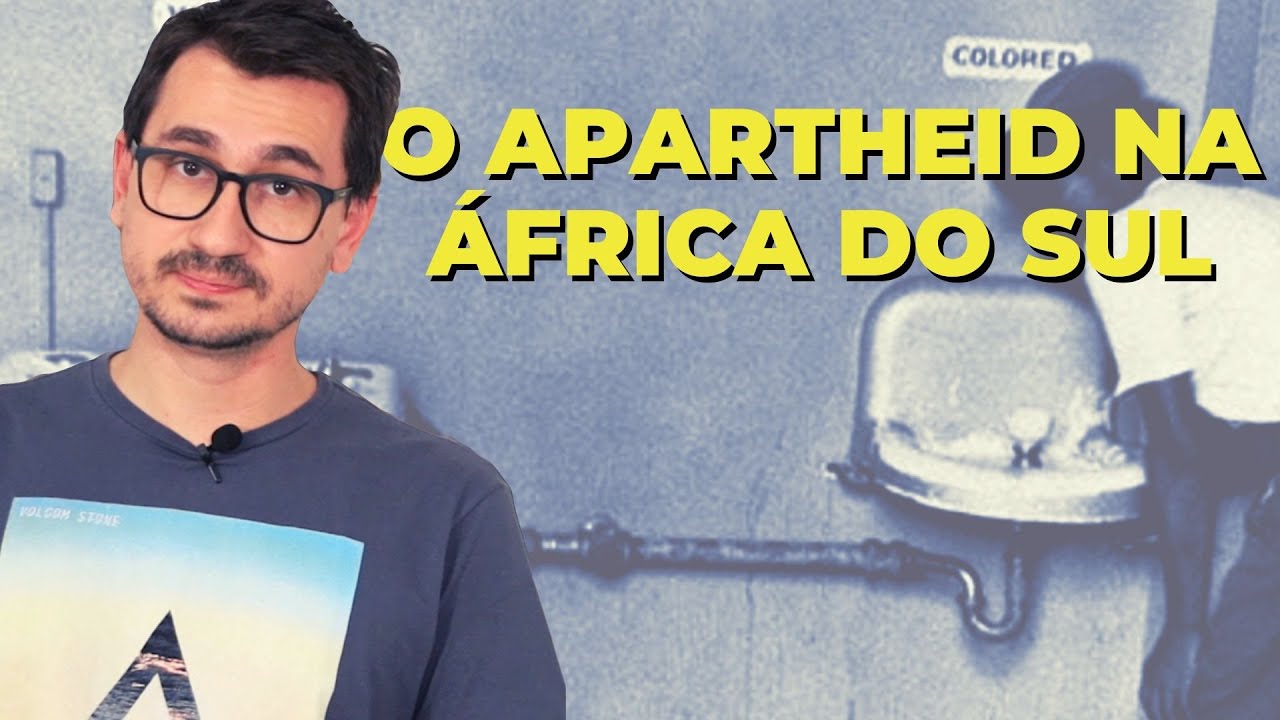
As of 1953, norms have appeared to forbid blacks from walking on the same sidewalks as whites, attend the same beaches, use the same buses, hospitals, schools and universities. From 1959, a policy that leads segregation to a new level begun: the forced removal of blacks to the so-called "Bantustans" or "tribal households. " This name was given to regions designated by whites so that blacks and mestizos lived in species of ghettos located outside the major urban centers.
The moral justification was to create species of independent black states. In practice, these bastions were controlled by puppet administrations. In the 1950s, more than 60,000 South Africans were forcibly removed from Johannesburg and confined in a neighborhood called Soweto, acronym in English for South Western Townships, or Municipalities of the Southwest.
The black community of Sophiatown, on the outskirts of Johannesburg, was removed by the police. The houses that were left behind were demolished and the terrain flattened by excavators. The new residents, whites, baptized the place with the name of Triumph.
This phenomenon, which continued through the 1960s, 1970s and 1980s, is considered one of the largest forced population removals in history. In Apartheid South Africa, blacks were treated as foreigners. They only entered white neighborhoods as "guest workers", carrying a specific pass, a kind of passport.
In 1960, residents of Sharpeville's black neighborhood burned their passes in front of the police, that responded killing 69 manifestants. That year marked a turning point. While South Africa was experiencing Apartheid, the world was experiencing the Cold War, with Americans and Soviets disputing much of the relations between the countries based on the simplistic division between capitalists and communists.
Fearing that the resistance movements of South African blacks would hang on the side of the Soviets, many Western powers, notably the UK and the US, have tolerated Apartheid. But this began to change, with the growth of the civil rights movement in the US and with the massacres that took place in South Africa. In 1960, for the first time, the United Nations in New York, is pronounced against the Apartheid policy of the South African government.
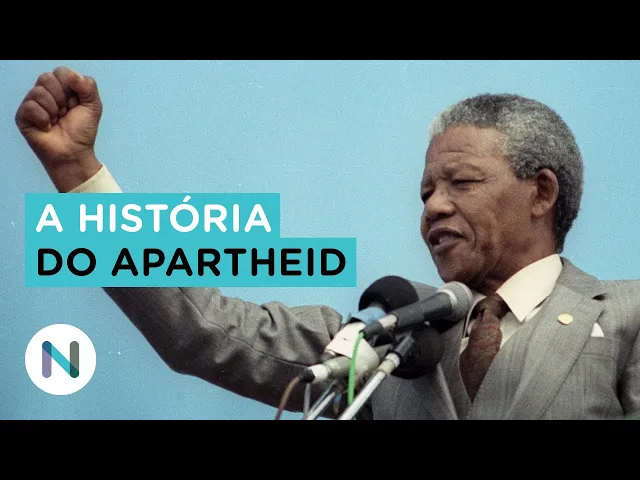
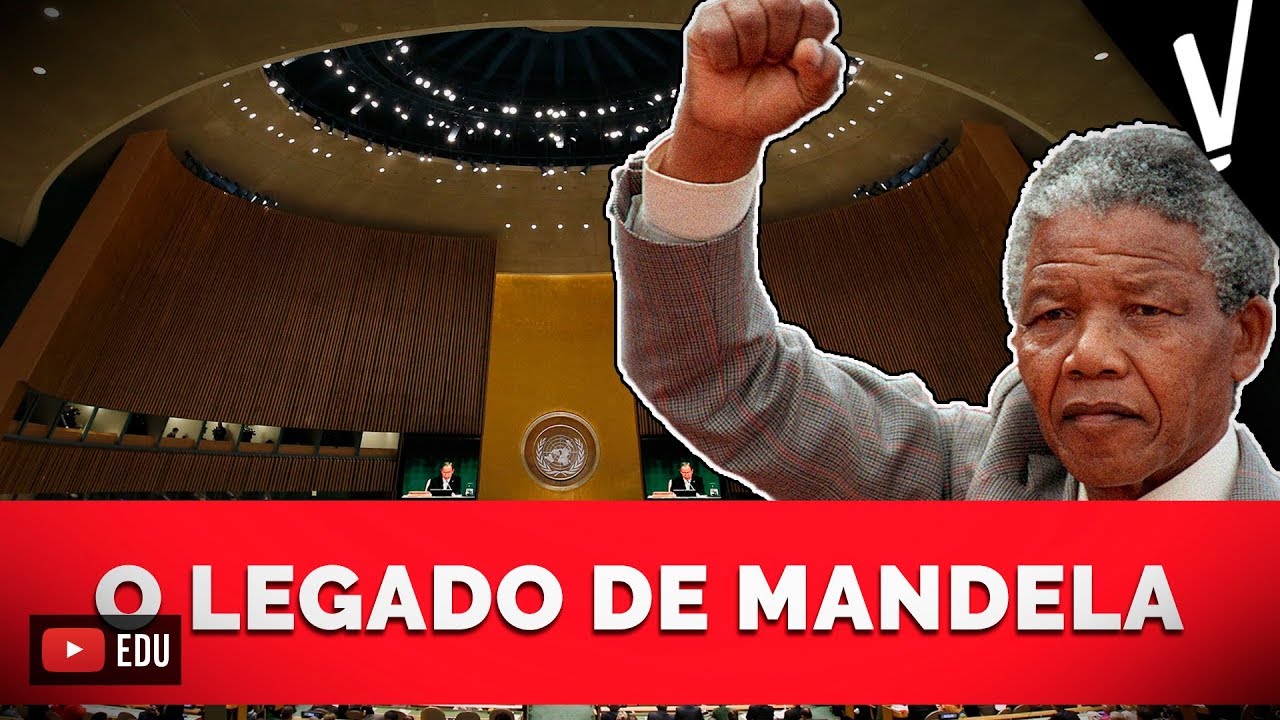
In 1961, the international pressure increases with the visit of the British Prime Minister Harold Macmillan to South Africa, where he made a statement to the local parliament called "The winds of change", in which he calls for changes in Apartheid policy. However, none of these external pressures would have any effect were it not for the struggle of the South Africans themselves. And among them, one in particular: Nelson Mandela.
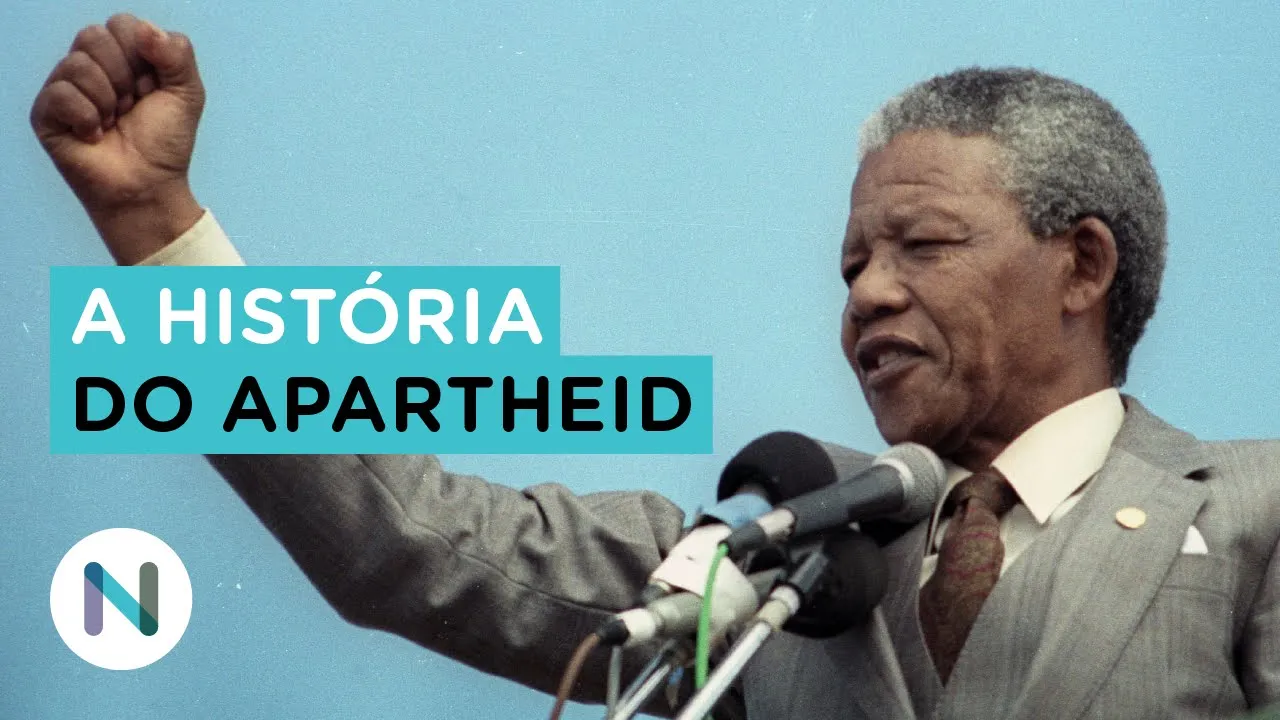
At age 43, Mandela takes the lead in sabotage actions which were practiced by an organization of the local black movement called "Spear of the Nation. " The year was 1961. South Africa had proclaimed itself as a republic, moving away from the the British crown’s orbit and the league of former colonies of the UK called Commonwealth.
Mandela and his comrades threatened to mark the date with a series of strikes, demonstrations, attacks and sabotage acts, placing explosives in electrical and telephone network structures in barracks and transportation lines. The black leader militated from his 25 years in a political party called ANC, acronym of the African National Congress. He has founded the youths alley of the party that, in the 1950s, took control of the ANC.
preaching a much more combative line in relation to the Apartheid. In 1962, Mandela – who had received training in guerrilla techniques abroad – is arrested and sentenced to life imprisonment. In 1964, he is placed in a cell of approximately five square meters in the prison of Robben Island, where he undergoes forced labor in limestone quarries.
On the outside, confrontations grow. In 1976, a student protest in Soweto ended with 23 dead, according to the government. Militants of the movement say that this number may have reached 700.
It is in this context that Mandela remains held for 18 years on Robben Island until 1982. Then, he passes through other prisons of the country. The 1980s are marked by arms embargoes and trade embargoes imposed by more than 20 countries against South Africa.
In 1989, the fall of the Berlin Wall and the distension of the Cold War have reduced government paranoia and open up new possibilities for dialogue in South Africa. That year, President Pieter Botha dies and, in his place, assumes the man who would negotiate Mandela's departure from prison: President Frederik de Klerk. In a political gesture against Apartheid.
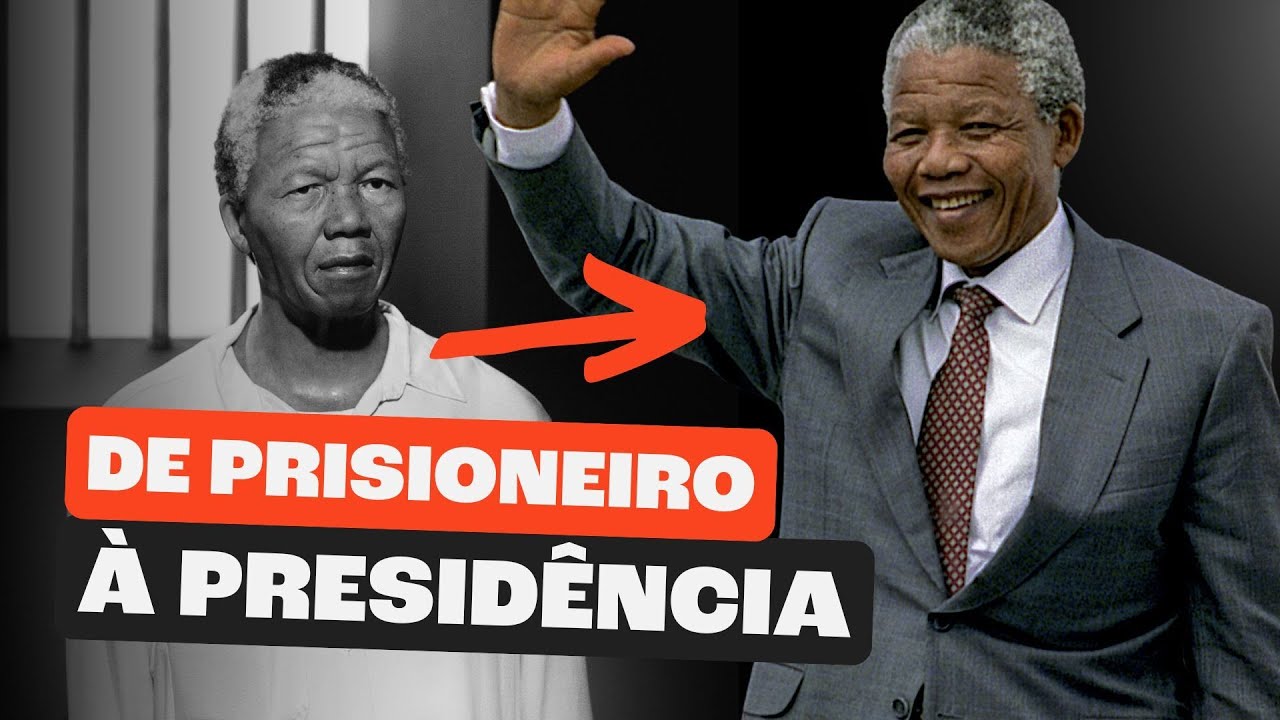
Mandela had refused other offers of liberation during the 27 years he was in jail. He made the sentence completion a form of protest to the world’s eyes. In 1990, Mandela is freed and his party, the ANC, is allowed to run elections again.
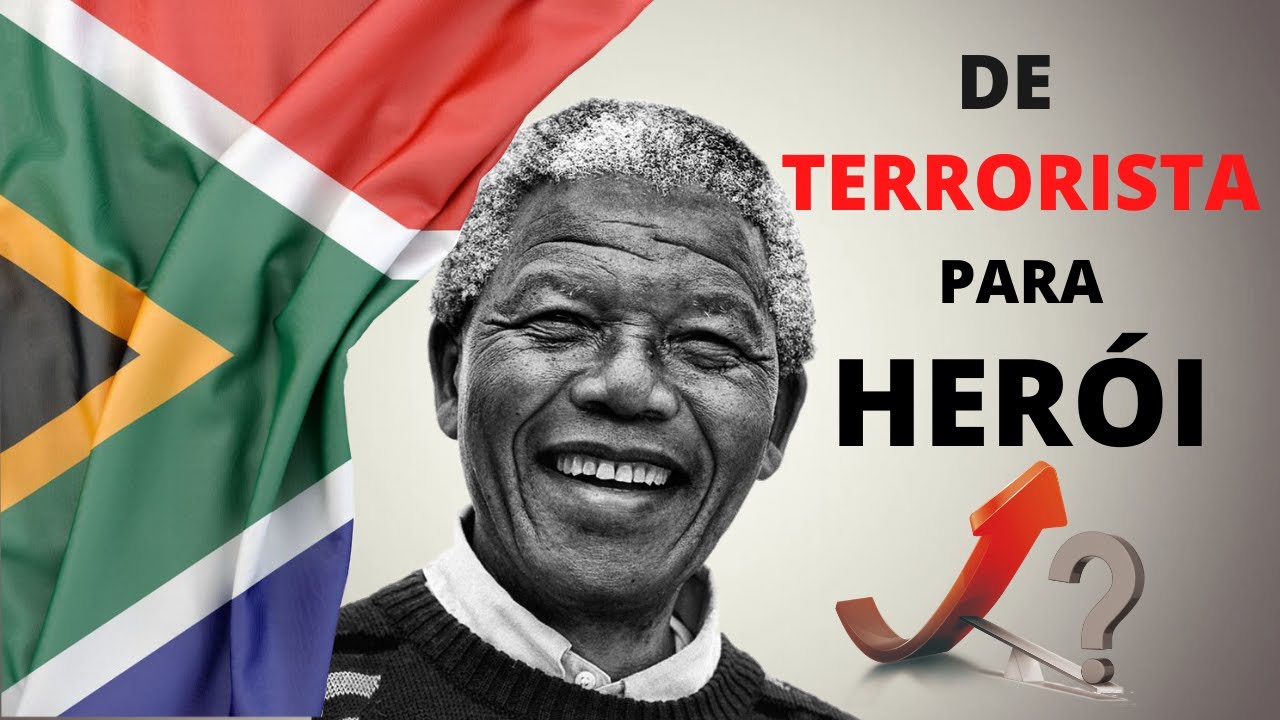
He kicked off an international journey, confirming his image of one who fight for peace and for reconciliation. In 1993, Mandela and de Klerk share the Nobel Peace Prize. In 1994, Mandela is elected the first black president and the Apartheid, that had entered in decline since 1990, finally reached its end.
The country was unified and the democratic transition was pacific, without a civil war. Ushered in an era of optimism, with the closure of the institutionalized ethnic divisions and with this rise of the “rainbow nation” image, that guaranteed equal rights to people of all colors. Mandela's election has suspended foreign sanctions and the economy came out of stagnation, making South Africa an emerging country, today known as one of the “Brics” with Brazil, Russia, India, and China.
Mandela governed the country until 1999. And died in 2013. Unemployment, for exemple, fell drastically in 1994, the year of the Apartheid’s end.
However, since then, went back up again. After Mandela, three other leaders of the movement, colleagues of Mandela, occupied the presidency, maintaining power always in the hands of the ANC, the African National Congress. The most recent of the three, Jacob Zuma, ended up resigning in February of 2018, when the begging of Apartheid completed exactly 70 years.
Zuma was accused of involvement in corruption. The revolutionary history of the ANC, the party of Mandela, passed, since then, to merge with allegations of misuse of funds and other crimes. The cycle of fight against Apartheid was over.
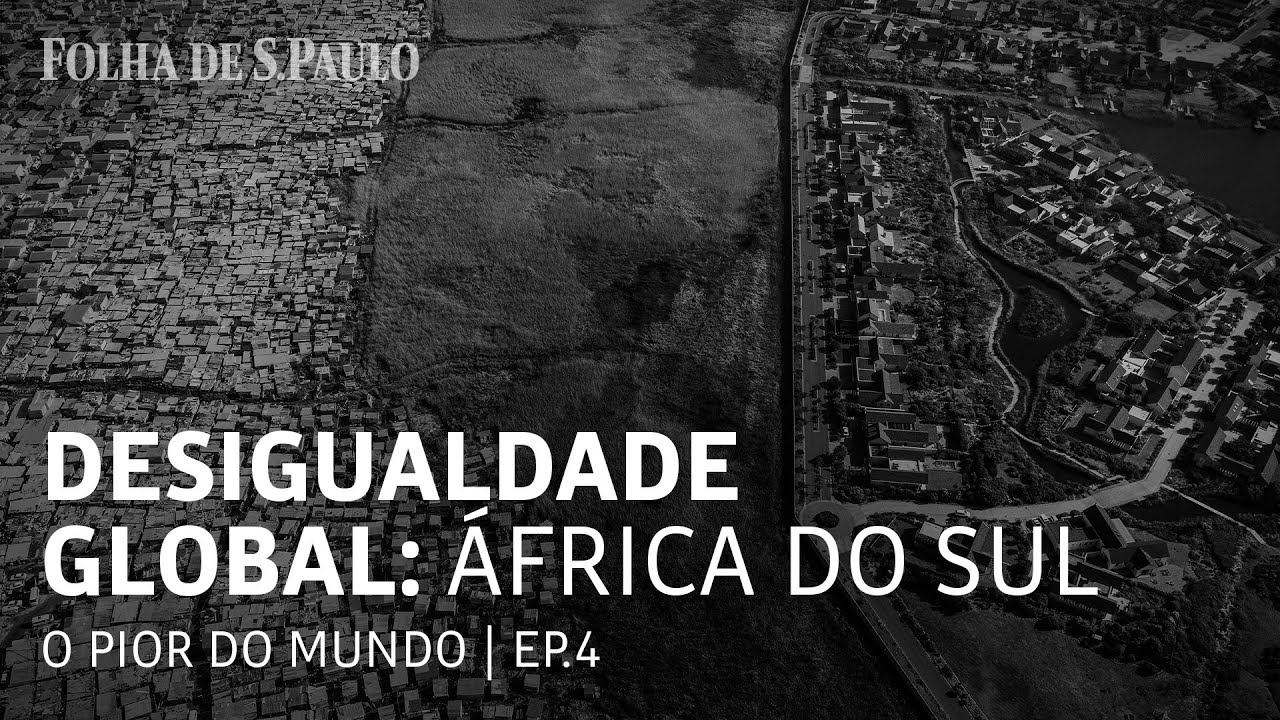
But was not enough to put an end to serious socio economic problems of the nation. The inequality and the unemployment, which affects mainly the black population, plague South Africa, more than two decades after the end of the segregationist regime. The country is the leader of rent inequality between rich and poor people.
South Africa of the 21st century is an example of fight against racism and an example of reconciliation. However, the challenge common to so many other African countries remains: reconcile democracy, respect to human rights and economic growth to everyone.