At some point between the 1st and 5th century CE, the Hindu sage Patañjali began to codify the ancient, meditative traditions practiced throughout India. He recorded techniques nearly as old as Indian civilization itself in 196 manuals called the Yoga Sutras. These texts defined yoga as the ‘yoking’ or restraining of the mind from focusing on external objects in efforts to reach a state of pure consciousness.
Over time, yoga came to incorporate physical elements from gymnastics and wrestling. Today, there are a multitude of approaches to modern yoga— though most still maintain the three core elements of Patañjali’s practice: physical postures, breathing exercises, and spiritual contemplation. This blend of physical and mental exercise is widely believed to have a unique set of health advantages.
Such as improving strength and flexibility, boosting heart and lung function, and enhancing psychological well-being. But what have contemporary studies shown regarding the benefits of this ancient tradition? Despite attempts by many researchers, it's tough to make specific claims about yoga's advantages.
Its unique combination of activities makes it difficult to determine which component is producing a specific health benefit. Additionally, yoga studies are often made up of small sample sizes that lack diversity, and the heavy reliance on self-reporting makes results subjective. However, there are some health benefits that have more robust scientific support than others.
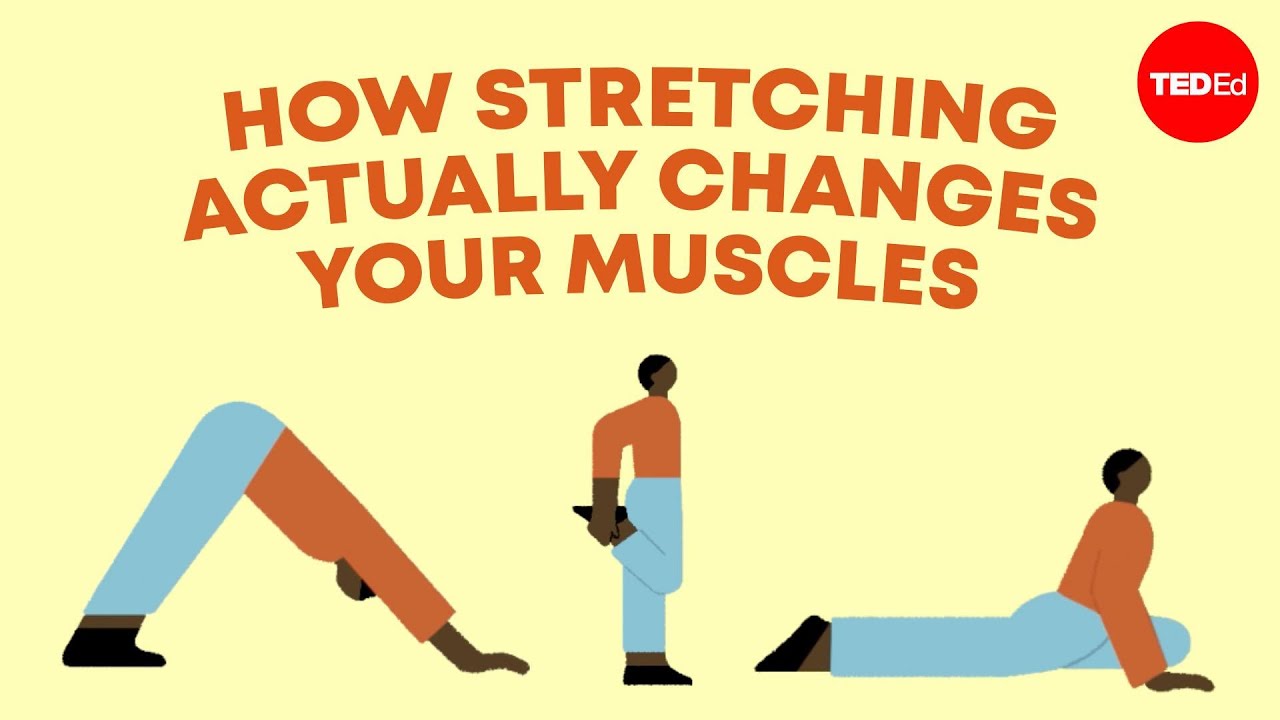
Let’s start with flexibility and strength. Twisting your body into yoga’s physical postures stretches multiple muscle groups. In the short term, stretching can change the water content of these muscles, ligaments, and tendons to make them more elastic.
Over time, regular stretching stimulates stem cells which then differentiate into new muscle tissue and other cells that generate elastic collagen. Frequent stretching also reduces the body’s natural reflex to constrict muscles, improving your pain tolerance for feats of flexibility. Researchers haven’t found that any one form of yoga improves flexibility more than another, so the impact of specific postures is unclear.
But like other low-impact exercises, yoga reliably improves fitness and flexibility in healthy populations. The practice has also been shown to be a potentially powerful therapeutic tool. In studies involving patients with a variety of musculo-skeletal disorders, yoga was more helpful at reducing pain and improving mobility than other forms of low-impact exercise.
Adding yoga to an existing exercise routine can improve strength and flexibility for hard to treat conditions like chronic lower back pain, rheumatoid arthritis, and osteoporosis. Yoga’s mix of physical exercise and regimented breathing has proven similarly therapeutic for lung health. Lung diseases like chronic bronchitis, emphysema, and asthma shrink the passageways that carry oxygen, while weakening the membrane that brings oxygen into the blood.
But breathing exercises like those found in yoga relax the muscles constricting those passageways and improve oxygen diffusion. Increasing the blood’s oxygen content is especially helpful for those with weak heart muscles who have difficulty pumping enough oxygen throughout the body. And for those with healthy hearts, this practice can lower blood pressure and reduce risk factors for cardiovascular disease.
Yoga’s most widely celebrated benefit may be the most difficult to prove: its psychological effects. Despite the longstanding association between yoga and psychological wellbeing, there’s little conclusive evidence on how the practice affects mental health. One of the biggest claims is that yoga improves symptoms of depression and anxiety disorders.
Since diagnosis of these conditions varies widely as do their origin and severity, it’s difficult to quantify yoga’s impact. However, there is evidence to suggest that yoga can help reduce the symptoms of stress, as well as meditation or relaxation. Research on the effects of yoga is still evolving.
In the future, we’ll need larger studies, incorporating diverse participants, which can measure yoga’s impact on heart attacks, cancer rates, cognitive function and more. But for now, yoga can continue its ancient tradition as a way to exercise, reflect, and relax.