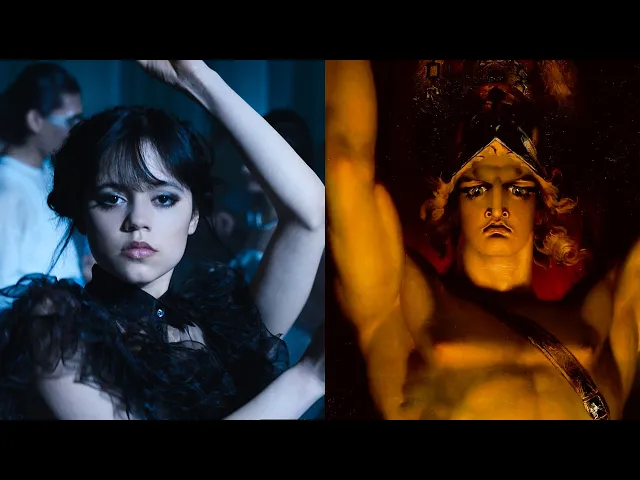
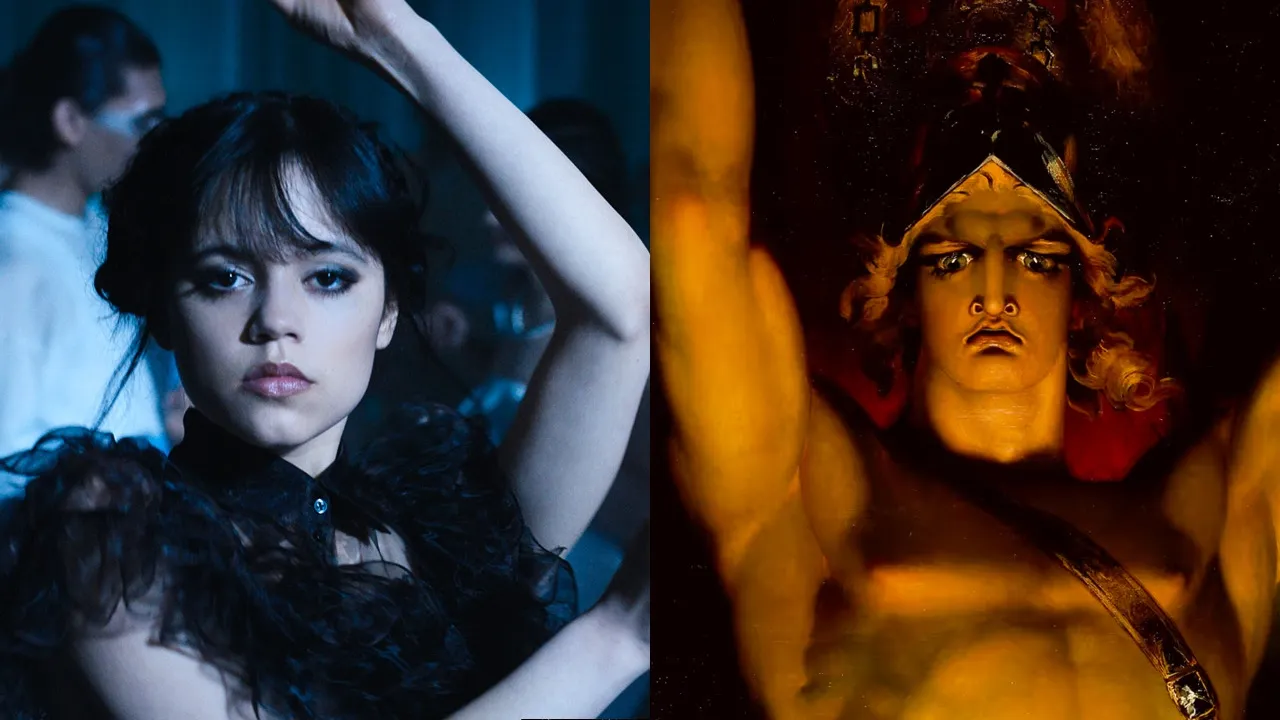
[music] The relationship between generation Z and the figure of Satan reflects a broader cultural and philosophical shift in the way younger generations engage with symbolism, identity, rebellion, and spirituality. The topic is often approached through sensationalism or moral panic. Yet, a deeper analysis reveals a far more complex phenomenon shaped by digital culture, declining institutional trust, aesthetic experimentation, psychological fragmentation, and the search for meaning in a rapidly changing and unfamiliar world.
The figure of Satan within this context frequently operates less as a literal object of worship and more as a symbolic language through which questions about authority, individuality, alienation, and freedom are expressed. Understanding this relationship therefore requires examining the cultural environment in which Gen Z has developed as well as the historical evolution of Satan as a philosophical and symbolic figure. The figure of Satan has undergone significant transformation across history.
Within traditional religious frameworks, Satan often represents opposition, temptation, chaos, pride, or rebellion drive against divine order. Yet over centuries, especially through literature, philosophy, music, and modern media, the image evolved beyond strictly theological boundaries. In works such as Paradise Lost, Satan emerges not merely as an embodiment of evil, but instead as a tragic and defined character whose rebellion carries psychological and existential dimensions.
Later intellectual movements, particularly during the romantic era, reinterpreted Satan as a symbol of resistance [music] against the oppressive authority, associating him with autonomy, intellect, and individual will. This transformation laid the foundation for modern secular appropriations of satanic imagery where the symbol becomes detached from literal religious belief and integrated into cultural and political expression. For Gen Z, the significance of satanic symbolism exists within a digital landscape saturated with irony, aesthetics, fragmentation, and accelerated communication.
Unlike previous generations, Gen Z developed within online environments where identities are constantly performed, reshaped, and mediated through algorithms and visual culture. Symbols circulate rapidly across platforms such as Tik Tok, Instagram, and online music communities, often detached from their original meanings and reinterpreted through humor, shock value, or personal branding. In this context, satanic imagery can function simultaneously as rebellion, aesthetic experimentation, social commentary, or even existential expression.
The ambiguity itself becomes meaningful, reflecting a generation that frequently operates within overlapping layers of sincerity and irony. The decline of traditional religious authority across many western societies provides an important backdrop for understanding this phenomenon. Institutional religion which once provided stable moral and metaphysical frameworks has experienced a declining influence among younger demographics.
This decline does not necessarily indicate the disappearance of spiritual longing. Rather, it suggests a transformation in how spirituality is approached and expressed. Jenzi often engages with spirituality in fragmented and individualized ways, drawing selectively from different traditions, philosophies, and symbolic systems.
Within this environment, Satan can emerge as a symbolic counterpoint to institutional structures perceived as rigid, hypocritical, or disconnected from contemporary experience. The figure becomes less about theological commitment and more about articulating dissatisfaction with inherited [clears throat] systems of authority. The philosophical dimension of rebellion plays a central role in this relationship.
Youth culture has historically gravitated toward symbols associated with transgression, particularly during periods of social uncertainty or institutional distrust. Satan functions as one of the most enduring symbols of opposition within western cultural memory, making the figure uniquely adaptable to countercultural expression. For Gen Z, whose formative years were shaped by economic instability, political polarization, climate anxiety, and digital overstimulation, rebellion often carries an existential undertone.
The attraction to provocative imagery reflects not only a desire to shock, but also a search for agency within systems perceived as impersonal or overwhelming. The rise of hyperindividualism within digital culture further intensifies this dynamic. Social media platforms reward visibility, distinction, and personal branding, encouraging individuals to construct identities that stand apart from the collective.
Satanic symbolism, due to its longstanding association with nonconformity and defiance, becomes a powerful aesthetic tool within this environment. Musicians, influencers, and online subcultures frequently employ satanic imagery to signal independence from conventional norms, creating identities that appear transgressive and [music] self-defined. The symbol gains value through its cultural weight, functioning as a shorthand for autonomy, alien nation, or anti-establishment sentiment.
Music and entertainment culture provide particularly significant avenues for the circulation of these ideas. Genres such as metal, industrial, trap, and experimental pop have long incorporated satanic or occult imagery, often using it metaphorically rather than literally. Artists may employ such symbolism to explore themes of suffering, power, mortality, sexuality, or psychological darkness.
For Gen Z audiences, these symbols are consumed within a media environment where boundaries between performance, persona, and authenticity are increasingly blurred. The result is a cultural space where satanic imagery can simultaneously signify artistic experimentation, [music] emotional intensity, irony, or genuine spiritual curiosity. The psychological dimension of this phenomenon also deserves attention.
Modern life exposes individuals to unprecedented levels of information, comparison, and existential pressure. Gen Z experiences constant connectivity alongside increasing reports of loneliness, anxiety, and identity instability. Within this environment, darker symbols and themes can become vehicles for expressing alienation or confronting uncomfortable realities.
Satan as a symbolic figure associated with exile, rebellion, and strangement resonates with emotional states that feel disconnected from traditional narratives of optimism or stability. The attraction to such imagery may therefore reflect attempts to articulate psychological experiences that lack adequate expression within mainstream culture. The role of irony in Gen Z culture complicates interpretation even further.
Irony functions as both a defense mechanism and communication style, allowing individuals to engage with controversial or emotionally charged material while trying to maintain distance from it. Satanic imagery is often employed within memes, fashion, and online discourse in ways that resist straightforward interpretation. This ambiguity creates a protective layer enabling experimentation with identity and meaning without requiring explicit ideological commitment.
The instability of meaning becomes part of the appeal reflecting broader cultural conditions where certainty itself is frequently questioned. At the same time, there are individuals and communities within Gen Z who engage more seriously with alternative spiritual frameworks, including forms of modern Satanism. Organizations such as the Satanic Temple approach Satan not as a literal supernatural being, but as a symbolic representation of individual liberty, skepticism, and resistance to authoritarianism.
This interpretation reflects the broader secularization of satanic symbolism, transforming it into a philosophical and political statement rather than a metaphysical doctrine. The existence of such movements highlights the adaptability of symbols and their capacity to acquire new meanings within changing cultural conditions. The historical continuity of satanic symbolism also reveals broader patterns within western thought.
Across different eras, figures associated with rebellion against divine or cosmic order have frequently become symbols of intellectual independence and resistance. the romantic reinterpretation of Satan, the fascination with occultism during periods of modernization, and the use of satanic imagery within 20th century [music] counterculture all demonstrate how societies repeatedly revisit these themes during moments of transformation and uncertainty. Gen Z's engagement with Satan therefore exists within a longer historical tradition of using symbolic rebellion to navigate periods of instability and change.
The digital environment intensifies these patterns by accelerating the circulation and reinterpretation of symbols. Algorithms prioritize provocative and emotionally charged content, amplifying imagery that generates strong reactions. Satanic aesthetics, due to their cultural associations, naturally attract attention within such systems.
This dynamic creates feedback loops where controversial symbols become increasingly visible. further normalizing their presence within online culture. The process illustrates how technological structures shape symbolic meaning, influencing not only what individuals consume, but also how cultural narratives evolve.
The question of morality also emerges within this discussion, particularly regarding how younger generations [music] interpret concepts traditionally associated with good and evil. Many Gen Z individuals approach morality less through fixed metaphysical frameworks and more through personal ethics, empathy, and social consciousness. Within this context, the symbolic inversion represented by satanic imagery may function as a critique of inherited moral systems rather than a rejection of morality itself.
The distinction between rejecting authority and rejecting ethics becomes significant, revealing the complexity of contemporary spiritual and philosophical identity. The relationship between Gen Z and Satan ultimately reflects broader tensions within modernity itself. Rapid technological change, declining institutional trust, fragmented identities, and the collapse of shared narrative create conditions in which symbols associated with rebellion and ambiguity gain renewed relevance.
Satan persists not merely because of theological significance, but because the figure embodies enduring questions about freedom, authority, individuality, and meaning. Gen Z's engagement with these symbols reveals a generation attempting to navigate uncertainty through experimentation, irony, and aesthetic expression. The deeper philosophical significance [music] of this phenomenon lies in what it reveals about human beings during periods of transition.
When traditional systems weaken or lose credibility, individuals often turn toward symbolic frameworks [music] capable of expressing alienation, resistance, or transformation. Satanic imagery becomes one language among many through which these experiences are articulated. The persistence of such symbols demonstrates the enduring human need for narratives that address power, suffering, identity, and transcendence.
In examining Gen Z and Satan, one encounters a cultural landscape defined less by clear ideological boundaries than by fluidity, reinterpretation, and symbolic experimentation. The relationship cannot be reduced to simple rebellion or spiritual decline. It reflects a generation grappling with profound social, technological, and existential changes.
Through this lens, Satan emerges as a mirror reflecting broader anxieties and aspirations within contemporary culture, revealing the ways symbols evolve alongside the societies that continue to reinterpret them. [music] Heat. Heat.