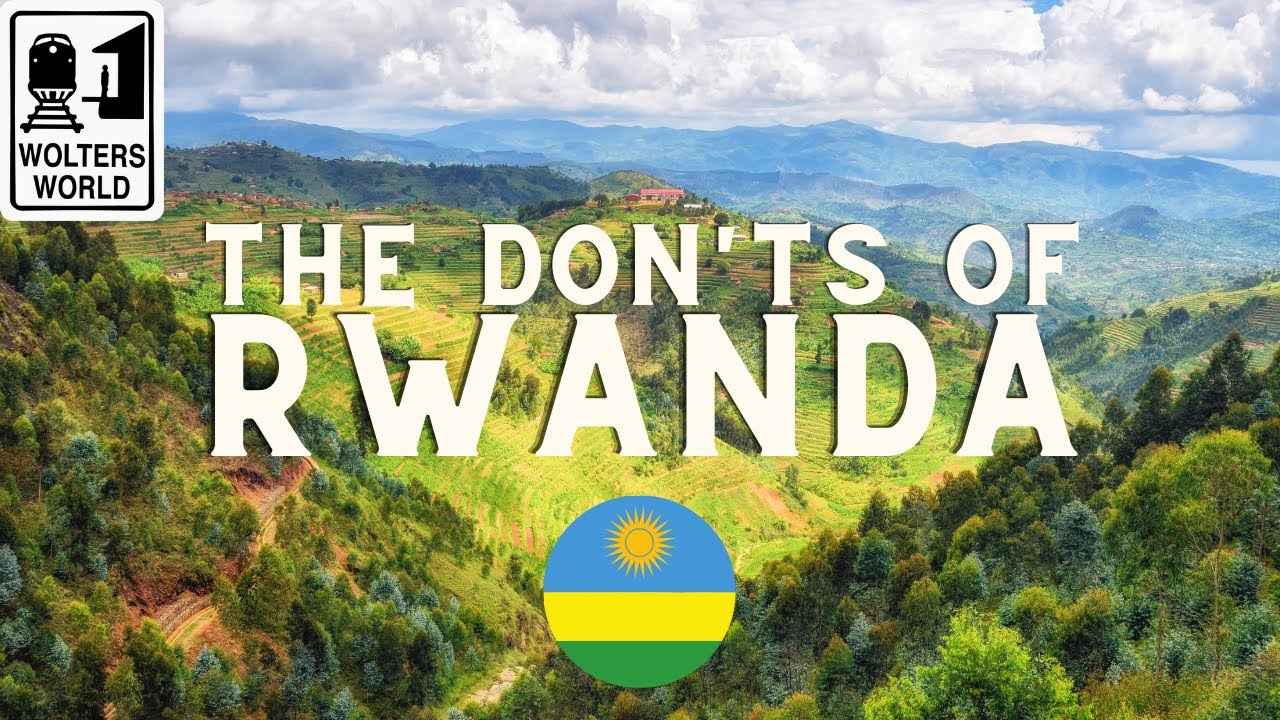
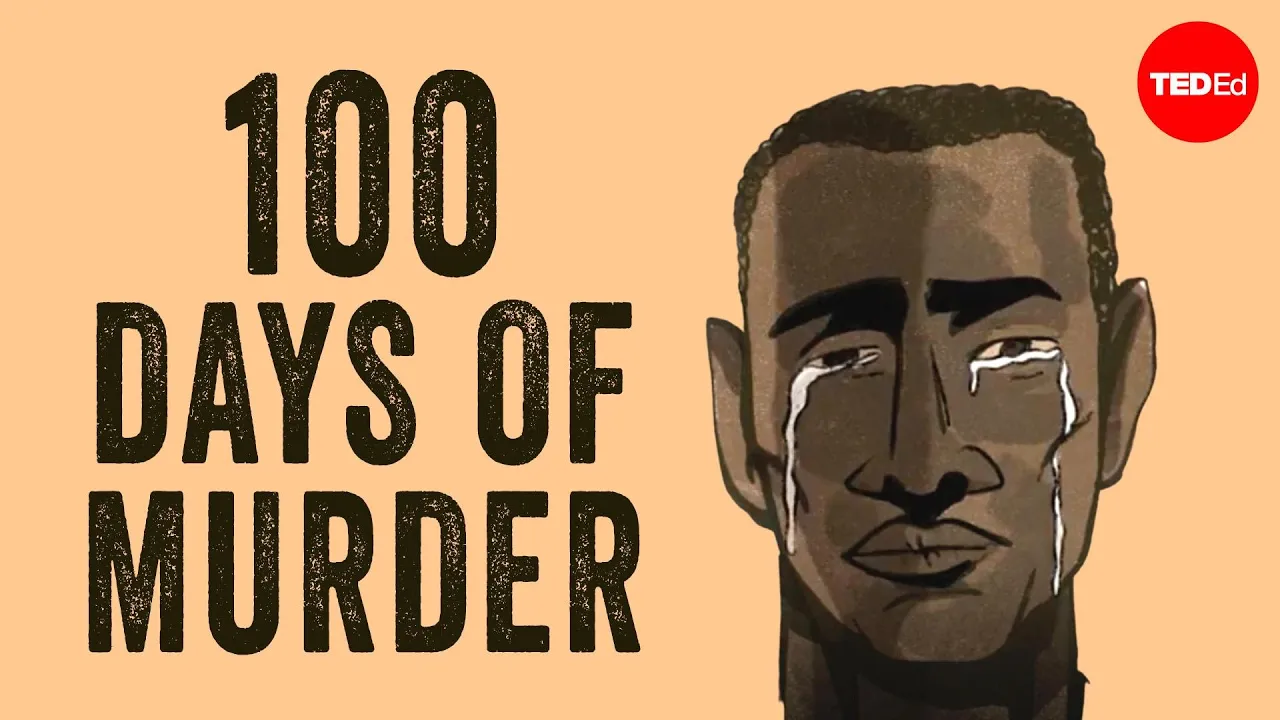
For 100 days in 1994, the African country of Rwanda suffered a horrific campaign of mass murder. Neighbor turned against neighbor as violence engulfed the region, resulting in the deaths of over one-tenth of the country’s population. The seeds of this conflict were planted a century earlier, first when German, and later Belgian, colonizers arrived in the country.
At the time, Rwanda was ruled by a monarchy of Tutsi, one of the three ethnic groups comprising the population. Tutsi and the even smaller Twa communities were minority groups, while Hutu composed the majority. Many Hutus and Tutsi civilians were on good terms, but colonial powers encouraged political division.
Belgians enforced record keeping around ethnic identity, and created a public narrative that cast Tutsi as elite rulers and Hutu as ordinary farmers. Over time, this propaganda led to intense political hostility. And while colonial powers had largely withdrawn by 1959, lingering anger motivated a Hutu revolt, forcing many Tutsi leaders to flee the country.
Over the following decade, Rwanda transitioned to an independent republic with a Hutu government. This new administration argued that as the majority group, Hutu deserved exclusive access to political power. They excluded the Tutsi minority by appointing offices based on population and prohibited the return of Tutsi families that had fled years earlier.
Hutu extremists also circulated propaganda blaming Tutsi for the country’s economic, social, and political problems. Discontent with their life in exile, a small group of Tutsi insurgents invaded Rwanda in 1990, beginning a violent civil war. The conflict lasted three years before it was resolved with a formal peace accord.
But the war’s aftermath was rife with insecurity. While some civilians in both groups remained amicable, the treaty intensified political polarization. And in 1994, when a plane carrying the Hutu Rwandan president was shot down, the conflict broke out anew.
This time, Hutu officials had prepared a deadly response to ensure they stayed in power. Working off a list of targets, government-funded Hutu militias flooded the streets, perpetrating acts of physical and sexual violence against Tutsi political enemies and civilians. Over the chaotic following months, over 1 million Hutu civilians joined their ranks due to coercion, self-preservation, or the pursuit of personal agendas.
Tutsi victims sought refuge at churches and schools where they hoped international organizations would protect them, but no outside party came to their aid. UN soldiers who’d overseen the Peace Accord were instructed to abandon Tutsi civilians, and UN leadership refused to acknowledge the genocide taking place. The violence didn’t end until mid-July, when the Tutsi army— who instigated the previous civil war— seized control of the country.
By the time the fighting was over, roughly 800,000 Rwandans had been killed, and only a small fraction of the Tutsi population was left alive. In the months that followed, there was no easy strategy for bringing the killers to justice. The UN established a special tribunal in Tanzania to try the key perpetrators.
But Hutu civilians from every level of society had committed atrocities against their neighbors, friends, and even family members. There were roughly 120,000 Rwandans awaiting trial, and inmates were dying from overcrowding and poor hygiene. The new Rwandan government estimated it would take 100 years to prosecute every accused civilian in national court.
So officials determined the best path forward involved looking to the country’s past. Rwanda has a traditional process for resolving interpersonal conflicts called gacaca. Roughly translating to “justice on the grass,” gacaca had long been used to address offenses within villages.
Local witnesses would offer testimony and could then speak for or against the accused. Then, appointed lay judges would determine an appropriate penalty within the community’s means. In the hope of trying perpetrators more quickly, the government adapted gacaca for their formal courts.
These hybrid trials had no professional attorneys or judges, and no evidence outside the spoken word and a case file detailing the crimes of the accused. All charges were then divided into four categories: masterminding the genocide and committing acts of sexual violence, participating in the killings, physical assault, or destroying Tutsi property. Those found guilty of the first two categories were entered into the traditional court system, but the other crimes were assigned set penalties which could be reduced if the accused pled guilty.
Beginning in 2002, thousands of gacaca courts convened every week. The process proved faster than conventional courts, but Rwandan opinion on the trials was mixed. Some didn’t want to accuse their neighbors in a community setting, and many potential witnesses were intimidated to prevent their testimony.
Additionally, while the trial showed that not all Hutu participated in the killings, the courts only reviewed cases with Tutsi victims, ignoring the Hutu casualties incurred during the genocide and the preceding civil war. When the trials concluded in 2012, the courts had convicted 1. 7 million individuals.
For some families, these verdicts helped restore the dignity of those lost in the violence. For others, the trials were a decade-long reminder of a past they were desperate to leave behind.