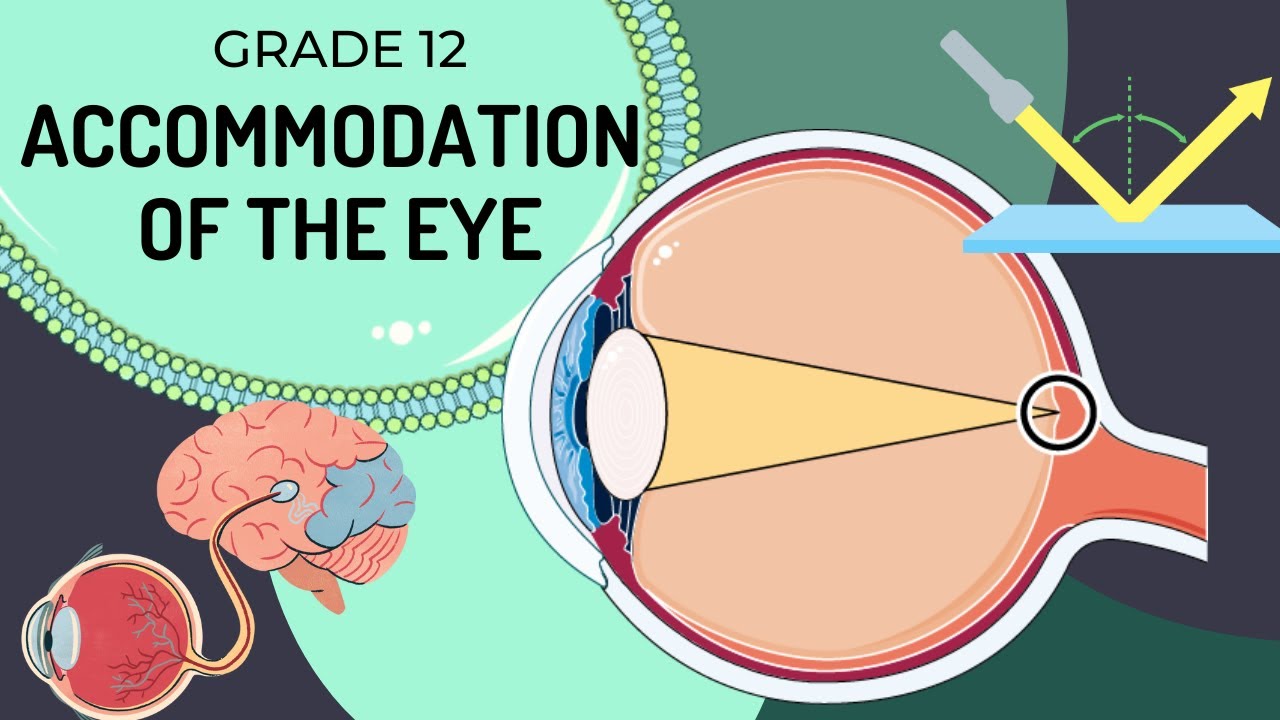
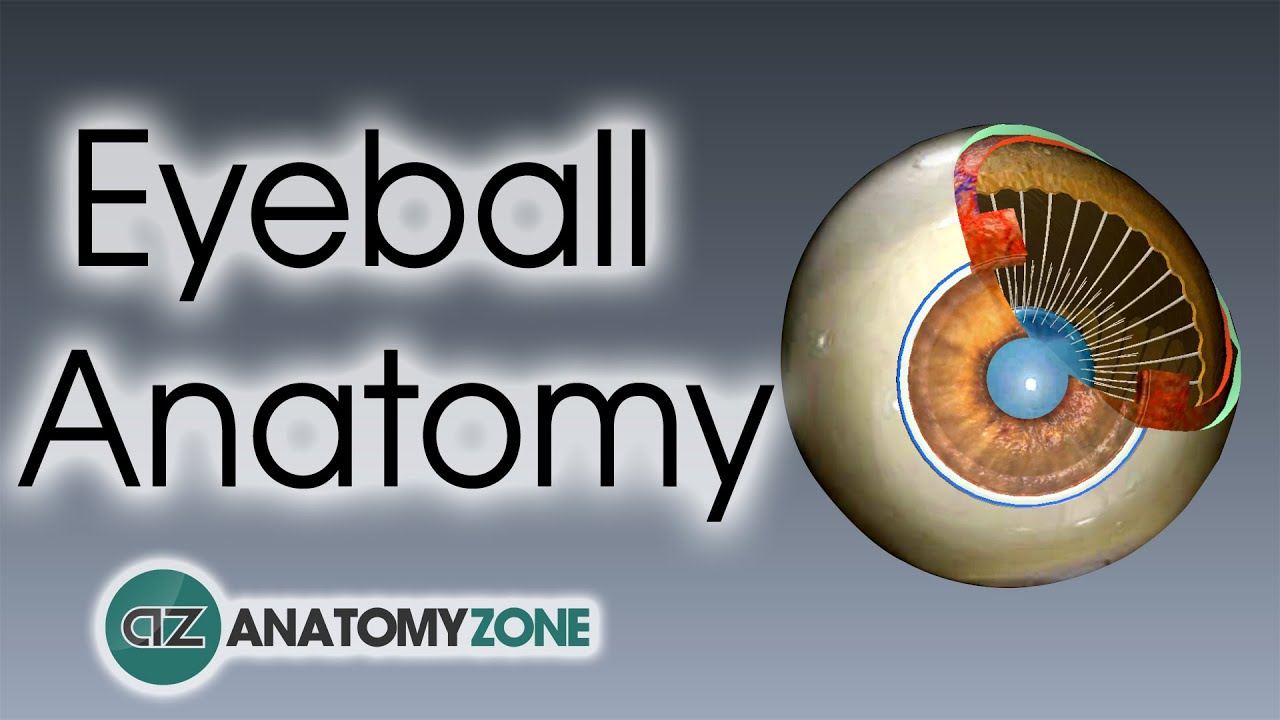
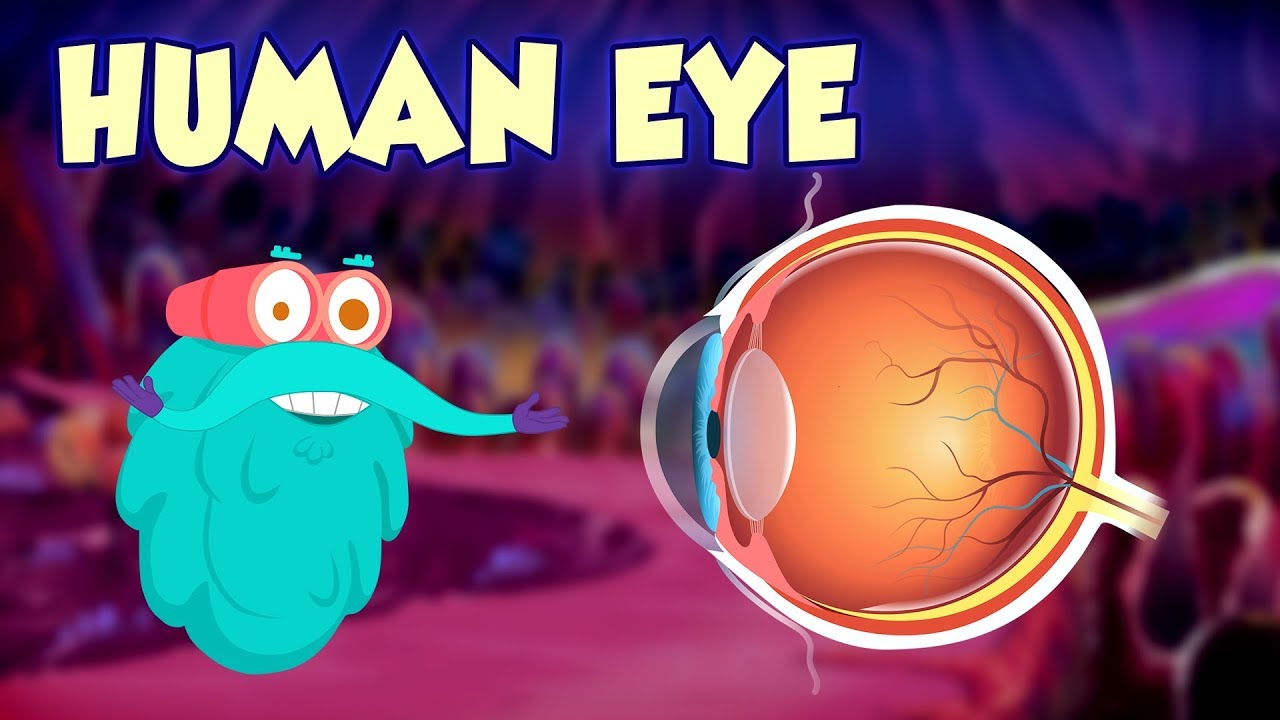
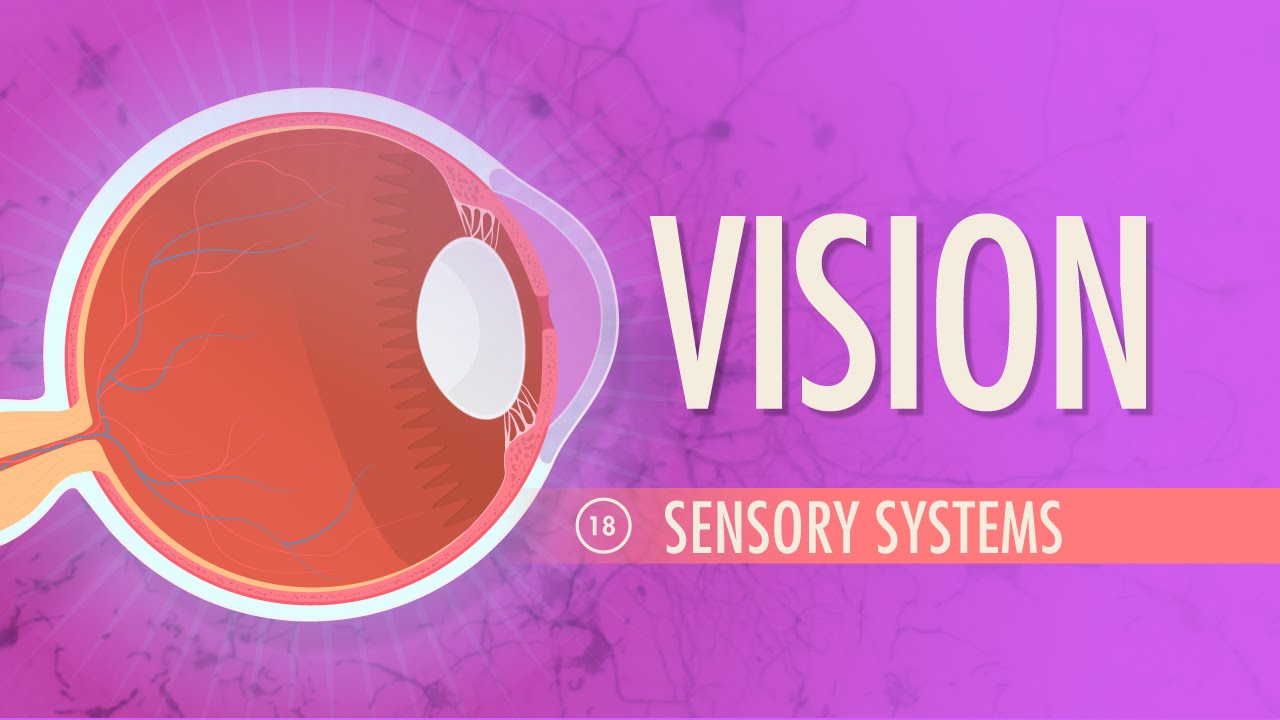
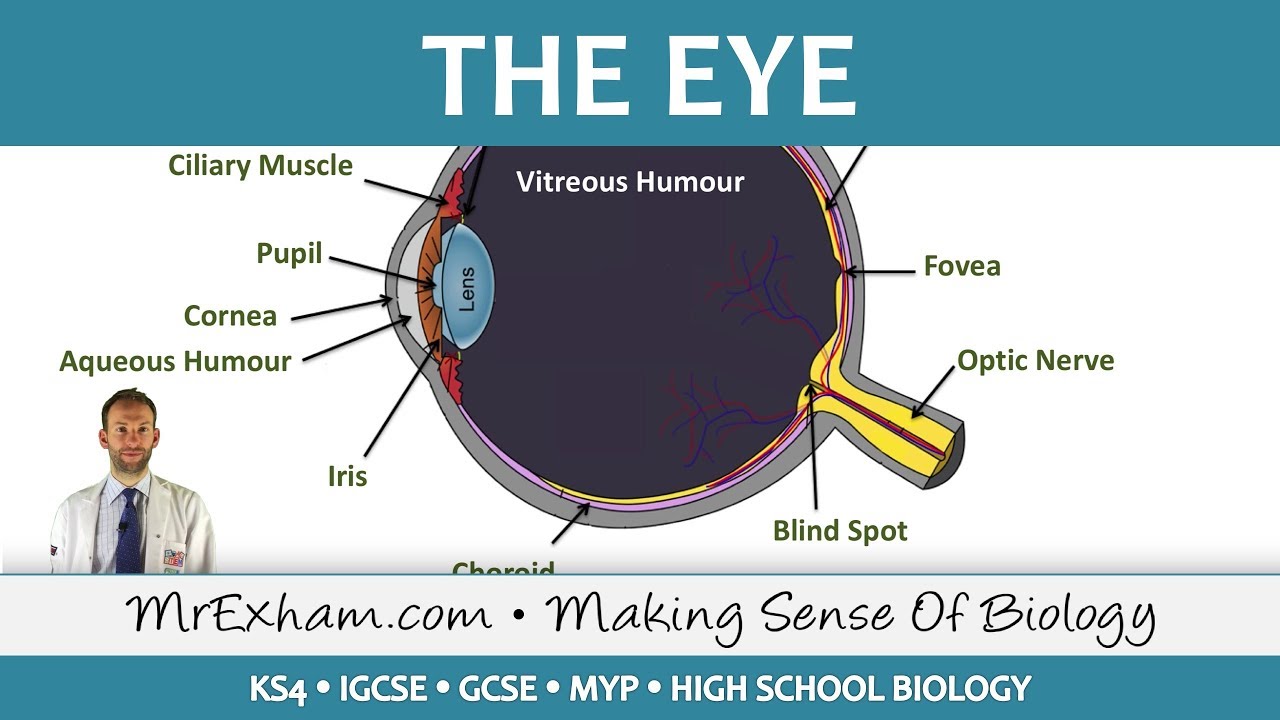
in this video we're going to look at the process of accommodation which is a reflex that changes the refractive power of the lens so that you can see both near and distant objects we'll also cover how glasses can help when this process doesn't work properly if we look at this cross-sectional image of an eye the important parts for this video are the cornea and the lens which both refract or bend light and then the ciliary muscles and suspensory ligaments which control the shape of the lens whenever light from an object hits the eye it somehow
has to be focused onto this spot of the retina called the fovea and to do this it has to be refracted so that it changes direction this is mainly achieved by the cornea which always attracts light by the same amount meanwhile the role of the lens is to fine-tune the refraction so that the light rays always converge exactly on the fovea regardless of whether the object is really far away in which case the light rays will be almost parallel by the time they hit the eye or very close in which case the rays will hit
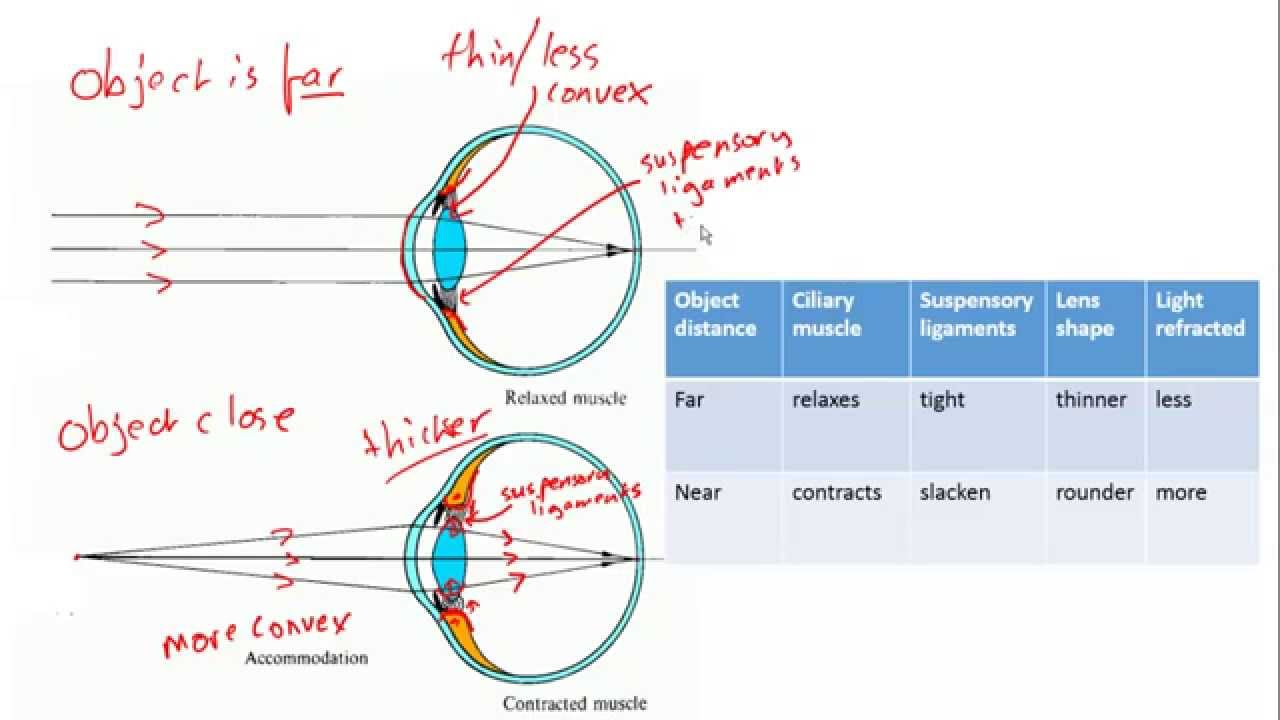
the eye at a wide angle so if we start with an object that's close to us the light from its surface has to be refracted a lot which means that even once it's been refracted by the cornea it still needs a powerful lens to refract it some more to be able to refract the light enough the lens needs to be short and fat so that it's more curved which means that it can refract more strongly to show exactly how this happens let's take a look at the eye from the front and the side at the
same time and explain what all the parts are the blue circle in the middle is the lens then the orange bits around it are the suspensory ligaments which attach the lens to the ciliary muscle which is a muscle that stretches all the way around like a ring and just be aware that these structures are completely different to the muscles of the iris we looked at in the previous video now whenever you look at a nearby object the ciliary muscle contracts and it actually contracts inwards towards the lens because it's now closer to the lens the
suspensory ligaments slacken which means they become loose and because they're no longer pulling tight on the lens the lens is free to return to its natural fatter shape so it can now refract light more strongly meanwhile for distant objects the light doesn't need to be refracted as strongly which means that the lens doesn't need to do as much because the cornea has already refracted the light most of the way to reduce the refractive power of the lens it needs to be stretched out so that its surface is less curved in order to achieve this the
ciliary muscle relaxes moving away from the lens and pulling these expensive ligaments taut which stretches the lens out so if we switch between the two you can see the difference in the ciliary muscle and the attached suspensory ligaments and how they're altering the shape of the lens the key thing to remember is that when the ciliary muscle contracts it's moving inwards towards the lens not outwards the other thing to remember is that because these suspense your ligaments aren't muscles they can't contract or relax they can only be pulled taut or slackened whereas because a ciliary
muscle is a muscle we talk about it contracting and relaxing the next thing we need to look at is what happens when the lens either can't refract enough or refracts too much the first of these results in people being long-sighted which means that they can see long distances fine but are unable to focus on nearby objects to see how this works let's imagine we have a long-sighted eye that's trying to focus on a nearby object because the lens can't refract enough the light still isn't focused by the time it hits the retina or theoretically the
image appears behind the retina which means that the object appears all blurry to fix this problem we use glasses that contain convex lenses which help by providing some extra refracting power so that the eye is then able to focus the light onto the retina properly in short-sighted people though the issue is that the lens refracts light too much this means that light from distant objects which doesn't normally need to be refracted very much ends up being over-refracted so that it focuses and forms an image before the retina this means that the light rays don't focus
properly on the retina and so the object appears all blurry to fix it this time we need glasses that contain concave lenses because they refract light outwards and so counteract the over-refraction of the lens which allows the light to focus on the retina like we want the last thing i want to add is that the medical name for long-sightedness is hyperopia and the medical name for short-sightedness is myopia you