hello friends and welcome back to the channel in this video what I'm going to talk about is the differences between a timed writing and a take-home essay so I am assigning both kinds of writing in my class and the reason that I assign both kinds of writing is because you will likely encounter both kinds of writing in your academic career the reason that I assign timed writings is because I hate them I might sound a little bit weird but I hate timed writing so the reason that I assign them to you is so that when
you face them you will be ready so it's important to talk about some of the distinctions between timed writing and a take-home essay and let me pull up a document here okay for my last video so take-home essays have a certain number of principles and timed writings have another certain number of principles so when there's not a when there is not a pandemic going on a lot of times timed writings will take place will take place in class so you might have to write this in a blue book and it's like a test some of
the timed writings that I ended up having to take you know I knew probably the hardest essay questions I ever had were in a chemistry class one of the questions that I remember you know jumping out at me it was like describe the process of mitosis alright and then another one was like you know right about right about the chemical properties of water so occasionally you will get an essay prompt like that that is like okay you've got a certain amount of time start writing so the reason that I have assigned both timed writings and
take home essays in my class is because I want you to be ready to be able to do both but I think it helps to understand that they are different kinds of writing for different purposes so in my writing process video what I did is I walked through the writing process of a take-home essay and I compared that to the construction of a house with sort of prewriting being the beginning of it then a rough draft being sort of like the vaguely house shaped beginnings of it then revision where you flesh things out and then
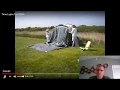
editing when you finish it finish the job for a timed writing the purpose and the process are different the timed writing process looks a little bit more like this [Music] okay so I love how this guy like takes a break in the middle of it to sit down in his lawn chair it's like my favorite part of the whole thing yeah he's brick Rizzy anyway so that's silly if you will but the the point that I'm getting at here is that there are different purposes and different processes for time writing and for take-home essays so
take-home essays like house are here more labor-intensive it's more time a more permanent slash formal so like house all right you're really worried about the crown molding on your house and making it super pretty and all that stuff whereas timed writings are a lot more functional and fashion so but timed writing is sure bicker more functional or informal and more to the point you know when it comes to a take-home essay you know as it would come as it would apply to a house you know there's a lot of in outs and what-have-you this has
to last a long time there this needs to be very very this needs to stand the test of time and so therefore it's a permanent kind of structure in this case it just needs to keep for a tenth you just need to keep the rain out in the bears out for a night or two you know hopefully you're not living in a tent right is not your idea to be to have this be a permanent dwelling in the same way a take-home essay is a lot more of a formal refined rich document than at any
times writing a timed writing is kind of on the fly furthermore if you look at if you look at houses there's a lot bigger process in terms of the construction then with a timed writing with a tent you know you just follow the instructions and put the pegs in the holes and there you go it's a lot easier and it's a lot more structured and straightforward the same applies for timed writing it's that it's we're not looking for something pretty we're not looking for something fancy we're not looking for something super fleshed out we're looking
for something quick that'll get the job done that's super structured the end furthermore as you can see here and if you've ever been camping you you understand this but it is a bad idea to try to put a tent together for the first time if you've never done it before the idea is you know when you go camping you get your tent and you put it together in your yard so you know how it goes together and then you take it apart and then you go camping so that that way when the Sun is going
down and the Bears are coming that you know how to put the tent together quickly because you do not want to have to be you know holding a flashlight and reading the instructions in the middle of night you want to know what you're up to okay the same thing applies for a timed writing for a timed writing you want to have your outline ready to go all right so let me walk you through the writing process of a timed writing so for take home your timed writing process is your writing process is prewriting drafting revision
editing okay so prewriting is all the stuff you do before to get ready drafting is you put rough draft together and it's not supposed to be perfect revision is where you take some time and you get feedback and you flesh things out and you read move things around if you need to and then editing is when you polish for a timed writing quite frankly ain't nobody got time for that so what you're going to end up doing is you have prewriting and what this should be done is if possible so if it's possible and it's
not always possible in my class is possible prewriting should be done if before the clock starts sometimes you will get a timed writing where you will not get the prompt ahead of time and they'll basically just be like alright well roll with it wing it so I hate doing I can see some advantages to it so I I understand at that point but I don't like to do it that way so I don't do it that way what I do is I give you the the prompt ahead of time and if you already have the
prompt ahead of time then you should already have your an idea of where to go with it so what I would do is before you start the clock on your timed writings in my class pre write an outline and pull out your quotes and examples so know what it is this basic structure of your essay and be able to incorporate quotes and examples so if you're you don't want to sit there thinking while the clock is ticking what would be a good example of a time that I demonstrated a growth mindset you don't want to
do that think about that before because you want to spend all the time that you have writing so bring an outline together make sure that you know where your quotes and your examples are know that okay well I want to use that quote that's on page three of the article because I think that's a good example of stereotype threat you find that first so that you're not thinking hmm well it would be a good example from the reading you don't want to do that you want to know exactly what you're going to use so you
can put it together next that we're timed riding you get one draft so unlike the take-home process where there is this difference between drafting and revision in timed writing you get one shot so what you need to do is like I said you have need to have sort of an idea of where you're going with it first but do the best best you can now the good news is for timed writing is that people usually don't hold it to that I have a standard compared to take home right I understand you wrote this on the
fly so I'm not holding it to the standard of dude you had you know days to work on this and multiple drafts to go through I understand this is we this is your one shot so that's some that is a big difference between drafting in a take-home essay and drafting in a timed writing drafting in a timed writing should take prewriting should take approximately okay prewriting should take about ten to fifteen percent of your time if you aren't allowed to prep beforehand it should take zero percent of your time if you are so in my
class because you are allowed to prep beforehand it should take zero percent of your time you should just jump right in drafting should take approximately just do the drafting numbers for if this is the arrow sign so drafting should take approximately 85% of your if no time is spent prewriting 75 70 to 75 percent if you have to spend time so in my class you should take 85 percent of your time writing this is you actually dropping out the essay if you had if you had to do prewriting then you know not 10 or 15
percent of that but so this is actually you taking the time to write the paper make sure you get it right the first time it's one draft you don't want to start over you don't have time for it alright and then the last is revision / editing so with revision / editing this should be approximately this should be approximately fifteen percent of your time regardless because when you're drafting you're gonna make some mistakes you don't have the amount of time to go through and flesh everything out uh you know with a construction site you know
you have all of these processes where you're flushing things out you don't really get that luxury with take home or with it with any timed writing so instead what it's kind of like is you see these folks here they're going around the tent sort of double checking the the stakes [Music] they sort of go around and make sure everything's secure so it's more of a kind of a once-over than it is a long-drawn-out revision and editing process so in this case in this case you should spend about 10 and 15 percent of your time doing
it but this is a quick changes / a once-over you do not have time to re-write major sections of the essay make sure to check obvious grammar flubs and what I would say is make sure the thesis topic sentences and the concluding sentences meaning the last sentence of each paragraph are all in tip-top shape and match so this is what I mean with this your thesis is going to tell you tell your reader alright these are my points this is the point that I'm making in this order then your body paragraphs should probably line up
with your thesis statement it should be really easy to follow you don't want to begin your paragraph in the middle of an example what you want to do instead is with your thesis area with your topic sentences and with the last sentence of the paragraph make sure that they connect back to that thesis so you know if you are writing about why dogs make good pets the first and last sentence of each paragraph should connect directly to why dogs make good pets this is tricky and you were going to to learn more about it as
you continue on and as you learn more but this is sort of a key point to keep in mind is the the first last sentence of each paragraph cover a multitude of sins it makes sure that if you get on a rabbit trail and you go off topic that you can come back to the topic if you pay attention to the first and last sentence of each paragraph so that's my suggestions for timed writing do all your prewriting before you start in my class because you you don't need you already have the assignment you don't
need to do any prewriting and waste time do your drafting do one good round and you don't have time to redo everything and then when you're revising go around looking for quick changes look for important stuff and make the edits as necessary now there's a couple tips and tricks I would give if you are writing this on paper but you're not you will be typing it some suggestions I have for typing it don't type it right into the window type your essay on a separate window and then when it's time to paste thing or when
it's time to submit and whether you're running out of time copy what you have so like for instance I'm working in a Word document right here I would write my essay in a Word document and then when I'm ready and when I'm done I would copy it and paste it into the window so that that way I don't have to worry about you know hitting the wrong button or anything like that when I'm in canvas that's a good suggestion so tips [Music] that's one suggestion another tip clarity almost always clarity is better than fanciness over
a four-time man all right sometimes I will hear students who will be like well I didn't want to be repetitive or then they'll use you know $64,000 SAT words like lugubrious it's like never use lugubrious in an essay there's nobody unless you're the kind of person who actually uses the word lugubrious don't use it don't try to sound smarter than you are you're plenty smart but when people use the weird vocabulary it makes it look like they're not um so what you want to do is get to the point clarify what it is you're saying
don't worry about trying to be fancy and then finally structure is way more important than fluff or length now here is my suggestion with structure is that you need to clearly state where your points are and clearly delineate the types the order the proponent you know I mentioned that the five paragraph essay is sort of like mmm when it comes to writing well that's really when it comes to take home writing for in-class essays a five paragraph essay is your friend in fact I even think that for timed writings are least in my classes the
first two timed writings for sure I would even do a four paragraph essay you know if you look at the prompt of what I'm asking it's pretty easy to get it done in four paragraphs so for instance for timed writing number one I'm asking for two things one so I'm for prompt one which mine said do you have and which mindset did one of Katie her nor Rebecca Cox's students have or for prompt to how have you experienced stereotype threat and then how did one of Katie her nor Rebecca Cox of students demonstrate stereotype threat
so for either one of these that's basically a four paragraph essay an intro a paragraph about how you experience mindset a paragraph about how another student experiences their mindset conclusion or intro paragraph about how you experience stereotype threat how one of the students might have experienced stereotype threat conclusion that's it I don't need you to reinvent the wheel it's smarter not harder and I would rather you go through one really clear structured example then I would for you to bring in a lot of extra stuff I think that that's probably one explanation better than I
would rather you bring in one small example and explain it really well then bring in five examples when I'm asking for when I'm asking for how did you you know what mine said do you have why how to Katie her and Rebecca Cox students demonstrated growth a fixed mindset all you need is one little quote how you think that happens you know I need one tiny little anecdote from your life in one quote about Cox's Cox or her and student and you're good you don't need to provide me with more as long as you explain
why it is that you think that example fits the point you're trying to talk about so overall overall that's everything for now in some do your prewriting before you start the clock do one rough draft spend some time revising and editing but again you're not reinventing the wheel you're just doing double checks focus on focus on the thesis and first and last sentences of each paragraph do this on a separate document if you can way more important to be clear than to be fancy way more important to be structured than it is to be long
and way more important to explain examples than to have a lot of them that should do it for now I'll see you in the next video