Here's a conundrum: identical twins originate from the same DNA, so how can they turn out so different even in traits that have a significant genetic component? For instance, why might one twin get heart disease at 55, while her sister runs marathons in perfect health? Nature versus nurture has a lot to do with it, but a deeper related answer can be found within something called epigenetics.
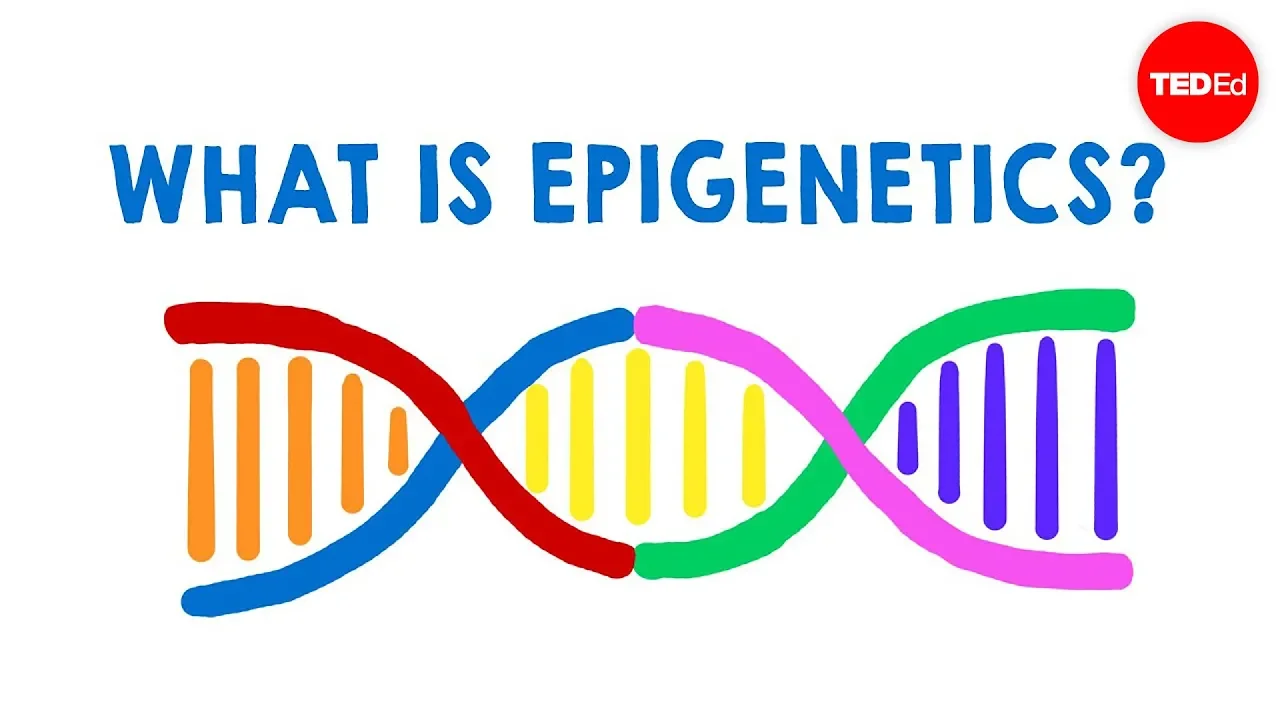
That's the study of how DNA interacts with the multitude of smaller molecules found within cells, which can activate and deactivate genes. If you think of DNA as a recipe book, those molecules are largely what determine what gets cooked when. They aren't making any conscious choices themselves, rather their presence and concentration within cells makes the difference.
So how does that work? Genes in DNA are expressed when they're read and transcribed into RNA, which is translated into proteins by structures called ribosomes. And proteins are much of what determines a cell's characteristics and function.
Epigenetic changes can boost or interfere with the transcription of specific genes. The most common way interference happens is that DNA, or the proteins it's wrapped around, gets labeled with small chemical tags. The set of all of the chemical tags that are attached to the genome of a given cell is called the epigenome.
Some of these, like a methyl group, inhibit gene expression by derailing the cellular transcription machinery or causing the DNA to coil more tightly, making it inaccessible. The gene is still there, but it's silent. Boosting transcription is essentially the opposite.
Some chemical tags will unwind the DNA, making it easier to transcribe, which ramps up production of the associated protein. Epigenetic changes can survive cell division, which means they could affect an organism for its entire life. Sometimes that's a good thing.
Epigenetic changes are part of normal development. The cells in an embryo start with one master genome. As the cells divide, some genes are activated and others inhibited.
Over time, through this epigenetic reprogramming, some cells develop into heart cells, and others into liver cells. Each of the approximately 200 cell types in your body has essentially the same genome but its own distinct epigenome. The epigenome also mediates a lifelong dialogue between genes and the environment.
The chemical tags that turn genes on and off can be influenced by factors including diet, chemical exposure, and medication. The resulting epigenetic changes can eventually lead to disease, if, for example, they turn off a gene that makes a tumor-suppressing protein. Environmentally-induced epigenetic changes are part of the reason why genetically identical twins can grow up to have very different lives.
As twins get older, their epigenomes diverge, affecting the way they age and their susceptibility to disease. Even social experiences can cause epigenetic changes. In one famous experiment, when mother rats weren't attentive enough to their pups, genes in the babies that helped them manage stress were methylated and turned off.
And it might not stop with that generation. Most epigenetic marks are erased when egg and sperm cells are formed. But now researchers think that some of those imprints survive, passing those epigenetic traits on to the next generation.
Your mother's or your father's experiences as a child, or choices as adults, could actually shape your own epigenome. But even though epigenetic changes are sticky, they're not necessarily permanent. A balanced lifestyle that includes a healthy diet, exercise, and avoiding exposure to contaminants may in the long run create a healthy epigenome.
It's an exciting time to be studying this. Scientists are just beginning to understand how epigenetics could explain mechanisms of human development and aging, as well as the origins of cancer, heart disease, mental illness, addiction, and many other conditions. Meanwhile, new genome editing techniques are making it much easier to identify which epigenetic changes really matter for health and disease.
Once we understand how our epigenome influences us, we might be able to influence it, too.