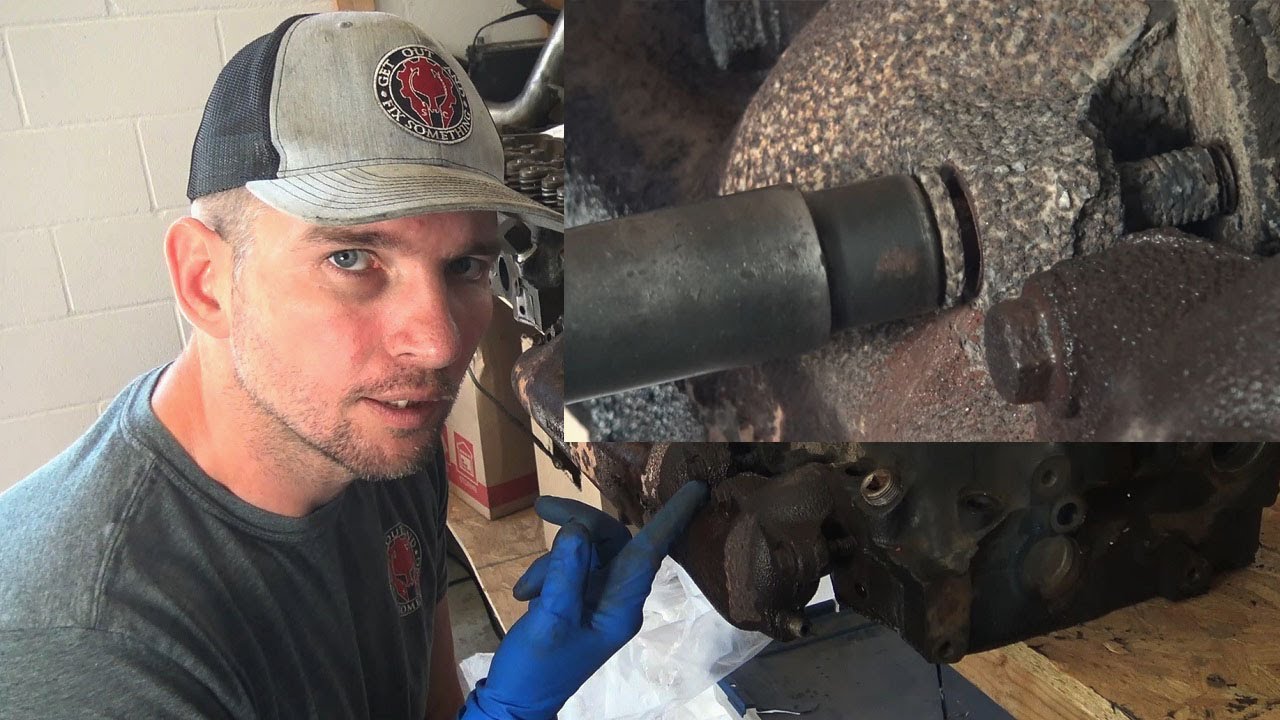
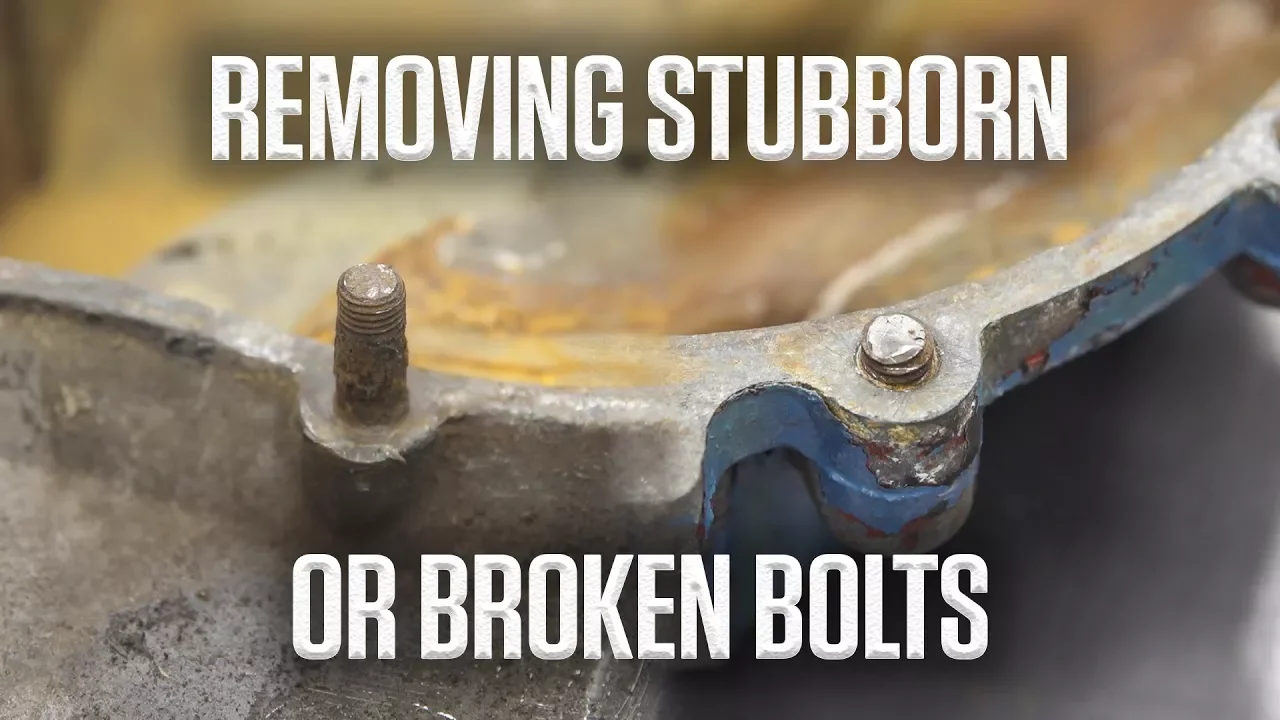
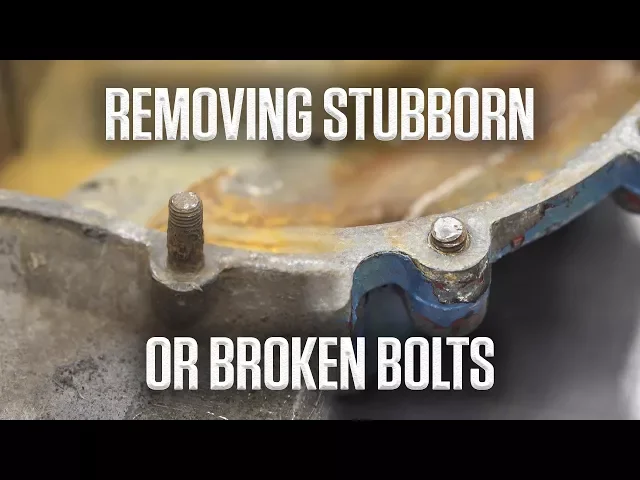
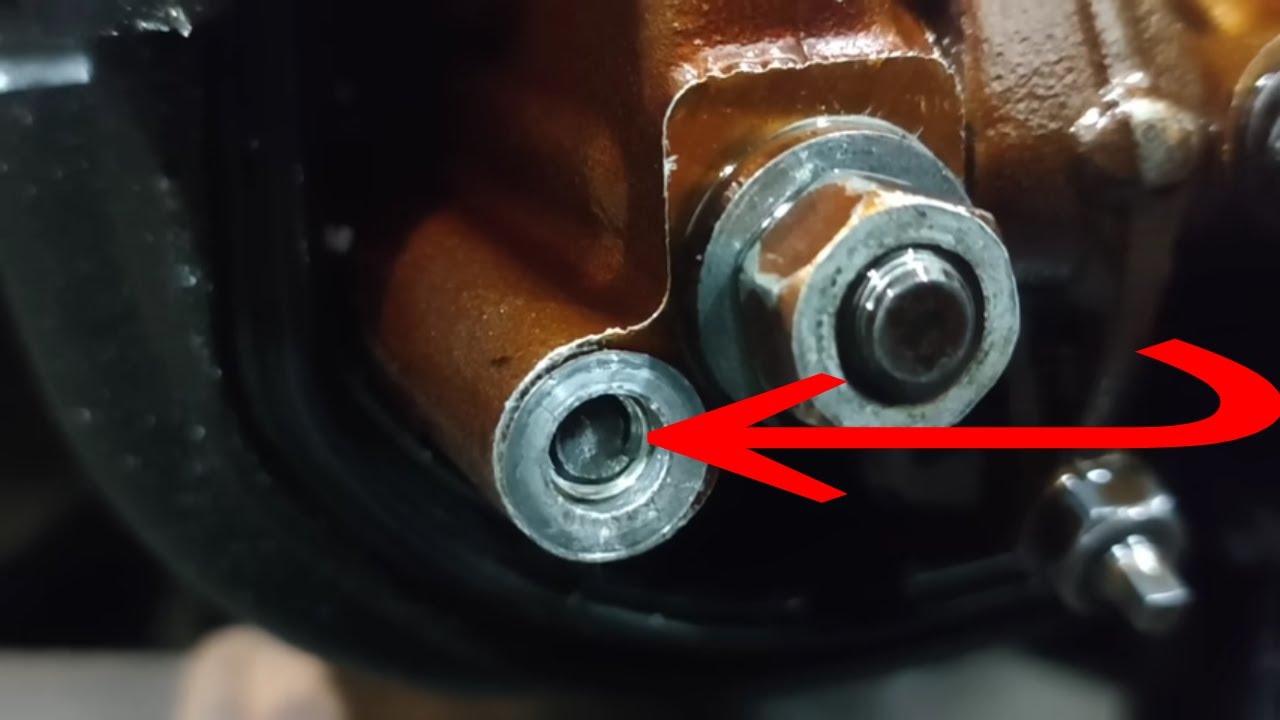
- Hi this is Davin Reckow with Hagerty. Today I'm gonna show you two different ways to extract a seized up bolt in these aluminum timing covers. One stands way up proud and one's fairly flushed, and neither one of them are gonna just simply come out with a pair of vice grips.
So for today's DIY project, we have fairly simple hand tools and a wrench, pair of vice grips, and a wire brush. But then we get into a little bit more expensive pieces as well. We have a oxy acetylene torch, the striker, a good pair of shaded safety glasses, of course a good pair of gloves, and then we also are gonna be using a MIG welder and then of course a good welding helmet.
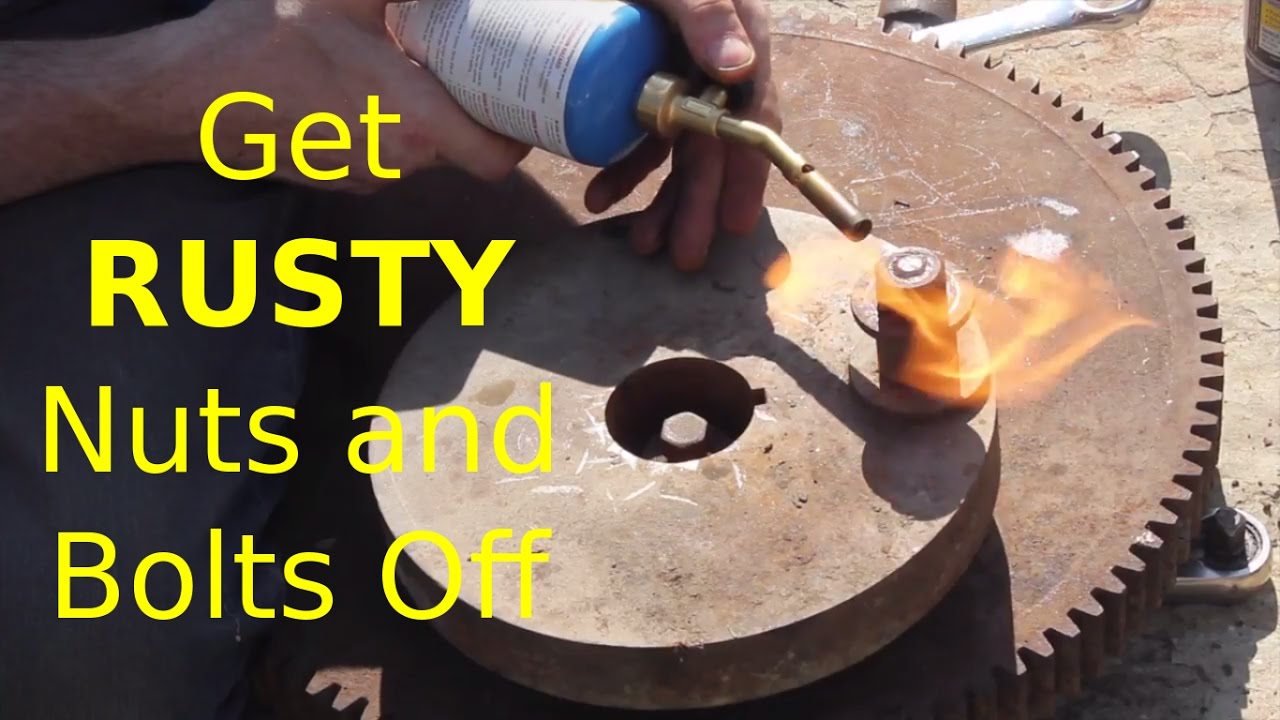
Okay, so there's two basic ways that we can heat this aluminum housing up. First one, just plain and simple using a propane torch. It'll just take you a little longer.
I have a oxy acetylene torch I'm gonna use today, and it'll be a little quicker. Now the danger is aluminum will heat up to the point where it will bubble, and it will not really show you that until it's starting to bubble, so just be real careful. Take your time and be patient.
It's not going to turn red like steel. So you don't have a visual indicator. So before I get to heating it, because I wanna see this metal real well I'm gonna take and just brush this off a little bit to get some gunk out of there.
(scraping) And for what I'm doing, I'm not worried about that little bit of oil, it'll burn off. Alright, so safety glasses. It's always a good idea to use some gloves.
It can get a little warm. It better get warm. (clicking) (wooshing) Like I said, you wanna heat this evenly and you don't wanna get it too hot.
(wooshing) Just enough to get it to expand. Aluminum's gonna expand pretty quickly. (wooshing) Just work it back and forth.
It helps clean things out on that thread. And once it's turning freely, voila. Alright, so you can see see that was pretty easy.
And the thread in the aluminum is still there. This part's reusable, it's all good. On the second one, this is down a little bit lower.
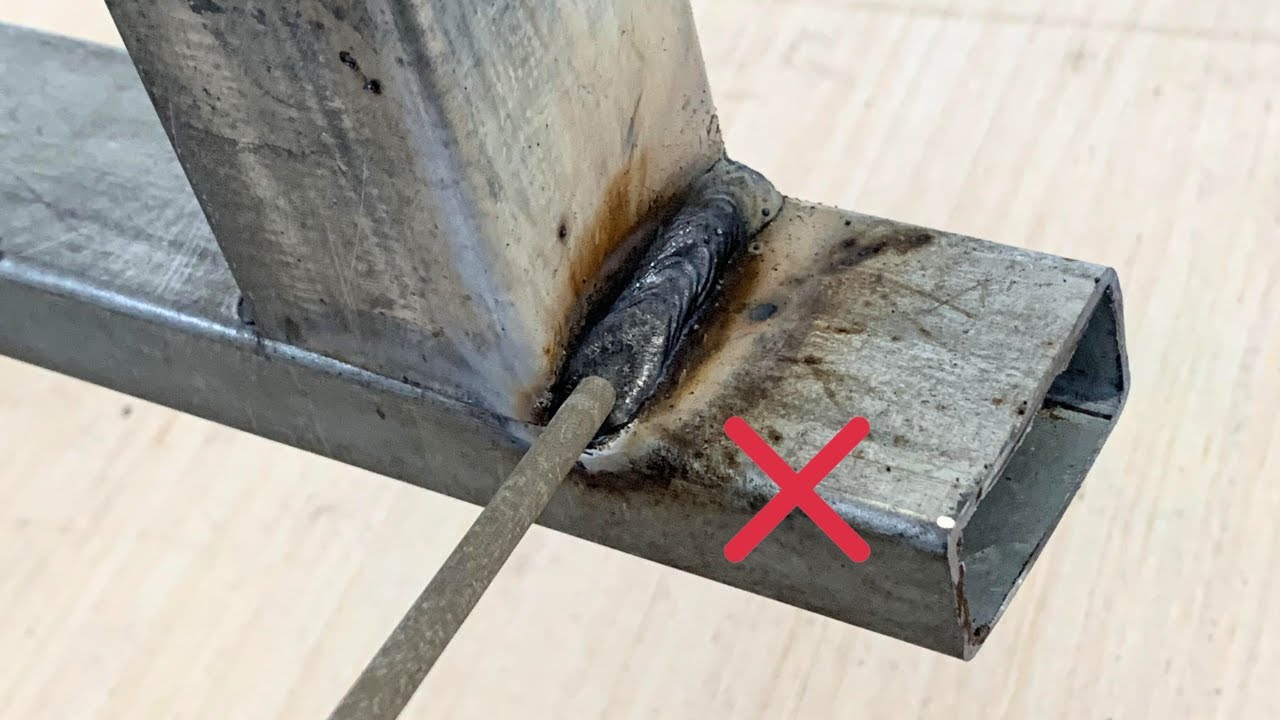
I can probably get on here, but it's most likely gonna slip off on me. Basically what I'm gonna do, is I'm gonna take, I'm gonna weld a nut to this stud using a MIG welder. As it heats up, as it welds to the stud, it's gonna expand the aluminum.
Now granted, that steel's gonna expand slightly as well, but the aluminum will expand more and we'll just back it off using a wrench and that one should come out as nicely as the first one. (whirring) (buzzing) (creaking) I like to get after it while the aluminum's still warm and the MIG isn't going to attach to the aluminum. So you don't have to worry about basically permanently welding to the, in this case.
And actually, even if it was cast iron, it'll weld to it but the amount of penetration is so low it won't matter. If you don't own a welder, you certainly could take it to any welding shop, tell them what you need and they would be more than happy to do that for you. Obviously when you are using a welder, take all the necessary precautious from a safety standpoint.
Wear proper eyewear, gloves, and protect yourself from the welding process. If I was going to be welding much longer, I'd certainly make sure I had sleeves on. But for that little bit the weld is no big deal.
(squeaking) There we go, there's that one. Again, the thread's in tact. I'll probably still clean it up with a tap just to make sure it's nice and clean for the new parts.
And there we have it. Thanks for watching today. Hopefully you found it informative, and if you got any questions leave them in the comments section below.


![How To Remove Broken Exhaust Manifold Bolts [LS HEADS and More]](https://img.youtube.com/vi/AUOPPimT-KQ/maxresdefault.jpg)