will be joining you now is there anyone who would be joining I think that's only me from Cambodia C okay I think we can start uh so uh let us have a one round of introduction uh my name my name is Shel Shel Paul I uh am here working as a deputy director I look after this your U industry building side so it cut across your National Industry building and also like uh giving support to the other countries that wherever necessary and also there it's a learning process from both of the sides we learn and
also we develop the capacities so this is how we uh do uh and uh what I mean you are aware that we have already launched this uh this this platform called Nomar national uh I mean network of net micr Finance networks in the Asia Pacific region this is at this point of time we are bringing together you were there in the meetings all the meetings right yes sure I one time meeting yes yeah so you know this we along with AAA we have developed this one and we are uh trying to build together A brotherhood
between the associations and sadan being one of the associations which having um long spale of work of around 26 27 years years and also we have a in India we do have a different structure a bit like in between uh regulator and the micr finance retail level operator there is a midlevel which is called as uh self-regulatory organization on behalf of our regulator we look after the micr finance sector and we report to our regulator not only reporting we give them we give them uh reports we give them sites we bring the uh we bring
the challenges of the sector if in any of our institution they are unruly they are not really doing the things in the proper way it is our responsibility to tell them first and if they're not taking care of that one we update it to Reserve Bank of India so means our regulator so this is the work we do and we are also working very closely with your um Ministries and um we are also uh I mean Affiliated institution by Ministry of rural development so we build up the overall industry in case of policies in case
of Your Capacity building in case of your you know deeper research and we do have the aggregation of data so our skill goes in three four areas basically one is your policy advocacy that you know uh how to develop the policy nodes what kind of things we should be understanding and uh how to produce it to how to send it to your regulator you know regulator they need a different kind of different kind of language different kind of persuasion and we do that one another thing is also that what I was telling you the monitoring
of the sector so we build up we build up the network of understanding the this monitoring understanding third one is a very significant one is is very capacity building our Capac city building is in the product side in your operation side everything we do as per need of this uh then uh we have a data aggregation Center we do it and also uh data means it is one of the reference data we create reference data for government and also our regulator and fourth and very important thing is you know this over the period of time
we could understand that only vanilla product may not be working in microf finance we need a different set of product Al to together so we are working in the segment of uh you know climate resilience micro Finance then your housing then your uh then your um water and sanitation so these are the segments we work so today's meeting I have my colleague Sita if you can Sita if you can introduce yourself then we will understand from all sorry how do we pronounce your name uh k k uh actually you can call me my name is
Pini or P something like a god of one of the god India uh the body of of human and then the head is elephant oh that's Ganesh in India we call it Ganesh yeah g but my name is gu okay let me my name yes you name sorry so Sita if you can introduce yourself then am I yes Sita I could not hear you no Sita you are not audible so you can oh no so let me introduce Sita is having some problem with her this um I think connectivity or in her this mechanics of
getting the things so um Sanita is my colleague who is a very senior colleague of mine and she looks after the segment I look after the industry building y uh so she has lot of experiences uh to develop the architecture of uh livelihood and training for development finance and she was working with a very big institution couple of big institutions and if she uh ultimately started working with us he's now contributing to develop the sector [Music] and okay yes thank you so yes please KY okay thank you I'm I'm keni I'm working for CMA Cambodia
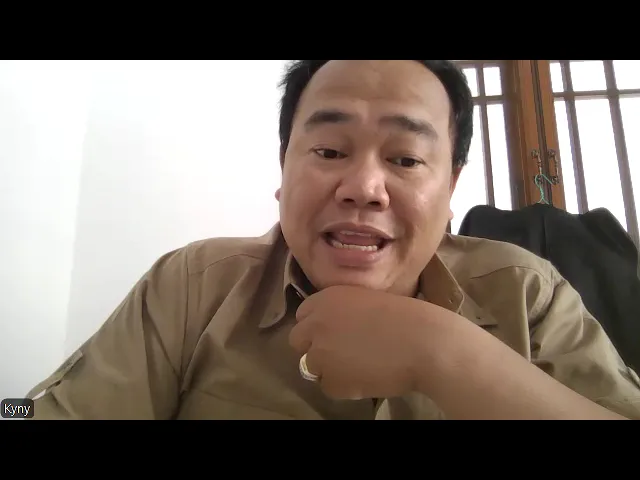
micro Finance Association uh responsible for uh the position of head of financial inclusion and social impact so I think let me introduce uh to you about CMA so the role of CMA and tana I don't think that it is different so more likely we have a similar role and responsibility in Cambodia even though we are the independent organization but we will consider a Min regulator yeah A Min regulator in Cambodia the regulator Authority that govern on the bank and micro Finance are the central bank that we call the National Bank of Cambodia NBC so NBC
is the one who governance all those or supervise all those Bank in micro Finance while CMA will consider one of the representative of the micro Finance in Cambodia so in term of micro Finance in Cambodia consist of uh MDI mobilizing uh uh money uh uh taking micro finance mfi leing company and Rural credit institution so what have been done by CMA what is a CMA uh uh uh uh have been doing so far so why we call C is a mini regulator similar to that because of s our we have develop our own sale regulation
yes it was not uh compul regulation but it was called a regulation and those those S regulation has been regulated or acknowledged or acknowledged or endorsed by the Central Bank of Cambodia so for example like in the past 20 years after C have been uh running we have learned that we have learned we have developed a lot of Regulation especially on the landing guideline uh the code of conduct and recently we just launching the uh standard loan contract that require all the BFI in Cambodia have to apply the standard loan contract yeah so what action
uh what have been done by C in order to promote those and why all all of our Our member have been respect or o to those regulation for example like uh even those it is was regulated but we have a closer uh closely monitor by C ourself we have the data support from the G buau and we take a close monitoring on the implementation of those which is Our member for example like the landing guideline the credit R Cambodia the CBC they send the data to us in monthly basis and then we do a monitoring
on on on how of Our member implement the landing guidelines and then in case uh if we found that our member is breach the rule of breach a code we can uh remind them through a warning letter and just in case they are not still not respect uh still not follow a compliance to the code yes like what that have been do so far we need to send the name to our regulator especially the central bank so the the central Bank maybe take action with them yeah this is something we do we also acting as
the uh advocacy body to represent our member in order to discuss or communicate or Advocate with the government yes for some regulatory for some uh uh uh issues that related to our sector that we also develop a lot of program in order to support the financial inclusion in Cambodia not only for clation but also Al the green Finance the water and sanitation and as well as the financial literacy yes we also have uh one trending uh Department that mainly focus on develop the capacity of Our member especially the staff so they we create a lot
of uh training uh uh Workshop yeah we have create a lot of uh uh platform that we can uh allow Our member in order to dialog for example like the annual conference the CEO club or the operation Club as well yeah so our member can bring and discuss or develop that capacity yeah so I think this is very Bri and we also have our our colle here I think quickly because I have another meeting at 130 sorry okay okay so Mr Tom is the head of uh communication respons world for uh developing the communication strategy
and implement the strategy along with the public yes so I think this is a summary from me about micr in Cambodia so anything that you want to discuss please let us know you have mute yeah say uh is it g ni or k ni is it g n i or k i n i k y n y me yeah ky ky a ky okay so uh KY one thing that I would like to understand from you that you know you telling that credit information Bureau they give you this data so is it a paid data
or like they have to give you the data like so uh so the data yep the data that we got from CBC is the monitoring data on the implementation of the Ling guideline so we impose The Lending guideline to Our member yes no do you buy the data do no no don't bu no we don't buy okay because of the they have to support the sector and they have to set up the data okay yes so for some of data for example like uh the sectoral data the also be about to sa yes in order
to monitor the of the it is it is very much necessary tell me one thing that you know you have the data on credit information Bureau you have the data of all uh kind of uh micr Finance legal form like I'm asking this one because in India we do have different different like legal forms one legal form is non-banking financial companies another one is bank then third one is your not for-profit uh financial institutions uh in that we do have societies we do have trust we do have cooperatives so these are all and so you
know this the third segment in I mean in a very uh crude sense the third segments data we don't get on credit information Bureau uh because they are not regulated by our Central Bank what's the over there uh in Cambodia you know only like I told you uh the Central Bank govern on the bank and micro finance that we call the regulator on Banking and Financial sector however we have another actor or regulatory uh uh body we call the nonbank yes the nonbank authority that look oversight all the p on the real estate development yes
and those they don't have the data center like EUR however in Cambodia right now with the support from the UN and then the ort from our sector plus support from the central bank we are now developing the join data yeah the join data between uh the the non the non Bank Authority and the bank and micro we expect to have maybe to simplify uh in Cambodia here micro Finance rural credit institution Banks or of leing company are all under the central bank and all of these financial institution are required to join the credit euro so
it's a compulsory so the data from credit euro is quite accurate I can say however we don't have license for nonprofit micro Finance uh we don't have Micro Finance NGO there are Cooperative but these Cooperative are more like agricultureal Cooperative which uh they they do they actually do some credit but mostly they are under the Ministry of Agriculture Cambodia have about more than a thousand of them but mostly they are not quite strong uh especially during the last uh four year after the with these agriculture Cooperative are very struggle mhm so so far even the
credit buau in Cambodia is actually found by CMA uh uh okay the association of Bank in Cambodia and the micro Finance Association working with the central bank to create the credit bureau in Cambodia uh we have uh two main shareholder one shareholder is equ uh Equifax an international company right and uh 51% share is controlled by Cambodian uh financial institution according to the law and CMA also have a a seat on the the board for the credit Juro as well so so uh normally we can access to this data without having to pay uh because
as a industry representative we need some data from credit buau but we will have to request on Case by case Okay in case of this your agriculture Cooperative which I know that in Cambodia is very vibrant in uh this your Cooperative segment so do you get the data of this agriculture loans and everything on credit information Bureau uh agriculture Cooperative cannot join the credit buau and the only institution can join the credit buau if they have the license from central bank right right regulat uh I can give you an estimate currently there are about 1,00
1,200 agriculture cerative in Cambodia MH uh more than 800 of them only focus on credit uh about 400 they more they have more than uh credit M uh so it's quite a big number uh right of course of course but but now we get a lot of dat a lot of information from over Network that these AC are struggling especially during the economic slowdown like this after covid and then we are impact by global issue like Ukraine Russian war uh why is it so why is it so uh uh Cambodia rely on tourism real estate
construction and another export is the G textile Factory and because of the conflict in Europe because the main target for textile are the US market and European market and with this issue the demand for this textile product decrease so it affect the job in Factory and the also impact our repayment of the client and also the uh tourism sector still not recover yet since the covid-19 uh real estate is still very struggle now many real estate uh company collapse if you look at the P the portfolio at risk in Cambodia now it's it increased to
9% so this is uh we never experience this level of even before the is only around 1% during the co it it increased to 3% but after the covid we still uh impact so now it's 9% which is we we never experience this level of p in Cambodia yeah please but recently uh the Central Bank allow us to do the loan restructure which we hope that the loan restructure policy will uh will will improve the situation because when we do the loan restructure for string client uh their loan classification may be uh may be reclassified
and their credit history the case score in in in credit euro won't have any negative impact so let's see in three to six month we hope that situation may improve H so if it is par is it like 90 days 90 Plus dpd or like how do you call it 30 plus okay 30 plus okay so um I mean where do you get your investment is it like the banks or how do you get the investment in micr finance in Cambodia uh currently we have four now we only have four MDI micro Finance with deposit
license so these four like they control about 80% of the market right M yes like that % so they have deposit so they can take deposit uh the deposit ratio now is uh I think the loan the total loan is 5 billion but the deposit is already 2.2 billion US dollar already uh the shareholder capital is also key and many of the big mfi and MDI also receive investment from uh Europe we have a lot of investor from Europe and we have also a lot of private investor as well and and and some mfi also
rely on the the capital from some Commercial Bank in Cambodia as well so you would have external commercial borrowings also right uh sorry sorry external commercial borrowings like this investors and other they're also coming yeah yeah okay exal investors UHC ISC alone they invest into bank and micro Finance about more than 400 million us just IFC 400 so uh it is what did how much did you tell IC more than 400 million US dollar they focus on uh uh green as green green Finance as well I don't have the detail but I just it's fine
it's fine it's fine it's fine I mean uh we have started this one so in India we are also see but one thing in India savings race is that you that our major investment comes from the banks so we don't have any uh your this deposit taking nbfcs we have but it is a very very small and like it doesn't come in really statistics so we rely on the lending and our major lending is from the um Banks only you know this Indian Banks maybe soon Cambodian too the current for MBI now the Central Bank
are pushing them to become Commercial Bank soon so prob two or three year micro Finance cannot take deposit in Cambodia H so what happens that like India we don't take we cannot we have been prohibited by Central Bank we cannot take any deposit can you hear me now yeah I think we lost you some part maybe you can repeat hello hello audible can so um uh Tong if it is good if we can also see you is it possible like we will also see if we see the face then also aha good to see so
what happens that if we see the face then we also build up like this you know this what you call the perfect Brotherhood Sisterhood whatever you call that we can we know that okay fine he is there so what happens that in India our this around 70% it comes from the banks itself you know this both public sector and private sector Banks we are prohibited to take any kind of you know collateral and also no investment so this is the situation over here in India our yes uh we are uh we have already recovered from
covid and it is also uh we have already recovered from Co although what we are seeing that there is some over Leverage is happening but you know in India there is very interesting fact that whenever we have seen the growth if it crashed government put some regulations which is good for the industry or there is also autocorrect measures so um like from last quarter we are seeing that there is a degrowth in the market so if overl happen because you know nobody wants to lose the money nobody wants to I mean spoil their institution right
so they auto correct this is a good thing but you know India's Market is so big sometime it crashes like we have seen in 2010 uh or like your Andra Pradesh crisis which is very significant which is also us you know study point for the micro Finance practitioners all these things are there so this is so why we uh develop this Nomar it is to have a regular Communication in between this associations we are not going to the retail agencies at all we are only for the associations so from the associations we will learn from
the associations Southern has a lot of experiences in different different things we can share maybe couple of areas you have good experiences you can share then also document it the primary thing which we are thinking a kind of two-page note maximum two maximum three page note but I am thinking of developing a country level note very basic note country level two page or three page note on the policy on the challenges and also the you know this this your U the the portfolio you know type of institution their portfolio how much is covered on credit
information bureaus what are the challenges all these things so basic some policies all these things so we want to develop that one and have a kind of like you know unified document in our geography of this Asia fa because if you see all of us we are having a same kind of thing same kind of challenges same kind of you know need on the ground because our economy is more or less same we are agrarian society and our things are I mean because of population India may be big but you know if we see if
we dig down you will see that same kind of your this need is there same kind of poverty is there same kind of unreached geographies are there so we want to develop this one so I think it would be good for you people so what we'll do we can develop a a brief format and we can send it to you and then we can get some that two three pages note and we will agregate uh so far I think uh sat uh under the the APPA we we are in the process of creating the noral
the the uh super Association Network right right so I I think this can be a platform we can meet maybe two times a year don't have to be physical we can just do online two three hour and say what's happening what we can learn from each other I think it's a good platform to do so yes because actually we also learn a lot from India for example uh the case in in in Ultra ples uh which is alarming I think many micro Finance market around the world are learning from this andraes it is Andra Pradesh
sorry yeah uh Cambodia also have similar impact in in 2017 when a lot of politician make microf finance loan and agenda for their political campaign then the government introduced the interest rate cap of 18% per year or 1.5% per year it has quite it has very negative impact on the sector at the times it's it's very impact to the sector so learning on from this CMA as the indust representative we have learned the important to uh to build influence to regularly communicate to the public to politician as well so that is why under CMA my
department the communication Department we do a lot of Public Relation activity to ensure that these politicians actually understand how the micro Finance work same same here same here yes so so I think it's important that uh as the association we have to look at this carefully we do the media monitor sometime we don't do the the public uh but we do like the Clos door meeting to help them understand as well as listening to their concern because a lot of time these politician look at the issue as black and why while the in reality it's
it's gray you do something there's always negative impact so that is why with the close collaboration with the central bank as our regulator so far when the the Central Bank want to introduce new regulation they provide us room to discuss in advance and a lot of this regulation so rather than put it as a regulation the Central Bank allow C to do what we call the cell regulations I can say in Cambodia over sale regulation are quite effective because we have the background support from the central bank we don't have punishment but if any of
our member do not comply uh when we write a report to the central bank the Central Bank do some things so this is your you have a code of conduct right we have a code of conduct and at first this code of conduct only apply for MH but now in Cambodia the market started to consolidate there's a very strong competition between micro finance and Bank Commercial Bank so that's why we started to work with the association of Bank in Cambodia so C regulation now become the industry sell regulation we have some of this regulation we
sell regulation we have tool to monitor so uh the data from the the buau is very helpful for us to monitor anybody any member who break this we will have a return a return warning to them for the first time if it's not improving we do another warning but we see see the central bank if they not improve we write a letter to Central Bank so Central Bank will ask them to meet with the central bank and discuss their plan to improve the situation uh some these sell regulation have been turned into the national or
the the the the national regulation as well so for example uh in the past we have an issue where our member withhold collateral for quite sometimes uh after even after the client pay off because competition they want to hold the so you can you can take collateral in microf you can take okay yeah in Cambodia yes we can take collateral but uh loan below 2,000 more than like almost 90% there's no cerol but loan more than 2,000 us mostly withhold with collateral micro Finance in Cambodia uh there's no restriction on loan side so if you
look at the market there are a few micro Finance who do big loan as well a few in in few case their their loan side can their loan can be up to a million US dollar per as well so in our case we do have the same kind of thing but we are designated self regulatory organization by Central Bank of India so so we do have that statue here uh so one part is this one and we are also the subset of your uh Ministry of rural development there is one uh there are two models
basically in India one is your joint liability group and individual model which is uh which uh is basically the model of the non-banking financial service and there is another one called self-help Group which is a savings based model you know the savings based these are promoted by earlier it was promoted by uh your NOS now they are uh being promoted by one um institution one institution means one format of institution called National rural livelihood Mission so so for this segment of where this JG and we are self- regulatory organization and by virtue of the by
virtue of the recent notification the you know the the the notification is now implied on all the players like non-banking Financial companies Banks everyone and we don't have any rate of interest cap uh because you know we uh run in the commercial space and our cost of fund mostly regulates the our this uh your rate of interest so this is where we stand and we cannot take any collateral we cannot take any savings so this is this a bit trouble for us but Banks they are supporting us and many non-banking Financial companies they are giving
money to the micr finance institutions that's how we do but our rate our this cost of Finance is very high in case of non-banking Financial companies supporting mfis so what is your average rate of interest 14 right 14 micro 14 to 15 14 to 15 because they can take this your savings right yes sure because you told that that around 80% of this your market then uh in your been by four mfis are there who are deposit taking and around 80% Market is um is been supported by them how however we also enfor the loan
pay uh for our member as well so member they can take loan they can take a loan fee from the client that's we we call it processing fee yeah it is there yes you also can be able to collect the fee from and up to uh maximum 5 8% if the loan is up to $3,000 us and in the Lo more than 3,000 the maximum loan fee that can get from the that's only 5% per year okay okay okay but in in the market if you charge this fee normally you cannot you cannot compete in
the market uh this is a loophole that uh when the the government introduce the interest rate cap in 2017 uh the Central Bank realized that this at at at at this interest rate cap micro Finance cannot do smaller loan so it will impact poor people who rely on smaller loan so that is why we had a closed door discussion with the Central Bank on how we can improve this situation and the Central Bank say they allow us to char this free there's no approval from the the central bank as long as we follow this rule
they're not going to do they're not uh going to take any action against us but if anybody preach uh the central bank will take actions again any mfi who bre this uh this cap uh the processing Fe cap okay got you so what I'll do both of you Kenny and how do we pronounce your name tongi t yeah tongi t Okay tongi so because I'm sorry to ask you like this because we also need to pronounce it properly so that's okay that's okay I know my my name is quite difficult to pronounce even Cambodian people
okay what does it mean is there any meaning it's actually I think it's Chinese uh because I have ancestor Chinese An ancestry it mean Justice and Hest okay very good you were in the right place so what happens that so what we'll do uh uh we have developed a format um I mean we what uh I will tell Sita to send you that format of getting the aggregate get the data data means information about this countries this microf finance and everything and uh fill it up and send it back to us who is it your
son yeah let let us see uh but I think most of the data we can share yeah yeah it is it is it is you know it is not a very deep dive it is just to have build up a kind of you know a platform where we have the access to some information and also couple of areas where you are doing right you are doing good couple of areas we are doing good then we can exchange that one like one of this your uh event this your uh virtual event we have done on your
green financing that what is green financing in which country what is going on so we have done that one and if we do this one what will happen at a point of time we can also understand that uh what exactly we need to do for this area because most of us we have same kind of challenges same kind of thing so uh I mean I won't take much time if you want to understand anything from our end uh I because I saw from the email s Sanita sent to me it's about the climate right agriculture
uh climate green Finance so that's why I um uh it's supposed to be uh K who is the expert in the area yes because so far at cmaa with uh AA or sadan I'm the key uh uh responsible person to to oversee this partner however if you go specific into agriculture it will be KY so I have to rely no no both very important both of you with your CEO uh very important I mean in the chain uh why uh we uh I mean apart from this I actually have reminded me one thing so uh
apart from this we will send you uh very uh two three questions on your climate finance that what kind of challenges are there what kind of need is there and also what can we do in that specific areas so three four questions would be there if we get it from all the countries who are in Nomar around 10 countries will be good to uh structure like you know the structure so then we can go to IFC we can go to other agencies to support in this geography that this kind of need is there so we
will be building up a kind of you know this building up AO with them bring all the people together have a discussion with them and have a larger intervention you know sporadic intervention may not be always good we need to have a very structured thing across these countries this is one of the areas thank you for reminding that so one we'll send about this basic data of the country second one we will be um sending you this year on green Finance uh um green finance and also third one uh which is also very important uh
we want to send you a nonbinding voluntary your mou a very basic mou because this is very very much necessary for us to to to uh acknowledge that we are the part of this network so there is no Finance involved in it there is nothing involved in it it is just voluntary U your this uh voluntary participation so I'm getting you that you have another meeting so so um so um Kini uh what happens that I will send you thatou basic mou means gradually maybe in 15 20 days of time I will send you this
mou mean Sita will send you this mou U talk to your CEO and we want to take it Forward because that's one of the thing that's a binding Factor across our Nomar members huh actually for the you we have to go through part ofor for yeah yeah do it do it no problem okay no problem so there is nothing I mean binding there is nothing but only you know at at your um principal at principal level we are agreeing that we'll be working together to build up the industry in this area that's that's okay yeah
yeah okay uh anything you want to discuss or I think that's okay I'm clear from me so I'm waiting for the question or the data forat want to right and and you from you as well yeah right so um K I would like to if you can respond back to San's mail uh with your number your uh name uh email ID is with us name email ID is there if you have your if you can send your uh number phone number sale number that your number and also Tong's number then it will be helpful for
us to build up like if we need something we can instantly call you and get the things done yeah I think maybe you can contact us we have telegram or Whatsapp we have WhatsApp yes yes WhatsApp so we can build up on oh yeah we can build up a kind of like you know group of people in that WhatsApp yeah fine yep so thank you very much much for your time and everything yeah yes okay thank you so I will reply my phone number and Mr number with the Zita email right right right right thank
you thank you very much yeah thank you thank you very much