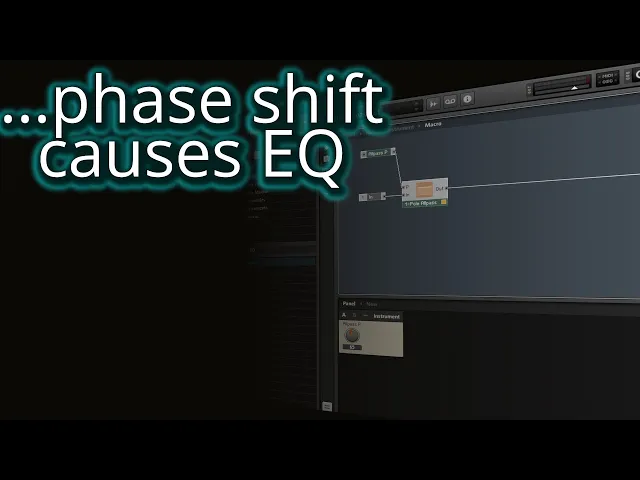
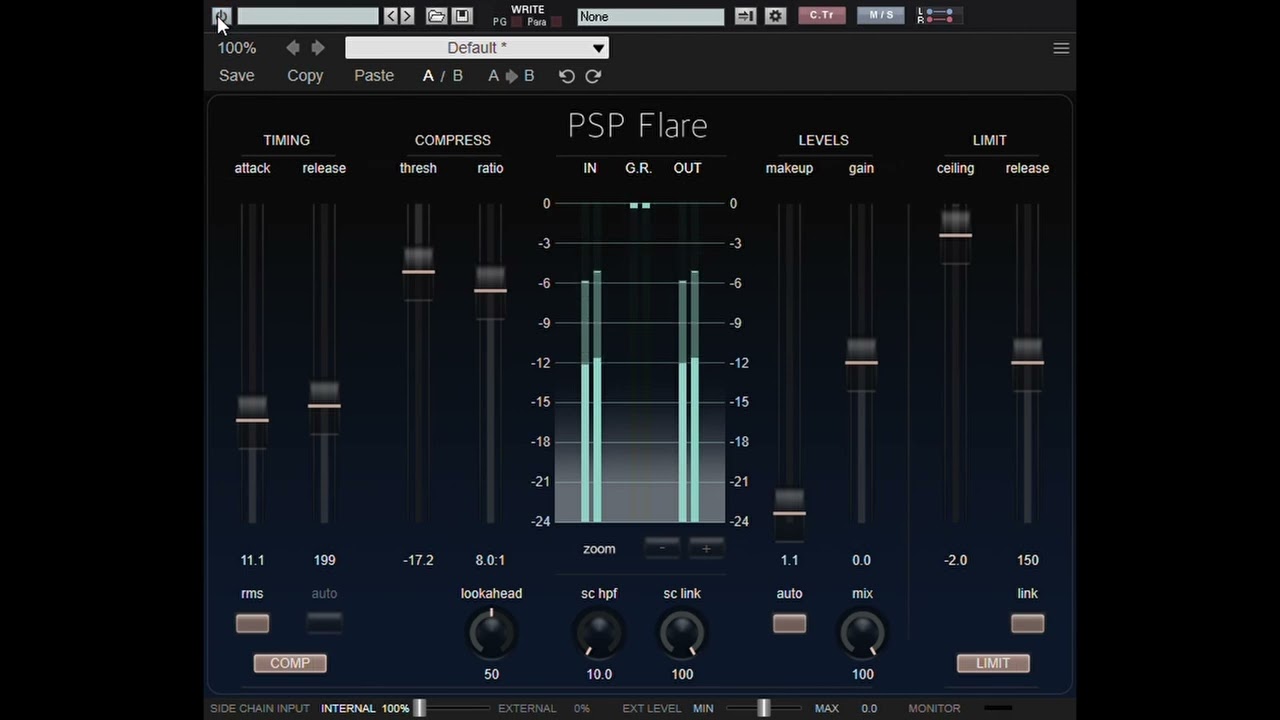
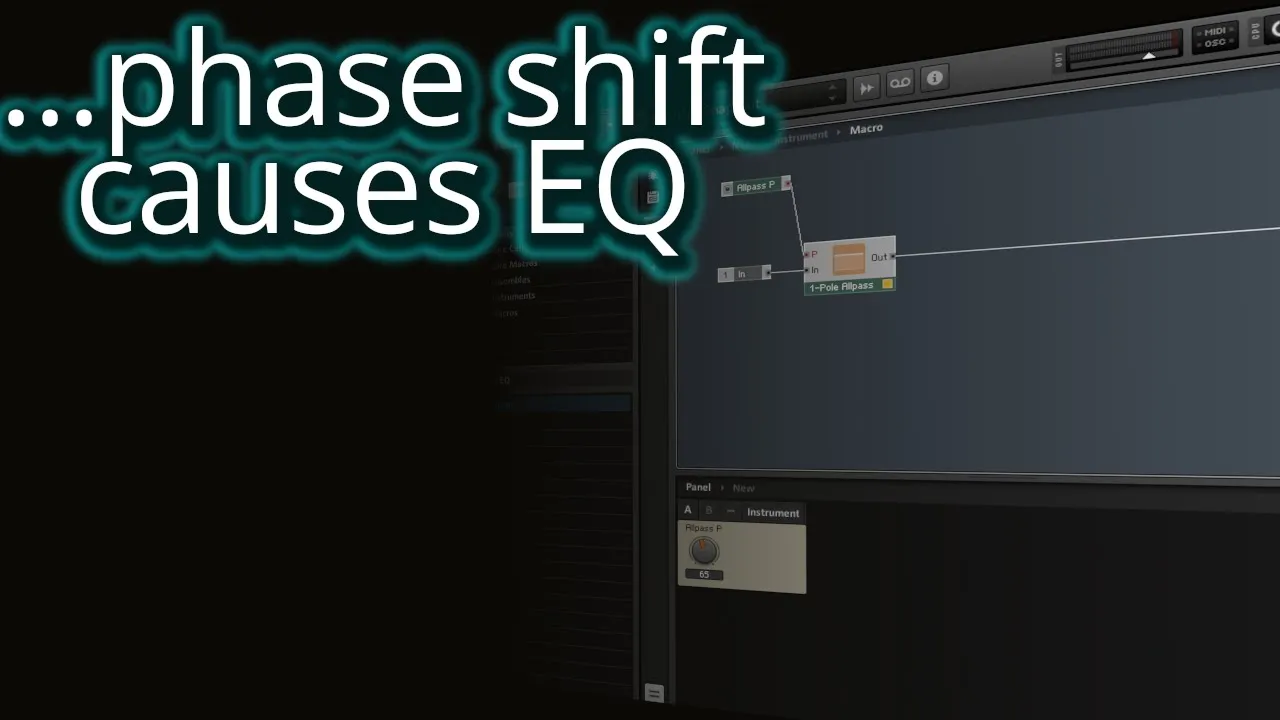
hi and welcome back I'm going to try to answer the question why does EQ cause face shift by demonstrating that in fact it's the wrong question and gu it all backwards his reactor running an all pass filter yes I know my reactor is out of date but I get so little time to build in it these days that upgrading would feel like a waste of money if anyone from Native Instruments is watching feel free to consider that a hint anyway an all pass filter just shifts the phase without affecting frequency response at all here's the
frequency response in plug-in doctor totally flat if I switch to show the phase however not flat anymore the low frequencies start off in Phase then the phase shift increases as we pass the cut off frequency which I can adjust with this knob in reactor and approaches 180° of phas shift for the high frequencies this is likely to be completely inaudible however so you might wonder what's the point I'll answer that by loading an addition module in reactor and adding the all pass filtered signal to the original input signal and let's check the frequency response back
in plug-in doctor well would you look at that we've created a low pass filter it's not tremendously Steep and we don't have any resonance but I can change the cut off with my reactor knob okay now what if instead of adding the dry and wet signals i instead subtract the all pass filtered signal from the original input signal you can think of this as just inverting the polarity of the filtered signal if you like it's the same thing and now we have a highpass filter I'm going to keep this addition module around however because next
I'm going to add this highpass filtered signal to the original input signal once again those of you who've seen my parallel filter videos won't be surprised to find that this creates a high shelf boost we need to be able to vary the amount of boost however so let's load a multiplier module which I'll use to scale the level of the highpass filter before adding it to the dry signal and let's have another Knob to control that hey Presto I can now change the amount of boost and if I set the knob to go negative as
well I can also cut we could do a bit of extra maths to give our gain knob a conventional decibel scale but that's not important for this example and of course if I did this with the original uninverted low pass filter we would get a low shelf instead if I switch to show phase again it should no longer be surprising to see some phase shift creep in when I blend in some of our phase shifted signal with the gain knob if anything it's now surprising that we see so little so what about the mid-range I'm
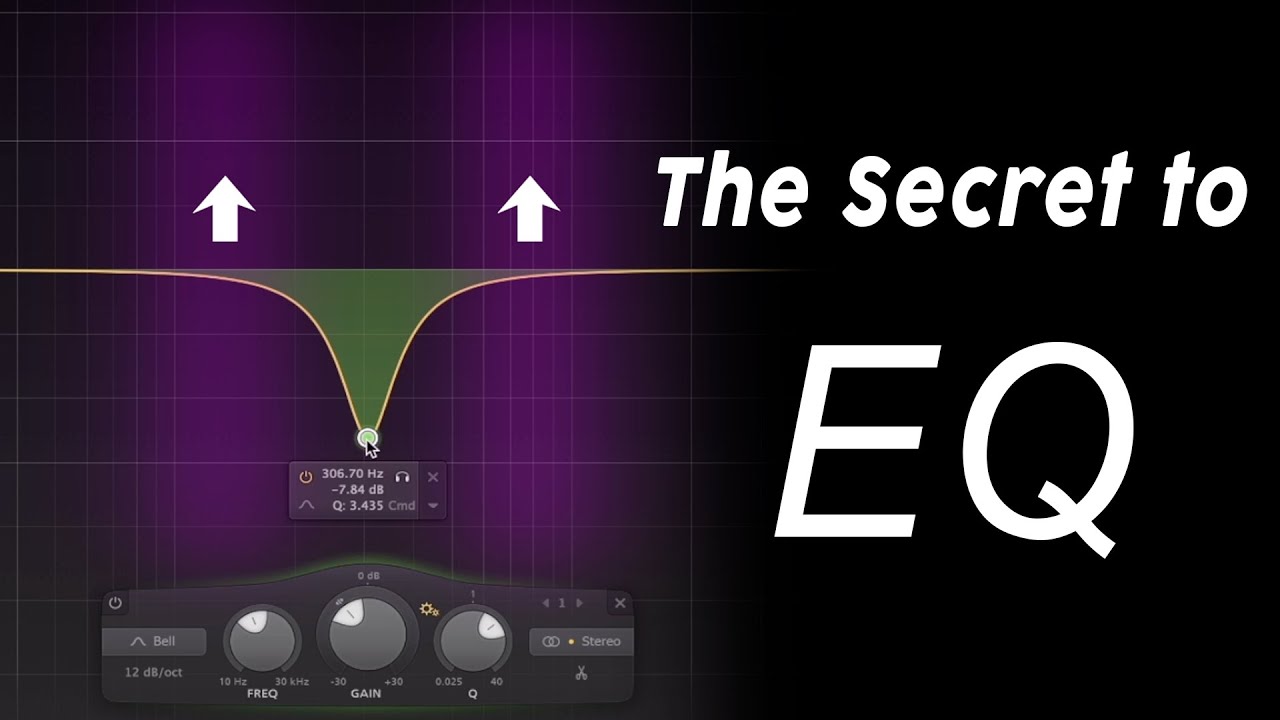
going to select that original all pass filter module and duplicate it then wire it in series with the first now the high frequencies get shifted 180° by the first filter then another 180° by the second to bring them full circle 36 60° back in Phase again and would you look at that we have a bell-shaped boost or a cut and if we wanted we could get band pass or Notch filters just as we created low and high pass filters earlier so in conclusion if we can selectively shift the phase of certain frequencies with an orass
filter it's then just a matter of simple arithmetic to derive all the standard EQ type filters from that so in fact EQ doesn't cause pH shift pH shift causes EQ perhaps the correct question to ask is how do all pass filters selectively shift the phase of specific frequencies well some Voodoo maths magic I guess don't know I'll get back to you on that one thanks for watching