Cardiologists see something most people never do. What a lifetime of daily food choices actually does to the heart. They watch arteries stiffen, blood pressure rise, platform, and inflammation quietly build.
So when it comes to their own meals, cardiologists don't guess. They eat in ways that protect the endothelial lining, reduce inflammation, stabilize blood sugar, and keep their arteries flexible year after year. And the surprising truth is this.
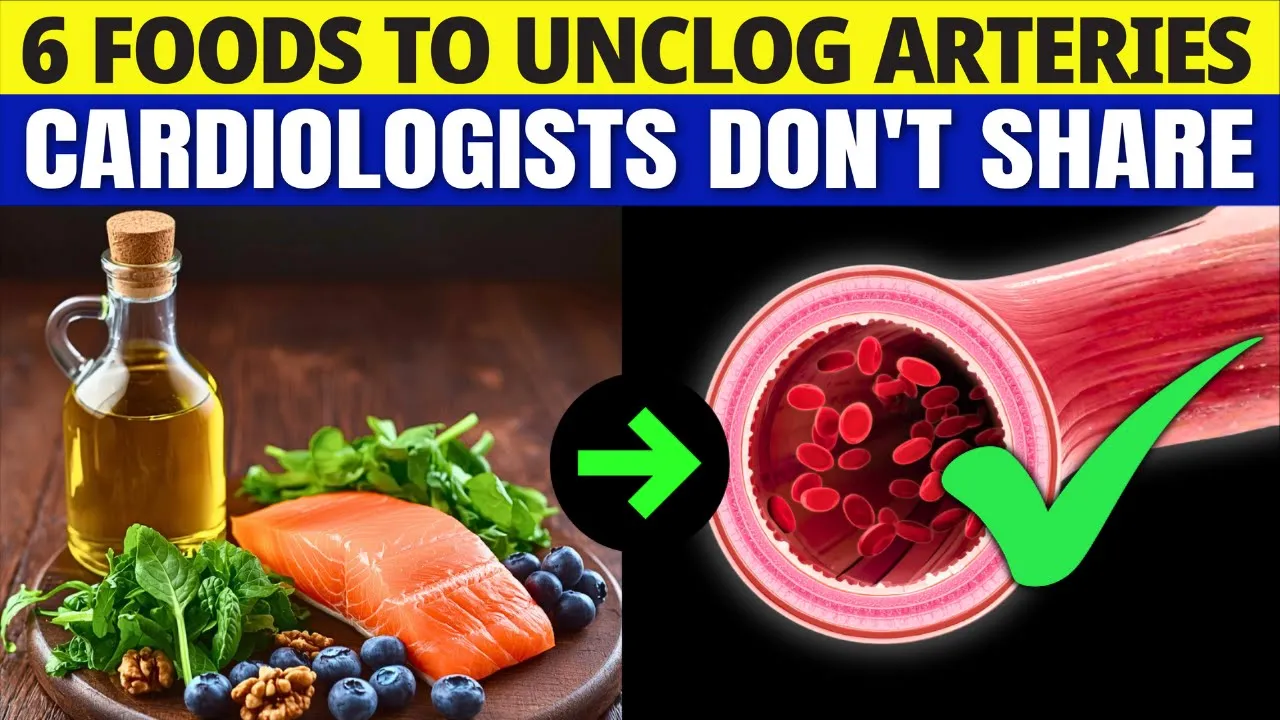
Their diets are simple, consistent, and built around a few powerful foods eaten every single day. In this video, you'll learn exactly what cardiologists choose for their own heart health, the oils they trust, the vegetables they prioritize, the proteins they rely on, and the foods they make sure to include daily. These choices aren't trends.
They're clinical wisdom applied to everyday eating. This video is for educational purposes only and not medical advice. Extra virgin olive oil, the daily foundation.
If there is one food cardiologists trust so much that many use it every single day, it's extra virgin olive oil. They call it the foundation oil because it keeps arteries soft, flexible, and protected no matter what the rest of the day brings. Your arteries are lined with a delicate layer called the endothelium.
This lining controls blood flow, vessel relaxation, inflammation, and nitric oxide production. Stress, sugar spikes, high sodium meals, and processed fats damage this lining. Extravirgin olive oil, EVO, does the opposite.
Reduces inflammation, improves nitric oxide, protects endothelial cells, lowers LDL oxidation, supports smooth, flexible arteries. It's not about the calories. It's about the protective compounds in EVVO inside your body.
Evu benefits arteries in four powerful ways. One, it delivers polyphenols. These antioxidants reduce oxidative stress, the same stress that stiffens arteries with age.
Two, it prevents LDL from oxidizing. Oxidized LDL is what sticks to arteries and becomes plaque. Evolo's compounds reduce this dramatically.
Three, it boosts nitric oxide. This helps arteries widen, improving blood pressure and circulation. Four, it reduces inflammation.
Compounds like oolocanthol behave similarly to gentle anti-inflammatory medications, naturally calming your cardiovascular system. This is why cardiologists rarely skip EVO. It supports the arteries at every level.
Dr Insight. A major study from the New England Journal of Medicine, the famous Predime trial, showed that extra virgin olive oil significantly reduces heart attack risk, stroke risk, arterial inflammation, overall cardiovascular events. Harvard researchers also confirm that EVO is linked to a reduced risk of heart disease and all-c causeed mortality.
Doctors summarize it simply. If you want your arteries to age slowly, choose olive oil daily. Real world example.
Raza, 62, had borderline high blood pressure and rising LDL despite dieting. His cardiologist explained that low-fat eating wasn't the answer. the right fats were.
Raza switched his cooking oil to extra virgin olive oil and started using one tablespoon on salads, a drizzle over vegetables, a spoon in lentils and soups. Within 6 weeks, his LDL improved, his BP stabilized, and he felt less heaviness after meals. His cardiologist told him, "You've started feeding your arteries what they wish they had years ago.
" How cardiologists use extra virgin olive oil daily. One, as the main cooking oil. Low to medium heat preserves polyphenols.
Two, as a finishing oil. Drzzled on vegetables, lentils, or fish for maximum benefit. Three, with salads mixed with lemon for a nitric oxide boosting dressing.
Four, in soups and stews. A spoon added after cooking protects healthy fats. Five, even at breakfast.
Many cardiologists drizzle extra virgin olive oil over eggs, avocado, or whole grain toast. How much to use? Most heart doctors aim for 1 to two tablespoons daily.
This amount is linked to smoother arteries and healthier long-term outcomes. Extravirgin olive oil is the cornerstone of a heart-healthy routine. It protects endothelial cells, improves nitric oxide, reduces inflammation, and helps arteries stay open, flexible, and youthful, which is why cardiologists rely on it every single day.
Leafy Greens, the nitric oxide boosters. Ask any cardiologist what one food they will never skip, and you'll hear the same answer again and again. Leafy greens, spinach, arugula, romaine, Swiss chard.
These aren't side dishes. They're daily medicine for your arteries. As you age, your body naturally produces less nitric oxide, the molecule that keeps arteries open, flexible, and relaxed.
By age 40 to 50, nitric oxide levels can drop by more than 50%. Low nitric oxide means increased arterial stiffness, higher blood pressure, reduced oxygen delivery, more inflammation, faster plaque progression. Leafy greens replenish nitric oxide naturally, helping arteries behave years younger.
This is why cardiologists treat greens as a must, not a maybe. Inside your body, leafy greens repair and protect arteries through five powerful mechanisms. One, they provide natural nitrates.
Your body converts nitrates to nitrites to nitric oxide. This widens arteries and improves circulation. Two, they reduce arterial stiffness.
More nitric oxide equals softer, more flexible vessel walls. Three, they calm inflammation. Leafy greens are rich in antioxidants that soothe the endothelial lining.
Four, they balance electrolytes. Potassium and magnesium help relax smooth muscle inside artery walls. Five, they stabilize glucose.
Fiber slows digestion, preventing sugar spikes that damage arteries. This is why greens are considered artery relaxers in clinical nutrition. Dr Insight.
The Hypertension Journal reports that one serving of nitraterich greens can lower systolic blood pressure by 4 to eight points within hours. Harvard Medical School notes that leafy greens significantly reduce cardiovascular risk because they improve endothelial function, the first system stress and aging damage. Cardiologists often say your arteries feel the difference the same day you eat greens.
Real world example. Sohale, 58, had rising blood pressure and constant neck tension, a subtle sign of arterial stiffness. His cardiologist didn't start with medication.
He started with greens. So Hail added spinach to breakfast, arugula to lunch, Roma or shard at dinner, beet greens, and smoothies. Within 3 weeks, he felt lighter during walks, had fewer headaches, and his BP readings improved.
His doctor told him, "You rebuilt your nitric oxide supply. That's why everything feels easier. Best leafy greens for heart health.
One, spinach. One of the most nitraterich vegetables. Two, arugula rocket.
Extremely high in natural nitrates, excellent for stiff arteries. Three, romaine lettuce. Simple, affordable, and surprisingly effective.
Four, Swiss chard. Rich in magnesium and potassium. Five, beet greens.
Often overlooked but extremely powerful artery relaxers. Six, bok choy combines nitrates plus anti-inflammatory compounds. How cardiologists eat greens daily.
Breakfast, spinach omelette or green smoothie. Lunch, arugula or romaine salad with olive oil plus lemon. Dinner.
Steamed greens, stir fried charred or beet greens added to soups. Anytime a handful of greens blended into shakes for fast nitric oxide support. Leafy greens are daily nitric oxide boosters.
They soften arteries, reduce BP spikes, lower inflammation, and restore flexibility, which is why cardiologists make them part of every single day. Fatty fish, the anti-inflammation shield. If leafy greens relax arteries, fatty fish protect them.
This is why cardiologists consistently include fatty fish in their own diets because they know inflammation is one of the fastest ways arteries age. Inflammation is the silent force that stiffens arteries, damages endothelial cells, and accelerates plaque formation. Stress, poor sleep, sugary meals, and processed foods, worsen it daily.
Fatty fish, contain EPA and DHA, the two omega-3 fats proven to lower inflammation throughout the cardiovascular system. Most cardiologists emphasize fatty fish because it helps arteries stay flexible, resist plaque buildup, recover from daily stress, improve circulation, maintain healthy heart rhythm. You don't have to eat fatty fish daily, but it should appear several times a week inside your body.
Omega-3s repair and protect arteries in five clinically significant ways. One, they reduce inflammatory chemicals. EPA and DHE turn off IL6, TNF alpha, and CRP, the same inflammatory molecules that rise during stress and poor diet.
Two, they soften arterial membranes. Omega-3s integrate into vessel walls, making [clears throat] them more flexible and responsive. Three, they stabilize heart rhythm.
They reduce irritability in the electrical system of the heart, lowering the risk of irregular beats. Four, they lower triglycerides. Triglyceride reduction alone reduces artery stress and plaque progression.
Five, they support nitric oxide. More nitric oxide equals better blood flow and reduced BP spikes. This combination makes fatty fish one of the most protective foods cardiologists rely on.
Dr Insight. The American Heart Association strongly recommends fatty fish because studies show that eating it two times a week can drastically reduce the risk of heart attack, stroke, and sudden cardiac events. A Harvard review found that omega-3s significantly improve endothelial function, especially in adults over 50.
Cardiologists summarize it simply. Omega-3s cool down the inflammation that ages your arteries. Real world example.
Mahira 61 had elevated triglycerides and felt chest pressure when climbing stairs. Her cardiologist didn't focus on medication first. He focused on omega-3 intake.
She added salmon on Sundays, sardines midweek, trout once a week, walnuts and chia seeds on off days. In one month, her triglycerides dropped, her circulation improved, and she said, "My chest feels easier when I breathe deeply. " That's the power of inflammation control.
Best fatty fish for cardiologist level heart health. One, salmon. High EPA plus DHA, excellent for daily repair.
Two, sardines. Super affordable and extremely anti-inflammatory. Third, mackerel.
Great for triglyceride reduction in nitric oxide support. Four, trout. Gentle flavor with strong omega-3 content.
Five, tuna in moderation. Good source, but choose low mercury varieties. How cardiologists eat fatty fish weekly?
Two to three servings per week. This is the minimum intake associated with artery protection. Simple routine.
They bake or grill with olive oil. Add lemon or garlic for nitric oxide support. Pair with leafy greens for maximum impact.
Snack on walnuts or chia seeds on non-fish days. No frying. Frying destroys omega-3s and adds inflammatory oils.
Fatty fish is one of the strongest anti-inflammatory foods on Earth. It softens arteries, lowers triglycerides, stabilizes heart rhythm, and protects against daily stress. That's why cardiologists make omega-3s a consistent part of their own eating patterns.
Berries and colorful fruits, antioxidant defense. If cardiologists trust one food group to protect the endothelial lining day after day, it's berries and deeply colored fruits. Why?
Because nothing shields arteries from oxidative stress the way these pigments do. Every heartbeat sends blood rushing through your arteries and with it tiny oxidative molecules created by stress, aging, sugar spikes, and processed foods. These molecules weaken the endothelium, stiffen arteries, and make LDL easier to oxidize.
Oxidized LDL is the kind that sticks to artery walls and begins plaque formation. Berries and colorful fruits contain polyphenols and anthocyanins, compounds that neutralize oxidative stress before it harms your arteries. This is why cardiologists often say, "If you want clean arteries, eat more color.
" Inside your body, deeply pigmented fruits protect arteries in five powerful ways. One, they protect endothelial cells from damage. Anthocyanins act like a shield for the inner arterial lining.
Two, they reduce LDL oxidation. Less oxidation equals less plaque formation. Three, they improve nitric oxide availability.
Better nitric oxide means more relaxed arteries and smoother blood flow. Four, they reduce inflammatory signaling. Fruits like berries and pomegranate calm CRP and IL6, the same markers linked to heart disease.
Five, they stabilize blood sugar. Their fiber slows digestion, preventing glucose spikes that damage vessels. This antioxidant protection is one reason cardiologists rarely skip berries.
Dr Insight. A large Harvard Nurses Health study found that eating blueberries and strawberries regularly reduce the risk of heart attack by 32% especially in adults over 40. The American Journal of Clinical Nutrition reports that berry intake improves endothelial function and reduces arterial stiffness within 8 weeks.
Pomegranate, dark grapes, and apples also appear repeatedly in cardiovascular studies for their antioxidant and vasoddilatory effects. Doctors say your endothelium loves polyphenols. Real world example.
Nadia, 57, had elevated BP and frequent afternoon heaviness. Her cardiologist recommended not cutting food, but adding berries and pomegranate. She began having blueberries with breakfast, an apple midm morning, pomegranate seeds after lunch, grapes as evening fruit.
After 6 weeks, her BP became more stable, her energy improved, and she said, "I feel clearer and lighter, especially in my chest. " What she felt was reduced oxidative stress inside her arteries. Best hearthealthy colorful fruits.
One, blueberries. Top source of enthoscinins. Excellent for endothelial repair.
Two, strawberries. Reduce oxidative stress and lower LDL. Three, blackberries and raspberries.
High fiber plus antioxidants equals double artery protection. Four, dark grapes with skin. Respiritrol improves nitric oxide and vessel relaxation.
Five pomegranate arrows reduce arterial stiffness and improve blood flow. Six apples rich in corsetin a powerful anti-inflammatory compound. How cardiologists eat these daily.
Breakfast berries mixed into oats or yogurt. Midday, an apple, orange, or handful of grapes. Afternoon, pomegranate seeds as a heart calming snack.
Evening, a small bowl of mixed berries instead of sweets. And importantly, they choose deep color because the pigments equals antioxidants. Berries and colorful fruits act as the arteries antioxidant defense system.
They protect endothelial cells, reduce LDL oxidation, boost nitric oxide, and calm inflammation, making them daily essentials in a cardiologist's diet. Nuts and seeds, the mineral toolbox. If cardiologists could give your arteries a daily repair kit, it would look exactly like a handful of nuts and seeds.
These tiny foods deliver the exact minerals and healthy fats arteries need to stay flexible, calm, and protected. Arteries are constantly under pressure, literally. Stress, sodium, sugar, and aging drain the minerals your arteries need to relax.
Nuts and seeds deliver. Magnesium arrow relaxes arterial smooth muscle. Potassium removes excess sodium.
Vitamin E protects endothelial cells. Omega-3s in some lower inflammation. Plant steriles reduce LDL.
Antioxidants reduce oxidative stress. Fiber stabilizes blood sugar and removes cholesterol. This combination is extremely rare in any single food group.
It's why cardiologists keep nuts and seeds as part of their daily routines. Inside your body, nuts and seeds support arterial health in five major ways. One, they relax the smooth muscle inside arteries.
Magnesium is a natural vasodilator. It helps arteries open and stay flexible. Two, they flush out sodium.
Potassium pushes excess sodium out of the bloodstream, lowering pressure inside arteries. Three, they protect the endothelial lining. Vitamin E and antioxidants act like shields against oxidative stress.
Four, they reduce LDL and prevent oxidation. Plant steriles block LDL absorption while healthy fats keep LDL from oxidizing. Five, they stabilize blood sugar.
Fiber slows glucose spikes that damage the arterial lining. This makes nuts and seeds the perfect daily maintenance food. Dr Insight.
Harvard researchers found that adults who eat nuts several times per week have lower LDL, better endothelial function, reduced inflammation, lower blood pressure, longer lifespan. A major study in the American Journal of Clinical Nutrition showed that adding nuts daily improved arterial stiffness within 4 weeks. Cardiologists often say, "If you want supple arteries, eat a handful of nuts a day.
Real world example for Han 60 struggled with rising LDL and morning BP spikes. His cardiologist noticed he wasn't getting enough magnesium or potassium, two minerals essential for arterial calm. He began eating almonds with breakfast, walnuts in the afternoon, pumpkin seeds sprinkled over salads, chia seeds in his oatmeal.
After 6 weeks, his BP became more stable, his LDL improved, and he felt less tight in the chest on stressful mornings. That improvement came from mineral rebalancing and inflammatory reduction. Best nuts and seeds for cardiologist level heart protection.
One, walnuts. Highest plant omega-3, excellent for inflammation and vessel softness. Two, almonds.
Magnesium plus vitamin E protect endothelial cells. Three, pumpkin seeds. One of the best natural sources of magnesium.
Four, chia seeds. Omega-3 plus fiber plus antioxidants. Five, flax seeds, ground lignens plus omega-3s for LDL reduction.
Six pistachios improve endothelial function and reduce LDL oxidation. How cardiologists eat nuts and seeds daily. Simple routine.
A handful of almonds or walnuts midm morning. Pumpkin or sunflower seeds sprinkled on salads. Chia or flax added to oatmeal or yogurt.
A few pistachios as an evening snack. Important. Choose unsalted, raw, or dry roasted versions.
Salt and vegetable oils undo the benefits. Nuts and seeds supply the minerals, healthy fats, antioxidants, and plant steriles your arteries need to stay relaxed, nourished, and protected. This is why cardiologists rely on them daily.
They're small foods with enormous heart benefits. Beans and whole grains, the cholesterol balancers. If there is one food combination cardiologists quietly rely on to keep LDL low and arteries clean, it's beans paired with whole grains.
Together, they form a simple but powerful cholesterol balancing system your heart uses every single day. Cholesterol isn't dangerous until it becomes oxidized and sticks to artery walls. But LDL rises quickly when you eat.
Refined carbs, sugary foods, low- fiber meals, high sodium snacks, beans, and whole grains counteract all of this. They contain soluble fiber, which binds to cholesterol and removes it before it ever reaches your arteries. They also keep blood sugar stable, crucial for endothelial protection.
Many cardiologists say they personally eat beans or whole grains almost daily because it's one of the easiest ways to keep arteries clean inside your body. Beans and whole grains support arterial health in four major ways. One, soluble fiber traps LDL.
This fiber forms a gel in your digestive tract that binds cholesterol and escorts it out of the body. Less LDL entering your bloodstream equals less plaque risk. Two, they lower blood pressure.
Potassium, magnesium, and plant proteins relax vessel walls and balance electrolytes. Three, they stabilize blood sugar. Slow digesting carbs prevent glucose spikes, which protects the endothelium from oxidative stress.
Four, they improve gut health. A healthy gut reduces inflammation, directly benefiting arteries. This is why heart doctors always pair fiber with their meals.
Doctor insight. A metaanalysis in the Canadian Medical Association journal found that one cup of beans or lentils per day can reduce LDL by 5 to 10%. Similar to the effect of gentle cholesterol lowering medication, whole grains like oats, barley, and brown rice have also been shown to reduce plaque progression and support long-term arterial flexibility.
Harvard research confirms this. People who eat whole grains daily have lower rates of heart disease, stroke, and arterial stiffness. Real world example.
Naveiv, 63, had stubborn LDL levels despite cutting out fried foods. His cardiologist explained the real issue. He wasn't eating enough soluble fiber.
Naveiv added lentil soup to lunch, chickpeas to salad, brown rice instead of white, oats for breakfast, barley soup twice a week. In 8 weeks, his LDL dropped significantly, his digestion improved, and he felt lighter after meals. His doctor told him, "You finally gave your arteries the fiber they've needed for years.
Best beans and whole grains for heart health. Beans and lentils, chickpeas, black beans, kidney beans or mass dal, moonongdal, white beans, soybeans, and edamami. Whole grains, oats, barley, quinoa, brown rice, whole wheat roti or bread, buckwheat, millet.
How cardiologists eat them daily. One, oats for breakfast with berries, chia or honey. Two, lentils or beans at least once a day.
Dal, hummus, chickpea salad, or bean soups. Three, whole grains instead of refined. Brown rice, whole wheat, barley, or quinoa.
Four, high-fiber pairing. Greens plus beans plus olive oil for triple artery support. Beans and whole grains are simple, inexpensive, and incredibly powerful cholesterol balancers.
They help remove LDL, stabilize glucose, reduce inflammation, and keep arteries clear, which is why cardiologists depend on them for their own heart health. What cardiologists avoid daily, the hidden artery aers, cardiologists aren't just careful about what they eat, they're even more careful about what they avoid. Because after seeing thousands of damaged arteries, they know exactly which foods create the most stress inside blood vessels.
One, excess salt, the silent artery tightener. Cardiologists avoid heavily salted snacks, fast foods, and processed meals because sodium traps water in the bloodstream, raising pressure and stiffening arteries. It's not the salt shaker.
It's packaged foods that carry the hidden load. what they avoid. Chips, salted nuts, canned soups, restaurant sauces.
Two, sugary snacks and refined carbs. The endothelium destroyers. Sugar spikes release oxidative stress that injures the endothelial lining.
Cardiologists avoid pastries, sweetened drinks, white bread, and candy because they accelerate arterial aging. Why? Oxidative stress plus glucose spikes equals rapid endothelial wear.
Three processed meats, the inflammation triggers. Sausages, hot dogs, deli meats, and frozen nuggets contain preservatives that fuel inflammation and raise blood pressure. Why cardiologists avoid them?
They increase plaque buildup and arterial stiffness. Four trans fats, the worst fat for arteries. Found in some bakery items, fried foods, margarine, and processed snacks.
Impact raises LDL, lowers HDL, and promotes plaque formation faster than any other fat. Cardiologists completely avoid these. Five, vegetable oils in excess, the inflammatory oil problem.
Cheap refined oils like soybean, corn, and sunflower oil create an omega-6 imbalance. Effect, higher inflammation, more oxidative damage, and stiffer arteries. Many cardiologists prefer olive oil as their main fat.
Six, heavy late night meals, the nighttime pressure load. Eating large meals late puts strain on the heart, raises nighttime BP, and interferes with endothelial repair. Why they avoid it?
Nighttime is when arteries heal. Heavy digestion disrupts that cycle. Cardiologists avoid foods that inflame, tighten, or stress arteries.
Their rule is simple. If it harms the endothelial lining, it doesn't belong in their daily diet. A day on a cardiologist's plate.
What does a heart doctor actually eat on a normal day? Not complicated diets, not expensive trends, just consistent protective foods that keep their arteries flexible and calm every single day. Morning.
Start with nitric oxide and steady fuel. Most cardiologists begin the day by supporting nitric oxide, stabilizing blood sugar, and calming overnight inflammation. Typical breakfast includes oats topped with berries, chia or walnuts, spinach omelette cooked in extra virgin olive oil, green tea, not heavy coffee, a piece of fruit, often an apple or orange.
Why this combination boosts nitric oxide, protects the endothelium, and prevents the midm morning BP spike many people experience. Midm morning, preventing stress spikes. Instead of salty or sugary snacks, cardiologists choose foods that keep arteries relaxed.
Common choices at a handful of almonds, yogurt with cinnamon, pumpkin, or sunflower seeds. Why? Magnesium plus potassium plus healthy fats equals steady energy and reduced arterial tension.
Afternoon anti-inflammation main meal. Lunch is designed to lower inflammation, support nitric oxide, and keep LDL down. Typical plate, a large serving of leafy greens, salmon, beans or lentils, olive oil plus lemon dressing, a side of sweet potato or whole grains.
Why? This combo reduces oxidative stress, cools inflammation, and stabilizes glucose through the afternoon. Evening light, calming, easy on the heart.
Cardiologists keep dinner gentle to avoid nighttime BP rises. Common meal, steamed or sauteed greens, a lean protein like fish, tofu, or chicken, vegetables cooked with garlic and olive oil. Why lighter meals reduce nighttime pressure on the heart and improve endothelial repair during sleep.
Night. Preparing the heart for repair. Most cardiologists end the day with chamomile or lemon balm tea, a few almonds or a magnesiumrich snack.
While nighttime is when arteries repair, calming the nervous system helps that process. A cardiologist's daily plate isn't fancy. It's consistent.
Olive oil, greens, omega-3 foods, berries, nuts, beans, and whole grains form the core of their everyday protection. Conclusion: Cardiologists don't follow complicated diets or extreme rules. They simply eat in a way that protects the endothelial lining, supports nitric oxide, reduces inflammation, and keeps blood pressure stable.
Their plates are built around a few powerful consistent choices. Olive oil for softer arteries, leafy greens for nitric oxide, fatty fish for inflammation control, berries for antioxidant defense, nuts and seeds for mineral balance, and beans with whole grains for steady glucose and cleaner cholesterol. These foods aren't trends.
They're the foundation of long-term cardiovascular protection. And the real lesson is this. You don't have to become a heart expert to eat like one.
You just need rhythm, intention, and a few daily habits that nourish your arteries the way cardiologists nourish theirs. Protecting your heart doesn't require perfection. It requires consistency, small choices, repeated until they become your new normal.
Like this video to support more hearthealthy education. Subscribe for weekly doctor approved guidance. Share this with someone who needs a heart-friendly push.
This video is for educational purposes only and not medical advice.