During their training, medical residents learn countless techniques, surgeries, and procedures which they’ll later use to save lives. Being able to remember these skills can quite literally be a matter of life and death. With this in mind, a 2006 research study took a class of surgical residents learning to suture arteries and split them into two groups.
Each received the same study materials, but one group implemented a small change in how they studied them. And when tested one month later, this group performed the surgeries significantly better than the other residents. We’ll discuss the secret to that group’s success, along with two other highly effective study techniques which can be applied both in and out of the classroom.
But to understand why these methods work, let's first unpack how the brain learns and stores information. Say you're trying to memorize the anatomy of the heart. When you’re introduced to a new concept, the memory is temporarily encoded in groups of neurons in a brain area called the hippocampus.
As you continue to learn about workings of the heart in class or study its chambers for an exam, you reactivate these same neurons. This repeated firing strengthens the connections between the cells, stabilizing the memory. Gradually, the knowledge of heart anatomy is stored long-term, which involves another brain area known as the neocortex.
How information is transferred from short-term to long-term storage is still not completely understood, but it’s thought to happen in between study sessions and perhaps most crucially during sleep. Here the new knowledge is integrated with other related concepts you already know, such as how to measure heart rate, or the anatomy of other organs. And the process doesn’t end there.
Each time you recall heart anatomy, you reactivate the long-term memory, which makes it susceptible to change. The knowledge can be updated, strengthened, and reintegrated with other pieces of information. This is where our first study technique comes in.
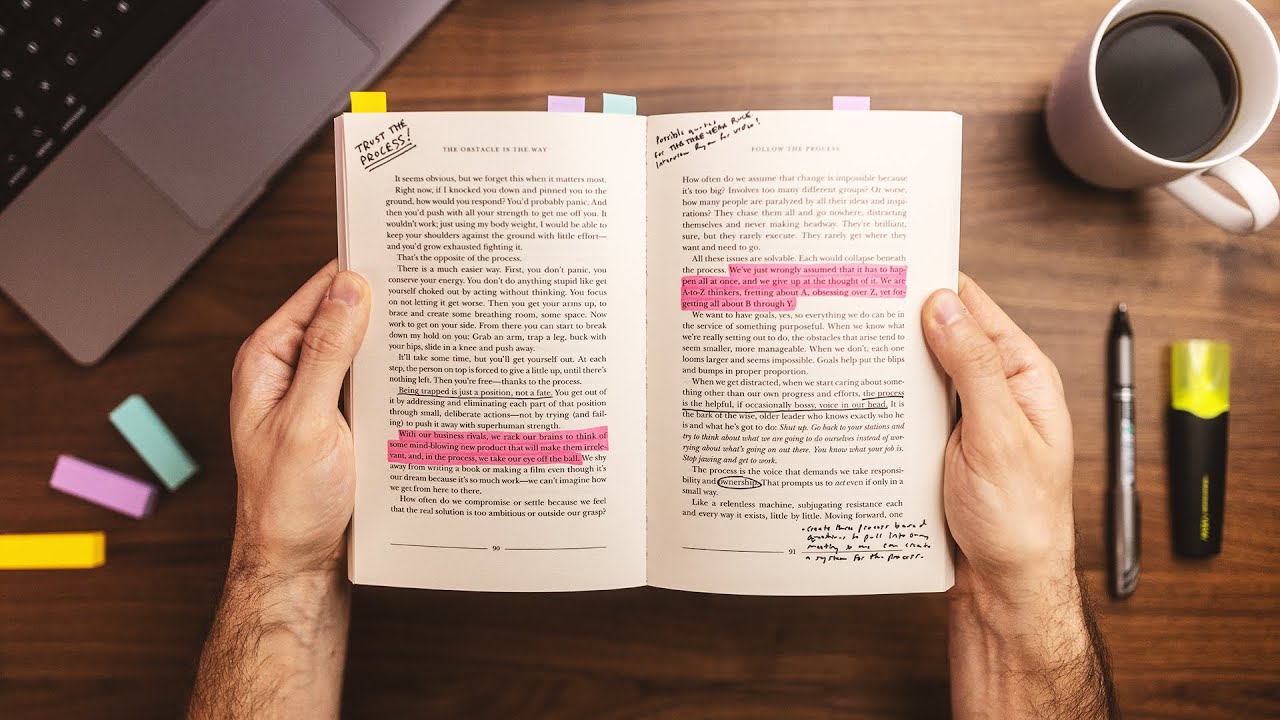
Testing yourself with flashcards and quizzes forces you to actively retrieve knowledge, which updates and strengthens the memory. Students often prefer other study methods, like rereading textbooks and highlighting notes. But these practices can generate a false sense of competence, since the information is right in front of you.
Testing yourself, however, allows you to more accurately gauge what you actually know. But what if, while doing this, you can’t remember the answers? Not to worry— making mistakes can actually improve learning in the long term.
It’s theorized that as you rack your brain for the answer, you activate relevant pieces of knowledge. Then, when the correct answer is later revealed, the brain can better integrate this information with what you already know. Our second technique builds on the first.
When using flashcards to study, it's best to mix the deck with multiple subjects. Interleaving, or mixing the concepts you focus on in a single session, can lead to better retention than practicing a single skill or topic at a time. One hypothesis of why this works is that, similar to testing, cycling through different subjects forces your brain to temporarily forget, then retrieve information, further strengthening the memory.
You may also find connections across the topics, and better understand their differences. Now that you know how and what to study, our final technique concerns when. Spacing your review across multiple days allows for rest and sleep between sessions.
While “offline,” the brain is actively at work, storing and integrating knowledge in the neocortex. So while cramming the night before the exam may seem logical— after all, won’t the material be fresh in your mind? — the information won’t stick around for the long term.
This brings us back to our medical residents. Both groups studied the surgery for the same amount of time. Yet one group’s training was crammed in a single day, while the other more successful group’s training was spread over four weeks.
The reason all three of these study techniques work is because they’re designed with the brain in mind. They complement and reinforce the incredible way the brain works, sorting through and storing the abundance of information it’s fed day after day.