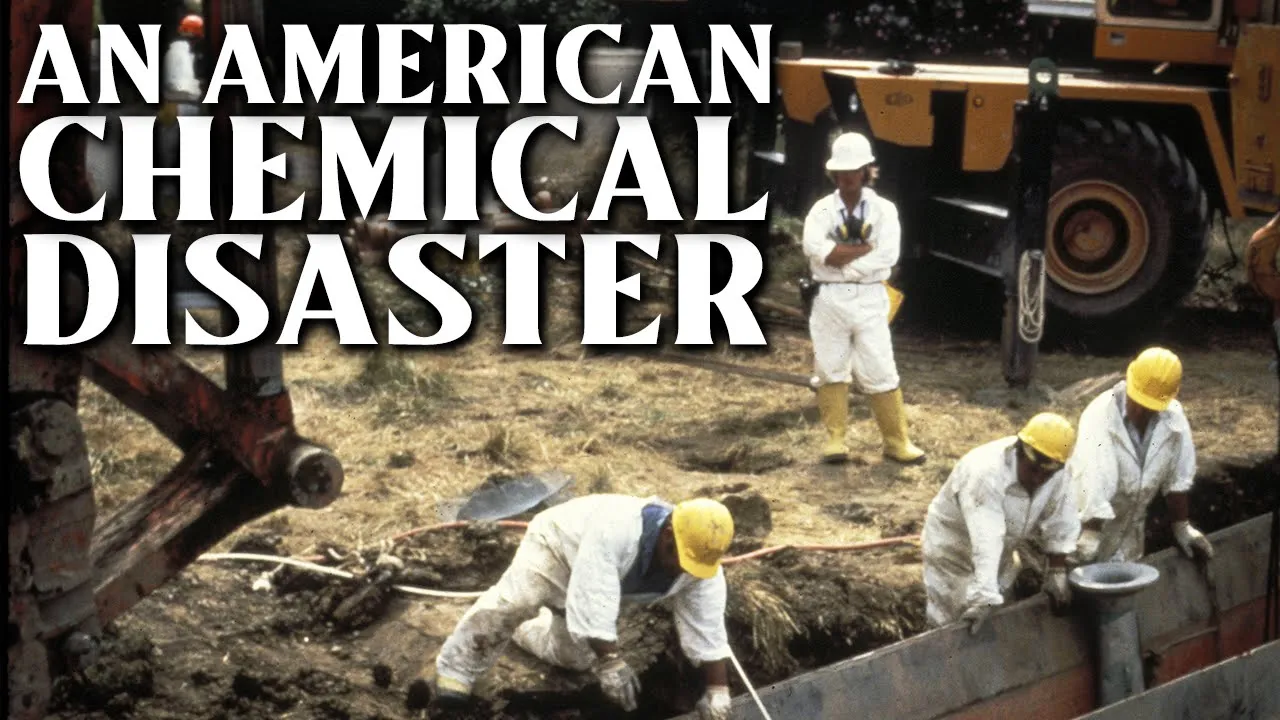
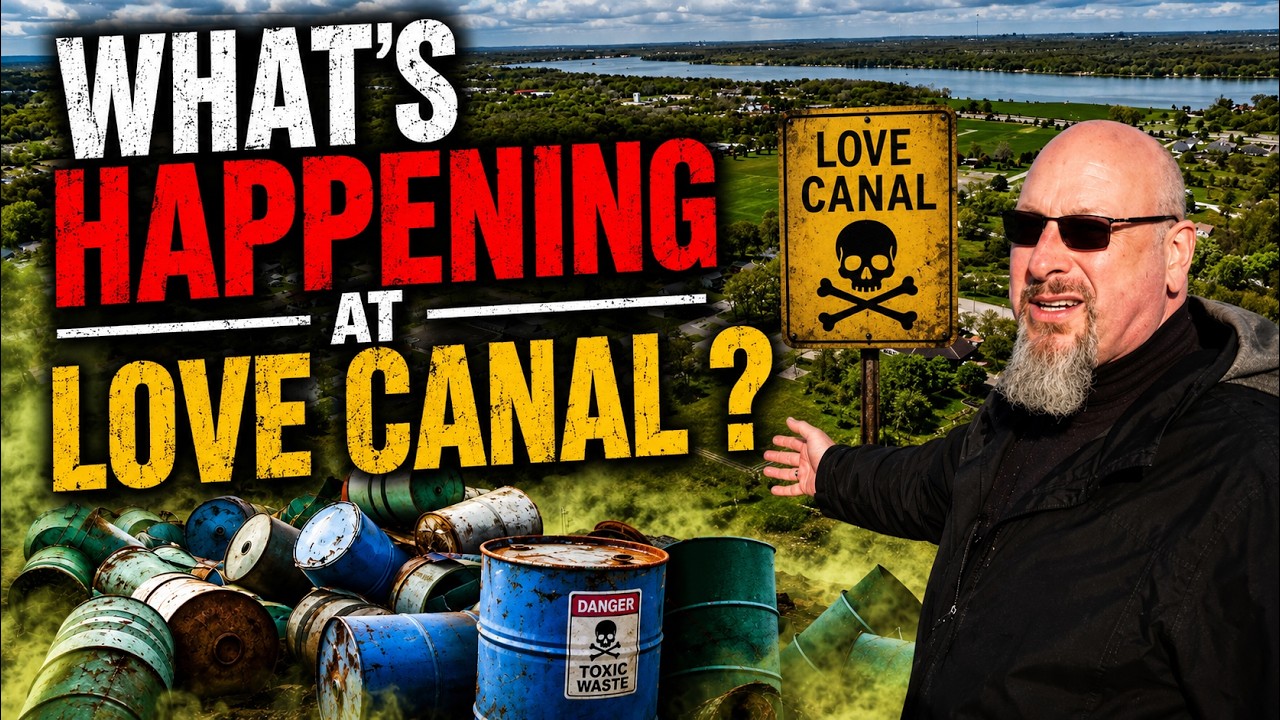
Love Canal Environmental Disaster The city built on toxic waste Many of us have started a project and not been able to finish it. For most, this is a mere annoyance, but for the residents of Love Canal, what began as a failed ambition turned into arguably the worst environmental tragedy in the US. In 1890, William T.
Love was struck with a brilliant idea. He wanted to develop a thriving community in Niagara Falls, New York, but he needed to find a way to generate electricity in the area. Because of the proximity to Niagara River, he formulated a plan: Build a canal that connected Lake Ontario with the Niagara River by digging around the falls.
After a few attempts to make his vision a reality, Love eventually ran out of funds, and all that was left of his ambition was a sixty feet wide by three thousand feet long ditch. Despite the ditch not causing any problems, governments are not eager to let any good land just sit there, and so, in the 1920s, the area began to be used as a municipal and industrial dumpsite. The disposed materials were fairly innocuous, and the site continued to be used as a dumping ground for everyday trash up into the 1940s.
But then, something much more sinister came into the picture. In the early 1940s, the Hooker Chemical Company purchased the “Love Canal” and used it as a dumpsite for chemical by-products. Hooker Chemical maintained several factories that dealt with perfumes, dyes, and synthetic resins.
Many of the resulting chemical by-products were caustic and could potentially cause great harm if someone came into direct contact with them. However, factories had to keep up with demand, so Hooker kept pumping out more products, which produced more and more toxic waste. Finally, after about ten years, 19,800 tons of toxic waste had been buried just twenty-five feet under the ground in the Love Canal.
The site was filled with chemicals only contained by the walls of their steel drum prisons. When the dumpsite was established, the canal had been drained and lined with clay to protect against leakage. But, as we now know, those safety measures were far from adequate.
In 1953, the Hooker Company decided they had no more use for the dumping ground, so they sealed it with more clay and sold it to the Niagara Falls school district for the price of a single dollar. Perhaps, in retrospect, the low selling price should have been seen as a warning. Well, that, and the fact that the Hooker Company made the school board sign an agreement that said it was potentially dangerous to build on the dumpsite and that they could not hold them accountable for any damage that might arise from the buried waste.
It was a done deal. The school board built a school on the land and promptly sold the surrounding area to a housing project. Despite a warning from the leading architect who mentioned it would be “poor policy” to build in the area since it was unknown how much waste product was still present in the ground; the building of the city went forward.
Right away, things started to go wrong. During construction, workers broke holes in the clay lining of the canal to run sewer lines for the town. The clay lining, as a reminder, was there to protect against any chemical leaks that might escape their drums and try to make their way into the soil and water.
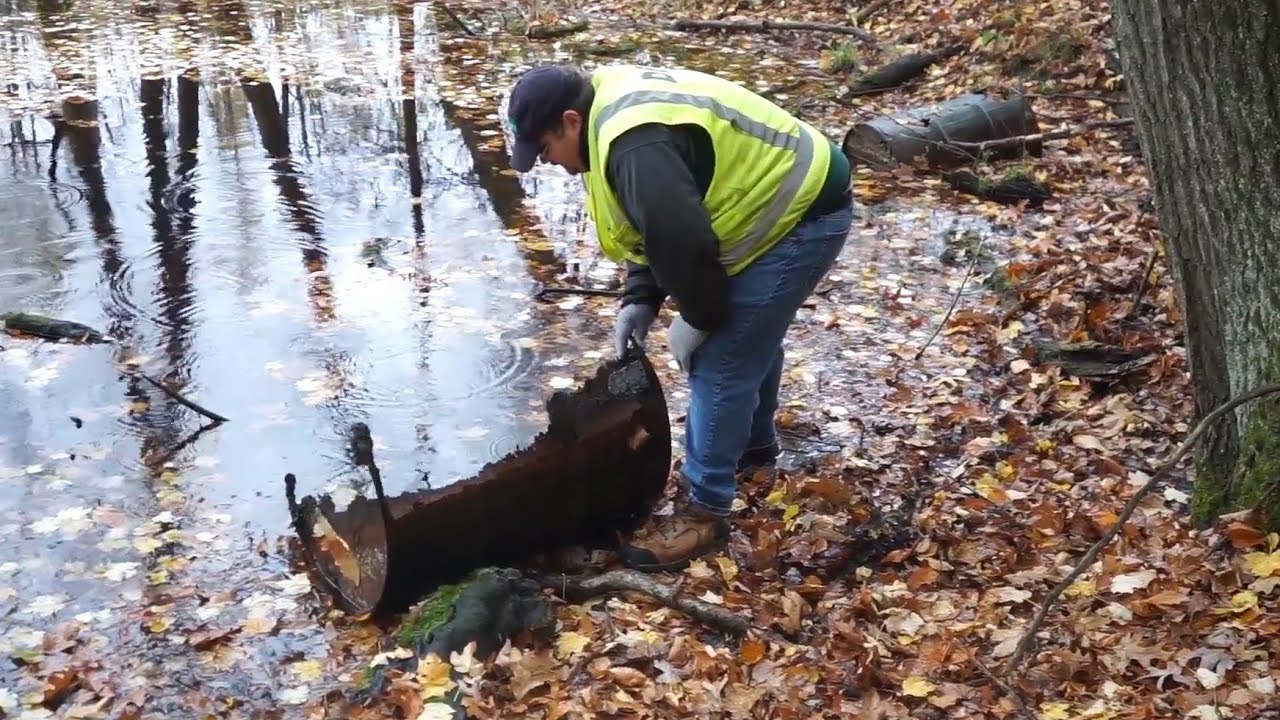
And, as if the damage to the clay wasn’t enough, some of the barrels themselves were damaged! While this did cause some issues during construction, such as strong chemical fumes and leakage, the city didn’t seem concerned. The school building was simply relocated eighty-five feet north, and everyone treated it as a non-issue.
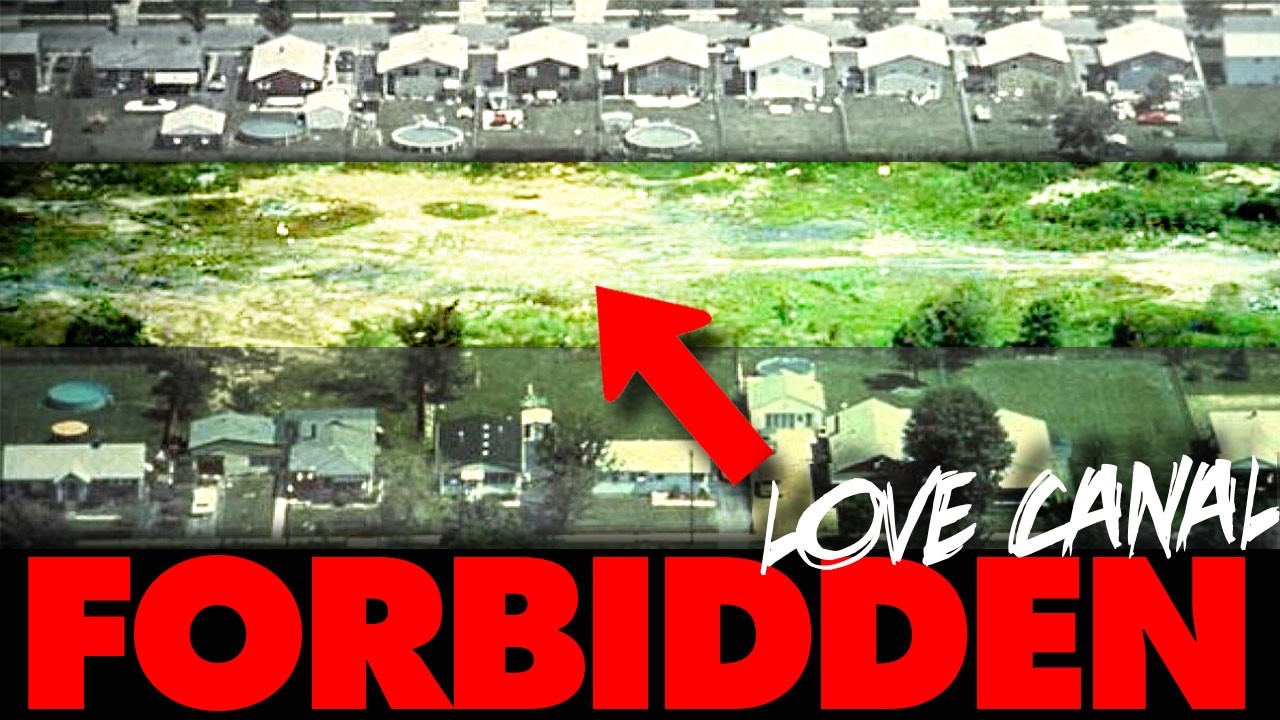
The school opened its doors in 1955. By this point, 800 families had moved into the area and settled into houses adjacent to the canal. 400 children attended the school, and several other schools were built to accommodate the growing community.
Love Canal was made up of hard-working middle-class families who were looking to settle down in what they thought would be a thriving community…but those dreams didn’t last long. Eager to keep building, the school district sold off the remaining land, and private developers built more homes. Later that year, a twenty-five-foot area completely disintegrated, exposing several toxic chemical drums, which filled with water during rainstorms.
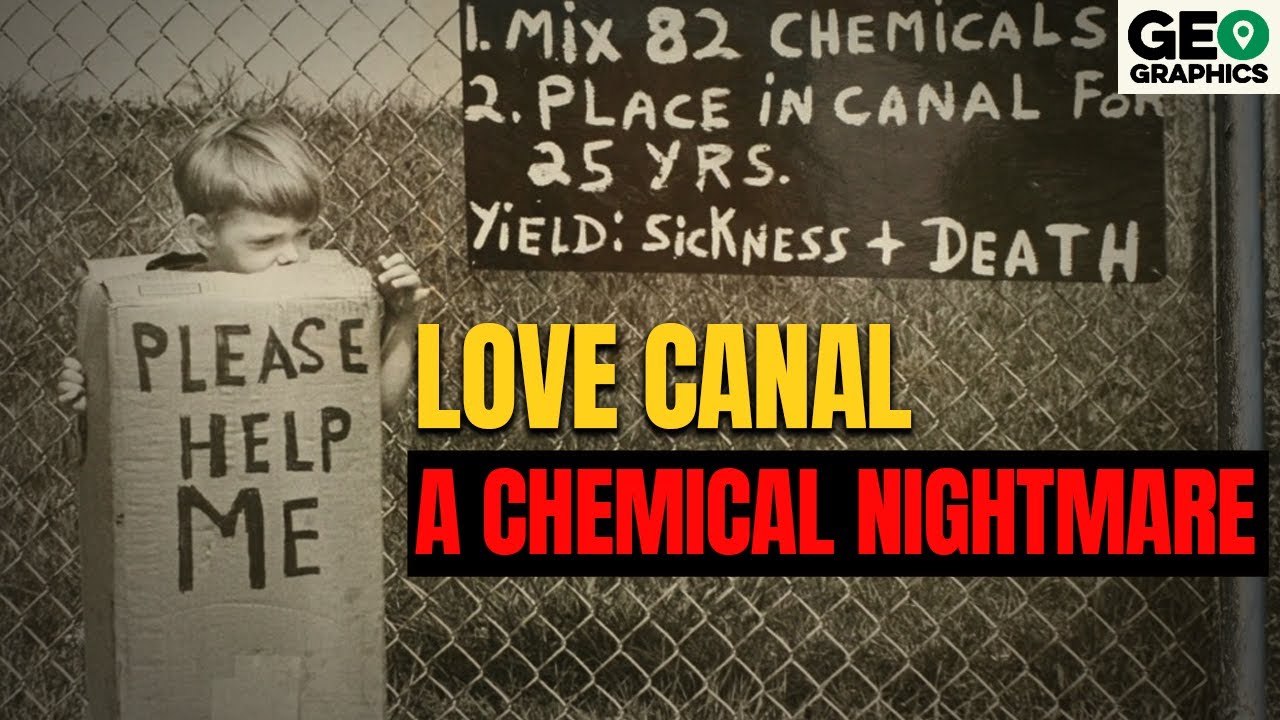
Puddles formed all around town, and many local children enjoyed playing in them. None of the residents were aware of what lay underneath the ground, but it was hard to miss the chemical burns that covered the hands and faces of their children after they had been playing outside. Not only had the weather exposed and distributed the chemicals, but remember that the City of Niagara Falls had broken holes in the clay layer when constructing the sewer lines for Love Canal.
They disrupted the layer that was supposed to protect the community but also removed some of the clay to use as filler on the nearby 93rd Street School. Because of this, rainwater was able to push chemicals through the gaps without resistance, and toxins began to infiltrate the community. The water table level of Love Canal frequently yo-yoed, and chemicals in the soil were able to combine with the water to create what is known as “leachate”; which began to make its way directly into people’s homes.
Residents came home to find toxic pools in their basements. Plants and flowers in gardens and lining the streets began to rot and die. If there was visible water, it was contaminated with chemicals.
You could even see steel drums poking out of the earth in some areas. The air smelled rotten, with a distinct chemical smell. The visuals were bad enough, but it was about to get worse.
As the years passed, Love Canal residents began to experience health problems, and many children were born with health defects. But, at the time, the environmental and health consequences of waste chemicals were not well known. During the early 1970s, there were many cases of exposed drums and leaking chemicals in Love Canal, but the Niagara County Health Department simply ordered leaks to be covered with soil.
Unsurprisingly, that action was not effective. However, Love Canal was yet to be exposed to the world, as many other environmental disasters were just beginning to gain international traction. In 1976, an investigator hired by the city noted toxic chemical residues in the air and in the sump pumps of homes at the canal’s southern end.
However, the city’s only response was to place window fans in homes with some of the highest chemical residue levels. It wasn’t until the fall of 1976 that the leaks were even mentioned in any news publication, and health departments were slow to get any chemical testing done. However, once the initial testing was complete, people’s fears were confirmed.
Several chemicals found at the site, including benzene and chloroform, can cause severe conditions, including leukemia. In 1977 Love Canal experienced heavy snowfall, which raised the water table level. As a result, more contaminants mixed with the groundwater, and finally, the State Departments of Health and Environmental Conservation began studying the air, soil, and water.
The following year, they began to run blood tests on residents. 97% of residents had traces of 1,2,4-trichlorobenzene in their blood. Benzene affects the cells in the human body, causing cancer and making it difficult for your body to mount any kind of immune defense.
Traces of several other chemicals were also found in the samples. These chemicals, often used in agriculture, are carcinogenic and can cause liver and kidney problems, headaches, and blood disorders. In July of 1978, the Health Department announced that 81 different chemicals were polluting the homes in Love Canal.
It was discovered that 200 tons of 2, 4, 5 trichlorophenol, which is used as a fungicide and pesticide, were buried. It is a compound related to dioxin, responsible for many diseases, including significant reproductive and developmental problems. A medical survey soon found that seven out of ten homes in Love Canal showed evidence of chemical leakage, and 75 percent of residents had increased health risks.
Several of the residents had already fallen sick with serious illnesses, and an alarmingly high rate of babies in the community were born with birth defects. During this time, the miscarriage rate in Love Canal went up by 300%. The women who lived closest to the dumpsite were at the greatest risk of having miscarriages.
If a pregnancy made it to term, the rates of crib deaths were also high. The children who lived had various health conditions such as webbed feet, three rows of teeth, deafness, and damaged kidneys or lungs. It was also found that most children born in Love Canal had lower birth weights and more health and developmental issues than children born elsewhere.
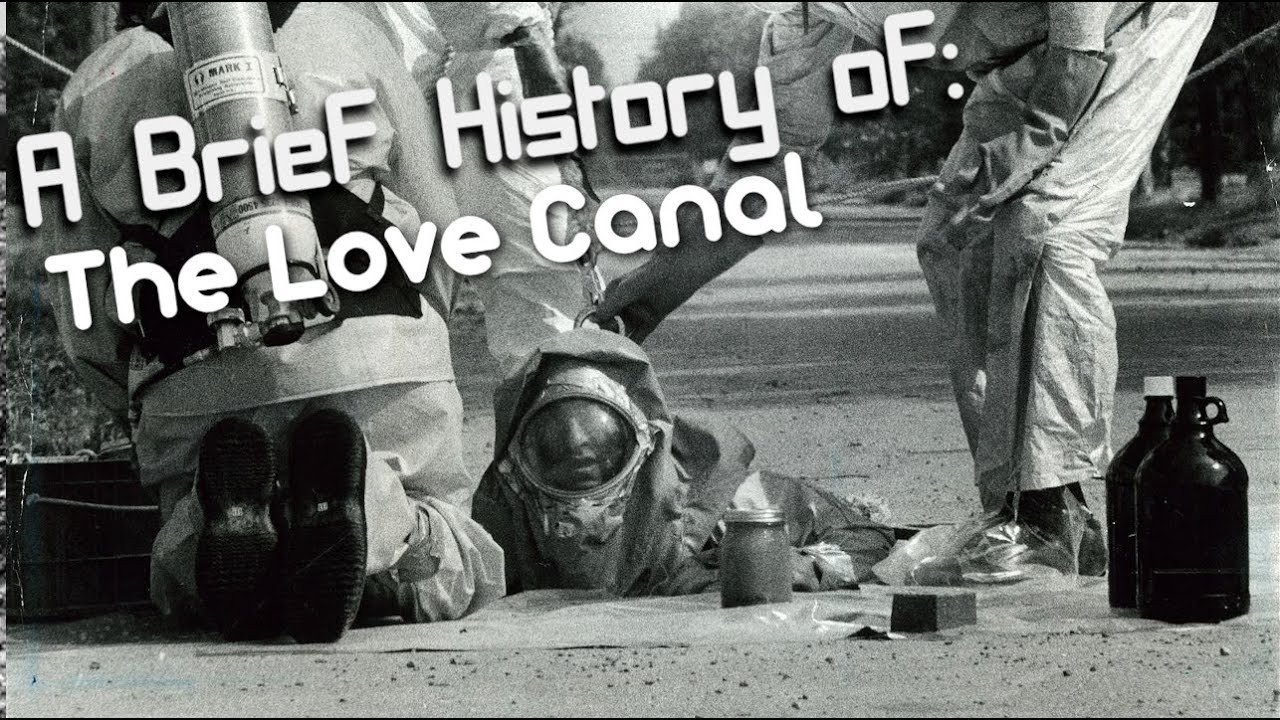
In August, the state health commissioner declared a state of emergency at Love Canal. An evacuation order was made for the families in the first two rings of houses near the canal. On August 7, President Jimmy Carter declared “Love Canal” to be in a national state of emergency.
Shortly after, New York Gov. Hugh L. Carey visited the community and announced the evacuation of the 239 families living closest to the canal.
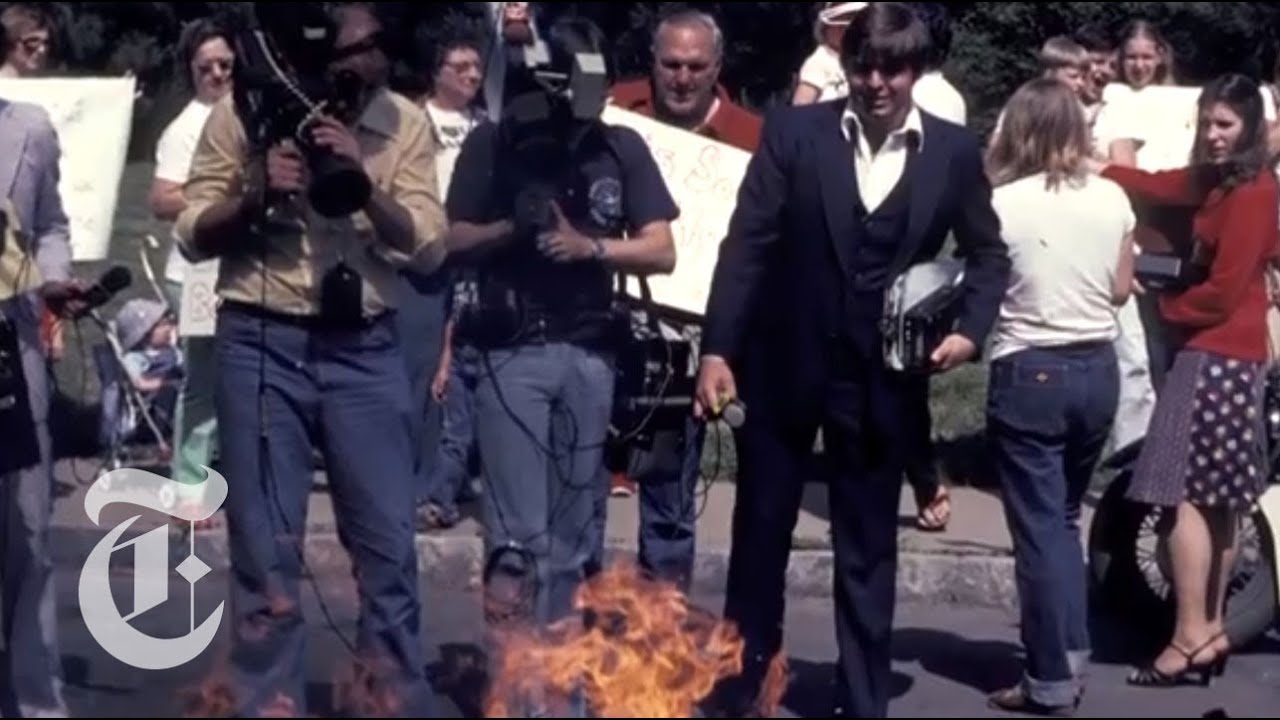
In October 1978, work began on a chemical drainage system, but residents were angry. Calls grew to evacuate the entire community. On December 11, picketers arrived at the work site demanding answers and safety.
Their leader was a young mother and Love Canal resident named Lois Gibbs. Gibbs and other protestors were briefly arrested before having all charges dropped. This began several years of activism for the Love Canal residents.
For many years the government and the Hooker Chemical Company downplayed the severity of the situation while residents grew increasingly desperate. Everyone but the families closest to the dumpsite had to continue living in homes filled with noxious substances. In February of 1979, the evacuation radius was increased to six blocks.
Meanwhile, the other residents were still stuck with severe medical conditions in their homes. None of them could afford to move without financial support as all of their homes had become worthless. In May of 1980, the Environmental Protection Agency produced a study that showed that Love Canal residents may have chromosome damage due to the chemicals.
Although the study was eventually refuted, it renewed anger in residents. On May 19, residents held two Environmental Protection Agency officials hostage in the Love Canal Homeowners Associate office and demanded the entire population of Love Canal be evacuated. Finally, President Carter declared a second state of federal emergency at Love Canal and ordered the evacuation of all 728 families in the 50 block radius of the canal.
Eventually, President Carter signed a $20 million state-federal aid package for Love Canal. The government agreed to purchase 550 homes, and all but 76 sold. Over the next few years, the government destroyed the 227 homes closest to the canal.
In 1982, the concentration of dioxin in the canal was 100,000 times stronger than the level where it begins to be toxic in animals. Over the following years, cleanup efforts continued, and Occidental Chemical Corporation, the company that purchased the Hooker Company, eventually settled with residents in 1984. They offered a $20 million lump sum payment along with a $ 1 million medical trust fund.
Love Canal was a horrific eyeopener to the dangers involved in chemical disposal and the impact improper use and dumping can have on humans and the surrounding environment. In a tiny silver lining, largely due to Love Canal, the “Comprehensive Environmental Response, Compensation and Liability Act of 1980” was signed into federal law. Know as “Superfund Act”, it is run by the EPA to investigate and clean up sites that have been contaminated with hazardous substances.
Today, there are 40’000 of those sites around the country. Love Canal was the first site to receive funding. The cleanup process took 21 years and cost $400 million.
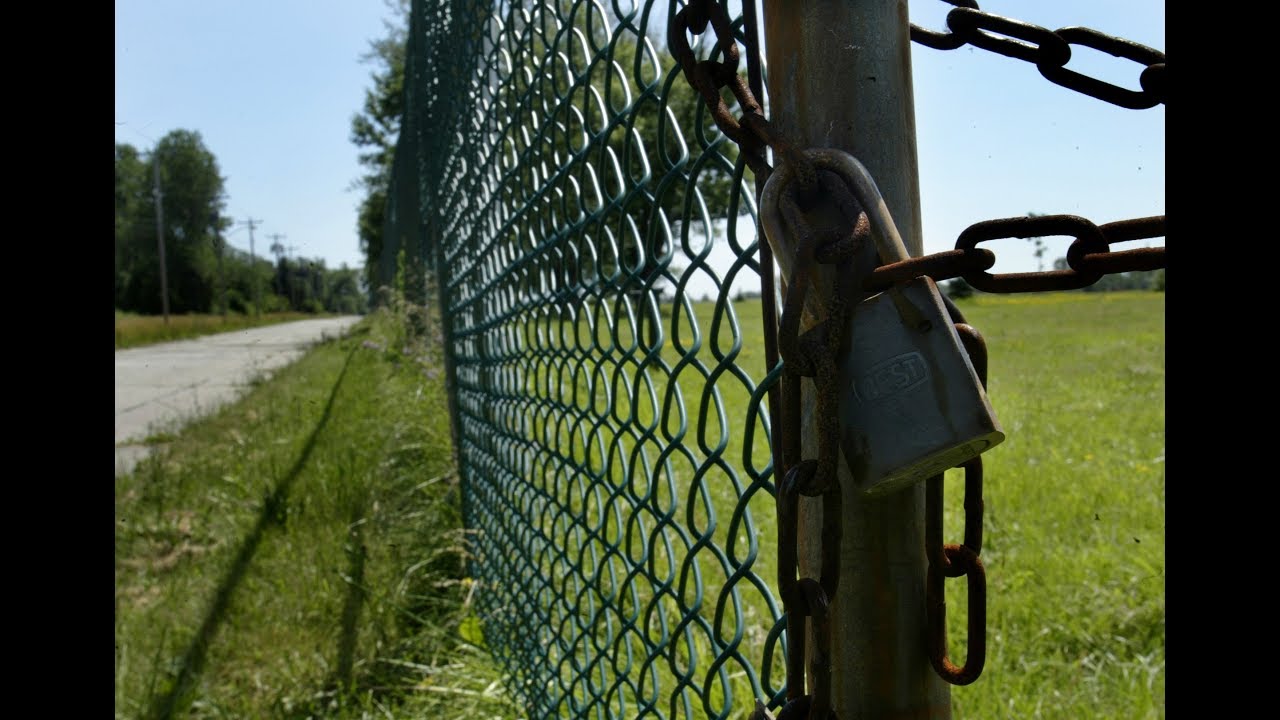
Today, Love Canal has a fenced 70-acre site that includes the original waste site with a 40-acre cap, a barrier drainage system, and a leachate collection and treatment system. In addition, there are more than 150 monitoring wells in the surrounding area that are inspected frequently. It was found that Occidental did not break any laws when disposing of their chemical waste.
However, they were still held accountable due to the “retroactive liability” provision in the Superfund Act. In 1994 Occidental Chemical Corporation and Occidental Petroleum agreed to a $98 million settlement with New York state for cleanup costs. A year later, the EPA sued Occidental Petroleum.
The company agreed to pay $129 million in restitution. Lois Gibbs, the leading Love Canal activist, went on to found a non-profit that supports local activists in environmental work. Several houses in the outer rings of Love Canal were deemed fit for habitation, and new homes were built in the area.
Along with the remaining 76, the new residents continued with their lives. Today, many of them are suffering from inexplicable health problems. If you found this video interesting, now is the time to like and comment.
Subscribe to see when my next documentary is up. Until then, you can take a look at this episode of Dark History!





![Downwinders and the Radioactive West [FULL DOCUMENTARY]](https://img.youtube.com/vi/77gJtV13ouo/maxresdefault.jpg)