I want to talk about confidence today. Consumer confidence in particular as it relates to the economy. And I have a big headline.
It is bad and worse than it's been at least since 2020 and maybe since 2011 in terms of people's confidence in the economy. Let's go through some numbers. So, the Conference Board, which is a group that does a consumer confidence index that's been around a really long time, effectively what they do is they ask people, "How good do you feel about the economy, um, in April, they released this yesterday.
In April, people, it is 7. 9 points down since March and at 86 consumer confidence rating. That is the lowest reading in five years.
And yes, five years gets us back to the beginning of the pandemic, the uh COVID 19 pandemic, which is pretty remarkable. But wait, it's actually worse than just that. So, they also asked the the conference board, they they asked a consumer confidence index, but they also ask an expectations index, which is essentially how do you think the next six months are going to go?
Things better, things worse. Okay, that is down 12. 5 points since last month to 54.
4, which is the lowest mark since 2011, lower than even during the pandemic. And I'll note, so I said it's 54. 4, the expectations index.
Anything below 80 is seen as an indicator of a potential recession. We're at 54. 4.
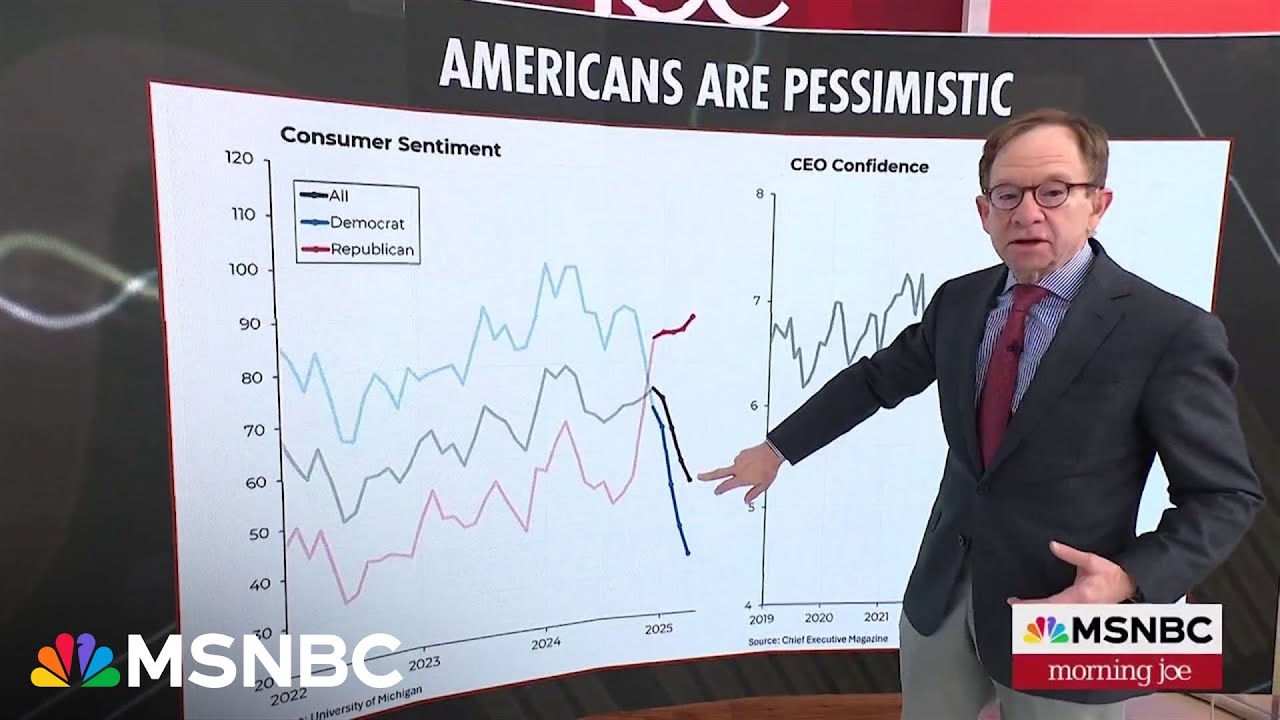
And it's not just this one. is not just the conference board's consumer confidence index. It is also the other major confidence index which is run by the University of Michigan consumer sentiment index they call it okay in that down 8% since March on the consumer confidence piece on the expect they also do an expectations index on the expectations index down 32% since January which is the biggest biggest three-month decline since wait for it 1990.
I mean we are looking at historic levels of decreasing and rapidly decreasing confidence in the economy both as it is today and as it will be in the coming months. Um what does this mean? Well, I've talked many times in this space about the economy is a lot of perception, right?
How people feel about the economy is oftentimes more important than a leading indicator, a GDP or consumer price index about the economy. And that's why I pay really close attention to these consumer confidence indexes because they're a really good indicator of how the public is generally feeling. And look, it makes sense, right?
If the public feels uh a lack of confidence in the economy, they are likely to spend less money. They are likely just to save money, right? Not make any big purchases.
that slows the economy, right? Which means that the the numbers of the economy, actual numbers of the economy, the real numbers slow, which leads to people believing the economy is bad, which leads to them spending less money, right? It's it's it's an unverirtuous cycle if you are an economist.
And that's I think where we may be right now which is we have confidence not just low uh and dropping but um expectations of where things are going to be is even worse. Uh people are really concerned and really pessimistic about the next six months even as the last three months they say have not been very good. Now we know why this is right.
This is not complicated. Donald Trump was elected, and I'm going to say this until I'm blue in the face, more blue than these glasses. Donald Trump was elected because of the economy.
One in three voters in the 2024 election said the economy was the most important issue in their deciding their vote. Of that group, Trump won 81%, Kla Harris won 18%. Okay.
So, he was elected because of the economy to bring down prices in everyday goods, to uh lower inflation, and to just generally make people feel better about the economy. He's a businessman. He knows what he's doing.
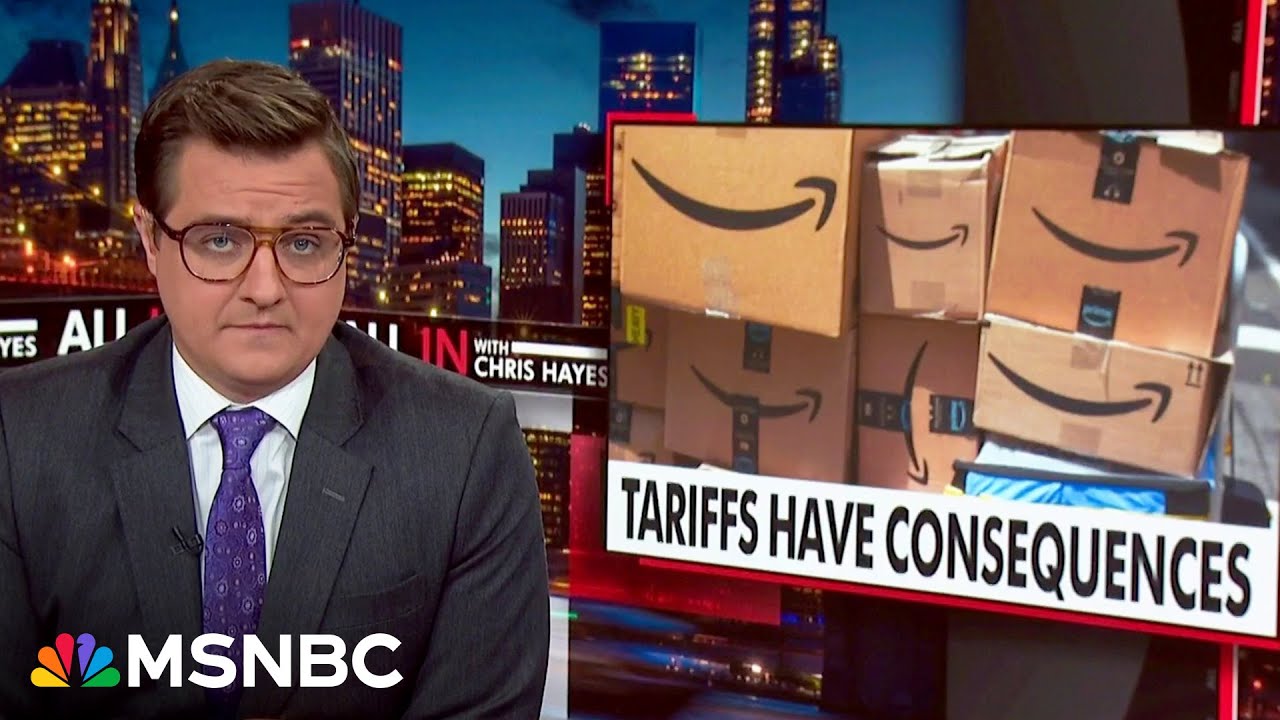
Okay, that has not happened because Donald Trump pursued this tariff plan. And I don't think a lot of people knew what tariffs were at the start, but they definitely do now. And what tariffs equal, generally speaking, are higher prices on goods.
um the potential for increased inflation and that's the opposite of why people elected him. So what you've seen is people go from very optimistic about a Trump presidency on the economy. He's a businessman.
Look what he did in the first term before COVID hit. To increasingly pessimistic in a very short period of time. It is why his job approval numbers are where they are not very good.
It is why his economic his ratings on handling of the economy are lower than his job approval ratings in the kind of mid to high30s. And it is why in addition to the stock market going down and people seeing that, it is why these consumer confidence numbers are low. And the problem is when you're dealing with consumer confidence, you are not dealing with uh a hard and fast number that is based on reality.
You are dealing with perception. It is how confident or not confident are people in the economy. And it's hard to fix perception.
And I think that is a really big problem. I'll note two other things to keep an eye on. Number one, it's not just perception.
Uh earlier this week, the Bureau of Labor Statistics, a government agency, announced that job postings, the number of people posting jobs reached its lowest level since September of 2021. And on Friday, the BLS, the Bureau of Labor Statistics, will also put out its jobs and unemployment numbers for the month of April. If those are slow, if those are underwhelming, it will just feed this lack of confidence.
And that is just I mean, look, it's a problem for the co for for society. We want people to be confident in the economy, so the economy grows, so things are good. But it's a big political problem.
If you're Donald Trump, he has very quickly eroded confidence very fast in his ability to handle this. And not only are people pessimistic now, they're even more pessimistic about the future. All right, everyone.
I ask you to do one thing to help me. Just hit that subscribe button. It's free.
It's easy. Hit that subscribe button. Help me grow.