When we see a city, it might seem to us that it's always been like that and we are not aware that it's constantly growing and changing. Old houses are demolished and are continually replaced by new constructions, modern buildings, large squares, wide avenues, bridges or tunnels to circulate the transport system. If we see photos of the early 20th century, we realize that these changes have been deeper than we think and we will be astonished by how much our life and environment has evolved.
When the construction of the Sagrada Familia (Holy Family) began at the end of the 19th century, there were no buildings but only fields around it. In 1906, it was like this. They are still building it, it looks the same as before, although now there is less left to finish.
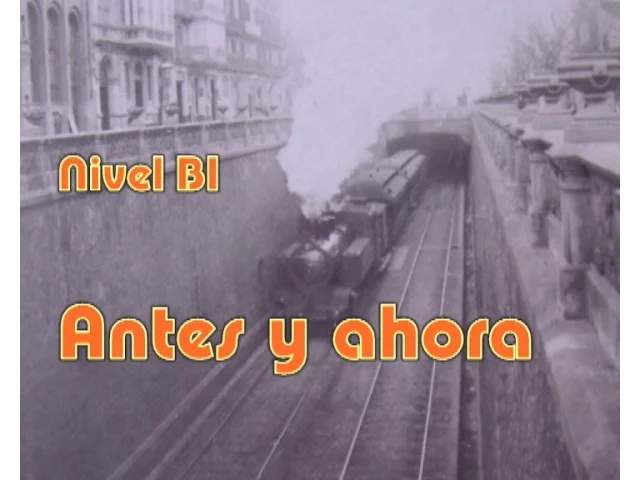
Now in this part of the Ramblas there is a hotel and a photo shop. However, in 1910 there was an oil shop here. Before, the steam train used to pass through the Aragon street.
The smoke and noise of the train would disturb the neighbors very much. Now the train continues to pass through the same place, However, it goes through a tunnel and the cars go over it. The train would stop before in this station at the Garcia Walk.
Now the train continues to stop in this place, However, now the station is underground. And besides, the use of steam trains ended years ago, when the electric train was invented. In 1920, flocks of goats could be seen in the Ramblas.
However, now there are no farm animals moving around. The only animals on the street are pets that are sold in these kiosks. In 1920, fishermen worked on the Barcelona beach and there were fish boats on the sand.
En la actualidad no vemos pescadores Now we don't see any fishermen but people who enjoy the beach all the months of the year. In 1920, the trade port was next to the city. Now a days, people can go to shop and walk around in this area.
And the boats that come to this part of the port are mostly tourist cruises. The city is constantly transforming and adapting to the needs that the society has every moment. Lots of changes have wiped from our memory what the city was like years ago.
On the contrary, on other occasions, it is preferred to preserve the memory of history. For example, this place was a factory before and now is a university library. Do you see the old chimney?
They've kept it to remind us that it has been here before. In 1905, the Apolo theater was one of the most popular in the city. Now the theater is completely new even though it keeps the same name and is in the same place.
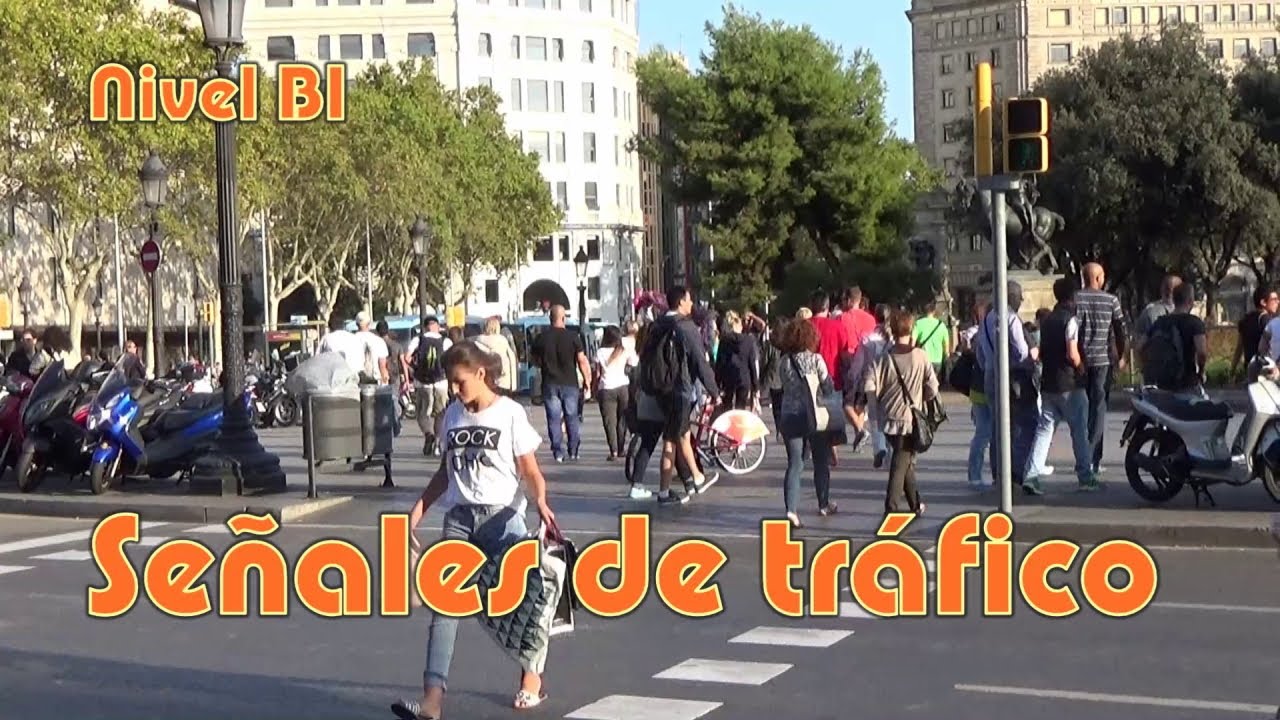
Now in Catalunya square this building with some department stores is there. But at the beginning of the 20th century the buildings which were there were these. The other side of the Catalunya square is now like this.
However, I like the buildings that were there before. Changes are not always for the better. It is clear that the square has changed a lot and it doesn't look anything like what it was 100 years ago.
In 1920, there was a large sculpture in the middle of the University square. Now, the university is still there, but the sculpture has disappeared. In 1888, they built center of fine arts.
However, it was demolished in 1940 and now there is this building. The other one was more beautiful, wasn't it? In 1920, there was a fountain in this part of the Catalunya square.
Now, there is still a fountain in the same place, but it looks different. In 1925, the tram used to pass in front of this beautiful house. .
. until it was replaced with the bus. In 1930, Garcia Avenue was one of the most important streets in Barcelona and now it is still the same as before.
In 1905 they built this house. . .
that we can now continue to admire. The house hasn't changed a bit, but its surroundings have. At that time, the Diagonal avenue was almost deserted, however, now it is one of the main streets of the city.
In the other photo, we can see how the Diagonal was in 1930. It's changed a lot, hasn't it? Before, there was very little traffic and now there's too much.
And the city keeps growing and the landscape keeps changing. How will the city be in 80 years? Perhaps a lot changes and then I hope that someone will do a video like this again.







![¿Cómo es vivir en la playa en invierno? Badalona [Barcelona, España]](https://img.youtube.com/vi/_LLRDxquY38/maxresdefault.jpg)