Billions of people deal with a nail-biting habit at some point in their lives. Many will go to great lengths to try to stop, employing strategies like rubbing chili peppers on their cuticles, wearing gloves all day, dipping their hands in salt, and envisioning bacteria crawling on their fingers. And while not all of us are nail-biters, most of us do have a habit we'd like to kick.
So what's the best way to break one? Scientists define habits as behaviors that are performed regularly, and cued subconsciously in response to certain environments, whether it be a location, time of day, or even an emotional state. They can include simple actions like picking your hair when stressed, but also more complex practices ingrained in daily routines, like staying up late or brewing your coffee in the morning.
If you do something frequently, without much deliberation, then it’s likely a habit. They form because at some point your brain learns that the behavior is beneficial. Let's say after opening a stressful email, you bite your nails.
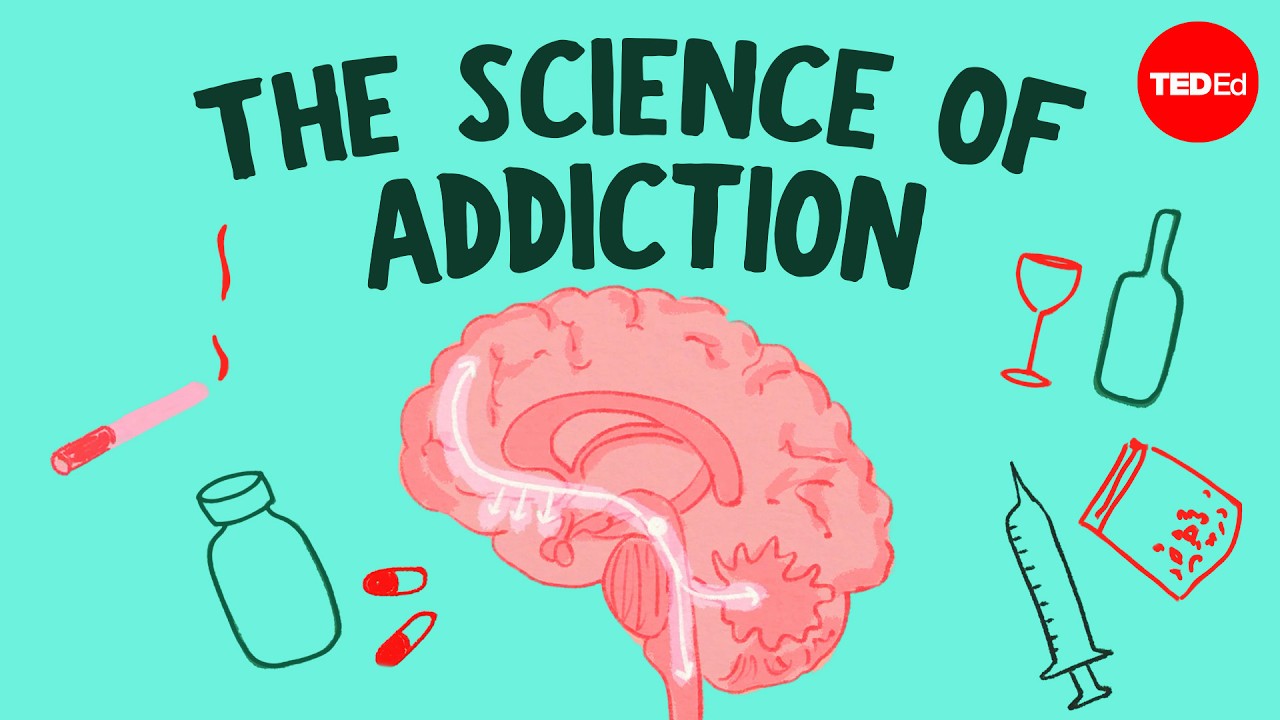
This is rewarding, as it’s enough to focus your attention, curbing your email fueled anxiety. Within your brain, positive experiences can trigger the release of dopamine, a neurotransmitter that mediates feelings of pleasure. Dopamine is also a driver of neuroplasticity, meaning it can change how your neurons wire and fire.
Your brain builds connections that link the reward with the behavior, driving you to repeat it. It also starts associating the behavior with other cues, like your environment. Eventually, all it takes is the context of sitting at your desk to subconsciously trigger a nail-biting habit— no stressful email or sense of relief required.
Once established, these cue-behavior-reward loops work fast, outpacing the decision-making process. You may find yourself engaging in a habit before you have the chance to notice and stop. But this can be a good thing because not all habits are bad.
They’re stored memories of what’s worked in the past, which allow you to take swift action in the present. One study estimated that on average, people spend more than 40% of their days performing regularly repeated behaviors while their minds are occupied with other thoughts. A seemingly automated morning routine, for example, saves you both time and precious mental energy.
Still, many people have habits that no longer serve them. Yet research shows that intentions alone often fail to lead to long-term behavior change. This isn’t to say you can’t break a habit.
Rather, by understanding the basis of habits, you can create better plans for changing them. For example, we know habits are often cued by environments and routines. Lying in bed may cause you to endlessly scroll through your phone, or watching TV on the couch may lead you to grab a sugary snack.
One of the most effective ways to manage behavior is to identify these locations or times of day. Then try to modify them by changing your routine or creating obstacles that make it more difficult to perform the habit in that space. Moving, switching jobs, or even starting a new schedule, are particularly great times to break a habit or build a new one.
One 2005 study tracked university students’ exercising, reading, and TV watching habits before and after they transferred schools. When students were no longer around old environments and routines, their habits, even the strong ones, significantly changed. For behaviors like nail-biting or hair-pulling, a practice called habit reversal training can be helpful.
Developed by psychologists in the 1970s, the aim is to change a habit by replacing it with another one that’s less detrimental. The training requires you to analyze and understand your habit cues, so you can effectively intervene at the right times. For example, if you tend to bite your nails at work, preemptively keep a fidget toy at your desk.
Then, if a stressful email comes in, use the toy when you feel the urge to bite your nails. Breaking a habit takes time, so remember to give yourself grace and have patience through the process. And while many focus on their bad habits, it’s also worth celebrating the good ones that help us move swiftly and successfully through our daily routines.