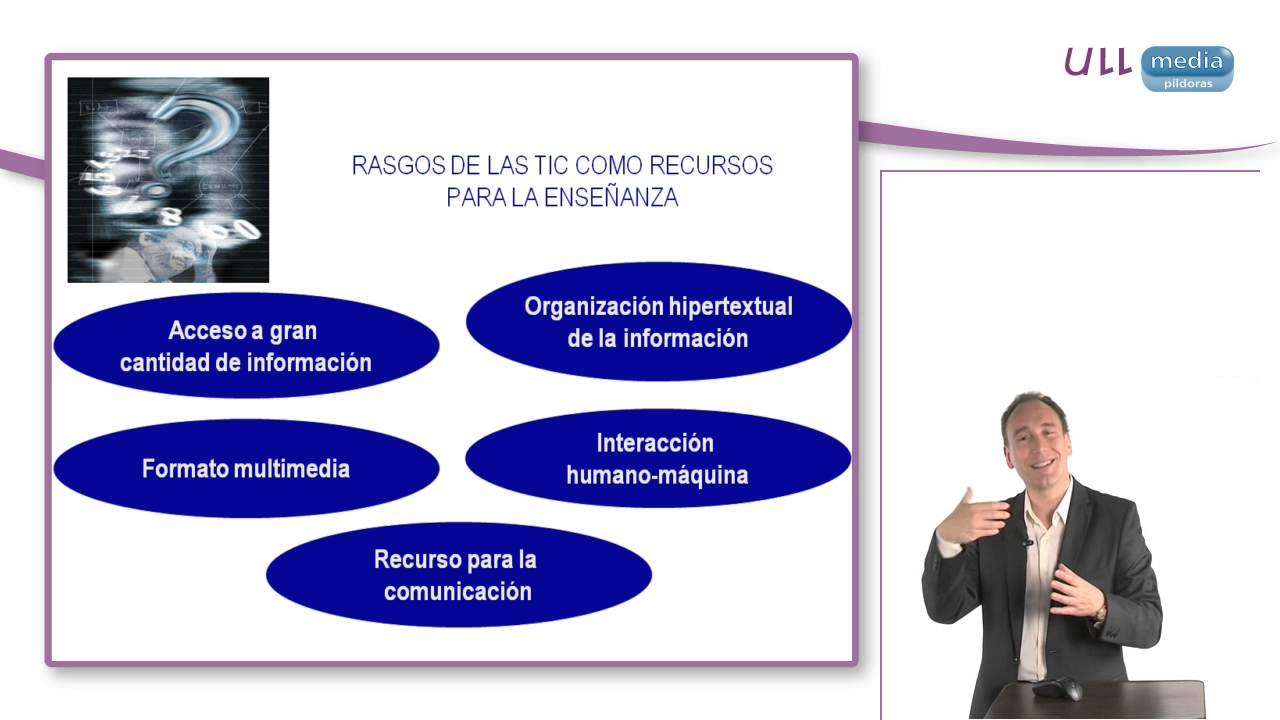
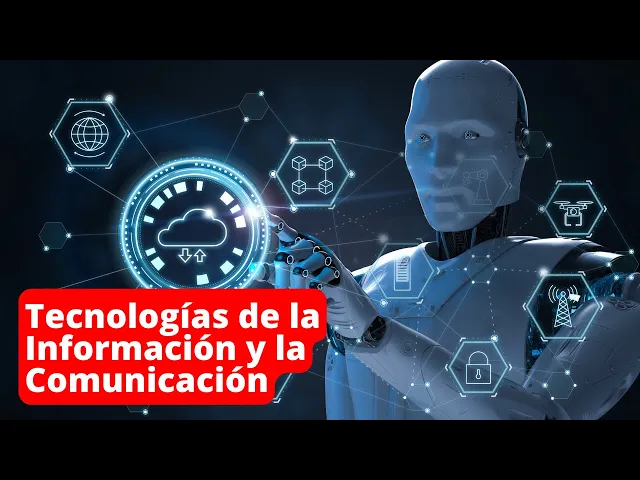
Hello! Good to see you here. Today I will explain what ICTs or Information and Communication Technologies are, what they are used for, their characteristics, advantages and disadvantages, and I will show you many examples.
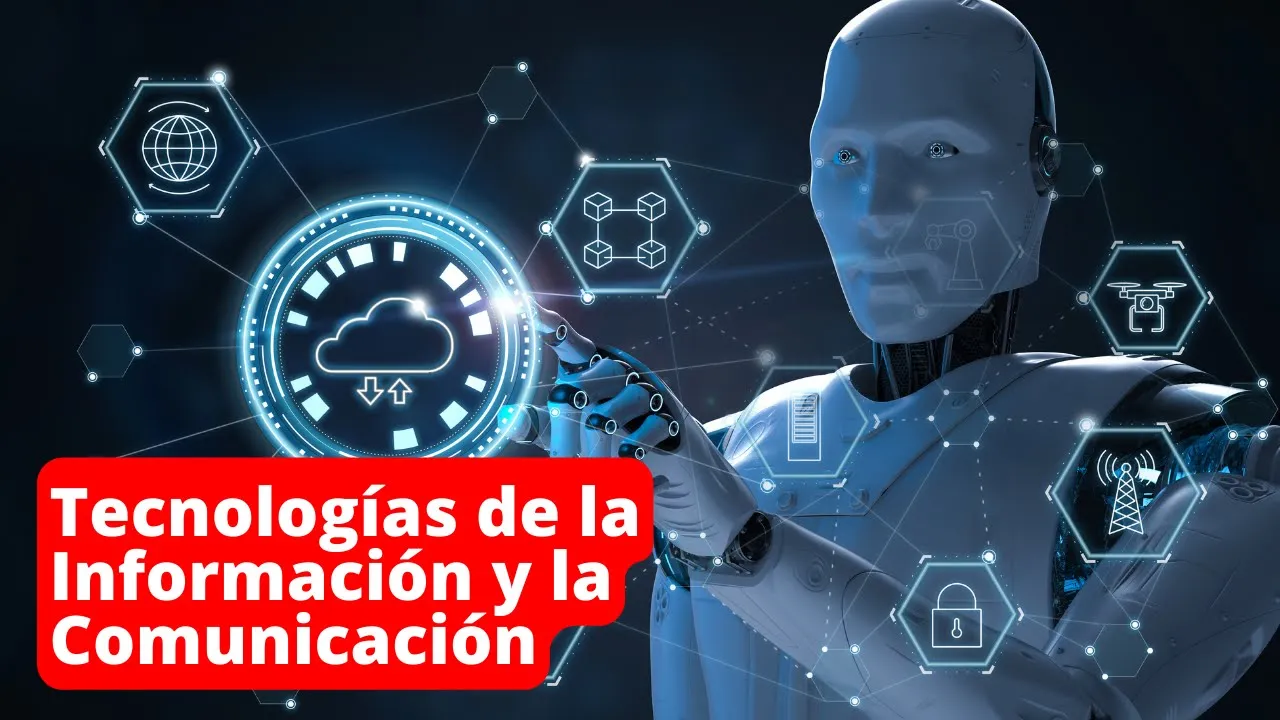
Give a like with desire to send you strength to learn and subscribe to the channel. The acronym TIC stands for Information and Communication Technologies. They can be defined as technological tools that, using the latest advances in computing, microelectronics and telecommunications, increase the data processing power of electronic devices and facilitate communications and access to information.
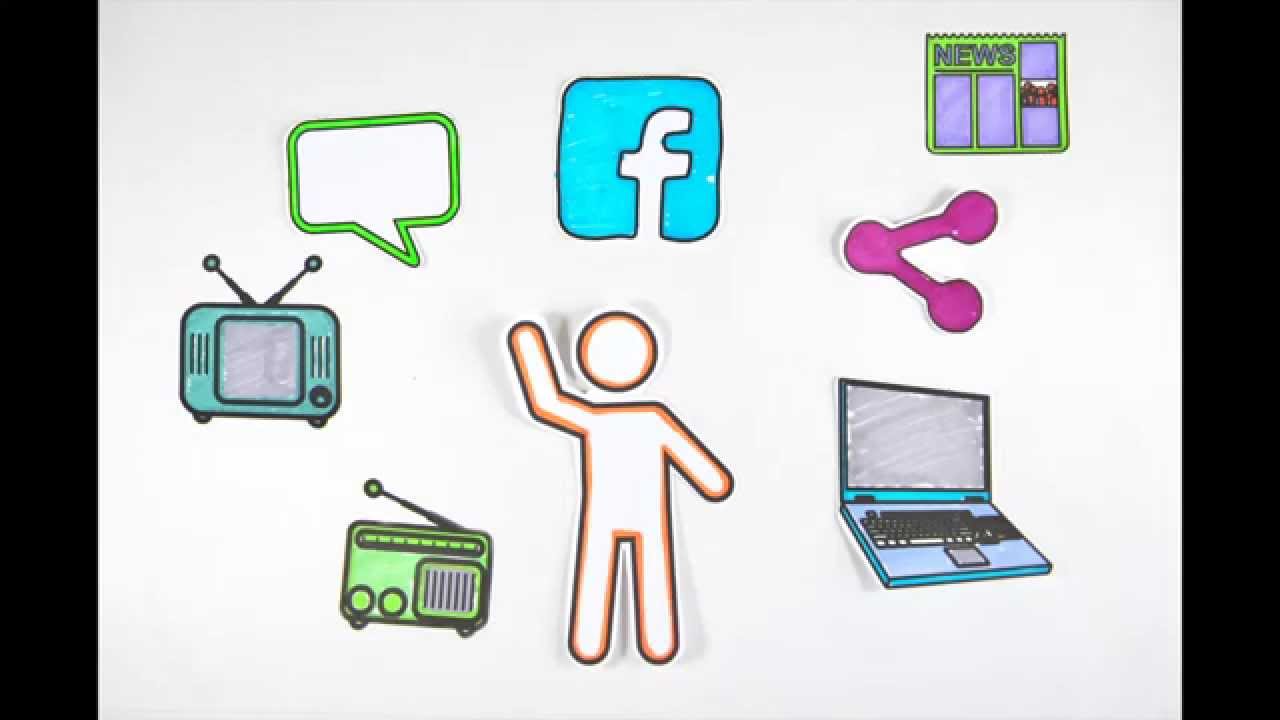
ICTs are the technologies that have emerged in recent decades, from the expansion of the Internet and the popularization of smartphones. Examples of these are social networks, email, commerce and electronic banking, or mobile applications. One of the main differences between ICT and traditional communication technologies, such as television and radio, is interactivity, that is, the ability of users to freely express their opinion about the content published by companies and institutions on web pages.
and social networks. This interactivity, in turn, has profoundly changed the relationship between providers of products and services and consumers. The latter exert considerable influence on the strategic decisions made by the former.
Characteristics of ICTs They are immaterial Although the devices that allow us to use them are material objects, ICTs work as information transmission processes on the Internet or in the cloud, which are immaterial systems. They are instant All the actions we do in ICT are instant and immediate, be it sending a text message, playing a video or audio, obtaining search results or accessing web pages. They are interactive Contrary to traditional radio or television, in which the user is the passive receiver of information, in ICT the receiver can interact with the content and influence the way it is produced.
They are constantly innovating Device technology, information processing power and the variety of services offered by ICTs are constantly evolving. The next step is quantum computing. They are interdisciplinary Many of the technologies that are part of ICT have been born from the collaboration between two or more scientific disciplines.
For example, email is a product of the connection between computing and information technology. What are ICTs for? ICTs have two main functions: – Allow users to access information quickly and easily.
– Make it possible for communication to be instantaneous, both from person to person and between user, device and network. This has definitively abolished the distances between people and has broken down the technological barriers that impeded the flow of information on a global scale. Types of ICT Networks They are equipment connected to each other, forming a network through which data circulates.
The connection between these devices can be through a cable, as in the case of broadband or cable television, via satellite (cellular telephony) or by radio frequencies. Terminals It is the hardware or the physical part of ICT. In other words, these are the devices that allow us to connect to the Internet and enjoy the benefits of ICT.
Examples of terminals are mobile phones, computers, tablets and laptops. Services This type includes ICTs that were designed to provide some type of service. For example, instant messaging, online banking, GPS, file storage space in the cloud, among others.
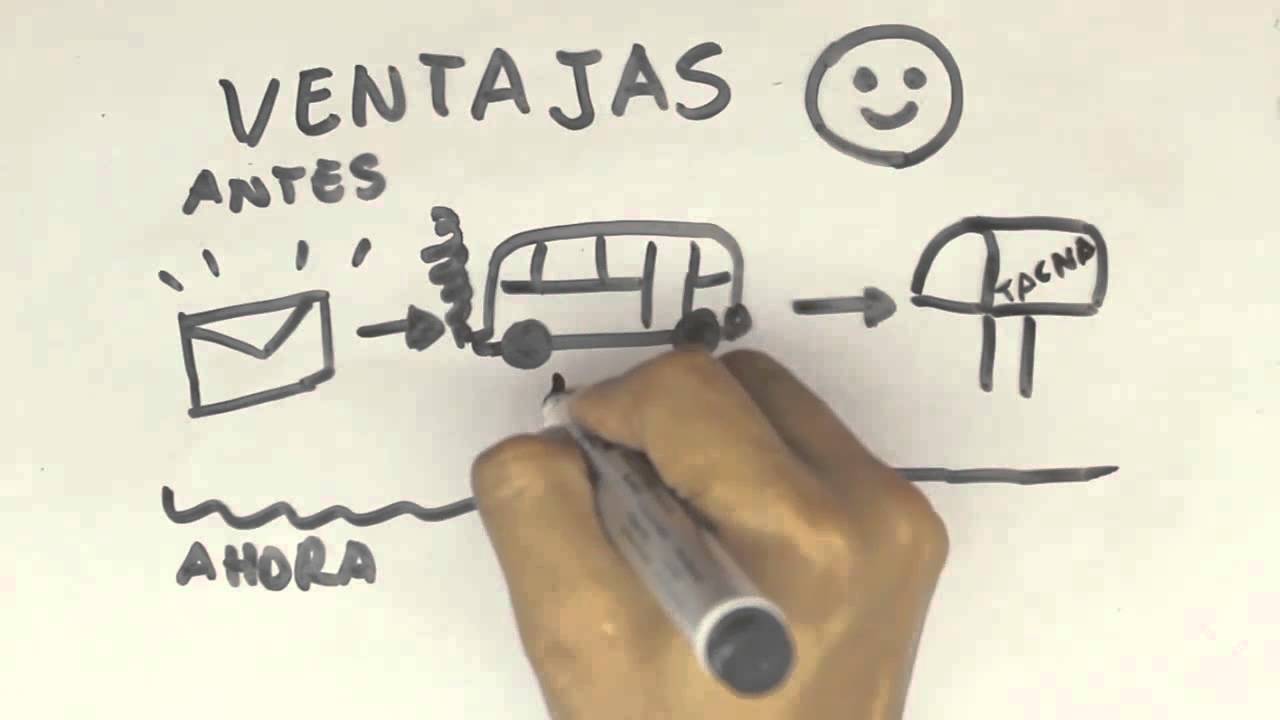
Advantages of ICT – They allow instant communication anywhere in the world. – They have diversified the means of information and facilitated access to them. – They have generated new industries and numerous jobs.
– Facilitate distance education and increase its effectiveness. – They provide free access to almost all human knowledge from a mobile phone or from home. Disadvantages of ICT – They represent a source of distraction during working hours.
– They can generate addiction. – They can easily become a means of circulating fake news and low-quality content. – Users are exposed to various dangers such as data theft, scams, and malware.
– They can cause loss of ability to establish face-to-face social relationships in the physical world. Examples of ICT The most important information and communication technology is the Internet. All other ICTs have been developed based on it.
Let's look at some examples. Social networks These are online communities that we access to share content, inform ourselves, strike up a conversation, seek or offer employment and make or consume advertisements. For example, Facebook, TikTok, Instagram, LinkedIn, etc.
Instant Messaging Allows people to communicate instantly via text, voice or video, no matter how far apart they are. WhatsApp or Telegram are examples of instant messaging. Online education This is a set of software designed to enhance distance learning.
There are also websites that offer online courses on various topics. Electronic commerce It refers to making purchases and sales through the Internet. There are online stores (such as Amazon) and websites that give individuals the option of selling their own products and services.
Electronic banking Currently, a large number of procedures can be carried out over the Internet that previously required going to the bank, such as updating data, paying credit cards or opening accounts. E- government Many governments around the world are saving money and reducing bureaucracy by digitizing the most common procedures, such as paying taxes. Digital information Nowadays we don't need to go to the media web, we can inform ourselves on social networks or through applications that collect information according to our personal interests.
Streaming video Content that was previously only seen on television and in cinemas is now available on mobile phones, tablets and computers thanks to YouTube, Netflix and a handful of subscription companies. Virtual Reality Uses digital technology to build detailed reproductions of the real world. It has applications in medicine and engineering and is a form of entertainment.
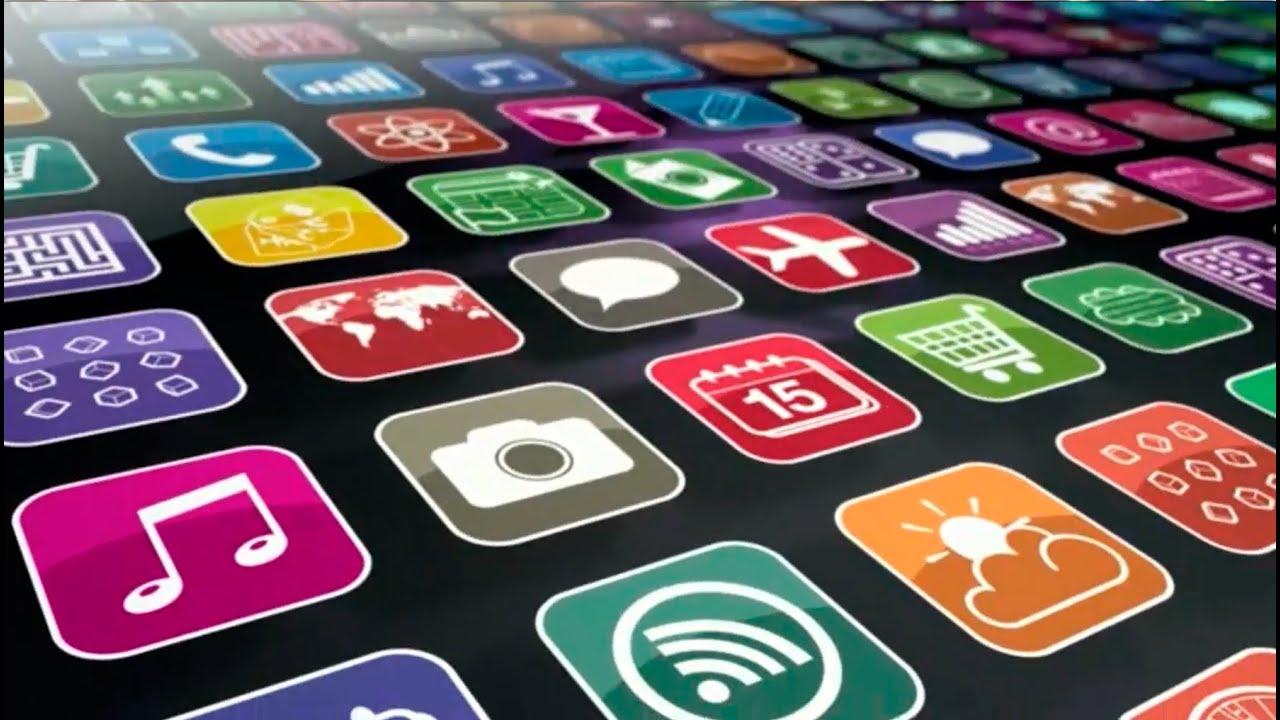
Mobile applications They are downloadable software with which you can do countless things: learn a language, meditate, play games, read digital books or enter social networks. We have already reached the end. As an exercise to check your knowledge, leave 3 examples of TICS in the comments.
Give it a like if you liked it, share it with your friends and subscribe to receive other videos as interesting as this one. Happy day, see you soon!

![🔴 Qué es la TECNOLOGÍA [ Definición, Tipos y Ejemplos ]⏪](https://img.youtube.com/vi/OBA1EJWhpxA/maxresdefault.jpg)