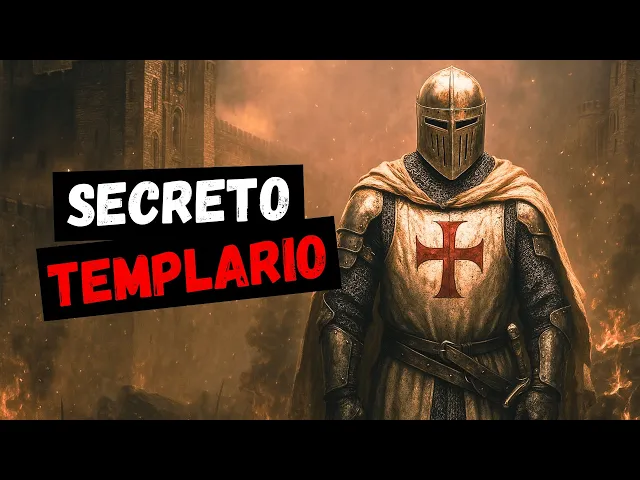
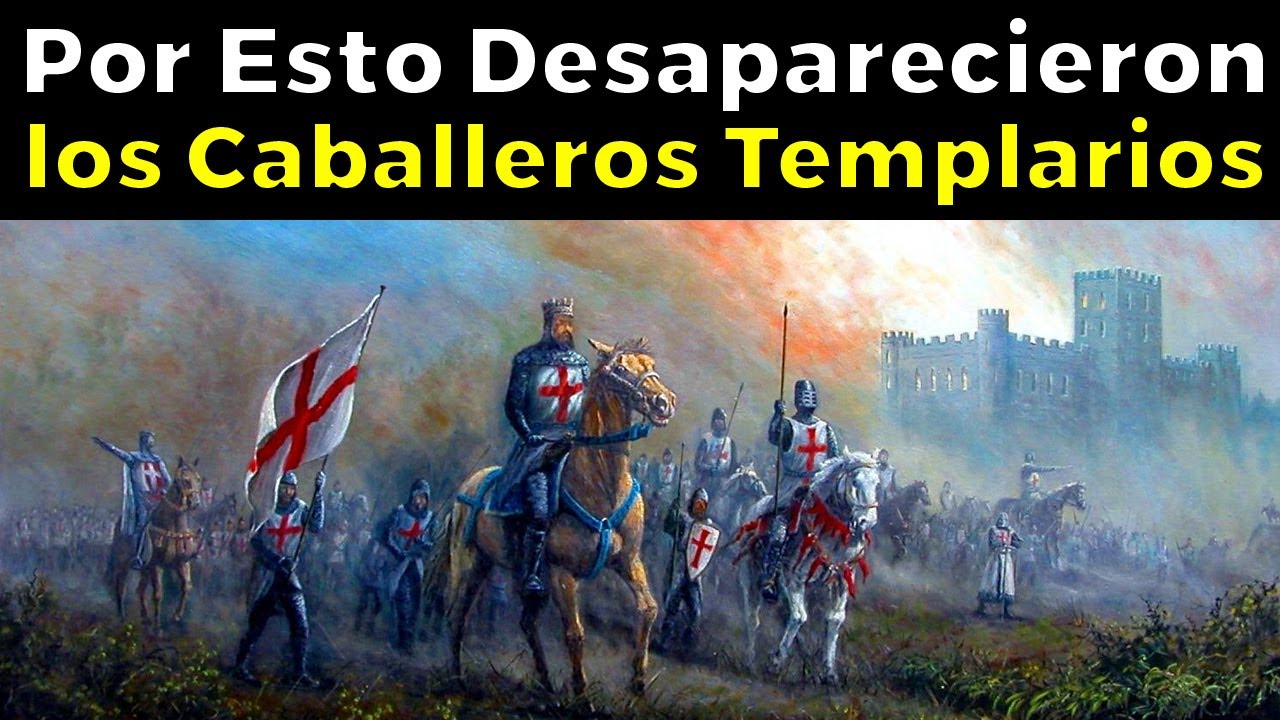
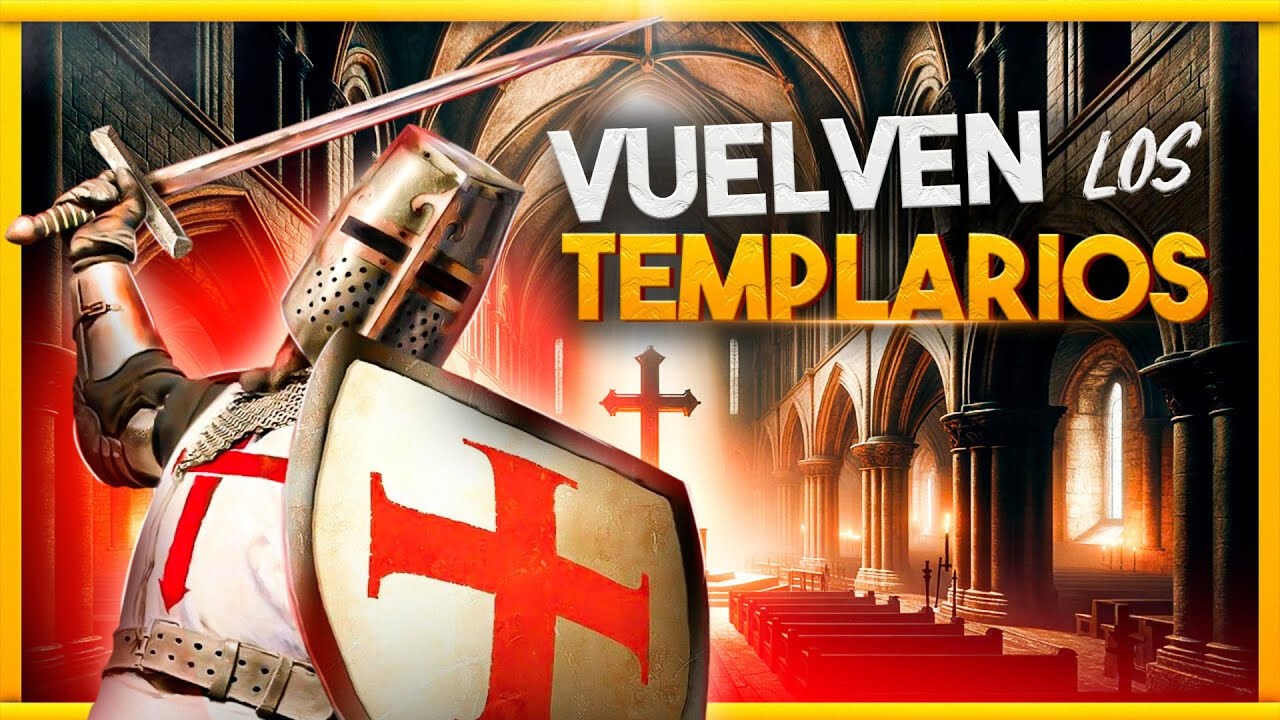
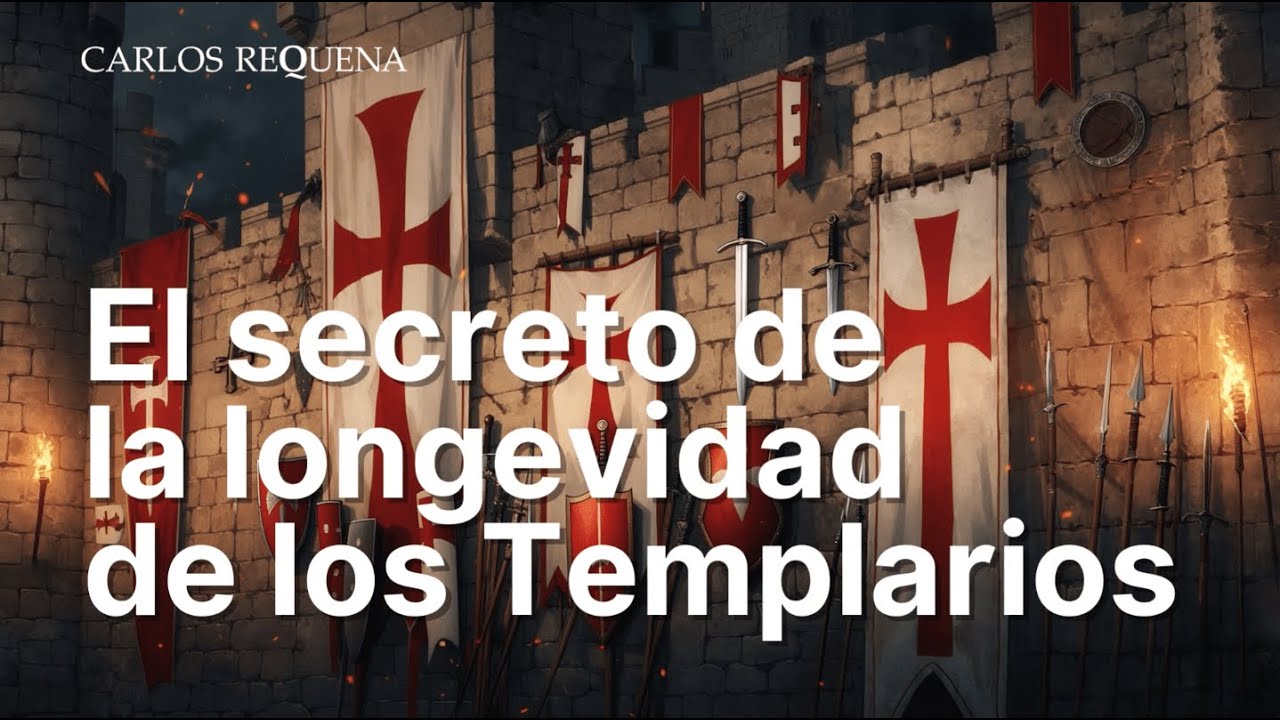
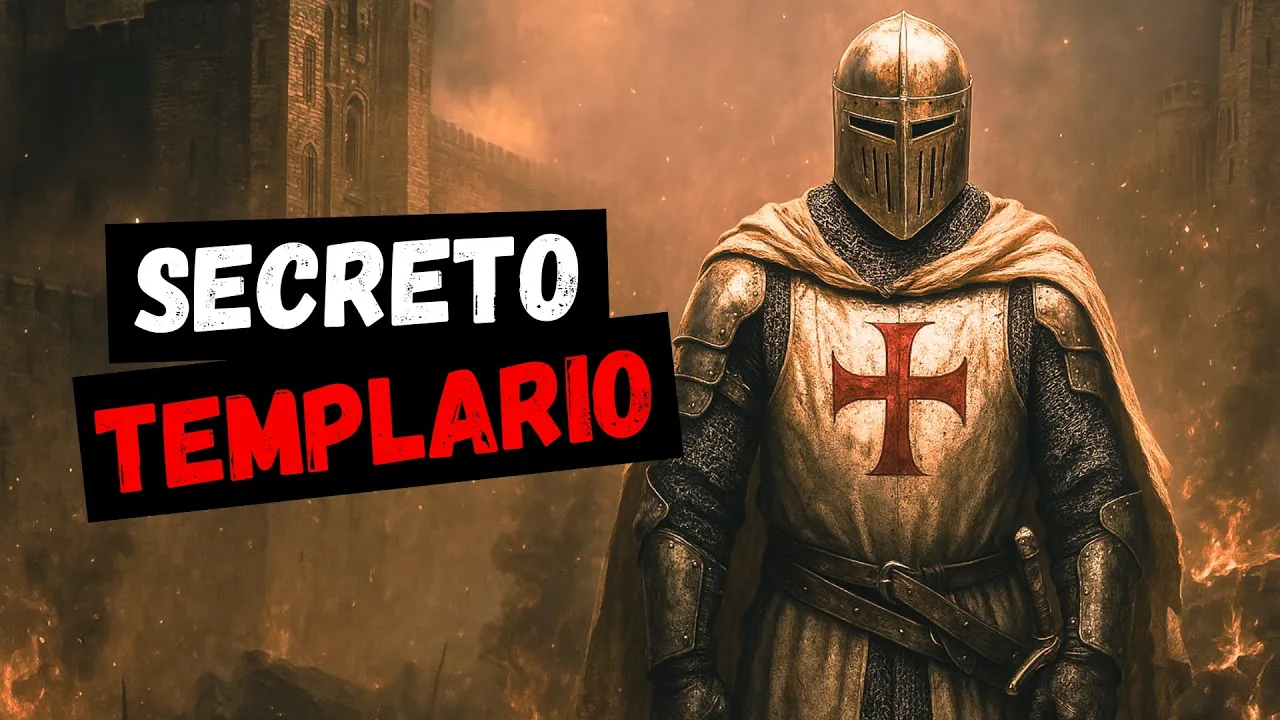
What if the Knights Templar never disappeared? What if his power still controls the world from the shadows? For centuries, it was believed that they were exterminated.
But the official story doesn't tell everything. A hidden treasure, a temple full of secrets. .
. and a curse that could still be in force. This is not just a medieval story.
It is a web of mysteries that is still alive today. So get ready to discover what no one wants you to know. .
. Today we are going to dust off the secrets of the most feared order in history. But before we begin, subscribe to the channel and leave us a comment telling us what other secret orders you would like to explore.
Come on, the mystery is just beginning! The history of the Knights Templar does not begin in the great halls of Europe, nor in the books of scholars. It begins in the burning dust of Jerusalem, under a relentless sun and surrounded by invisible enemies.
It is the year one thousand one hundred and nineteen. The Crusades have left a trail of blood and ruins in the Holy Land. The newly established Christian Kingdom of Jerusalem is a sandcastle that shakes with each wave of conflict.
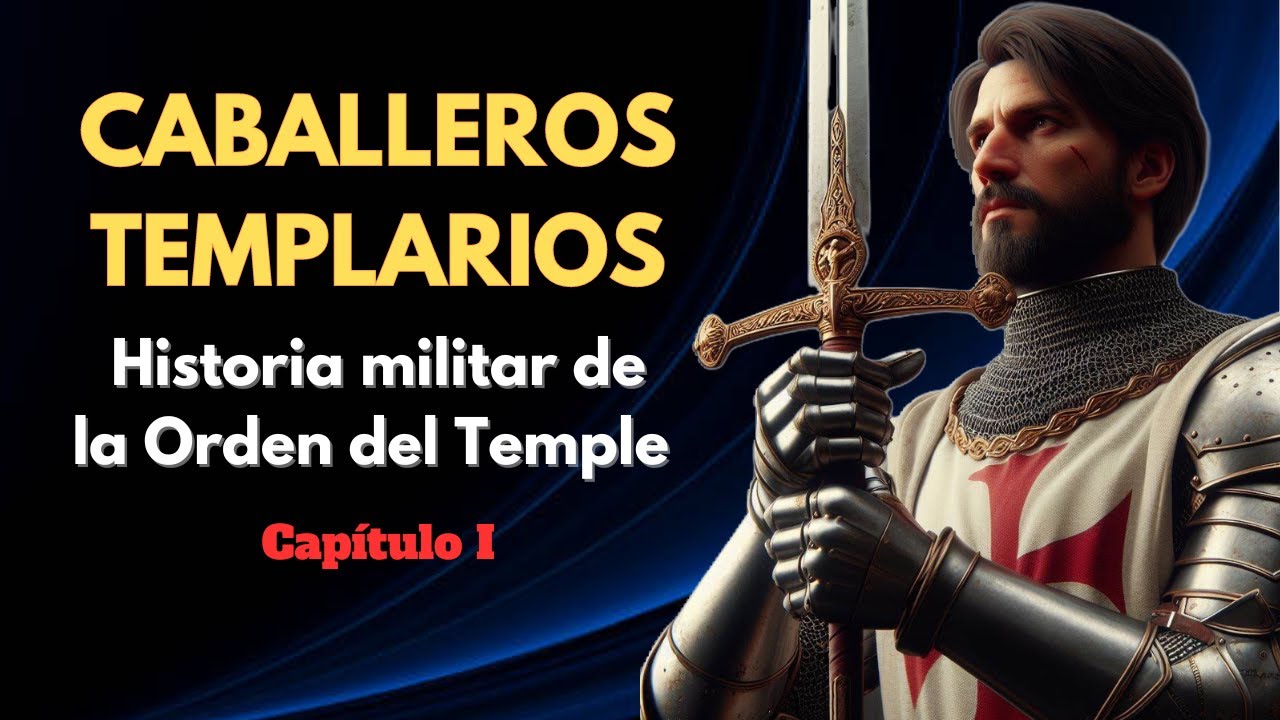
Pilgrims from all over Europe, moved by faith, travel to holy sites, only to be robbed, kidnapped or killed along the way. And it is in that hostile landscape where nine knights, led by Hugues de Payns, take an oath that will change the course of history. They promise to protect pilgrims, not for glory or wealth, but as servants of Christ.
They call themselves “The Poor Knights of Christ and the Temple of Solomon. ” A humble, almost insignificant name. .
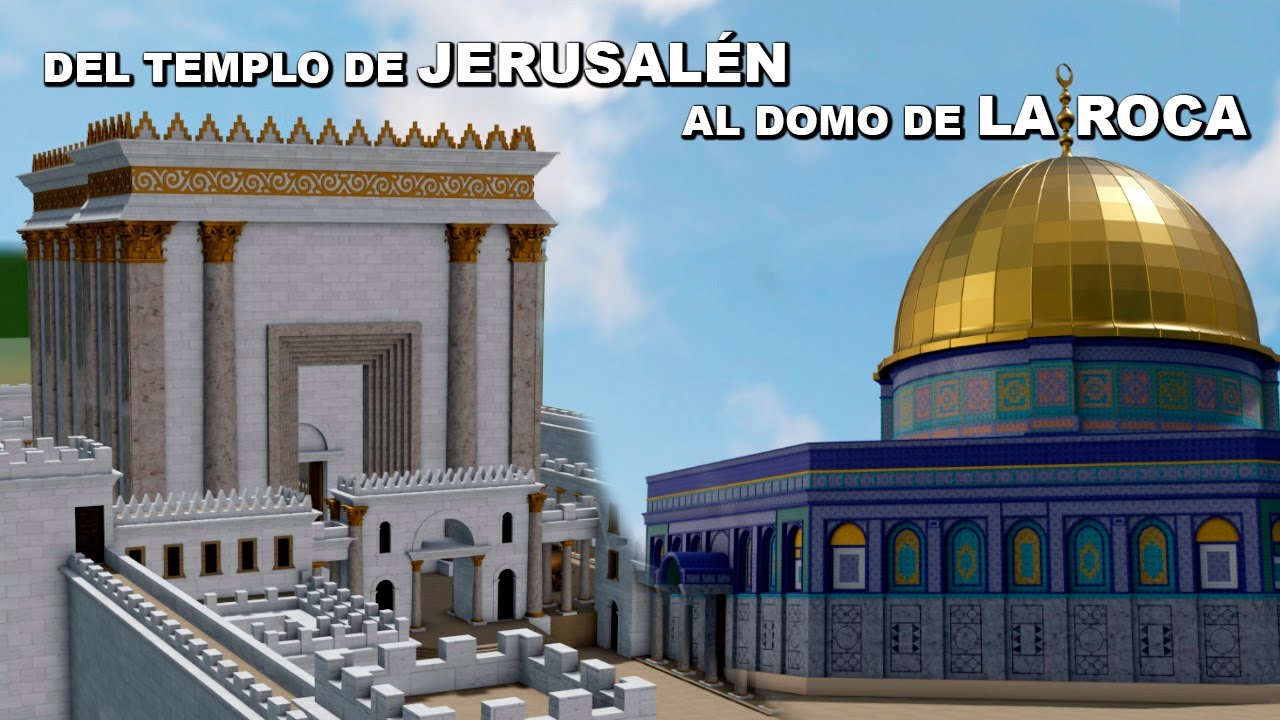
. but also deeply symbolic. Their headquarters: the very ruins of the ancient Temple of Solomon, one of the most enigmatic sites in the entire Bible.
That place not only housed sacred stones —it also kept secrets. And the new occupants were about to discover them. At first, they were just that: poor.
Poorly equipped, with worn tunics and common swords. But there was something more powerful than the weapons in his possession: an iron faith and a divine mission. That combination made them different.
And while others searched for loot, they dug. . .
literally. As time went by, rumors began to circulate. What were those knights doing under the Temple?
What had they found in the depths? Some said sacred relics, others, forbidden knowledge. The truth is that, without logical explanation, the “poor knights” began to gain influence… and very powerful allies.
The Church of Rome would soon give them its blessing. And that blessing would become armor. In a medieval Europe where not even the kings were safe, the Templars began to move as if they responded to a greater power.
And they did it. Not before any earthly throne, but directly before the Pope. What began as a small group of pious soldiers was transforming into something much larger.
And with that, a new order was born. One that would not only protect paths. .
. but trace its own paths into history. But.
. . what exactly did they find under Solomon's Temple?
Was that where the true secret of his power began? For centuries, the ruins of Solomon's Temple were the subject of reverence, fear and speculation. But when the Knights Templar took possession of that sacred place, something changed.
It was not just a symbolic headquarters; It was the starting point of a mystery that still causes chills today. The official documents of the time say little about what the Templars did underground. But the rumors, those that spread faster than any royal decree, spoke of excavations.
It was unusual for a military order to dig tunnels under a sacred site. Were they looking for something? Or did they already know exactly what they wanted to find?
Some believe that there they discovered an object capable of altering the course of history: the Holy Grail. Others claim that they found the Ark of the Covenant itself, lost since biblical times. And there are those who claim that they were secret manuscripts, ancient knowledge hidden for centuries to protect—or control—humanity.
The truth is that, after those years under the temple, the Templars stopped being simply holy knights. Its growth was exponential, almost miraculous. In a matter of decades, they went from being armed beggars to owning lands, fortresses and castles from Jerusalem to the British Isles.
No one rises that fast without arousing suspicion. And suspicions arrived. It was said that the Templars had made a pact.
But not with kings, nor with popes. With something darker. Legends said that they found an “ancient power” under the temple, something that should not be unearthed.
Something that transformed them forever. Was that the source of his immunity? The reason why Pope Innocent II granted them the privilege of answering only to him, and to no one else in the underworld?
A bargaining chip… or a silent warning? The enemies of the order were beginning to look askance. Why was a group of warrior monks more protected than many kings?
What did they know… that shouldn't be known? One thing is certain: what happened under Solomon's Temple was the beginning of irreversible change. Something woke up in those depths.
And the echo of that awakening still resonates among the ancient stones of Jerusalem. But as his power grew, so did his network of influence. How did they go from soldiers to the most powerful bankers in Europe?
At first, no one saw it coming. How could those monks in white robes and red crosses, dedicated to God and combat, become the masters of money in Europe? But they did it.
And they did it better than any king, nobleman or merchant. The Knights Templar created something no one had seen before: an international financial network. While others built castles, they built trust.
In each kingdom, in each important city, there was a Templar commandery. They were not just military fortresses: they were logistics centers, productive farms, strategic points. .
. and, above all, banks. Pilgrims could deposit their gold in Paris and withdraw it in Jerusalem.
The kings asked them for loans, and the nobles entrusted their wealth to the order. It wasn't charity, it was a perfect machine. And like any well-oiled machine, it had a hidden gear that moved it from the shadows.
While the Church fervently protected them, the Templars accumulated land, trading fleets, livestock, and an incalculable fortune. But his power did not come from gold alone. It came from mystery.
No one fully understood how its structure worked. Not even kings. The nobility began to feel uncomfortable.
How appropriate was it for a religious order to handle more money than the royal treasury? How dangerous was it to allow an autonomous armed group to finance—or sabotage—a war without asking permission? And yet, no power dared challenge them.
Because the Templars were not only rich, they were untouchable. Thanks to papal decrees, they were not answerable to any earthly authority. They could cross borders, make decisions and move resources with complete freedom.
No one else had that privilege. Monks with swords became invisible lords. His enemies began to grow.
. . in silence.
Because challenging the Templars was not only difficult. It was dangerous. Very dangerous.
But when power becomes absolute, it also becomes unbearable. And some were already beginning to wonder. .
. who did the Templars really serve? Bye bye?
To themselves? Or something much darker? In a Europe dominated by faith, where a single word from the Pope could condemn an empire, rumors were weapons more lethal than swords.
And the Knights Templar, a once revered order, began to be the subject of blood-curdling whispers. Who were these men really? Were they still devout warriors or had they transformed into something more.
. . unholy?
No one could say with certainty. But the stories grew like weeds. There was talk of secret rituals performed deep within their fortresses.
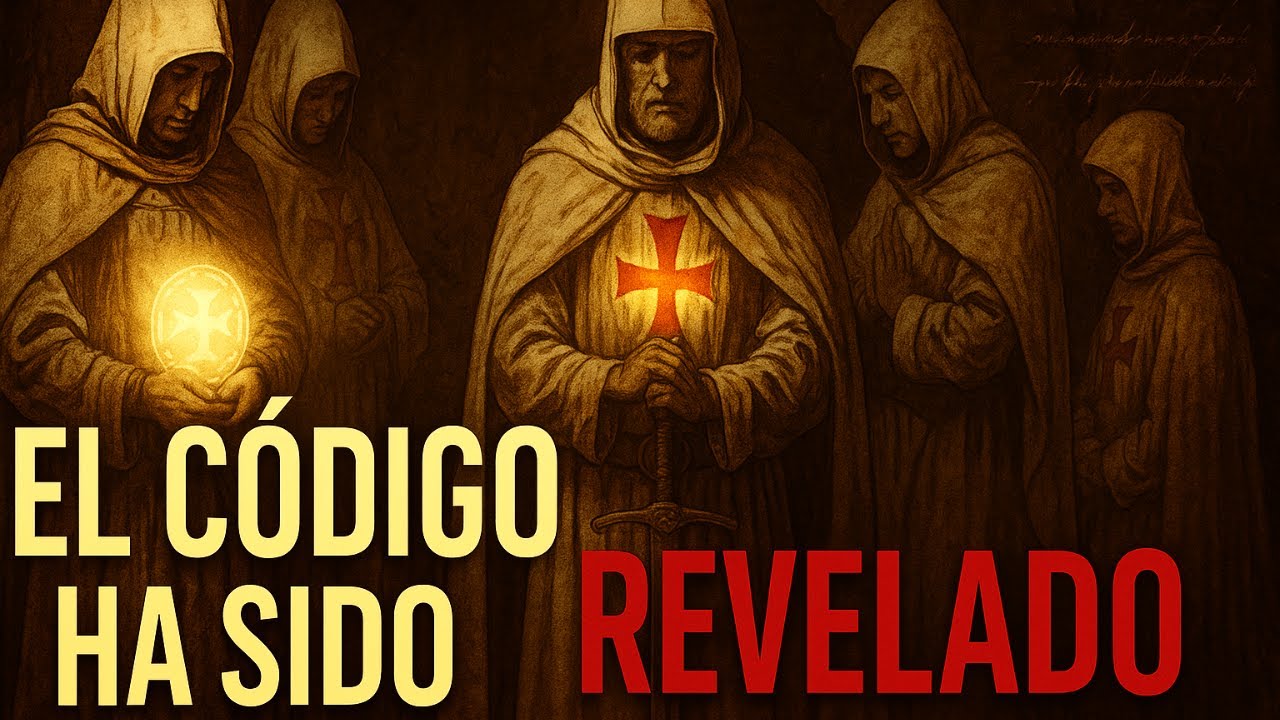
Of strange symbols engraved in their chapels. Of initiation ceremonies that included spitting on crucifixes, denying Christ, and kissing human skulls. They were accusations so serious that, if true, they would make them enemies of the very Church that had created them.
But there was a problem: the Templars were too powerful to be accused. . .
without consequences. The Pope owed them protection. The kings, money.
No one dared to break the silence. Nobody. .
. except one. King Philip IV of France, desperate to settle his debts and reestablish his authority, saw these rumors as a golden opportunity.
And although I still had no proof, I had something much more effective: fear. It began to fuel the fire in the courts and in the corridors of the Vatican. What if the Templars no longer served God?
What if they had discovered forbidden knowledge in their excavations… pagan powers that transformed them from within? The legends went further: there was talk of the worship of Baphomet, a demonic figure whose name arose from confessions extracted under torture. Some Templars were said to possess dark relics, others practiced alchemy, and many no longer believed in divine salvation.
They were, in the words of their enemies, a “parallel church. ” The tension was unbearable. While society looked at them with distrust, they remained silent.
A silence that for many. . .
was a confession. And then, in the midst of fear and uncertainty, came the final blow. One morning, the hunt broke out.
How do you destroy an order that seemed invincible? With a single word: heresy. It was a morning like any other.
. . until it wasn't.
On October 13, 1307, just at dawn, Knights Templar throughout France were arrested in a coordinated, precise and brutal operation. There were no warnings. There were no trials.
Just chains, broken down doors and orders from the king. Philip IV had moved his pieces in silence. And when the Pope was still debating, he had already acted.
More than one hundred Templars were captured that morning. The charge: heresy. The real reason: power.
Jacques de Molay, the Grand Master of the order, was captured in Paris. He, who had commanded armies and negotiated with popes, was now dragged through the king's dungeons like a common criminal. The interrogations began immediately, accompanied by the oldest tool of fanaticism: torture.
Under the pain, many Templars confessed what their torturers wanted to hear. Yes, they denied Christ. Yes, they kissed idols.
Yes, they worshiped a demon called Baphomet. But the confessions were inconsistent, forced, contradictory. Still, they were enough.
Public opinion turned against him. How not to do it? If even God's servants could be corrupted, what hope was there for others?
Pope Clement V, pressured and manipulated, was forced to give in. In 1312, the Knights Templar was officially dissolved. Not out of conviction, but out of fear.
The lands and assets were distributed. Some Templars were freed. Others died in prison.
And some. . .
burned. In 1314, Jacques de Molay was burned at the stake. They say that, as the flames consumed him, he uttered a curse.
That he summoned the Pope and the king to appear before divine judgment within a year. And the most disturbing thing. .
. is that they both died a few months later. The order was silenced.
But the echo of his fall—of his betrayal—still reverberates through history. Because the Templar treasure was never found. Definitive evidence of his alleged crimes was never found.
The only thing that remained. . .
was the mystery. But if the Templars were really eliminated, how to explain the traces that still appear around the world today? And what happened to the missing treasure?
The order had been dissolved. Their leaders, executed. Their properties confiscated.
But there was something that neither King Philip nor the Pope could find: the legendary Templar treasure. For centuries, this has been one of the greatest obsessions of historians, adventurers and conspirators. Where is the Templar gold?
What secrets did he keep? And why was it never recovered? According to some chronicles, the Templars already knew what was coming.
Weeks before the massive raid in France, mysterious carts left the Paris commandery overnight, escorted by silent knights. They never arrived at any registered port. They were never seen again.
What were they carrying? Some say tons of gold. Others, ancient manuscripts.
And there are those who claim that they were carrying sacred relics. . .
or cursed ones. In Scotland, Portugal and other regions where the order had a presence, rumors arose of Templars who managed to escape and retreated under new identities. In Portugal, for example, the Order of Christ emerged, curiously protected by the same king who never accepted its dissolution.
A covert sequel? And then there are the signs. Stone inscriptions.
Hidden symbols in churches. Maps that lead nowhere. .
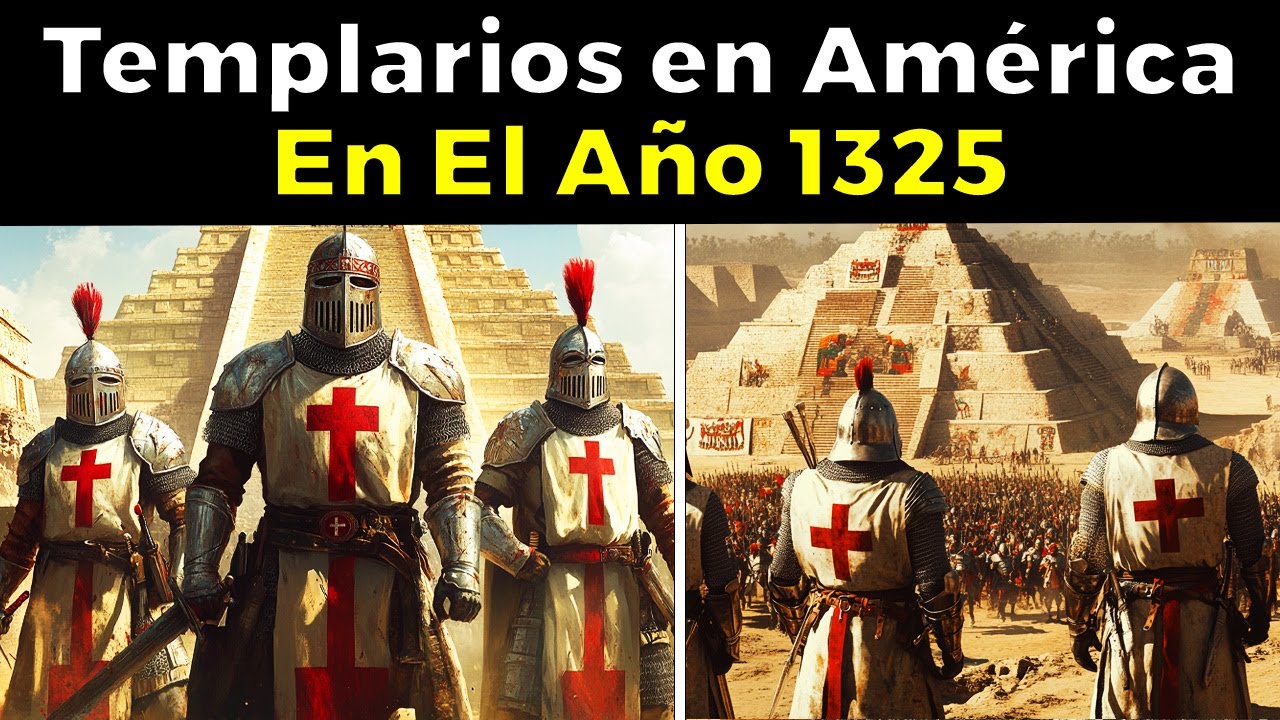
. or that lead to places where there should be nothing. In America, even before the official arrival of the Europeans, there were already indigenous legends about “white men with red crosses” who arrived by sea.
Impossible? Maybe . But wasn't the lightning-fast rise of a group of warrior monks also?
Freemasonry, the Illuminati, and other secret societies have been linked—with or without evidence— to the Templar legacy. And while the official story insists that the order disappeared, the truth seems more complex. Because the Templars may have died.
. . but their myth was never buried.
The fire of their bonfires only fueled the flame of legend. A flame that remains lit to this day, every time someone wonders: What if they are still there. .
. pulling the strings from the shadows? His disappearance solved nothing.
On the contrary, it opened doors to centuries of mystery, theories and searches that have not yet ended. Because every clue found generates a new question. Each symbol, a new enigma.
And every silence. . .
a new suspicion. Perhaps the Templars have physically disappeared. But his legacy lives on in every hidden corner of history.
In the untranslated codices. In the forgotten ruins. In societies that operate far from the light.
We may never know the whole truth. Or maybe. .
. we're just not ready to meet her. Thanks for watching this far!
If you liked this video and are passionate about this type of content, subscribe to the channel so you don't miss the next videos and discover more fascinating stories. See you in the next video!