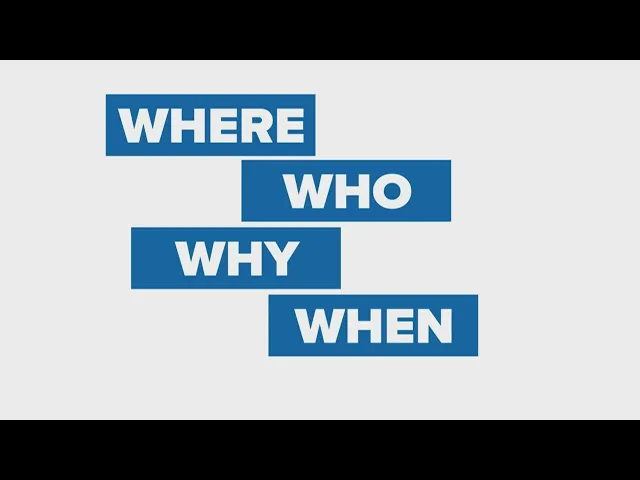
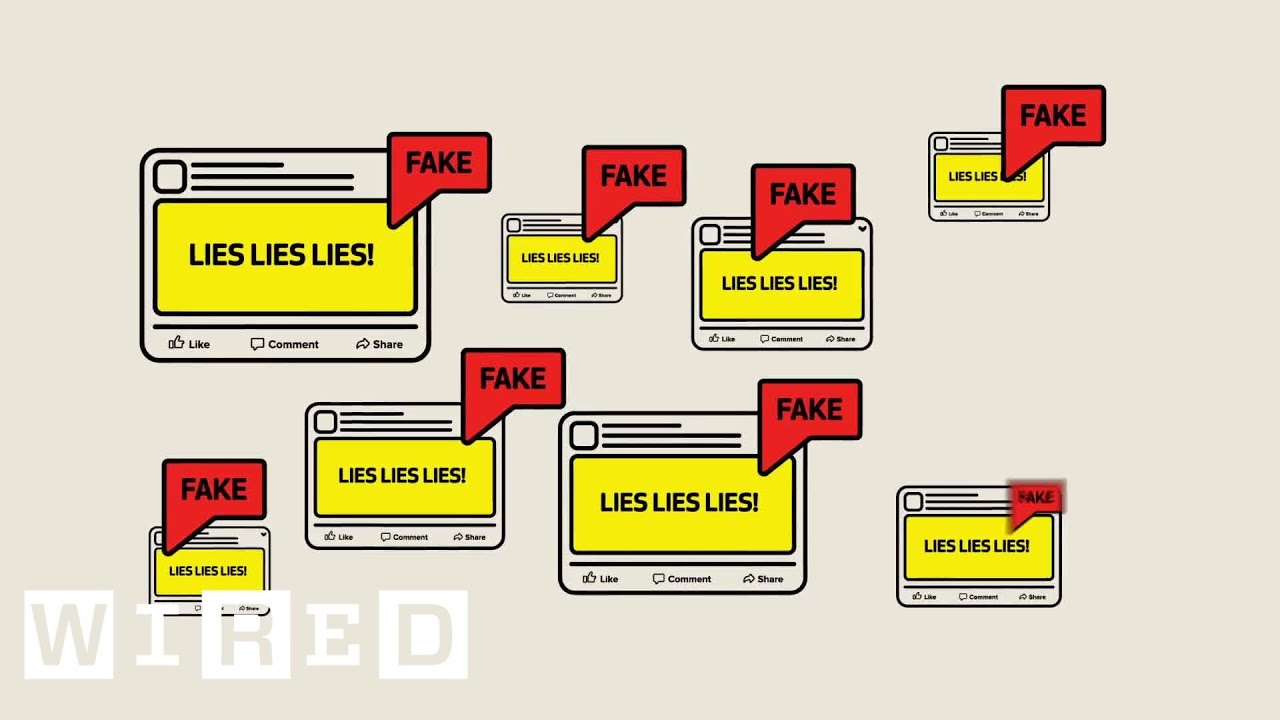
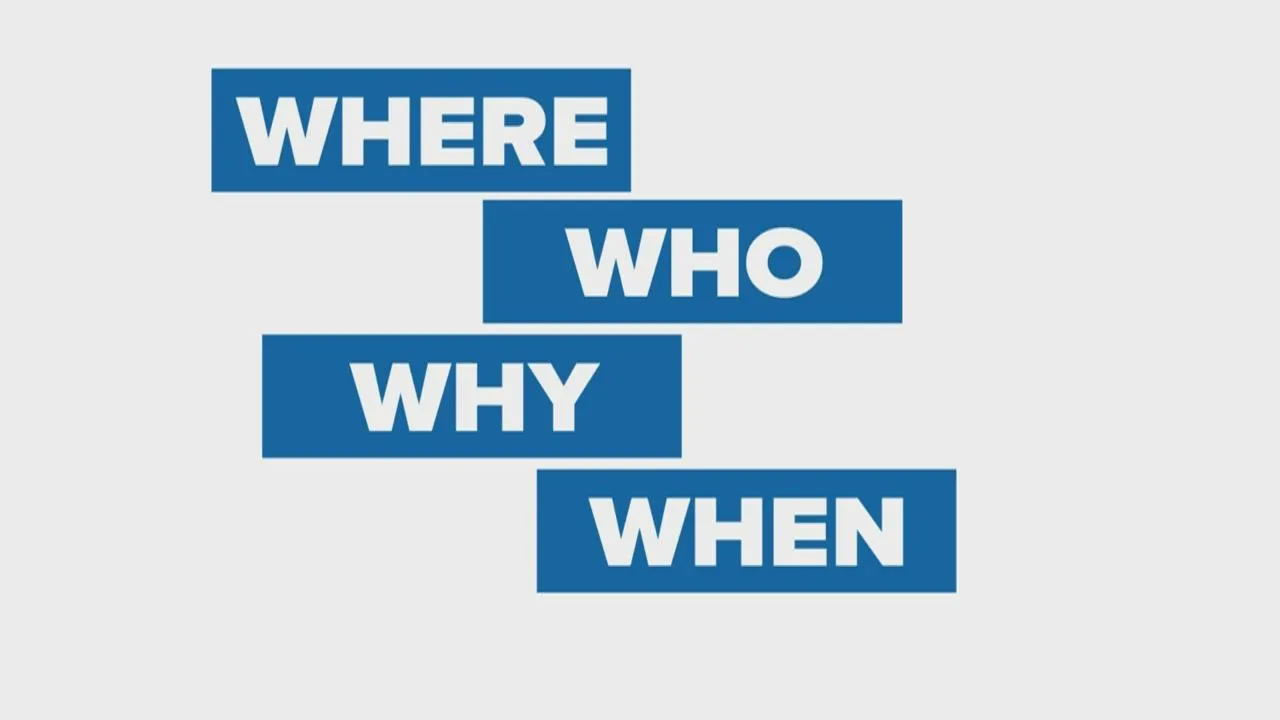
earlier this week we looked at all the different types of incorrect information we encounter online so now that you know what is out there 13 on your side sarah makuta shows us how to make sure what you are sharing is true if you see something online and it causes a reaction in you that's a surefire sign you need to take a second look before you share it here are the four w's to help you verify information you come across online one where did it come from when you see a tweet meme or post are you
looking at the original source of information or has the information been passed on from person to person like a game of telephone did the information get muddled along the way if you see something you're unsure about google it look up reverse image search to find out how to do that two who did it come from investigate the source of information ask yourself who uploaded it did they create this content or just share it where are they getting the information remember anyone can post whatever they like online look for recognizable credible sources three why was this
posted consider why someone posted this is it supposed to make you feel a certain way look at the profile of the person who posted it are they a member of an online community that promotes a specific cause does it seem like they could have an agenda four when did this happen investigate the date and location of the information you see content will get recirculated out of context google's reverse image search can help with this example during the pandemic photos circulated of governor whitmer at a bar claiming she was breaking her own quarantine rules the truth
is the photo had been taken over a year before now this seems like a lot of work to verify every bit of information you come across but in the end what really matters is taking a moment to think about what you're sharing before you share it by doing this we can do our part to cut down on miss and dis information