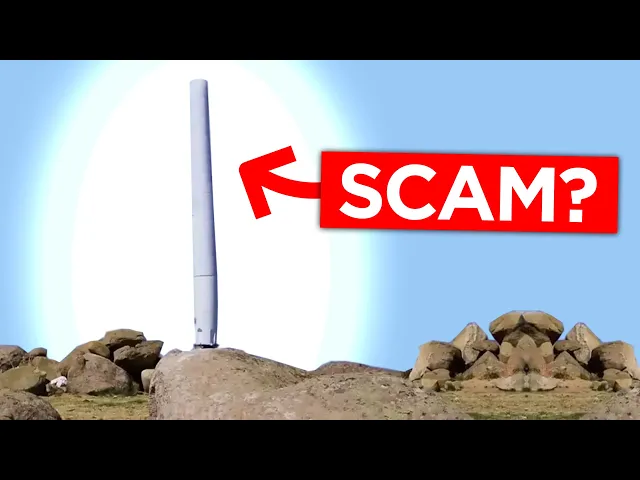
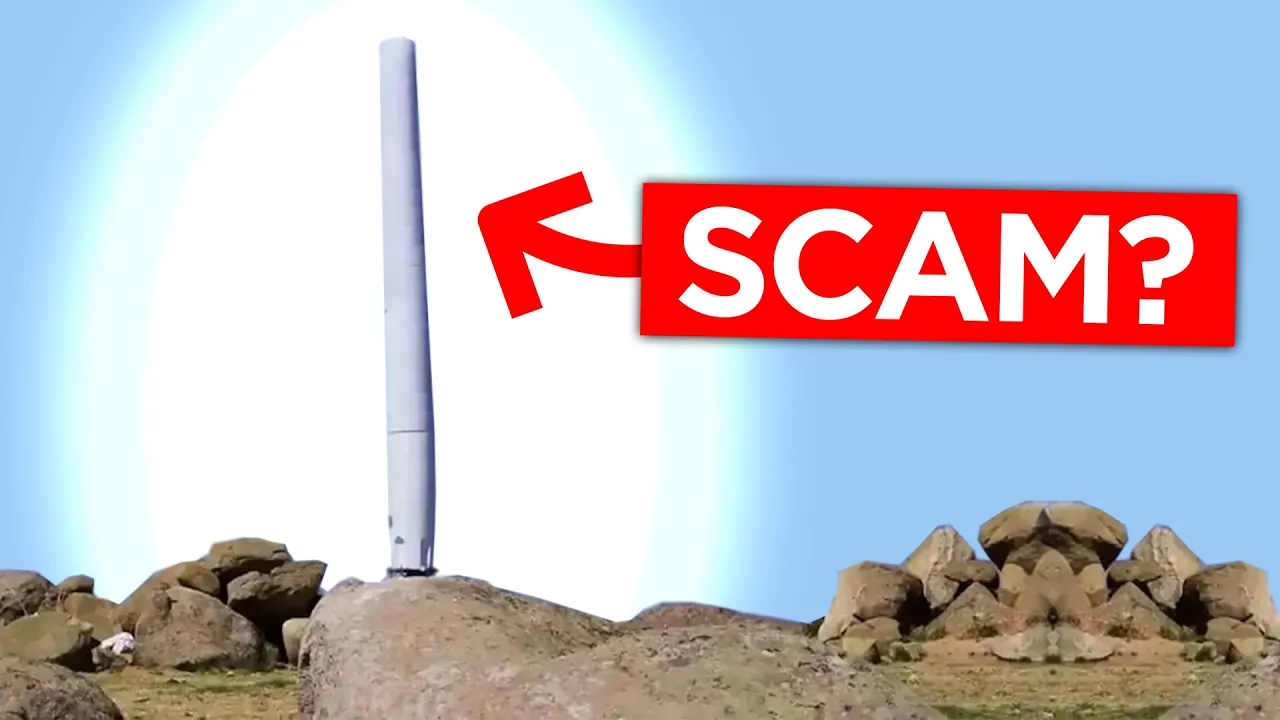
wind energy has been harvested by Humanity for thousands of years originally windmills were used to crush grain or pump water whereas modern systems use turbines and produce electricity in 2021 wind energy supplied more than nine percent of all U.S electricity generated however basically all of that was generated using traditional wind turbines with blades due to demand outstripping Supply Energy prices are increasing and this is making more homeowners consider harvesting their own energy from renewable sources So currently photovoltaic solar panels make up nearly all of the renewable energy capacity of residential homes and whilst building legislation
and space limitations prevent traditional turbines from being used residentially there is an industry developing from a gap in the market where that Gap is wind energy that is generated residentially and that Gap is being explored by bladeless wind turbine technology currently there are two ways to generate wind energy which is rotational wind harvesting and and oscillation when harvesting rotational wind harvesting is a traditional method in which turbines rotate which turns a generator and thus generates electricity however these turbines often require a lot of space and are relatively expensive on the other hand oscillation wind harvesting
involves making use of when air flows across a cylinder when this happens the cylinder will resonate as the frequency by which turbulence behind the cylinder is generated meets the natural frequency of the cylinder and vibrations induced in the cylinder lead to the linear motion of the cylinder and then that linear motion is used to generate electricity currently there are two main players in the development of bladeless wind turbine technology and those are aeromine Technologies and Vortex aeromine Technologies is a startup company located in Houston Texas that was started by Texas Tech University professor carsten H
westergard the system uses rotational wind harvesting and works as when air flows past the wings an area of low pressure forms between them and an aerodynamically shaped Tower placed between the airfoils feeds the suction created by this low pressure through pipe work so that it pulls air past a small turbine in the unit's base as this turbine spins it generates electricity the first pilot program has been deployed in partnership with BASF Corporation in Michigan and there are negotiations to produce tens of thousands of units by the end of 2023. Vortex was started in 2014 by
David Yanez and Raul Martin who were inspired by the Tacoma Bridge disaster of 1940. Vortex turbines use oscillation wind Harvest thing such that when wind bypasses the structure that mechanical energy is transformed into electricity and whilst I couldn't find any information released from Vortex regarding when they expect to have any products commercially available I did find an article on mercha today which suggested it would be at least another six years from now before any product would be available to buy the main draws to bladeless wind turbines are the reduced maintenance due to there being a
lower number of mechanical Parts the fact that the systems are expected to be safer and quieter than traditional turbines and also that the systems will generally occupy less space and all these points make bladeless wind turbines a prime candidate for a home system however there are also drawbacks associated with bladeless wind turbines and the main drawbacks at the moment are the Technologies maturity such that most bladeless turbine technology is in early stages of development and there are currently no systems commercially available also the generation technique in the case of oscillation wind harvesting energy is converted
to an electrical form from a translation motion which is inefficient compared to rotational energy conversion in traditional turbines also there is likely to be higher costs per kilowatt hour produced to offset the long time in developing the technology ultimately it is very difficult to top or even match the energy output of traditional turbines Christina Archer the director of the center for research in wind at the University of Delaware said that Airborne systems won't replace conventional wind but it is possible that they do have their place within the wind power generation sector in urban areas wind
speeds are typically very low at least close to the ground in these same areas fast-moving turbulent air is found higher up in the altitude for example towards the top of skyscrapers a potential future solution is for future buildings to be designed considering this if that fast-moving turbulent air is funneled into the building could it be used to turn a turbine within the building thus generating electricity this solution is Food For Thought and I would love to hear what you think about it and if you have any other ideas for how we can utilize wind in
urban areas as for the future of bladeless wind turbines I can see the potential for them being used in the future but as explained there is no commercial options currently available which is not exactly promising I thought I would get a second opinion on this so I asked chat GPT a large language model chat box developed by openai what it thought about the future of bladeless wind turbines and here I present to you its answer which indicates that despite the challenges associated with bladeless wind turbines there is still significant interest in developing and improving them
which suggests they could play a role in the future of renewable energy I hope you enjoyed the video please do engage with it I'd love to get as much feedback as possible furthermore I recently started a subreddit to discuss green future ideas which is r or green future please do contribute to the subreddit and the most popular questions from the subreddit will feature on the YouTube channel in future videos thank you very much