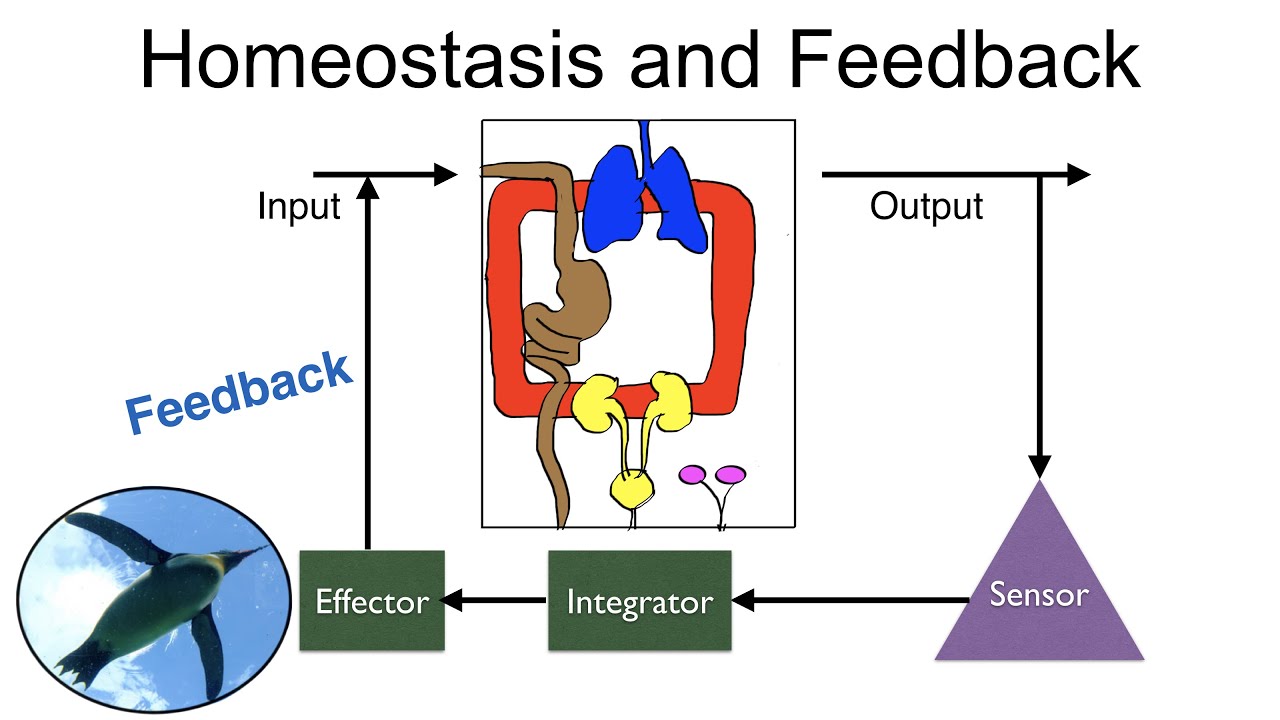
HOMEOSTASIS In this video tutorial, we will learn about what homeostasis is, what thermoreceptors and their role are, and the feedback mechanism. We will also learn about endotherms and ectotherms. Homeostasis is an organizing principle to maintain a constant internal environment.
The internal environment of the human body is tissue fluid. As nutrients and gases enter and leave cells and cause temperature, pressure and gaseous concentration in the tissue fluid to fluctuate, it becomes necessary to maintain the equilibrium for the functioning of cells. Lungs, skin, liver and our kidneys help us maintain homeostasis.
The lungs regulate carbon dioxide and oxygen with the help of respiratory center of the brain. Skin regulates temperature, which is controlled by the hypothalamus of the brain. Liver helps in regulating glucose, by controlling the levels of insulin in blood.
Kidney regulates urea and excess mineral salts by the excretion of urine and water by anti-diuretic hormone. Role of the Brain Thermoreceptors are sensory receptors that are sensitive to changes in temperature. The skin has such receptors so that it can sense hot and cold temperatures.
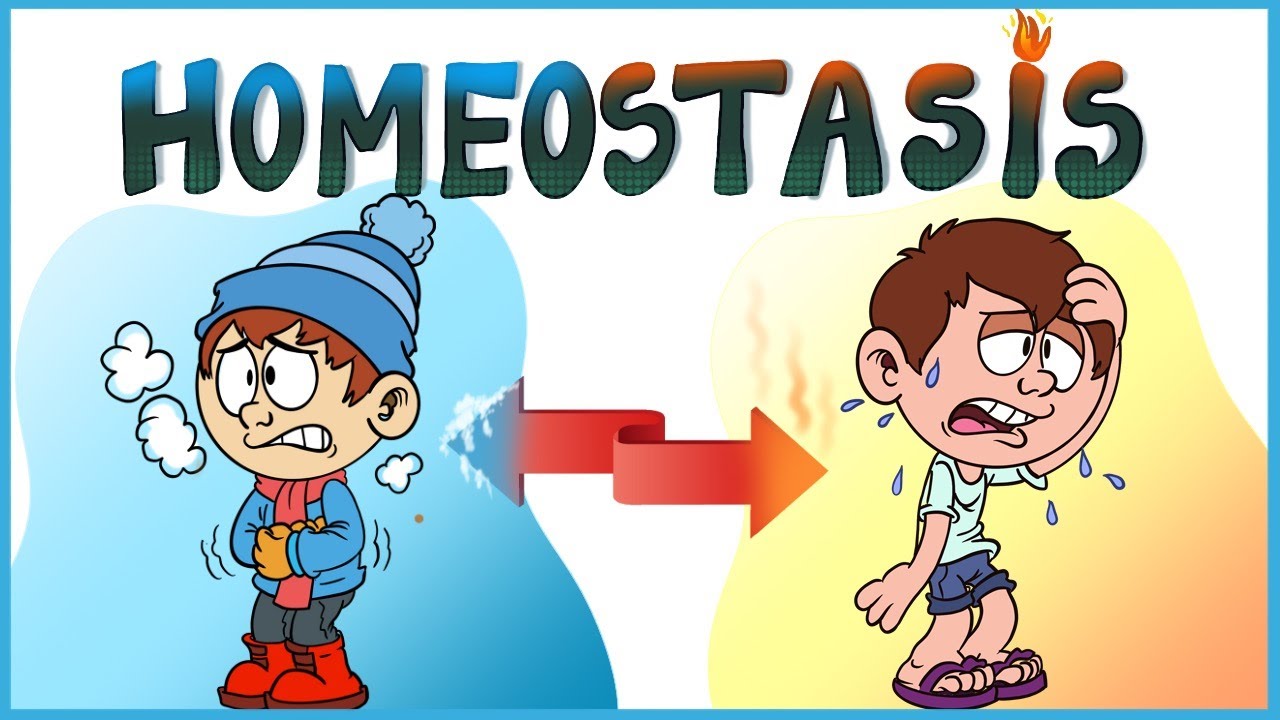
Thermoreceptors are connected to the temperature control center in the brain called the hypothalamus. So what happens when we feel hot? When we feel hot, there is a rise in temperature of thermoreceptors which stimulates the hypothalamus and the neurons are activated.
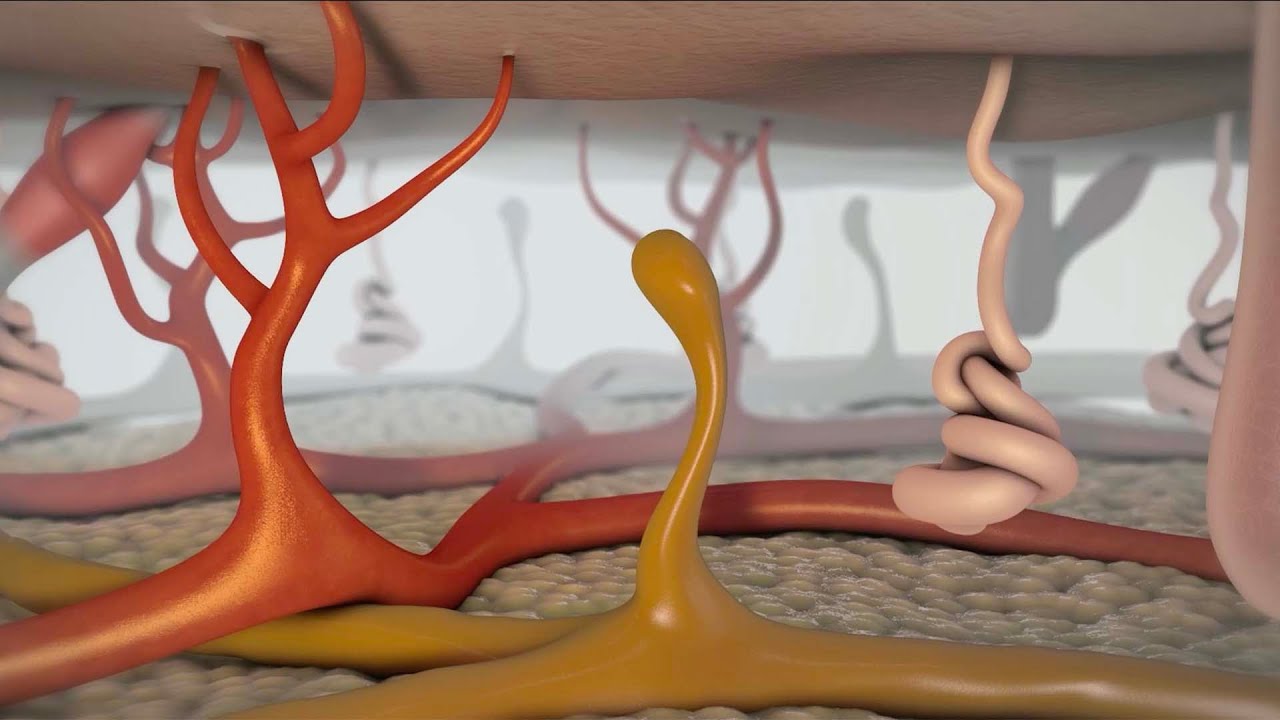
This increases the production of sweat, relaxation of hair erector muscles, dilation of blood capillaries, and decreasing of metabolic reaction. As a result, the body temperature decreases. This cooling of the body in this case, is called negative feedback.
What happens when we feel cold? When we feel cold, fall in temperature of thermoreceptors stimulates hypothalamus and the neurons are again activated. Due to this reaction, shivering occurs, hair erector muscles contract, raising the hair, blood capillaries constrict, and metabolic reaction increases.
As a result, this negative feedback causes the overall body temperature to increase. There are different ways in which organisms maintain their body temperature; these organisms can be classified into homeotherms or endotherms, and poikilotherms or ectotherms. Homeotherms or endotherms possess the ability to generate their own body heat.
The only endothermic classes of organisms are Mammals and Aves. This trait brings us to the fact that many mammal and bird species have been able to colonize some of the coldest parts of the Earth. We are all homeotherms.
Poikilotherms or ectotherms, which cannot generate and regulate their own heat depend mostly on external heat sources, such as sunlight. This explains why most ectotherms, including reptiles and amphibians, are confined to warmer regions of the world, and why for example, lizards can be easily found basking on tree barks or rocks in midday. However, why do we need to maintain a body temperature?
A constant body temperature is very important for enzyme-catalyzed reactions to take place at an optimum level.