Hong Kong basically nurtured me into a weeb and it was my inescapable destiny. I was brought up in a city that's obsessed with Japanese pop-culture. Everyday after school, I'd watch anime on TV while indulging on their snacks; I appropriated their language whenever I needed a screen name; and I blame their video games for my awful eyesight.
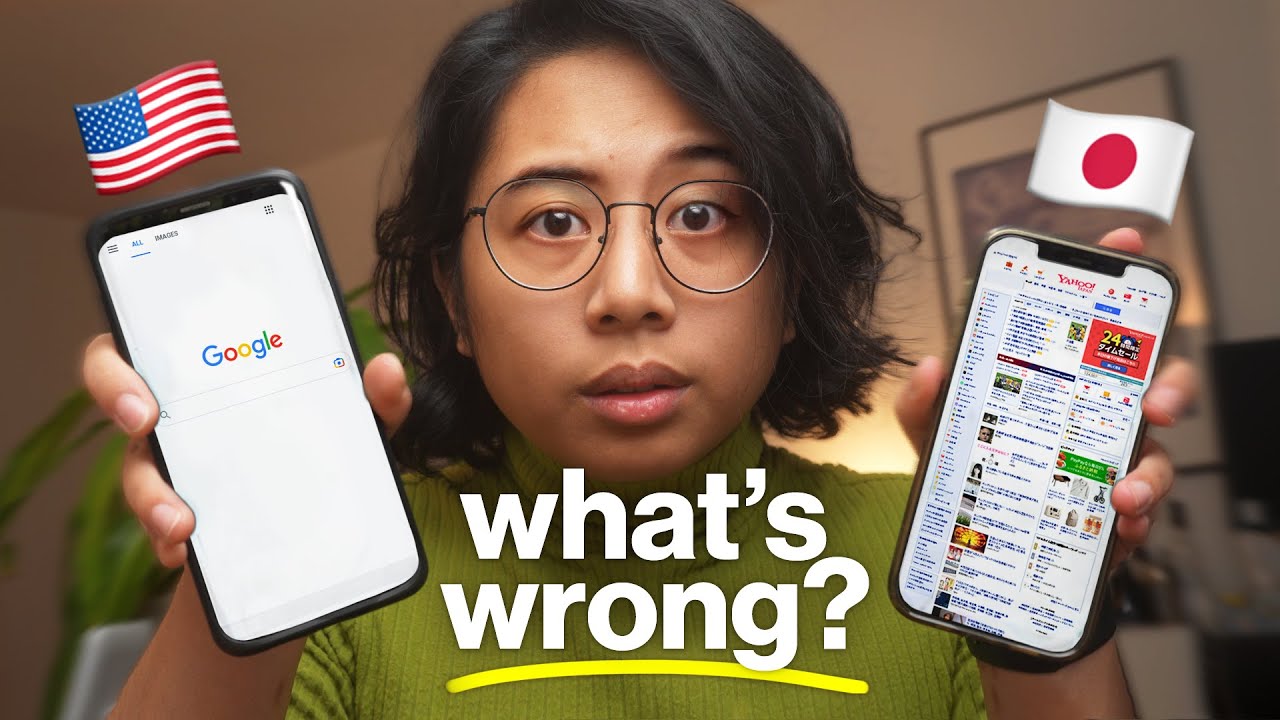
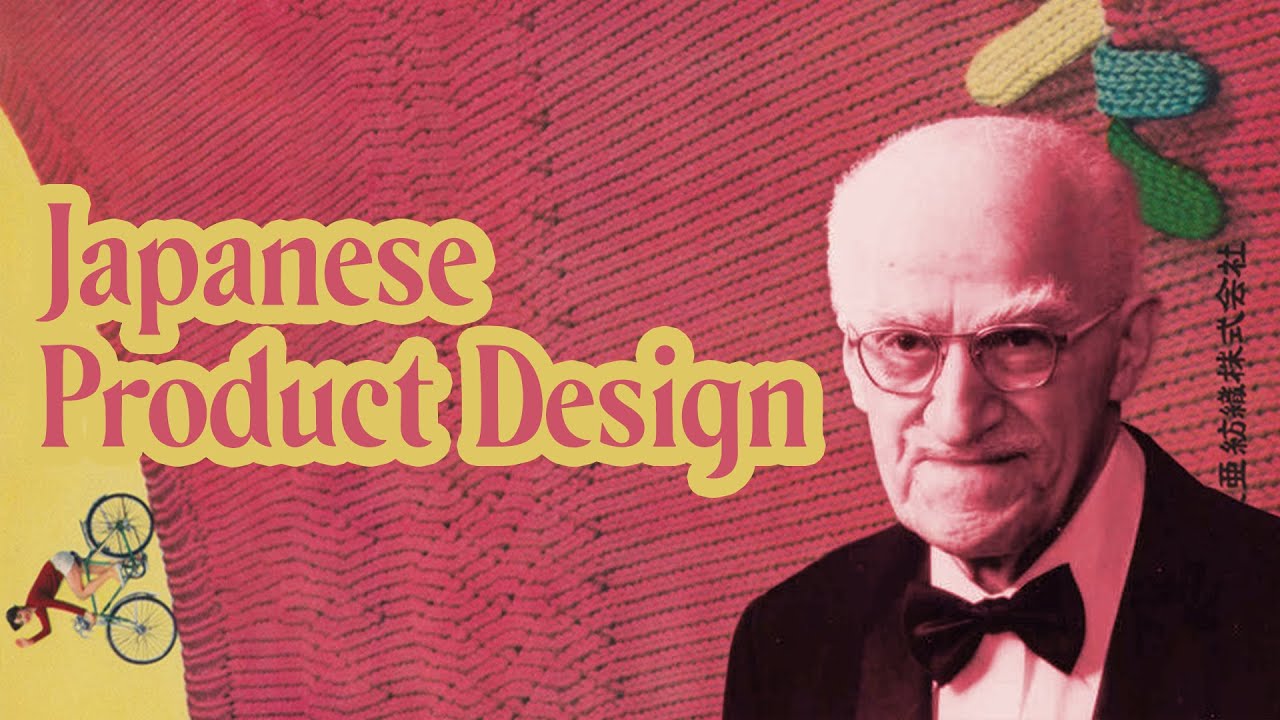
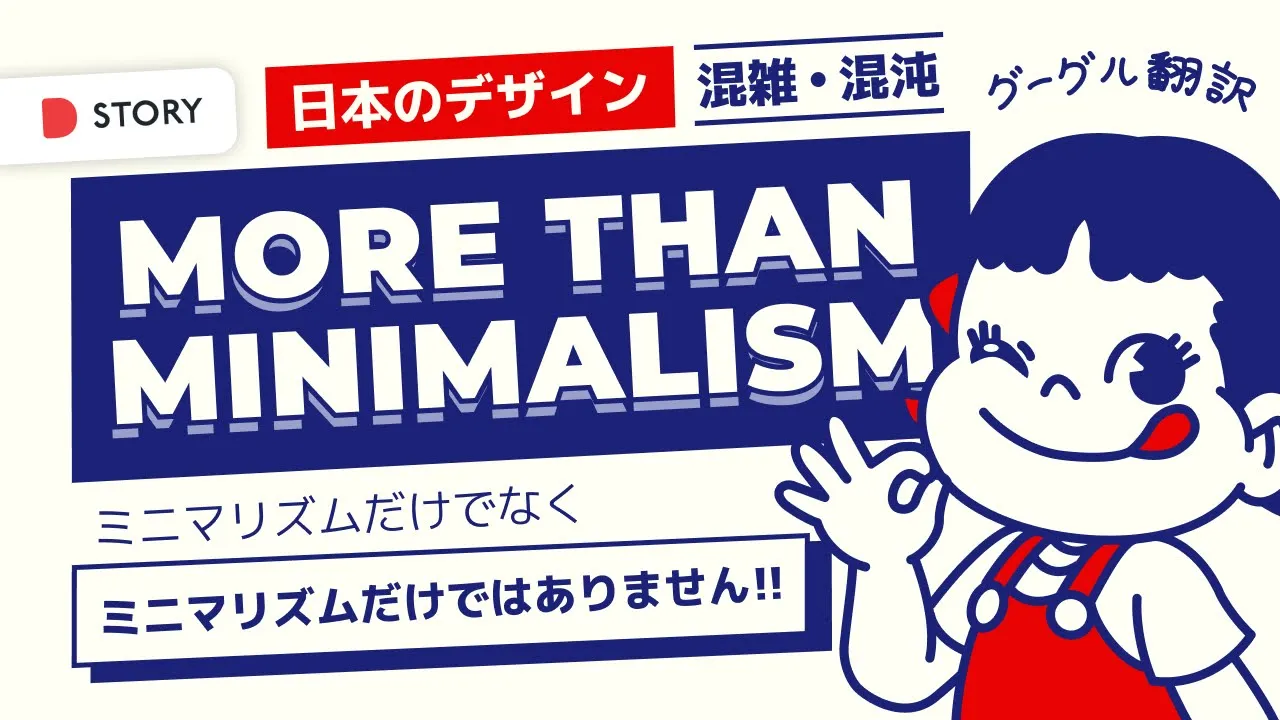
Well, this weeb ended up becoming a presentation designer, and the challenge I face the most is trying to cram a lot of information in a tight space while trying to lay it out in a way that it looks good, which is something I noticed Japan excels at. Yet when I try to learn more about Japanese design, all I get are articles about minimalism. For a country that's known for both MUJI and Don Don Donki, zen gardens and chaotic commercials, why is Japanese design synonymous to this one approach?
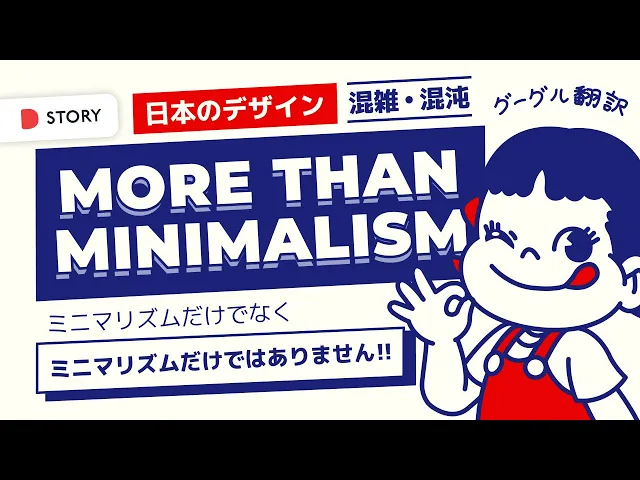
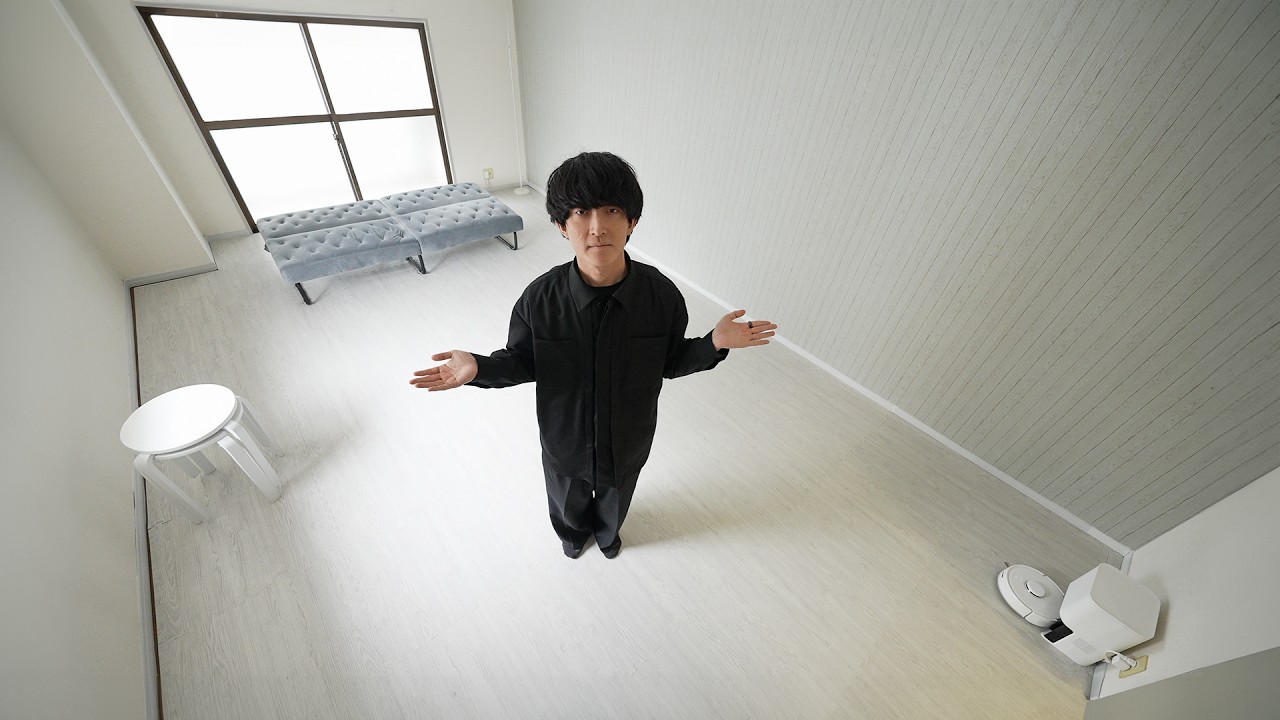
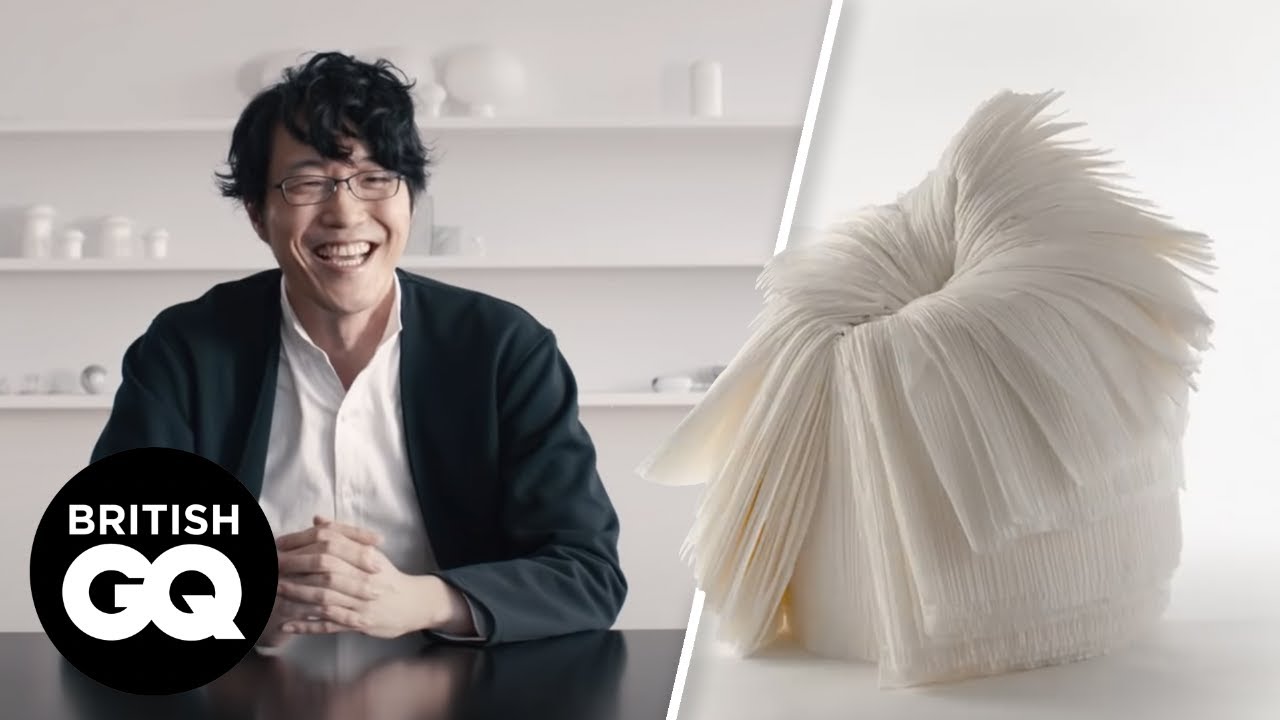
So in this video, join me on my journey exploring how Japanese design is more than minimalism. I first wanted to know why we have this stereotype that Japanese people are all about minimalism. Do Japanese people actually live minimalistic lifestyles?
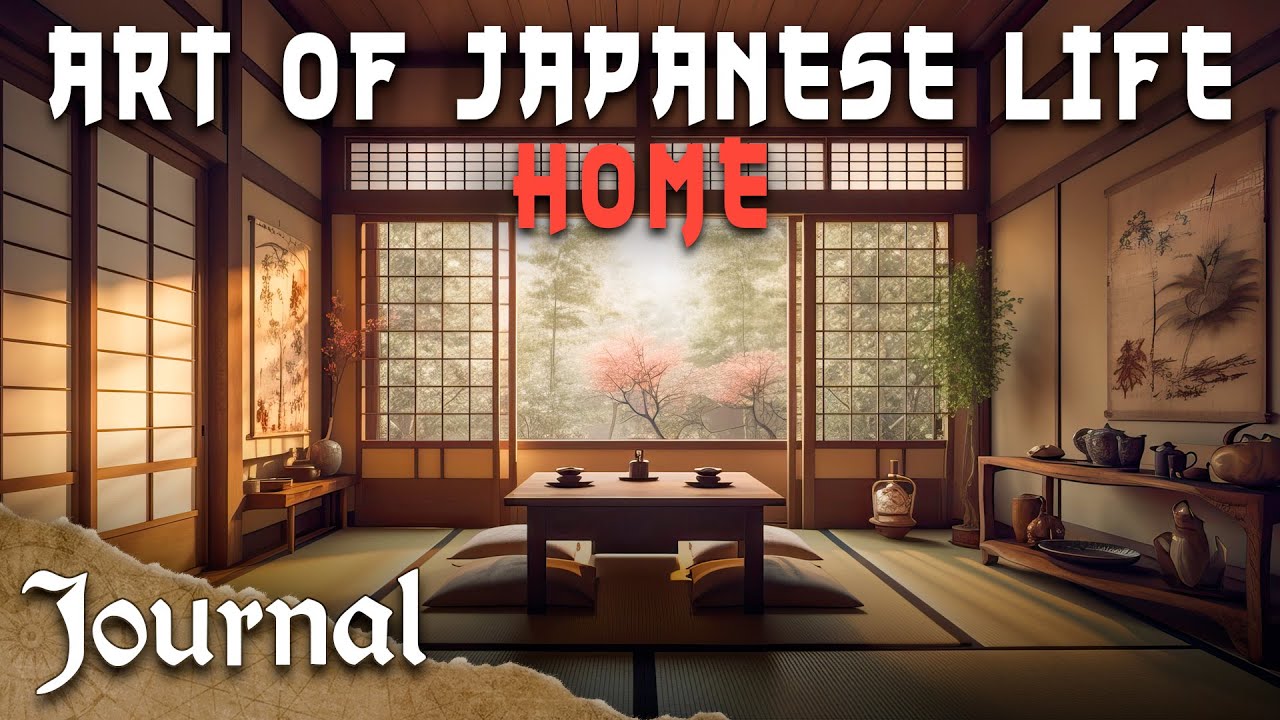
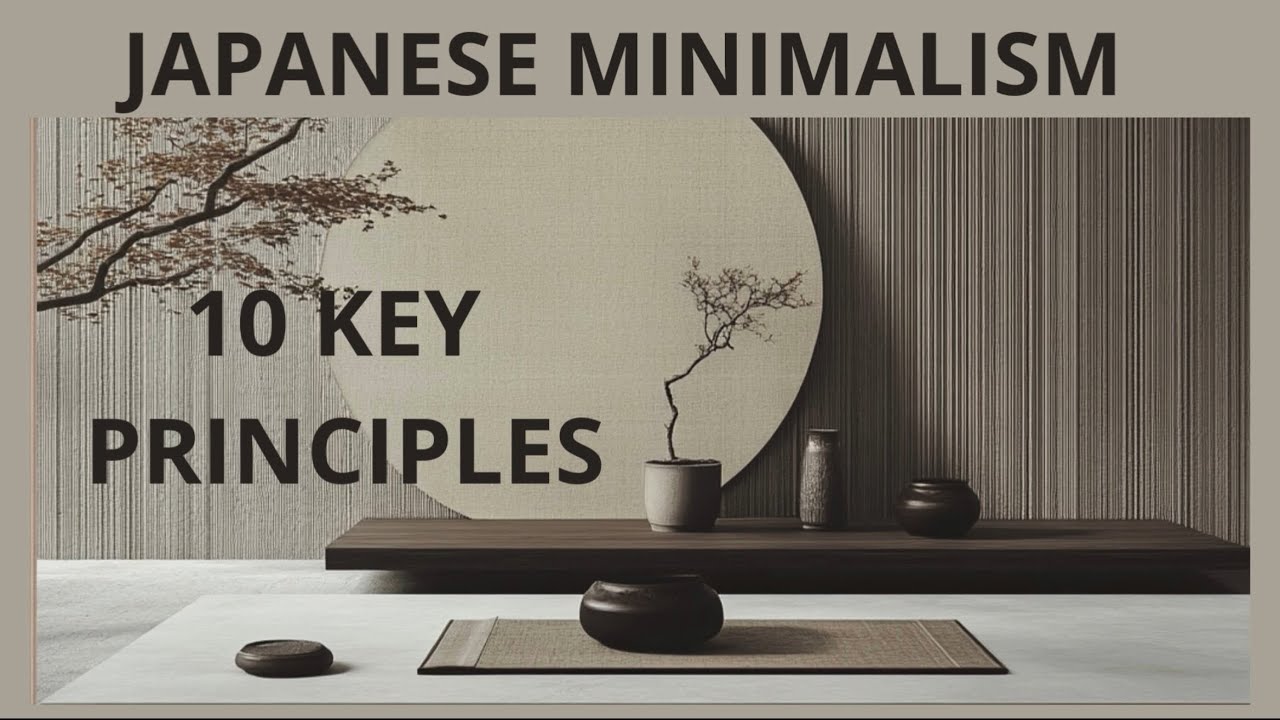
Well, minimalism existed in Japanese culture for thousands of years, originating from Zen Buddism. Japanese people did live relatively simply. But after World War 2, the country was desperate to rebuild their economy so they opened their doors to the international world.
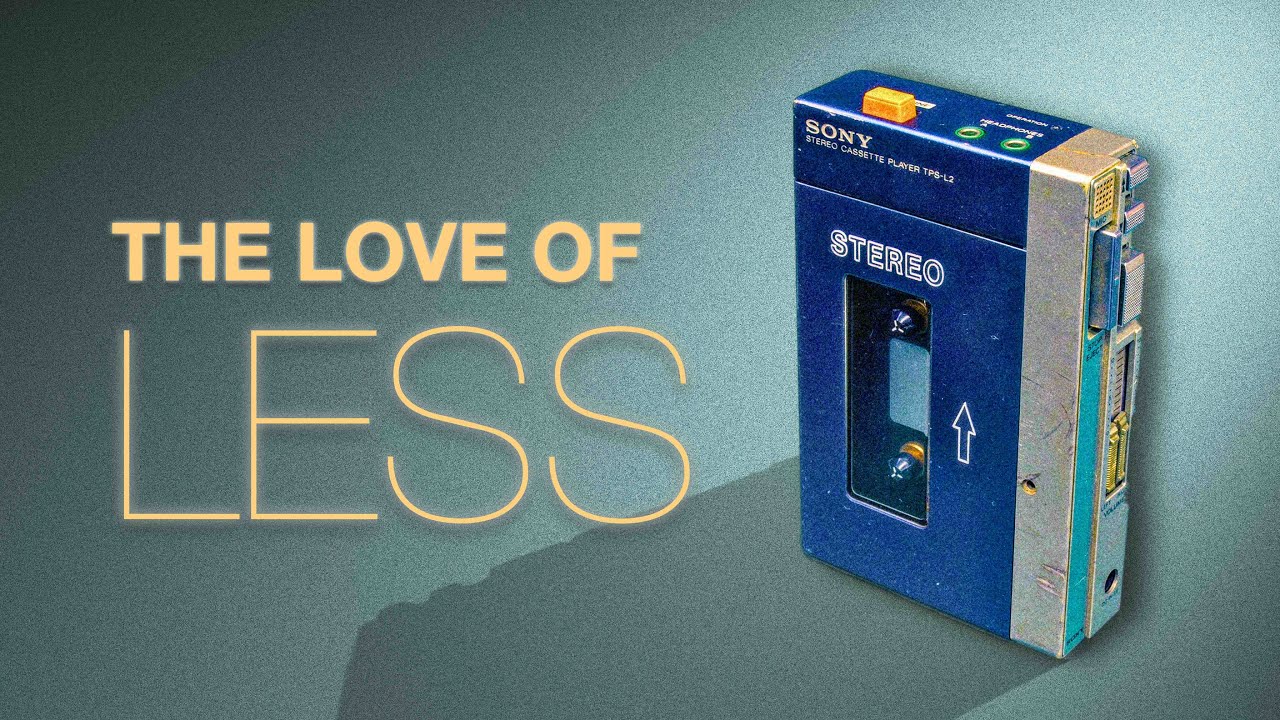
In the 50s, Japan set aside their minimalistic values in favour of capitalism and Western influence, which helped get the country moving again. This catapulted them into becoming one of the richest countries in the world. However by the 80s, this rampant consumerism was making people in Japan borderline depressed which led to the birth of Muji.
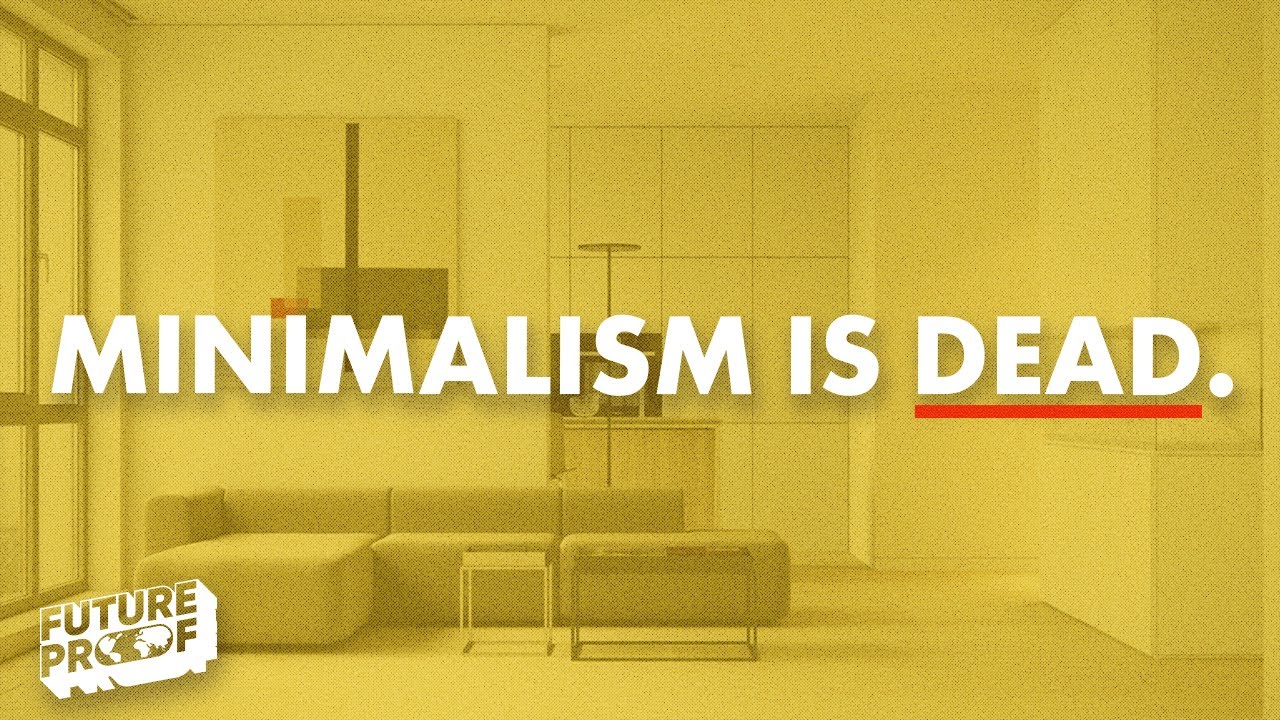
Muji is designed for consumers who were tired of chasing after expensive, branded goods. People were realising that they were buying too much stuff and emptying their bank accounts just to clutter their homes. So maybe that's why Japan decided to return to their old Zen principles, and minimalism became a massive trend again the last decade, and especially today during the pandemic, where people realised what's actually important to them and what's essential in their lives.
Other than their deep-rooted history, there are also several practical reasons why Japanese people would live a minimalistic lifestyle today. For one, Japanese cities have extremely small living spaces meaning that they can't actually hoard too many possessions. Japan is also incredibly vulnerable to natural disasters experiencing the most earthquakes in the world.
A majority of injuries from earthquakes come from falling objects, so it's safer to own less things. Now let's jump back to talking about design. If Japanese design doesn't look like it's all made by Muji, what does it look like?
Well, Japan is famous for its 5-star customer service, even in the most mundane places, and its thoughtful products that are designed to predict and fit customers' needs. So, if we look at what the local people need maybe we can see how it influenced their designs? Firstly, we all know that Japan is a very risk averse country and because of that, they need a lot of reassurance.
There's an expectation that everything would be explained up front so that customers know exactly what they're getting. This might have manifested in their cluttered ads, product packaging and websites where companies write down all the features and technical specifications. Not only do these descriptions help the brand seem more credible, but it also allows customers to do their own research before making a purchase decision.
Another example of a product that caters to their risk aversion is plastic food models. Not only does it make your mouth water and attracts you to the restaurant, but you'd also know exactly what you're ordering, so you can order food at ease. You'd also be able to discover new dishes with more confidence, rather than just blinding pointing to a menu item you haven't tried before.
Second, Japanese designs are packed with unexpected features that you could ever dream of. For example, my rice cooker doesn't just make rice but you can also cook meat in it or bake cakes. Japanese toilets have a bajillion of ways to clean, massage and dry your crack, to satisfy those who like the gentleness of an angle's touch and those who prefer having it a bit more rough.
To Japanese consumers, having more features can mean that the product is more value for money. Maybe that's why the iPhones took so many years to take over Japan. At first they might have thought that there aren't as many functionalities compared to a flip phone, because there aren't many buttons.
But once people figured out there are limitless apps on the app store, the iPhone became their most popular model. So while it's true that minimalism has it's place, the stereotype of Japan only being a "less-is-more" country can be misleading. Surely if everyone in Japan are minimalists, Marie Kondo wouldn't have become popular and famous in Japan for helping people declutter.
Like us, minimalism is an ideal for them, rather than what's already common I got inspired to start this video series after I stumbled across this podcast called Design Huddle, where they brought up the question of whether Japan specifically created this persona to project to the world because that's what they want to be perceived as. The last decade, we had were mesmerised by "Cool Japan" Japan's softpower, which gave us street fashion, never-ending stories and broken TVs. Minimalism is becoming one of Japan's most popular cultural exports, and they're selling you a fantasy, representing a post-cool, normcore Japan, which is, of course, a fetishized version of Japanese culture.
A great example of this drastic difference between Marie Kondo's international Youtube channel versus her Japanese channel. The thumbnails we see are often how Japan is depicted today muted tones and serene whereas the thumbnails in Japan are vibrant, personal and cheery, something that looks a lot more clickbaity. As a designer, it's tempting to reference the minimalistic designs Japan is known for.
But if we only focus on that, we might miss out on learning from the maximalistic approach that's super practical and engaging. If we take the time to appreciate the more mundane things, we'll be able to see that there's a method to this madness. There are so many aspects about Japanese design that I want to cover, but I wanted to keep this video only as an intro to an entire series, where I explore the overwhelming and everyday side of Japanese design that I feel is under appreciated.
In future videos, I plan to look into websites and why they look like they haven't changed since the early 2000s, understand why their TV shows look so seizure-inducing, and exploring how kawaii designs are used to manipulate human behaviour. Let me know in the comments if I've missed anything or if there's something I should look into! If you're interested in learning more about Japanese design beyond minimalism, please click subscribe!
Thanks for watching up til now! See you next time! Bye!
!