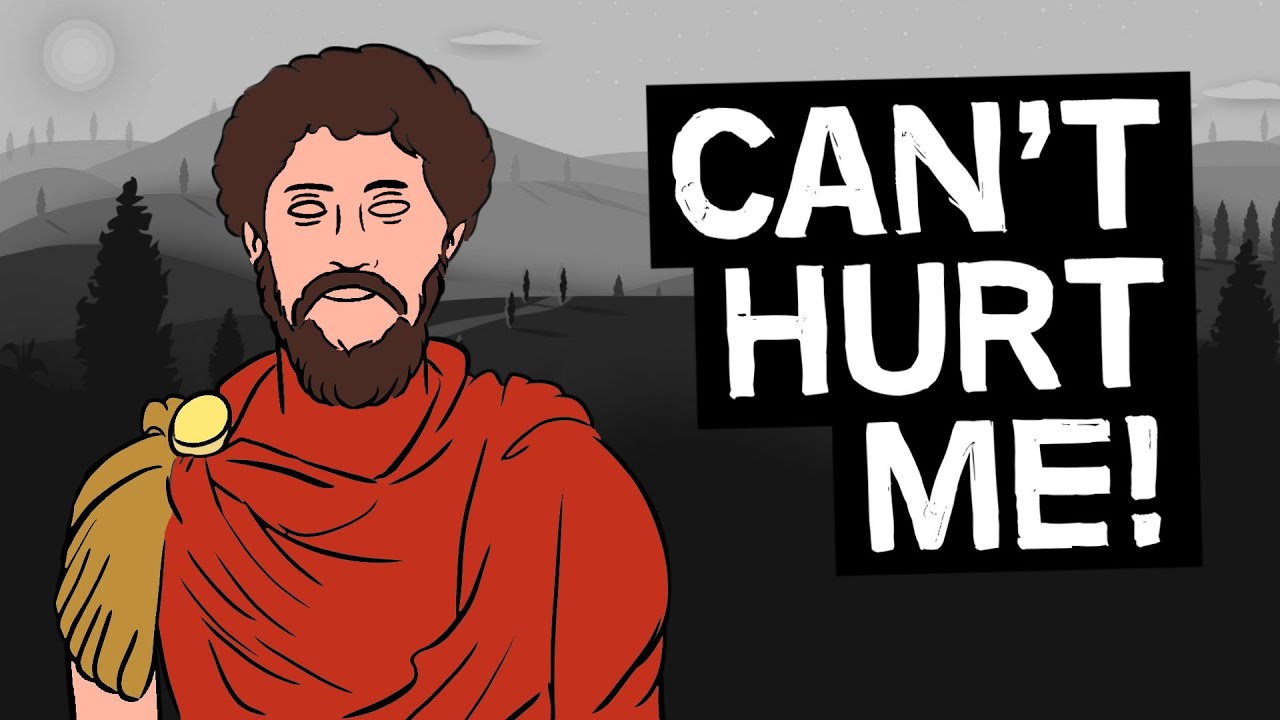
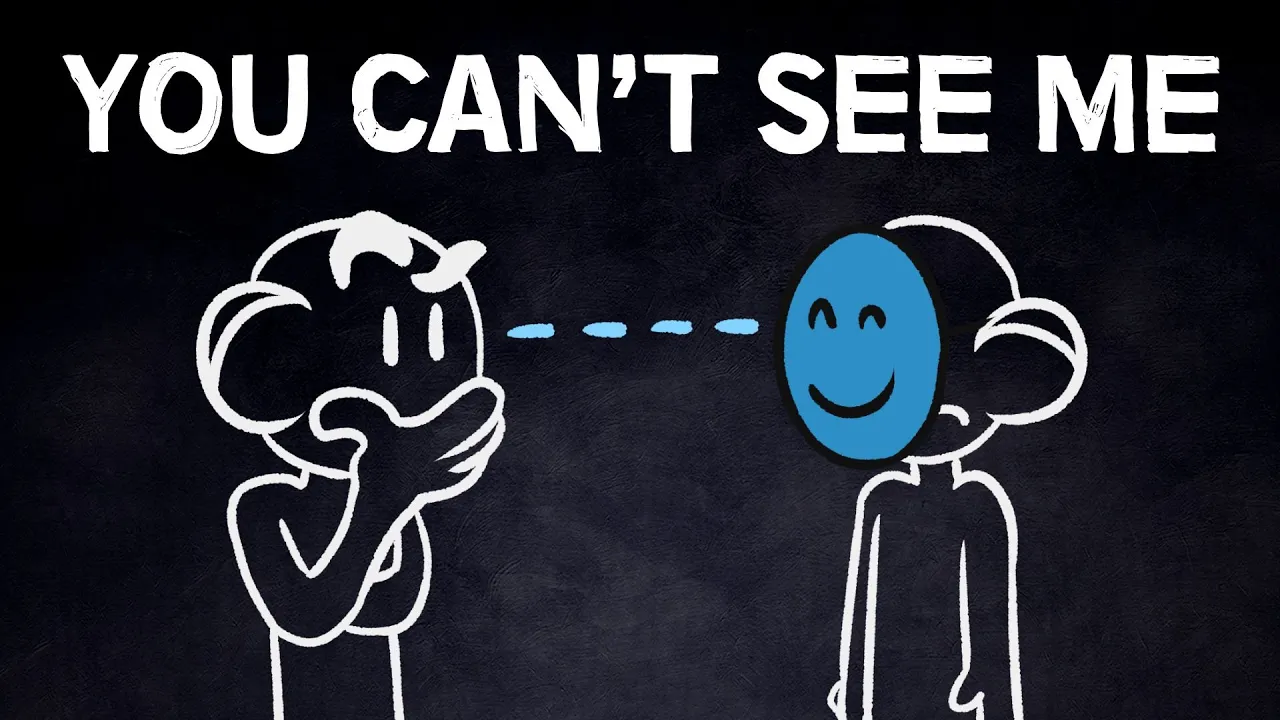
You have no responsibility to live up to what other people think you ought to accomplish. I have no responsibility to be like they expect me to be. It’s their mistake, not my failing.
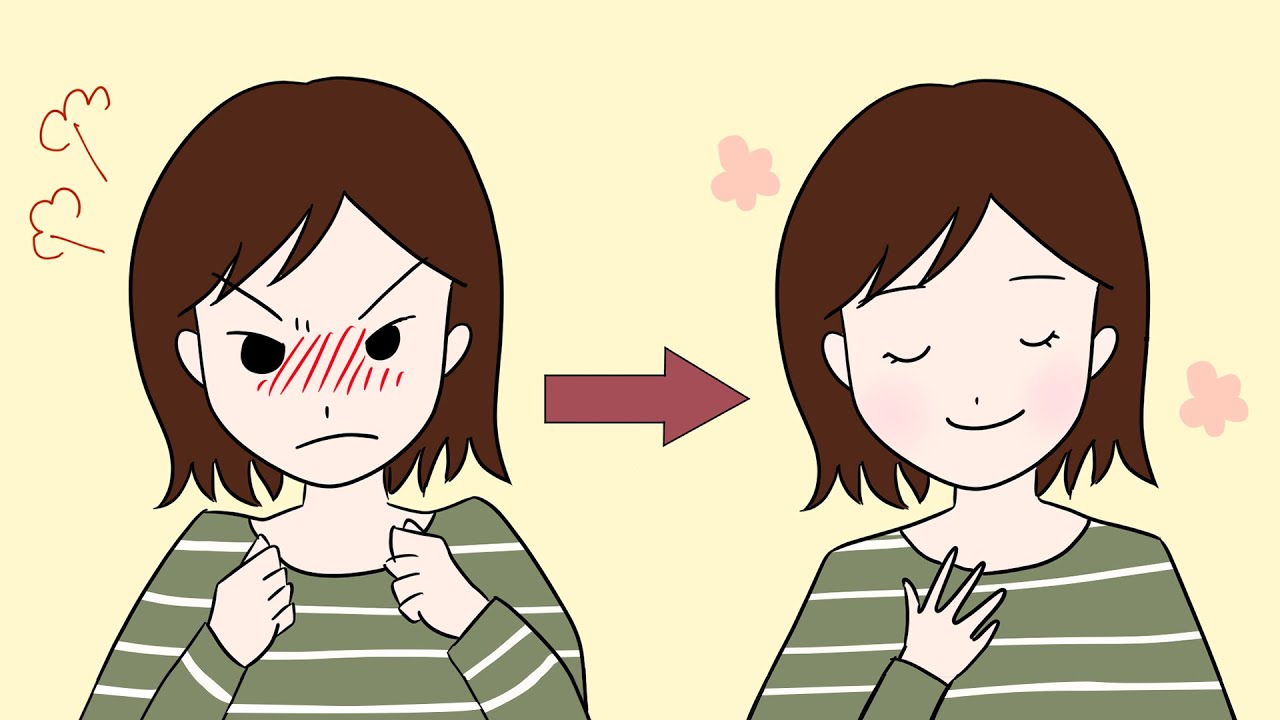
It’s generally a good idea to care about other people’s opinions to some degree, as they could contain some worthwhile insight. But focusing on them too much to the point that we spend hours and hours dwelling on what people might think can leave us in agony. It’s not only potentially harmful but also unnecessary.
This video explains why based on several concepts from psychology and philosophy. (1) You’re giving away your power. The moment we let our joy depend on the validation by other people, we give away the power over our emotional states.
With this attitude, it feels exhilarating when people fancy us. But when they don’t, we become sad and angry. Especially now, in the age of social media, many have made other people’s approval their focal point in life.
Positive attention, then, becomes a requirement for happiness, which entirely depends on the whims of those we try to impress. It can even become an addiction. Many of the people that we try to impress we don’t even know.
Moreover, many of them have ever-changing opinions, often without substance, or are downright ignorant. So why would we waste our time trying to make them like us? Chances are, we don’t even like them?
Stoic philosopher Seneca said about this, and I quote: How mad is he who leaves the lecture-room in a happy frame of mind simply because of applause from the ignorant! Why do you take pleasure in being praised by men whom you yourself cannot praise? (2) It’s beyond your control.
The problem with worry is that our minds try to control the uncontrollable. People’s opinions are ultimately not up to us, so there isn’t much we can do to stop them from disliking us. Now, this doesn’t mean that we cannot influence what other people think.
As a variation to the dichotomy of control (a concept from Stoicism), professor of philosophy and author William B. Irvine proposed the trichotomy of control. The dichotomy of control as presented by Epictetus makes a distinction between the things that are within our control and things that aren’t.
The trichotomy of control, however, offers three categories: Things over which we have complete control. Things over which we have no control at all. And things over which we have some but not complete control.
Opinions of other people fall into the second and third categories. In some cases, there’s nothing we can do about what others think. For example, we cannot change what someone said to us in the past, and we cannot change our parents’ disapproval of us when they’re dead.
But we can influence people in the present by our words and actions. But even though our behavior could be incredibly influential, the results are still not up to us. Therefore, worrying about what’s happening in the brains of others is futile, and we’re better off focusing on our own actions.
(3) It’s a reflection of them - not you. Often, how people react to us directly reflects themselves and how they feel. When we incur hostility, indifference, or sadness, as a response to our actions or even to our very presence, it may not always be personal.
Moreover, these people could be expressing parts of their unconscious without realizing it. Swiss psychiatrist Carl Jung called this phenomenon ‘projection’. Jung believed that people tend to repress unwanted aspects of themselves into the unconscious parts of the mind, which form, what he called, the Shadow.
A consequence is that we unconsciously recognize in others what we recognize in ourselves. As we dislike in others what we dislike in ourselves, an adverse emotional reaction follows. Psychology Today describes projection as follows, and I quote: Unconscious discomfort can lead people to attribute unacceptable feelings or impulses to someone else to avoid confronting them.
Projection allows the difficult trait to be addressed without the individual fully recognizing it in themselves. End quote. Jung stated that projections change the world into a replica of one’s unknown face.
We all see the world through a unique lens, and the unconscious plays a significant role in how we relate to our environment. Knowing this, we can put the opinions of other people into perspective. (4) You’re not the center of the universe.
When we try to imagine the vastness of the universe, we begin to understand the insignificance of ourselves. We may experience ourselves as the center of it all because we see it exclusively through our eyes, but most would agree that we are not. But, of course, we never know.
Solipsism is the idea that only one’s mind is sure to exist, as we cannot prove that the external world (including the minds of others) is real. To this day, one cannot experience the existence of other minds than one’s own. If your mind is indeed the only mind in existence, other people’s opinions are nothing but illusions.
Thus, nothing to make a fuss about, as they aren’t real. But even though solipsism could be the reality, there seems to be a consensus that other minds do exist. If the latter is the case, then other people’s opinions are indeed real.
But if all people have minds comparable to our own and are as immersed in their troubles as we are, then they’re probably not thinking about us as much as we’d believe. Moreover, most people are so busy concerning themselves with what others think of them that they don’t have time to take a good look at the very people they try to impress. In the grand scheme of things, opinions are incredibly brief and erratic, and our mistakes are quickly forgotten, along with all the times we’ve impressed someone.
As Marcus Aurelius stated: “So many who were remembered already forgotten, and those who remembered them long gone. ” (5) It destroys authenticity. Care too much about what others think, and you’ll turn into a sheep anxiously following the rest of the flock.
If you do as other people want you to do, you’ll be living according to their expectations and ideals. German philosopher Friedrich Nietzsche despised the herd mentality that many people carry. He makes a distinction between the Herren- und Sklavenmoral, meaning the master and slave morality.
Those at the top are the strong-willed who create values and rules. The many at the bottom, the herd, follow but oppose their oppressors at the same time. But instead of rising to the top, those with a slave morality want others to be at their level, namely, among the other obedient, mediocre, and uniform members of the herd.
Once part of the mass, they expect you to be just like them. If you stand out, the herd sees you as evil. If you act in conflict with conventions, you may even be considered dangerous, as people usually fear what’s strange and unknown.
Within the pack, conformity is a virtue, and authenticity is a threat. Nietzsche urges his readers to be neither a master nor a slave but transcend this system altogether and become an authentic, self-actualized person. One can only accomplish greatness if one ignores the opinions of the herd and their pre-determined virtues and unapologetically forges one’s own path.
(6) Life is too short. A survey of 2,000 British adults called the National Worry Audit revealed that, on average, people in Britain spend about 6,5 years of their lives worrying. Many of these worries concern, directly or indirectly, the opinions of other people.
An example. On a daily basis, 28% percent of Brits worry about their appearance, 21% worry about what to wear, and 17% about body odor. The average life expectancy of the British is currently 81 years old, which means that they spend 8 percent of their lives worrying.
If they’d simply stop worrying about other people, then they’d have about two additional years to enjoy life or to do something useful. But still, even though 81 years seems quite long, it’s only a fraction of time compared to humanity as a whole, let alone planet Earth. Moreover, many die young, as human life is fragile and can be taken away in the blink of an eye—what a waste of energy to spend this short and vulnerable existence wondering what other people think.
So, the fickleness and shortness of life can be a potent reminder to eliminate this destructive habit. As Seneca wrote: You live as if you were destined to live forever, no thought of your frailty ever enters your head, of how much time has already gone by you take no heed. You squander time as if you drew from a full and abundant supply, though all the while that day which you bestow on some person or thing is perhaps your last.
You have all the fears of mortals and all the desires of immortals. (7) You know yourself best. Even though other people can give you valuable outside perspectives concerning your behavior, the person most knowledgeable about you is you.
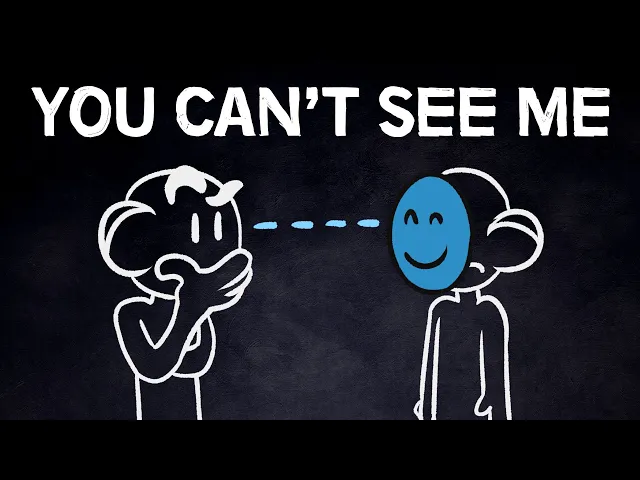
No matter how close we get to each other, our minds remain a private space and often don’t fully resemble what we show to the world. Carl Jung’s model of the psyche differentiates several parts: the persona, the ego, the self, the shadow, and the animus or anima. Of these aspects, the persona is what we show to the world, which is just a thin layer of the self.
Or, as Jung put it: “a kind of mask, designed on the one hand to make a definite impression upon others, and on the other to conceal the true nature of the individual. ” End quote. Some people can be pretty intuitive and see through the cracks of our masks; moreover, they can notice behaviors about us that we aren’t even aware of.
But they can never be sure about our true motives, secrets, and hidden personality traits because these are reserved for ourselves only. So, people’s thoughts about us based on what they perceive often don’t align with reality. Therefore, the feedback we get from others can be helpful, but the truth ultimately hides within ourselves.
Deep inside, we know what we want, and the more we stay true to that, the more authentic we become, and the less we conform to what other people want us to be. Thank you for watching.