In Chapter 4, you learned about relationships that involve addition and relationships that involve time. In Chapter 5, you’ll learn about four more kinds of relationships between ideas: illustration, comparison and contrast, cause and effect, and problem and solution. ILLUSTRATION Illustration words indicate that an author will provide one or more examples to develop and clarify a given idea.
Here are some common words that show illustration: example or for example instance or for instance such as including specifically to be specific illustration or as an illustration to illustrate one once One way illustration words are used in textbooks is in the pattern of organization known as the definition and example pattern. Here’s a paragraph that is organized according to the definition and example pattern. See if you can pick out the term that is being defined, the definition, and the two examples: Informal problems often call for a heuristic—a rule of thumb that suggests a course of action without guaranteeing an optimal solution.
For instance, anyone who has ever played a card game such as hearts is familiar with the heuristic to “Get rid of high cards first. ” Another example is the situation in which a student tries to decide whether to take a particular course and follows the advice to “Ask friends how they liked the instructor. ” The first sentence presents the term heuristic and defines it.
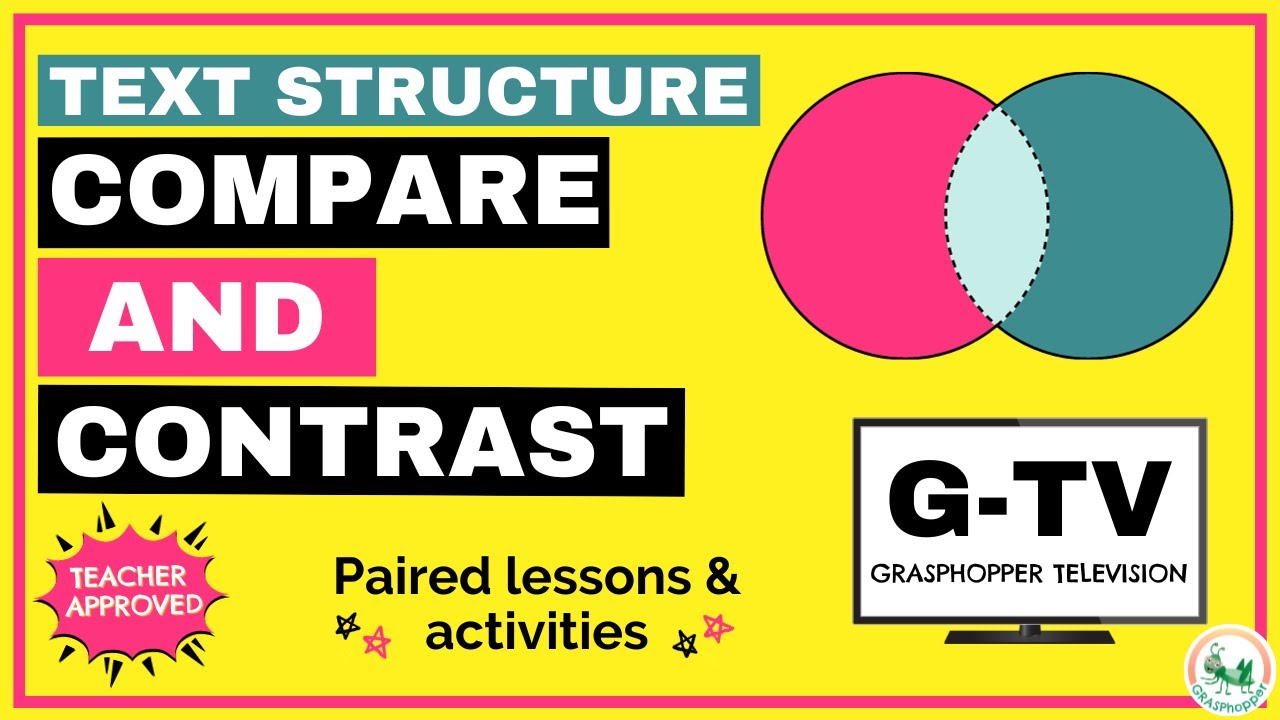
That term is then supported by the example in the sentence beginning “For instance. ” A second example is then presented in the sentence that begins “Another example. ” COMPARISON AND CONTRAST Comparison words signal similarities.
Authors use a comparison transition to show that a second idea is like the first one in some way. Here are some common words that show comparison: as or just as like or just like alike same both equally resemble likewise in like fashion in like manner similar or similarly similarity in a similar fashion in a similar manner the same way or in the same way common or in common Contrast words signal that an author is pointing out differences between subjects. A contrast word shows that two things differ in one or more ways.
Contrast words also inform us that something is going to differ from what we might expect. Here are some common words that show contrast: but yet however although instead or instead of in contrast on the other hand contrary or on the contrary even though as opposed to in spite of despite difference different or differently differ or differ from unlike Here’s a paragraph that is organized according to the comparison and/or contrast pattern. See if you can figure out what two things are being contrasted.
Women’s labor force participation is approaching that of men’s, with 60 percent of adult women (versus 74 percent of men) in the labor force. However, gender differences remain in career choice and development. At present, married women still subordinate their career goals to their husbands’, especially when children are involved.
The first sentence is an introductory statement—that women’s labor force participation is becoming comparable to that of men’s. The main idea, that gender differences remain, is then presented in the sentence beginning with the contrast word However. And the sentence that starts with At present gives an example of a significant gender difference—that women will subordinate their career choices to their husbands’ career choices.
CAUSE AND EFFECT Cause and effect words signal that the author is explaining the reason that something happened or the result of something happening. Here are some common words that show cause and effect: therefore thus consequence or as a consequence consequently so result or as a result results in leads to or led to owing to effect cause if…then because or because of reason explanation accordingly Here’s a paragraph that is organized according to the cause and effect pattern. See if you can figure out what is the cause and what is the effect.
Losing one’s job is difficult at best and devastating at worst. Not only can it cause economic distress; it can result in health problems and psychological difficulties as well. Also, unemployment leads to an increased rate of attempted and completed suicides.
The first sentence presents the cause: losing one’s job. The second and third sentences describe the effects—economic distress, health problems, psychological difficulties, and increased suicide rate. The words leads to, cause, and result in signal the cause and effect pattern.
PROBLEM AND SOLUTION Unlike the relationship patterns we have studied so far, the relationship of problem to solution does not involve transitional words or phrases. Rather, the relationship usually involves an action that is taken to correct or resolve a negative situation. Here is an example of the problem and solution relationship: Problem: Many people who need to exercise suffer from joint problems that make walking, jogging, or running painful.
Solution: Swimming is a low-impact form of exercise that provides an excellent cardiovascular workout for people who experience joint pain. The first sentence states the negative situation (the problem). The second sentence suggests an action that can resolve the problem.
Here’s a paragraph that is organized according to the problem and solution pattern. See if you can figure out what the problem is and what two solutions are offered. Smokers who decide to quit must break through both the physical addiction to nicotine and the habit of lighting up at certain times of day.
Most try to quit “cold turkey”—that is, they decide simply not to smoke again. Others use nicotine replacement products such as nicotine chewing gum and the nicotine patch. The first sentence introduces the problem.
The second sentence offers one solution to the problem of quitting smoking—going “cold turkey. ” The third sentence presents another solution—using nicotine replacement products. To summarize, in this lesson you learned about four more patterns of organization.
Definitions and examples: Textbook authors often take time to include key definitions of important terms and examples of those definitions. Comparison and/or contrast: Authors often discuss how two things are alike or how they are different, or both. Cause and effect: Authors often discuss the reasons why something happens or the effects of something that has happened.
Problem and solution: Authors may state a problem (a negative situation) and then offer a solution.