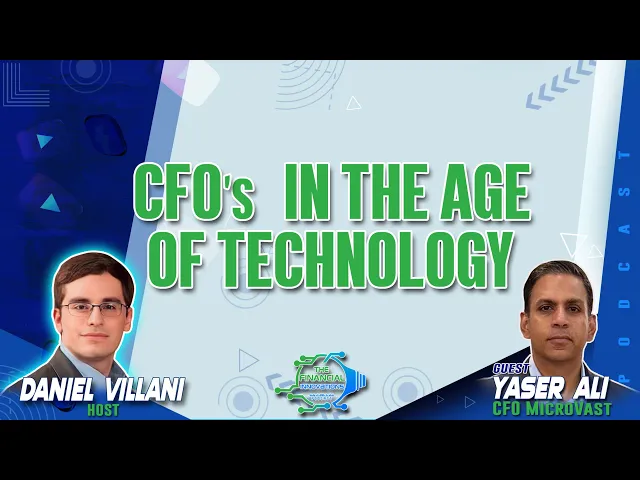
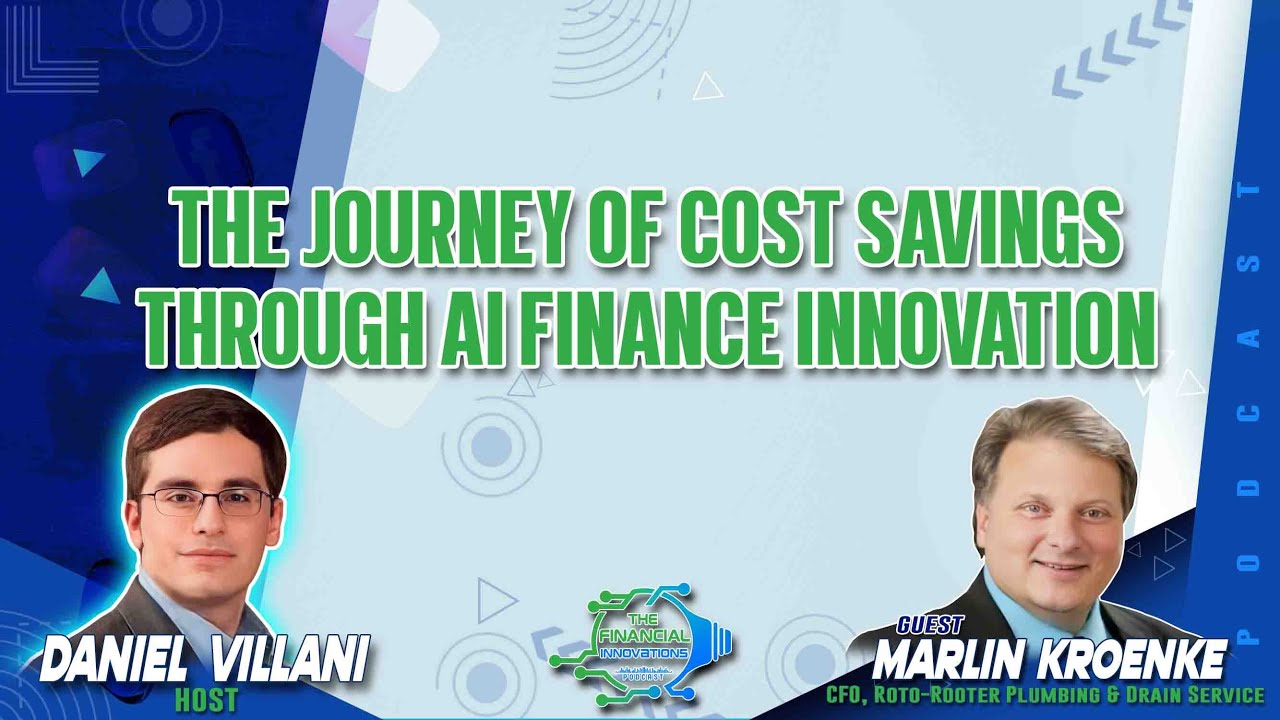
the fundamental problems with all accountants and finance folks is you're spending 95% of your time assembling something and 5% 10% trying to understand welcome to the financial Innovations podcast we're helping CFOs save money and time by investing in Cutting Edge technology really excited today to have Yasser Ali on on the call with us Yasser great to great to have you on yeah no likewise uh glad to be here Daniel excited to talk about financial Innovation it's a topic that I think is near and dear to every cfo's heart yeah I I completely agree and you
know the that's part of the reason we started the show is we found that you know there there are a lot of uh CFOs out there that are you know different stages uh in terms of the companies that they work for the you know what um you know budgets they have available to them um you know what ideas they have available to them and we just want to make sure that you know we can share um this out there so you know just highly encourage anyone uh tuning into the show you know make sure you
like uh comment subscribe to the channel so that way um you know you get all the latest uh innovative ideas over here um you know one of the the areas I think we started when we when we started uh this show was it was you know heavy in terms of like what technologies and and things are you using and I think as you know we've met I think we've uh interviewed probably over 30 40 uh CFOs at this point but you know uh where it's it's not just necessarily you know the technology that you're bringing
in um you know a lot of innovation comes from you know just uh you know simpler things like ideas processes um you know people and roles that you're bringing into the organization so you know I'm particularly excited to to talk about this today with you because uh I know you bring a lot um you know in terms of process Innovation and and uh you know and really just you know automating streamlining uh processes in in in terms uh you know to kind of build value to to the organization maybe you want to talk a little
bit about you know how you got into uh into that and um you know maybe some of the some of the things that that you're excited about yeah no so early on in my career career I had I was in charge of fund accounting fund management for a fund that was roughly around uh $20 million at that time and ultimately it under Me grew to about $860 million um and I was doing the work more or less single-handedly and of course to be able to do that much work you got to be able to find
efficient ways and so on and so when I started getting into automating um spreadsheets being able to pull certain data instantly you know I realized the value of that right being able to automate um innovate it allowed me to do so much more with less again you know when I first started I was doing roughly two weeks of manual effort now I'm you know coasting through in a day or two with you know several thousand of projects and I think you know it was a great um lesson early on because I realized like the power
of being able to automate make things much more efficient and data you know it gives you a lot of power to make the right decisions better decisions and so on I do have a Six Sigma background and so that's always um you know inter luded with everything I do where I really like to break down uh process and you know refine it and make it so much more uh simple but robust in that sense so I think um one of the companies I worked at for getting out our invoices there were 27 touch points so
27 times a person had to do you know be involved in some way or another to get it invoice out and I think if you aggregated all those hours or time up it was somewhere around like four or five hours to get one invoice out right um and that's what I mean like if you go I went in and just completely destroyed that process and rebuilt it where it had four touch points and was done within minutes and I think often times you know just because that process is in place we're comfortable with that process
in place but I think soon as you uh lift up the covers you realize like there's a lot of lwh hanging fruit that can have a a significant amount of impact on the business I think one of the um you know common phrases I hear as I go into you know all these different companies and it's kind of universal where it's not just small companies large companies everyone is you know you start to ask ask a question about hey why do you guys do this the way that you do it and more often than not
the answer you get is well that's how it's always been done right and there's kind of that um you know that that feeling that just because this is the way that the process has worked that this is how we have to continue to do it and you know not a lot of people you know actually take the time to break that process down and say well wait a second first of all you know is this reasonable that it takes this long to you know process one invoice and and you know maybe we can look at
some of the steps here maybe if you look at it as as a whole I think one of um you know my projects I was on you know we went through uh it was big uh you know lineage project for for a large bank and um you know they wanted to have like the whole team work a weekend and they said hey we we have this process we need you guys to all run through it's a seven-step process and Camp be automated and so you guys just have to kind of spend uh you know your
Saturday and Sunday doing this and um you know whoever looked at it to see if it could be automated just you know saw a couple of steps that required manual intervention and they said up we can't do it right and um you know I took a look at the process and said well maybe we can't automate all seven steps but isn't there value in automating four of the steps or five of the steps and you know we we had that done and you know instead of everyone working you know Saturday and Sunday everyone worked for
like an hour or two over the course of one of the days and we were all done and you know and and a lot of people don't you know take the time to go and and look at individual components of an overall process because they just see the process itself as a you know Monumental task and you know oh this is how we did it so let's let's just keep doing it that way you're you're exactly right like I think people are intimidated because they're not sure what they're going to uncover but often times what
they will on cover is actually a lot more straightforward than they think and there's so much opportunity again to just get very simple and you know have a process that's so much more efficient than you know this uh buildup of processes that has happened over years and years that's just way too inefficient right so when when you look at you know processes um you know in terms of trying to figure figure out what is it that I want to improve is there like a certain Benchmark that you're looking at like you know obviously like I
don't want to see if we can automate the task that takes you know two seconds to do um because there isn't like a whole ton of value but like how do you find kind of that balance of what's worth you know investigating and and you know breaking down and looking at in more detail versus you know what do we just say you know what whether it's efficient or not you know maybe we don't necessarily care about it at at this point yeah no so I think it's the end product of that process so in this
case um invoices going out on time right that's huge because every minute or day you're late that's later uh you're going to receive the payments so a lot of it um is just you know understanding what the end product is of that you know if I want cash balances or if I'm doing budgeting um you know if it's the most significant items then uh that will go into it but yeah to I think to answer your question it's kind of a a marathon right where um I may not have a specific way of doing it
in one month because you know it's all the external factors internal factors that I'll kind of bring together and see what's important and then based on that kind of drive my decision to how to approach right so it sounds like you're kind of looking at what are the what are the you know Key activities that need to be performed and then you know maybe either you know it's down on paper or even in your head of of a does this sound reasonable in terms of you know I mean I think the decision is a lot
easier if you're constantly late on making payments of hey we got to you know change up our processes here um to make sure we're you know we're paying on time and not you know getting hit with any late fees or anything like that um but you know in in other areas you're looking at um you know is this kind of core to the activities that we're performing um you know is there opportunity there and then is the opportunity something where you know the the process is very inefficient where we could you know cut the time
in half or or something significant versus you know hey this is something yes it's manual but it's quick you know let's uh let's just leave it alone for now and if we have a little bit of a break here or there we could always reassess later on definitely uh you know all in addition to that I think it's also driven by um any particular task that I'm trying to solve for so as an example in one company we had really high Freight charges and so we set up a process that would trigger Whenever there was
a freight charge being utilized right and the reason why I did that it wasn't necessarily to solve the problem there but it was to understand what the issue was and what we realized was uh freight charge was used as kind of a um first line of defense when it should have been like the last line of defense right so we should have planned accordingly three months prior gotten it on um cargo ships and then that would have been much more affordable for us and we would have saved more but since we would miss that what
we would all end up doing is we would put it on air freight and which would cost the company a lot and take away the margin as well right so then to tackle that we were able to go figure out a better supply chain uh snop process yeah no that that's uh that's really interesting um you you know because it's uh you know you're you're using the data to drive you know hey let's let's come to the underlying reason why and then let's go and look for Alternatives in terms of you know going and are
there more you know costeffective ways of being able to do the the same activities you know if you're not looking for and measuring these types of of things if you're just kind of looking at um you know an overall here's our budget here's a threshold for error and this as the threshold you know you're not going to uncover you know many of these opportunities that that you might you know just by saying hey look this doesn't seem you know reasonable over here or it seems kind of high let's let's look and see you know are
there opportunities to drive down cost but in order to get to those opportunities you first have to understand why why you're in that situation in the first place yeah absolutely and you know um you know to your point uh something that I'm really excited about in recent times is most CFOs most people in accounting and finance they would stay within their office and just kind of figure out uh what they have to do by themselves now I see more of these folks getting out understanding the business more understanding what type of technology and software is
out there as well to like help them facilitate and whatever they're doing and I think it's going to it's a huge movement in the right direction for sure because again um I have met CFOs that spent 20 years in their office and would get up to do their you know monthly reviews and that was it but now they're much more involved in the company uh the business and un and being able to tackle issues such as the freight issue as I mentioned and and just getting much more involved yeah I'm seeing that more and more
where um I mean i' I've commented on this on some some past episodes but you know just kind of the the CFO in general um you know maybe 10 years ago 15 years ago you you start to talk about um you know technical terms and even just saying hey a data you have a data warehouse or this or that and and you know it became a hey let's let's redirect this to it to talk about this versus you know a lot more um you know CFOs you're seeing more often than not you can have even
some of these conversations and you know when it comes to to software to um you know more technical pieces and a lot of this technology that's you know that's come around has you know opened the door to finance really being a partner with with the business versus just a a number crunching you know where we're sitting in a closet somewhere and uh you know 10 of us in the room and trying to figure out you know what our cash flow is over here versus now um you know you see a lot of uh a lot
of Finance functions that are you know going out into the the field hey let's go to our manufacturing plant and see what the operation is like and you know that's spurring a lot of ideas in terms of you know can we be more efficient versus just kind of the the theoretical uh aspect that it was of you know hey let's try to cut our budget by 10% next year well if you don't understand the processes and how the operation is is going then you know you may be uh you know suggesting and recommending things that
you know just don't don't work and and have an adverse impact on the business you're 110% right that's exactly what I see as well and you know I think especially in my last few roles it was funny because I was the biggest proponent of getting new software or getting new technology and they're all you know first thing of course I heard is no you're the money man you're supposed to say no right and and I said look you know like spending the right amount of money will get you the right results where you're not uh
breaking backwards to save a nickel here or a dime there right like you know one example of that is we needed a expander team of uh contract lawyers that I had under me and of course you know hiring uh lawyers it's pretty expensive and what I did is I went out there and looked at software contract contract pod AI which would learn the habits and the redlining efforts that my attorneys would make and essentially start doing the same redlining on new contracts that would come in so instead of having to sign or hire like eight
or nine additional attorneys because of the volume we were doing you know this uh software was doing it seamlessly and and a lot of those contracts are you know standardized contracts where it's you know very similar changes happening where it's not like uh you know you're you're creating new legal language in every single contract that's out there a lot of it's you know very similar in terms of what the terms are the language of it where you know something like that is easier to automate you know and uh you know very well aware of the
the legal fees associate with even just simple contract review um you know where being able to reduce the number of lawyers looking at your your contract and just hey review these changes rather than you know take the time to write up all these changes and and everything will you know could save a significant amount of money that's exactly right and so you know while you know at that time it was $330,000 for us it's like wait you're spending $30,000 but it's like no you know the $30,000 will uh pay back and then some and which
it did so I think you know for CFOs I'm starting to see that where they're getting out of that phase of um you know blocking everything just to save uh their budget now to spending on the right items because they realize like the value of it yeah that that's a great point and great segue into the the next question I wanted to ask is that you know we we've kind of gotten into this age especially with all this you know SAS software where you don't you know you used to have to you know call it
wait six months for them to stand up a server and install the software that you wanted on there and then you could start thinking about using it and and and all of that and now it's you know hey put your credit card in Click a couple buttons and you have uh an application you know fully provisioned and ready to go for you um you know but kind of with that come uh in some ways an inundation of software and applications that you know that are out there and in many cases it's uh you know hey
just pay a hundred bucks a month for this software and $200 a month for that software and all this stuff and before you know it you know you're you're paying $20,000 $30,000 a month on you know on on a hundred different software platforms over there um you know how do you determine like what what's kind of worth looking at and not because I mean according to all these vendors everything is a you you need this you must have you know our product for this and for that and solve this issue and that issue but like
how do you as the you know the End customer uh filter through kind of the noise of all of that and and say all right here's what we truly need and and what's looking into more yeah so what I would do is I would take like an inventory of all the different software that we have within the company and from that one try to triangulate you know what's similar um let's just use contract pod AI is there any other software that we're paying for that's similar and if so you know how do we merge that
together um either bring the other teammates onto contract track pod AI or do we go uh to whatever software they have but I I do think that is very important and I'm glad you brought it up because I have seen you can Hemorrhage your budget very quickly by doing that this person has Adobe this person um has X software and it just ends up being so large where you can't manage it right and I've even seen you know to bigger SK someone buying Enterprise Tableau licenses and the other department has an Enterprise powerbi license and
it's hey they're both dashboarding platforms there may be a you know a valid business case for it but I think something that often gets overlooked is you know in that the whole total cost of ownership of it's not just a matter of the software licenses either it's also a matter of now you have to have in-house experts that know different Technologies out there and maybe you need to have multiple people where you know if you were consolidated on one platform you wouldn't need as much support around it no exactly right at least in um the
companies I've been at I've had it take that inventory of every single software out there and any new software that was uh being put as a request had it go through it so they could you know say hey yeah we already have a license for this we can add on to it or no you know we have something similar to that but I completely agree you have to be able to keep track of these items otherwise yeah again it just can grow so large where it's yeah no that that's a that's a great Point um
you know I know you mentioned um you know uh contract po aai over there for um you know for that I know that a lot of companies out there um you know it's kind of a opposite end of the spectrum approach when it comes to things involving AI right where it's part there's some that are hey let's you know go and use AI for everything there are those that are you know hey I don't know if I fully trust this yet or think it's going to work let's you know kind of wait and I think
in the process you know a lot of companies out there look at you know hey am I too late to the AI game you know when is the right time to to start looking at um at that I mean maybe if you could talk a little bit about um you know kind of it sounds like you guys are you know early adopters when it comes to you know AI um types of of innovation over there but um you know for those that are kind of wondering uh do I wait do I jump in like like
where how do I approach uh AI yeah I I think you know AI for me um and others I would say is taking it on um uh software bases meaning you know what ever your need is and if there is a tool for it going after that I don't think you have to go make this massive push to be fully AI adopted you know and you know something that I do is for my more entry level and Junior folks I keep them away from AI the reason why is because I want them to understand the
mechanics of how to do something rather than just going asking Ai and not not knowing you know the fundamentals so like the more senior people I absolutely encourage it I mean of course I encourage the junior entry level folks but I think for them it is important to like really build up that fundamental skill and in terms of AI adoption again you know just kind of looking back at uh my career it's really where there's a need and how can we fill it fast and if efficiently and that's when we'll adopt new AI uh products
but I don't think we're anyone who's joining now is not late to the party I think you can always still do it um but it's just again finding the right software that fits your company and can do what uh you needed to do that's more important than rather than just getting a software maybe 10% of it is used and the rest 90% you're not getting any use out of it yeah and and I see that as being a big trap that a lot of companies fall into is that you get kind of um inundated with
uh you know hey AI is the big craze over there if you're not using it you know you're you're an idiot and and you're You're Gonna Lose to all your competitors and this and that you know and it kind of creates that fear of you know let's let's do this out of fear of losing a competitive advant manage versus through a need of a we're going to implement this because we need it um you know in there and more often than not um you know companies get distracted with you know hey this this person told
me I need all these fancy dashboards because you know dashboards are all the rage and this one's telling me I need AI because AI is the next Frontier over here and you know in that process it kind of distracts you and takes you away from you know the core you know your your core Charter and and what it is that that you're looking to uh do and benefit your your organization you're exactly right and too um a lot of software companies are very generous in uh what is AI right they may have a very small
feature that's Ai and it's a AI software all of a sudden so I think you know you have to be careful there as well like knowing if the software really is capable of doing what you wanted to do and has the AI features that you know give it that special um uh AI power versus just the regular software uh with some AI noted next to it right because now everyone they'll throw a chat bot on their website and say hey we're AI first over here and you know and then you look at the software and
it's hey this this technology been around for the last 50 years uh and there doesn't seem to be much Innovative over here um you know I I think that you know just uh makes we think of you know a lot of uh you know end customers are putting on their their rfps and stuff to software vendors do you have ai capabilities uh and you know everyone's gonna answer yes even the the guy who has the the small uh little tiny component that um that's in there so it it just um you know reminds everybody of
of you know hey this is kind of your um you you know you got to be careful what you're putting as requirements and and you really have to know what it is you're you're looking for and you want uh versus just kind of putting the you know the the word of the day uh out there and and uh you know looking to check the box yeah you're exactly right so for example there was a a software I was looking at it had AI related analytics and so I was very interested in that and I wanted
to check it out but what it was essentially doing was giving you just normal reports there was nothing AI about it so for me like AI means you know I know for example in a distribution business right I have a 100 products that need to be shipped out today I have 10 people working and they do 10 they can ship out 10 products an hour and so for me uh it's not just illustrating that but it should say hey if you were to have two people you're fully covered and you'll save excess of um eight
people not working for eight hours throughout the day right you know bringing something uh above and beyond then rather than just a standard report that's what I kind of want to see right and being able to answer those ad hoc you know questions that you come up with as well where like what what I found is that a lot of um time is being spent created creating reports that are just like a one-off question ask right and someone's going in they're formatting things and and all that and um actually have a an AI product that
um that I'm be releasing in in about a month over here but um you know you can just go and ask a question you know what were my sales last month or you know what were my sales for the last couple days and it'll go translated into a query against whatever Source you have over there and you know give you give you the answer right but you know what what I've found too is you know there's a lot of hesitancy and resistance with um AI like that where is it giving me the right answer or
is it hallucinating with with the results um so you know we built in some audit capabilities in there too where you can go and see here's you know here's what I'm querying where I'm going against uh you're free to check all this stuff yourself so that way you can do it but you know what what I've been finding as we've been you know piloting this and and testing it out is that it's not like you know for the person that's asking the same question every month you know what what were my sales what were you
know show me my top five vendors show me my top five customers you know that kind of stuff you could create reports for a lot of that right but it's those you know one-offs like hey can you break down um you know what happened yesterday or you know or whatever and can you go find me the source of this particular uh piece of data those types of things where you you're not going to go have somebody create a report around it and format everything for you know a question that you ask that's highly customized to
a given situation uh but being able to ask that question get that answer within a second or two have it already formatted you know could put it on slides dashboards all that kind of stuff um so that way you don't have to go and spend the time building something that you know that you're going to use for five minutes and then and then throw away I you know I think you hit the nail on the head here that's in my perception that's what AI is right being able to do that instant um uh calculation to
figure out what's needed what happened and surmise what what exactly went down but right now yeah it's just more reporting which is great but you want that extra above and beyond description where you can go right away um so you're not doing that manual effort that takes a couple of hours just formatting putting things together and not having enough time to decipher I think the fundamental problems with all accountants and finance folks is your spending 95% of your time assembling something and 5% 10% trying to understand it and so being able to flip that and
having it where you're really able to understand something I mean that empowers you so much more to make the right decisions and you know help uh bring a bring change to the company yeah no I I completely agree and and I think that you especially with emergence of AI other everyone kind of wants to be the cool person that's you know oh we we have ai capabilities in here and you know many times you just have to ask the question of Is this different from what I have today because pretty much everyone out there has
capabilities to create structured reports create structured dashboards you know if you don't have it I mean it's cheaper than ever you could spin up you know powerbi for like $20 a user over there and and and have you know dashboard capabilities in there um but it becomes something like you know hey you want to put in all this effort to have you know AI going and creating things that you know really it's an activity you only need to do once um and then just run over and over again versus the activity that's going to change
it's the you know where is the value to you know those those particular products if you're taking a hit once to to make a formatted report you know then there's a high Roi on that versus you you're creating a report every single day with different structure and different statistics and all of that you know and and then it gets looked at it you know gets thrown away and now you had three analysts working for for four hours on on this one report no I completely agree I couldn't agree anymore yeah so I mean it sounds
like um you know kind of uh your uh you know your your thoughts on that on just AI in general is you know having looking at what are the processes that we have where it's going to add you know the most amount of value and and be something that you know that that we can use um and you know it sounds like uh it's something where you know you encourage uh others to to explore it you know to look for uh you know not necessarily all become AI companies and start you know building your own
AI solutions for everything but starting with a look what's out there and see if there's something that's already out there that solves the the problem and then let's kind of analyze and um you know and look at something like that first yeah no that's exactly right like again I um I've come across so many senior leaders where they have no idea what's out there in terms of technology and software and to your point there's already something out there you just got to find it and you know kind of seek out for it so I think
you know um I'm starting to see that now folks coming out of their shelves and like really digging into what's the best alternative for them that will not just um supplement the work they're doing right now but also give that extra depth perception where they didn't have before and I think that's where AI is really being uh instrumental right how do you um you know kind of find the different solutions and things out there are you just kind of Googling it are you going to certain conferences or like like what um what's the what do
you recommend as a a good way for those out there that are interested in you know adding other pieces of software and Technology into their environments to to learn about them I imagine you're flooded with vendors every day saying hey this is you need our software for this and that um and they're going to show you all the fancy you know uh technology that that they have versus what you know you actually need so I guess how do you filter through all that and you know really be able to independently come to here's what we
truly need so surprisingly of all the messages I get all day I actually read every single one I may not respond to all of them but it gives it's in there in the back of my mind like hey this company provides this type of software that does X Y and Z and I think when it comes time I'll start googling and doing my own research seeing what's the best and figuring out um uh you know what's the best solution for the company and for the problem I'm trying to solve so it it'll yeah more or
less we'll start out with you know what is the problem I'm trying to solve and then I'll go research the so various softwares out there and see which one is the most compatible with that but I think you know with with it you really do have to still dig in and do your own research just because there is so much out there and you really have to understand you know what the capabilities are of each of these softwares to know like is it the right fit right yeah no that that's interesting um because I know
a lot of uh a lot of people just kind of fils into spam or trash or whatever anytime they get any kind of message that's uh that seems like a you know a pitch of some kind for for software but you're looking at it to see all right let me just understand what it is that this technology does keep that in the back of your mind for as you're you know kind of independently looking through what does our organization actually need and what can help us and then you know kind of matching up oh I
saw something about this company you know a while ago and that's an initiative we're looking to automator enhance let me you know take a look deeper into that and then you know you might start doing your own independent research uh for that but um to your point you know one thing um you know that that you mentioned there that I think is just extremely important for everyone uh you know watching to to keep in mind is you know you want to do your own independent research on these different Technologies because every um demo that you
see a lot of uh people just say oh show me a demo of the software and show me you know uh um this and and that core feature out there and you know when you see a demo it's an isolated environment that's not connected to anything of you know substantial value uh in there and so it's very easy to see something that you say wow that could really work for us and then you go and spend a lot of money implementing it and it turns out that you know either you know it couldn't be done
in your case or it could be done but it's not very userfriendly um in there and your users end up hating it so you know you you end up not not using and and benefiting the you know from the capabilities over there so you know it's always very important to um you know kind of do that independent research so that you're not just kind of taking someone's word for that this is what you truly need but you're actually you know evaluating that yourself yeah you know it's unfortunate but I've come across so many uh softwares
that folks have just bought and spent a significant am amount of money and that are just essentially sitting on the shelf uh because they're not usable for their business so I I agree like you really have to you have to do the work you have to really understand uh the software and its capabilities right and and and too it it's a a matter of you know what is uh I think something that's often overlooked is what does it take to maintain this and to be able to do it because you know more often than not
you know you're going to be showing the best features of the product in the demo um and when you ask the questions of you know can it do this can it do that you're always going to get the answer of yes uh no matter uh what vendor you're talking to out there they're going to tell you yes and you know um more often than not um you know customers don't ultimately understand the like well what does it take to be able to have this kind of feature out there where um you know you look at
kind of that total cost of ownership being not just the put your credit card in and spend you know $200 a user a month for this software you know but what does our team need to look look like to be able to support this is this something that you know our you know Finance function can support do we have to get it involved do we have to hire outside you know Consultants to to manage it um you know I guess how where does where does that kind of stuff Stack Up In You know how you're
evaluating different platforms so for me like when evaluating a platform you know I think one um I want to bring as many people involved into it you know the business operation side the it of course uh more or less should lead the charge on it so we can all kind of decipher like from each of our aspects and departments you know what really is the best solution what will work um you know and if we have to invest in having a a a employee to maintain the software you know what does that entail so we
can really have all the facts when we're making the decision um but you're exactly right I there are many software out there that we've gotten and again sitting on the shelf because no one knew what the next step was uh to you know move it forward right yeah you know you don't want to be in a spot where uh you spent a lot of money on the software you spent even more on the implementation of it and then one little change you know you change your process and you need to change it and now nobody
knows how to do it and can do it so they say all right well we can't use this software because it's doing it the the old way that you know we're no longer doing anymore but you know going back to this um again I'm a big believer and bringing everyone involved in it and you know the reason why is when they're part of the decision making they're so much more inclined to utilize the software as it should be and then you have like a better system but if I go in and say hey all of
you guys are going to use this new software you know they'll you're going to get some uh uh reluctant and so this goes to help you know one ease that but two really evaluate the software and make sure that it's the right fit for our company right yeah and and and to that point it's um you know there's the immediate user base of the product which you know be you know your maybe your Finance team whatever uh type of software that your your legal team if it's the legal software um over there then there's you
know also you know the IT team of do they need to support any aspect of this or handle our configurations that kind of stuff and you know it's it's funny because I feel like when the business was more reliant on it when all this software had to be installed on you know your own servers and and all of that there was always this internal battle between you know the business and it in terms of you know how to get this software in there and everything and I feel like now that things are more cloud-based and
and easier to to set up that it's no longer you know that battle of uh US versus it it's it's more of a collaboration of you know us and it to you know to to get there no completely agree I'll tell you ever since uh I've been working I've always been best friends with the it folks they're good people to know yeah definitely it's it's uh you know it's funny because I mean for for me you know I my first job was doing it support so I started out kind of in that in that area
and then moved into you know technology implementations and stuff but you know it's it's uh it's always funny to to kind of see the dynamic of uh you know uh different different groups and it and you know it's uh interesting to to kind of see you know who's partnering versus who is you know hey get this done for me and it has to be done by you know 20 minutes from now you and all that kind of stuff but um yeah definitely great um you know great points over there um I know we're getting kind
of towards the towards the end of uh of the show over here but any other um you know words of wisdom information that you know maybe we haven't talked about that you think it would be important to to kind of share with uh with the viewers yeah you know I think again it's um it's really getting out of your comfort zone and really going and seeking out various technology even if you don't need it at that point I guarantee you at some point or another it will be useful and there have been so many times
where again just going through my LinkedIn messages where um you know it's uh provoked a memory like oh yeah I remember this software does that and going back and being able to investigate it more so I think it's really important to not close be close-minded with technology um and Innovation like you really got to put yourself out there and constantly think about it and even when you implement everything it's it's not a Sprint it's a marathon you gotta you're it's constantly evolving and you have to see what's the next best thing out there that will
help your company out and uh get you further along so yeah no I mean those are great points it's you know don't get lost in you know just the way we've always done it is the way we always have to do it um and you know even just um in that relationship with the software you have of just because you bought this product 10 years ago or whatever doesn't necessarily mean that it's the best fit for you today and you know there may be um you know other benefits that you get from you know just
always being on the lookout for you know what are the you know what is the The Cutting Edge features that are out there today is this something that aligns with our business and something that we could benefit from no exactly exactly you know I think you always have to go back to the question uh what can I be doing with extra time right if I was not doing manual work what could I have been doing what exercises could I've done that would add value and and just look at it from that perspective and how you
know if you get the right Tools in place you know you'll be much further ahead professionally and for the company yeah it's funny because you know a lot um of people will will look in say oh well something technical it should be looking into this or or whatever and it's nobody knows better than you whether you know an activity that you are doing um you know would be better being automated versus you know you having to spend hours doing it and and to your point there of you know thinking about what would I be doing
with with extra time um you know many many people don't think about that and just like hey here are my tasks and and and everything and you know it's a a good way you know to to stand out you know personally and professionally if if you start um kind of changing the mindset a little bit to you know what higher value things can I be doing not you know hey if this process gets automated am I out of a job it's a how do I do the next job how do I you know how do
I create you know maybe something that hasn't been envisioned yet in terms of a a need or a role that that the organization needs and you know how do we just you know improve and and make the organization overall better off I know that's exactly right and I think the the reporting you end up with is so uh incredible for the company and the business and so on I I think it'll change everyone's opinion for sure you know just kind of how I went and was outlining um the products that need to be shipped out
by how many people are staffed you know just even having that analytics I mean it can save the company tons of uh money a year by not having to just you know keep 10 people around all day for product that that needs to be shipped by one person right right no that's that's that's a great Point um you know if for anyone watching that you know has either questions or would like to get in contact with you what's the best way to do it is it LinkedIn are there other um LinkedIn LinkedIn is the best
okay all right perfect we'll um we'll put a link to to your profile in the uh in the description here that way it's easier for for everyone to uh to be able to to connect with you and find you um really appreciate having you on the show I know I you know got a lot of value out of this session I know everyone tuning in will uh as well um you know great uh great having you on and you know we'd love to do a followup at some point in in the future to see what
other uh you know Innovative uh pieces that that you're bringing to uh to the RO absolutely it's been a pleasure uh Daniel a great meeting [Music]