So I've been trading for 5 years I became profitable around 2 and a half years in and I flipped small accounts into big accounts I've grown my personal account into over $300,000 in one year and I've even gotten banned from prop firms for getting too big of payouts I'm going to condense these 5 years of trading advice and knowledge that I've learned into just this one video that includes my full approach to trading and This will be a long video so you need Focus to be a to watch it all the way through if you
don't have that what chance do you even really have to become profitable in the first place first we kind of need to understand why it's so important why do I talk about so much everything is a skill techical analysis risk management psychology learning to proove learning how to learn everything is a skill this skill of journaling preparation is one of the most important Skills this is more important than like technical analysis or strategy because it gives you awareness it actually allows you to get accurate feedback so um if we break down what learning actually is
everyone learns from mistakes it's impossible to learn without feedback um it's impossible to learn quickly without accurate feedback we all know trading is a game of probabilities if we just compare um trading as a skill to basketball as a Similar skill or shooting a hoop um you take a trade you make an action that's an input so you have an input you take a trade you make a shot in basketball it gets processed it results in an output you either make that shot it goes in you take a trade it results in a win very
nice but Main main key difference here between trading and any other sport or skill is that the input and the output is a little bit disconnected trading is a game of probabilities you can make the Perfect execution of a basketball shot and it will go in pretty much every time if it's normal conditions every time you make a good highly well executed BK shot it will go in every time but every time you make a trade it's probabilities while is that you're always working with uncertain um or limited information there's always going to be uncertainty
there if there's true certainty like I don't know we' all be billionaires but um you're working with Probabilities the market is made up of thousands hundreds of thousands of individual people making decisions to buy or sell and there's also algorithms that also making decisions to buy or sell based on um rules and but yeah you have that so how are we actually able to make money from trading if it's truly random well it's not uh because what's the main factor the main variable in the markets it's us humans humans are one of the main variables
in the markets um are Humans completely random no we are creatures of habit we are have certain psyches um there's a reason like 90% 95% people fail it's because they're human not because trading is hard it's because to be a good Trader you have to go against against your human nature um and that plays out in fear greed in the markets and this is where patterns um come so patterns is just a reflection of human Mass psychology that Behavior going on a little bit of a tangent a little bit of a rant here but this
is just to explain that so humans have are creatures of habit that goes into patterns in the market we trade those patterns and that results in probabilities but you can't know who's trading at any time that's why there's always some uncertainty there so if the input and the output is disconnected what does that mean you can make the perfect shot it will go in Every time you make the perfect trade it can lose so you can make a good input and it can result in a bad output um the whole idea of learning is that
you make a good input it has positive feedback that results in you learning if you make a bad out input and it gets a bad output that's negative feedback that results in you learning so that learning Behavior how you do that um you then like learn from that and proove you adapt your input based off the output and that Feedback loop that's that's how Learning Works um so if trading if you make a good input and results in a bad output how do you learn um this is where okay this is where a journal comes
in so if the micro is random if trade by trade it's random how can you possibly learn this is where you need to have some sort of of tool you can be recording you can be taking screenshots um or you can have a journal if you think of each trade as kind of Like random here where you might have like positive positivity of input positivity of output and you kind of want to get like cross that something like that it's kind of like random like here um if you get enough data points you're able to
draw a correlation so so it's kind of like in science you have a hypothesis trading is very similar to science um if I do this at this time using this strategy on this pair um I expect this to happen so it's kind like A hypothesis you have all these different variables affecting um an outcome all that sort stuff independent dependent variables I was never really very good at science but um there's very lots of similarities there so you need enough data points for that feedback to be accurate you be able to draw a conclusion on
um to get feedback on the average of all those data points so the more data you have the more accurate it will be all that information so it's Very similar to I guess like science doing a test hypothesis all that sort of stuff so if you make a th000 trades and there's 100 trades of a certain input and then there's a certain output of those um 100 trades that's accurate feedback for you to then review learn and proove um and refine your system based off you shouldn't be it's hard it's difficult but you shouldn't be
judging your system your plan your strategy based off each trade day by day It's not sustainable it's good for your psychology and it's not accurate as well um you can take the same trade two days in a row one might win one might lose and you might think why um it might just be that you're unlucky there's always certain Little Things that you can look at bit of tangent on why we focus on a journal another thing as well I want to cover is that subconsciously that's kind of this is more like consciously learning bit
subconscious as Well but subconsciously when you meas measure I can't speak measure something uh it gets managed subconsciously and when you manage it it gets improved so think of um when you're taking a trade without a journal um there's no kind of awareness there there's no intention you're just taking a trade you might have a plan but you can't tell if you stick to it or not it's um and then soon as you go on to The next trade you forget about it when you have a journal that you're consistently updating adding new data and
collection 2 um you're subconsciously trying to take trades that align with that journal because um if you take a trade that's completely random how are you supposed to journal it into this if it's if there's no typee one type two type three if it's at a random time if it's not even on your pairs that you're Trying to trade there's no correlation doesn't fit in so you you subconsciously take better trades as well um in addition to that if anyone here has issues with overtrading this is another good tool because journaling is tedious it's kind
of tedious yeah um so if you're taking five TR you have to journal five trades that's very tedious that's a lot of effort so subconsciously you will aim to take less trades one or two because it's less effort to journal In as well and then also when you're journaling you're telling yourself that you're committed to learning because you always learn more from a losing trade than a winning trade and you always gain something every time you take a trade now instead of it being a win or loss you is gaining something which is more data
um and new data point to make your system more accurate and to improve so it's really important yeah um and you have to stick to it like have to keep Consistent with journaling your trades I think I've covered some points in journaling quite a few times um but I'll kind of go over some things I don't think I've covered this so this is kind of the same thing I've like talked about this is more sciency it's the ha effect um when a subject in a study or in an environment um is is being evaluated studied
is being observed so when someone's being observed you might be observing yourself through recording it Could be through a journal um or just posting your trades for me that's all three um so like I'm recording all my trades for content and for personal uh so subconsciously that improves or changes the behavior of the subject um just by being observed so pretty like nice tool in psychology to use to improve your trading bit more sciency on that but this is kind of more wishy-washy subconscious psychology part of Journaling um the reasoning behind that as well like
you have a plan you try to execute that plan then you evaluate um okay I've said this a couple times but I've spoken to Traders who've been trading for one to two years and they're very close to being profitable I've spoken to Traders who've been Trading for five or six years and they are no idea close to being profitable main key difference here is that the trader That's been that's pretty close after one or two years who's about 90% of the way there they do all these three things they have a plan that's clearly defined
they execute they try to execute on that plan you're going to make mistakes you're human but then they have a journal or they record their trades and then they evaluate then they learn from that and then go try to solve the all stick to their plan again maybe improve their Plan and then doing that cycle the traders that have been trading for 5 or six years and aren't anywhere near close they just focus on execution they don't have a plan and they don't evaluate their behavior because this is kind of like boring it's like tedious
it's not flashy um they just focus on execution like they're trying to force the market to be profitable the hard work comes in the preparation the actual trading Should be effortless as well okay so other point of being a journal is to yeah get that objective data this is kind of more I was more sub like subconscious subjective trading your intuition learning from mistakes all that sort of stuff but this is more objective data collection and then refinement of that data more like data analysis all that sort of stuff um so the whole point of
having type ones type twos type threes um is Just to be able to track to Define price action and then track how it affects the outcome or the output of Trades at type three a shift on itself has no positive expectancy there's no Edge there but when you use this shift with your intuition with validation such as Direction such as a of interest um all that sort of stuff you can find something a unique combination of things that work that suit you that um your able to trade well with your Intuition Or a positive expectancy
so strategy doesn't really matter that much just choose something you Journal it which is the most important part you collect data and you refine it into something that works this approach gives you a lot of different tools to use or you refine it into a way that works for you but what does it kind of actually really mean um so you have a journal here a lot of Trades a lot of this is probably like like uh the later iterations so maybe my Nth or 10th Journal but the iteration before this if you see the
icons a little bit different and there's no type 3s there's no time frame type 3s or type 1es type twos there's no dxy correlation there's no Wick s of stuff because like you get better at like this is me getting better at journaling or adding more things um let to refine or add subtract things from my system you always kind of experimenting seeing what works seeing What doesn't if you just see the losses here there's a lot more losses then if we go into here I'm adding in more low time frame complement entry models that
type through shift um as Improvement pretty big Improvement then when I go into adding Confluence dxy pair Confluence there's some more Improvement there um you're adding things in removing things that aren't working um and how do you kind of like know what to do what to add what to Remove uh you have a win rate you have like R award you have all these variables you can track so this will give you if you're not sure what pair should I trade when should I trade should I trade with dxy correlation or Confluence should I trade
Wick fills if there's no Wick this will give you objective data like an accurate answer to all those questions um this is the most important Thing this is like one of the most important things it's not the fasiest um it's this is a Friday but um just think about the amount of people that are here listening to it now compared to on Tuesday uh when I was talking about AIS and areas of Interest which is yeah it's kind of important you have to be that accurate with them but like everyone wants technical analysis even in
the polls everyone votes for technical analysis when like we all know sub like We kind of know that technical narcist won't make you profitable people will fail because of their behavior it's everyone like knows this this is the most important skill but like how many people actually rocked up here voted for it um these like these kind of people that you guys right now that are here uh have a higher likelihood of succeeding because you're focused on the right things so good job P yourself on the back nice um but sorry for that tangent Again
um this will tell you what to focus on so I have all these different things um let's say we'll start off with something bad so think of like all these things are kind of patterns patterns um type 3es type ones type twos they've come through me seeing that keep on happening again and again and again and then I Define it um put it in the journal and then track it so um Wick fills I used to love to take a buy let's say um I'm looking to take a buy here um And we have like
previous bullish candle close and then price opens and then lots of volume comes in you immediately push bearish lots of volume maybe this is a daily and like you've opened you've immediately pushed bearish here and I'm like looking to take a by maybe we've like broken um previous candle low looking to take a buy here to like fill that Wick I would like hyper fixate on like just that Wick fill because how often do you See a daily Wick without like a daily candle without top or bottom Wick not that often and I try to
like enter on the one minute to have that Wick in the daily this is my cryp tonight um so if we just 35% win rate that's kind of crazy um crazy bad so 35% win rate really isn't that good um and let me let me just think why that is okay so when there's no Wick when you have it immediately push Bearish that kind of means that volume is moving in a certain direction so I'm always trying to trade with volume I'm not against it so me taking a buy here to have that Wick fill
especially on high time frame candles such is the 4H hour the daily that's when I had the lowest win rate so I can be now more aware of that more careful and then stop doing that I thought this taking no Wick Wick bills improved my win rate but it did the opposite and I only could have Known that through this journal objectively maybe I had a sub to feeling but this gives me clear data that I should not be doing that okay but let's say positive now a lot of people say dxy is confusing why
do I give so much um weight to the Confluence of dxy uh simple reason is because subjectively I feel confident when I'm trading with dxy so you always have that subjective and that objective there's Two parts of improving a system but you kind of want those two align to align so it's subjective an objective you want that to align so I feel more confident when I'm trading dxy if I just add that in that's now went from 56% to a 73% that's a pretty big increase so just through that one thing um and like what
should you refine how much should you refine you can over refine you can under refine um with anything less is more what's the least amount you can do or Focus on to get the best results Simplicity is the key so me just focusing on that dxy correlation has a very big increase in my profitability so I'll just focus on that now I have these different types of Entry models what should I focus on if I just put in a one minute type 3 now that's another 10% bump that goes to an 83% so a pretty
large increase pretty nice increase so me just focusing on that one minute shift of structure with dxy correlation Um has a very big bump or increase my profitability even like 5 minute type 2 is pretty decent 79% this is kind of more rare it's a pretty big bump and like some things would kind of be like not the clearest so go this with some dxy so when there's six or seven time frames aligning with dxy 80% win rate so another positive correlation so I want more time frames to align than not I just take it
with ideally one minute shift with dxy Correlation this is you like getting Clarity around what works what doesn't objective data um and then once you know you only really need like one pattern to like make a bunch of money you refined it then if we kind of go back to here once you like this is how you find what works yeah seven time frames a line 85% like if you have every time from line these are like the best trades um so like crazy good trades they're very rare though iPhones the Better the trades the
higher quality the the rarer it tends to be there's always going to be tradeoff between quality of trade and frequency that it occurs so this is about like finding like objective data to find an actual Edge you need an edge to be profitable you can't just take random trades unfortunately so it's like having act object to data to be able to have confidence as well if you lack confidence or if you have anxiety if if You doubt um or if you struggle to stick to your plan um it's very easy to be confidence when confident
when you have a stack of evidence in your face that like tells you if you just make certain actions you get certain outputs like a dxy with type three gives a extremely positive expectancy so it's easy to be confident trade with confidence which is what you want um but when you something have something that works you then move on to More developing your psychology um but having a journal having a plan having objective data where you know you're taking decisions based off evidence you're not kind of bullshitting yourself CU you can't really lie to yourself
you know because it's you um this will fix a lot of the psych psychological issues most of the Traders I speak to um they think psychology is their issue or the problem but it's just a symptom their technical Analysis risk management is a is the problem because they don't have a plan and they don't Journal their trades clearly um prep like the like the work comes in the preparation having a plan in journaling not in trading taking thousands of Trades without tracking it evaluating it um journaling it is a waste of time you might improve
your intuition a little bit but you're not really getting that accurate feed back and don't trust your Mind we are incredibly biased recency bias information bias availability bias this is why it's so hard to be consistent in trading because you're always uh working against these biases so write everything down document everything don't don't trust your mind too much then you move on to more yeah psychological another great way um outside of journaling to improve is just through recording yourself recording your trades it doesn't have to be Through like content creation but it's really nice to
look back at the trade in that moment to see how we like if feel like yeah it's just good for this is like better for like training intuition if we like make a um this is kind of dumb but in League of Legends um if you ever played that game I apologize it's sucks a bunch of time um I'm sorry for your loss but League of Legends is like highly competitive and like some people hard stock where They're not very good at the game some people um make lots of bounds they get to Diamond they
get really high in the rankings um it's simply like being more prepared doing the work um reviewing reviewing is one of the massive like ways to uh improve in anything in any skill so if you wanted to get good at League of Legends you'd play a bunch of games and then you would review those games afterwards and see what you could have done better this is like Active Learning um active cool this is like how you actually get better so you do the exact same thing with trading when us to play rugby I would review
my games watch them back the easiest way to get get better is just to review and watch things back same is kind of Jing that's better for trading your training your intuition than just taking trades and then moving on to the next one so that's yeah then you have when you have that data you're like you kind of want to Start off broad I guess try out different things experiment see what you like what resonates with you you can take breakouts you can take pullbacks um it's just thing like how you you look at the
markets we all we don't actually we're never trading the markets here like we're never accurately seeing reality we're never accurately trading the markets um you're trading how you see the markets so I have a major sell bias I see the market differently to Someone that has a major um bullish bias so you're always looking at different Market someone else we'll have different biases believe Le all that sort of stuff um so start off broad you can so I trade two pairs so I used to trade JP and gold I used to trade Asia and London
I still trade London it's just like the core the core strategy like the simplest way to be profitable Asia and London us to have like lots of different entry models different time frames all that sort of Stuff yeah so like two different strategies you're testing all these different things like what you trade when you trade it what kind of like system you using doesn't have to be like a strategy can be like an entry model this can be like continuations it can be reversals what I tend to find is that I'm a little bit better
at continuations have so different variables set up there we go high time frame continuations 67% that's a pretty Good bump there High time frame reversals not really much of a positive expectancy on that low time frame doesn't really matter because I'm going be taking a low time frame reversal with a high time frame continuation that that type three shift is lot the time on a reversal so time frame continuations I don't really trade that as much not as good so ideally like taking a low time frame reversal with a high time frame continuation uh maybe
like a like have a Downtrend and then you're like in like an uptrend on like low time frame um you have like an AA of Interest here a of Interest here then you're like on that pullback this is like low time frame bullish High time frame bearish you go into the a of interest you have a shift that would be reversal but that's a continuation on high time frame reversal on low time frame pretty nice setup so remember you're not trying to win trades you're not trying to like Make money you just trying to do
the same thing every day that's the only focus yeah and these work really nicely very simple very nice um today like that was a like a low time frame reversal High time frame was just like a little bit Messier like you had something like this where like you kind of like like messing around a bit and then like you had that you really come all the way back to like the previous but that's kind of what you had bit of a p back so You might have multiple but start off Broad and then um I
find that the best way to improve is through subtraction we all think adding things in will make things better that tends to over complicate things you want to keep it simple if you're going to add something in add in one thing at a time and see how it works less is more as always so might be trading like still might be trading UJ and gold um at Asia and London but now I'm only trading continuations okay go on to the next one now I'm only trading Asia still UJ and gold and still continuations I'm in
the trading gold at Asia taking continuations and like this ideally you want like positive expectancy or expected value of each decision did that other way around expected value so like every trade or maybe just win ratees as well win rate increasing so this might be like 50% this might be like 55 this Might be like 65 maybe that's a big bump and then you have like 70 maybe 80% on good setups that's how you like improve a system that's how you get profit let say you get more profitable not through a strategy because remember like
oh my god um you have to get like everything is a skill going back to that everything is a skill like trading that type three shift with like a continuation this is a skill remember the only thing that makes it all work is your intuition is you you You are the thing that makes it work it's not the strategy um so yeah this is how you actually make something profitable make it work make it get better this is how you improve have like tangible Improvement um through that refinement to like understanding actually what works actually
what makes you profitable here you don't have to do this like Journal wise um I find a lot of value in Recording posting my trades um all that sort of stuff like subconsciously I still get all those effects So and I've refined it all the way down to this so I don't have to journal as hard or um as heavily maybe if I go through a bad period um I'll get back on that but there's like lots different ways so Journal easiest best way to just get to this point as quickly as possible to find
what works uh recording your trades really Good way to train that intuition to have a look back on that um as well but there's no point of recording it if you don't like like rewatch it back um is what I used to do but it's a lot easier to get into a good habit around this when you Crea content which is a positive as well um so drilling your trades recording that um feedback so posting your trades in the Discord getting feedback on that is another really good way to improve to maybe Learn why or
if you made a mistake on WR about Direction maybe it wasn't a great air of Interest or the entry model wasn't that good all these things um give you a massive benefit okay um so yeah uh if you have any questions or if you want like feedback or anything um let me know as always um but I've kind of yeah um I've been through like taught this a lot of different times kind of refined this teaching as well got a little bit better at it uh but this is Kind of it like if I was
to learn training again this is how I do it to get there in half the time um so experiment find what you like how you like to trade what resonates with you um testing practice refinement back testing is good for quantity but if you actually want quality of data um for test or have a small Live account trade on that because you want the practice to be as close to the execution of the Skill as possible um so my back testing results always differed greatly extremely greatly from live conditions so this almost made this almost
useless mainly for like purely technical intuition it kind of helps but but I think it's a bit overhyped um like I guess everyone says to back test 95% of people say to back test um but like the crowd is always is everyone like the crowd is always saying to back test but the crowd isn't Profitable like most people AR unprofitable but they say to do certain thing um so the easiest way to I guess do that is just do the opposite what they say like focus on I'd say this like you want quality you always
want quality yeah it's good yeah it's good be in that Baseline like intuition um I agree with that um but I think most people back test too much like it has a point in time and then you move on to this um it's not Going to like detriment your trading um it's just yeah it's a good stepping stone I guess yeah so I guess for recognizing back testing that's a good point back testing is good for like training the intuition straight away to be able to recognize patterns and then you move on to more more
for testing that's like around that collecting that data that refinement should be focused more on this ideally with money on the line so there's training that psychology Um and then you move on to more focusing on scaling up small live gradually increasing the risk um I think I've covered this as well but yeah and yeah you just want to have a clear defined Edge you want to be it you want the system to be as clearly defined have as much clarity as possible in it that'll make everything easier than it want you want it to
be personal to you so it has to fit into your daily routine has to suit your unique psychological Makeup this is why strategies always limited and kind of because conditions change everyone has different routines schedules psychology so teaching one mechanical approach doesn't really work because of all those different things um this is why like the approach is so broad like you can trade this on any pair at any time On like you don't even have to use type 3es you can use type one type twos and refine that stacking multiple time frames taking continuations you
can trade um a shift on a brout on a pullback you don't even have to use the one minute you can look for 15minute shifts um it's just a broad approach to be able to like Define and find what works for you that's kind of the whole point of it Um yeah I should have named them better though oh well and just like learning from other people's mistakes makes everything a lot qu quicker it easier yeah um so a lot of the stuff like I kind of like have a I go maybe a period of
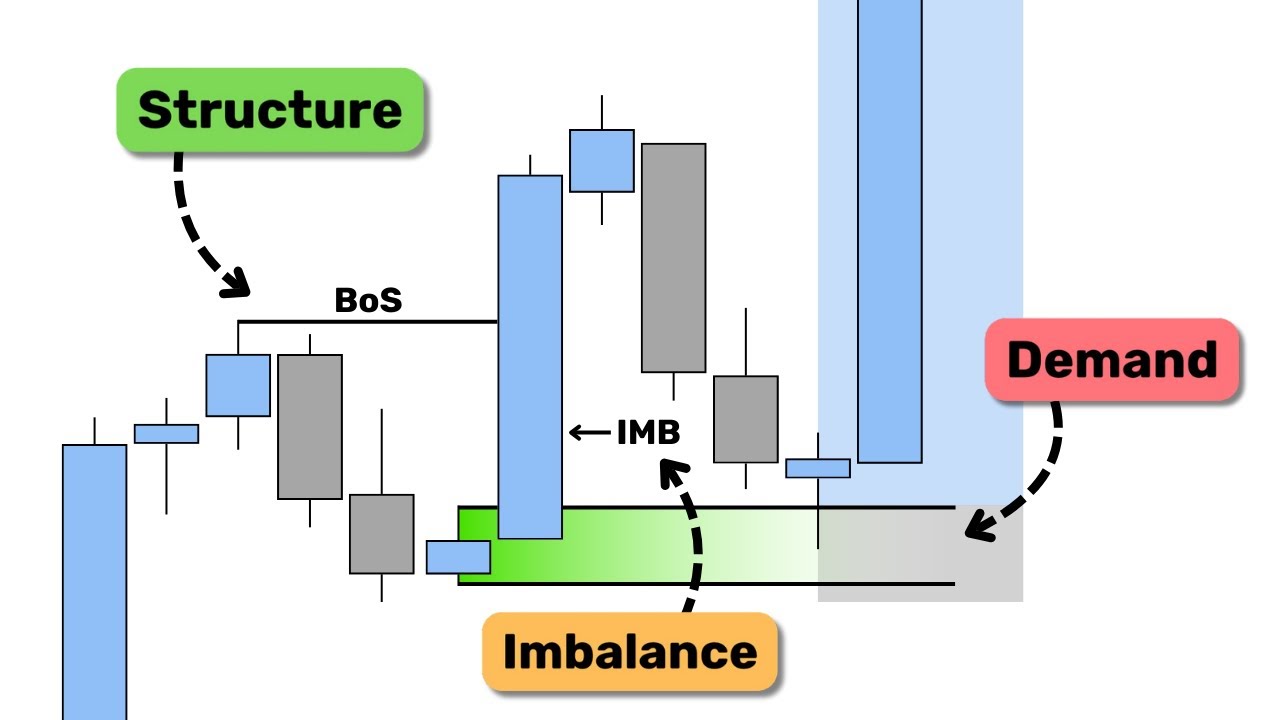
time where I'm losing or not trading as well um you kind of like have a subconscious feeling maybe something changes like you trade at a certain Different point in time um sometimes you need a string of losses to like find a way to improve um as well I look at it as you have counter Behavior so the movement of individual candles throughout the life cycle of a candle how does a candle move when the previous one has closed is bullish um which is more kind of micro in that this time frame then you have macro
which is Market structure so price action can be broken down into two Things C of behavior and Market structure and this is on every time frame um so it's very complicated lots of little details um but I'm always looking at Candle behavior of the micro individual candles on a time frame and the macro Market structure of that whole time frame you can always like zoom out um and look at this larger time frame structure where um that's like larger time frame Market structure if I go to week that would be can of Behavior so price
is is always fractal connecting different time frames the whole point of this approach is to align different time frames to stack probabilities and confluences in your favor um SW this 50 type one might look like on low time frame Market structure so you have a you have candle paper here on Market structure it'll look like your type three so you're connecting cter Behavior Market structure using that to connect Different time frames to align them um and this might be a little bit confusing um because I'm trying to explain my intuition a gut feeling um in
intuition is what you can't necessarily put into words so it will be a bit different so ask lots of questions if you're not sure about certain things ask me to clarify as that will also help me out as well but um you have candle behavor Market structure across different time frames uh each time frame can be broken down Into the micro CLE Behavior and the macro Market structure um there's this structure here that's in context of this larger structure here you can look at it through the 4H hour candle time frame of Market structure or
you can look at it through um candle Behavior as a weekly type one you come to the same conclusion so type 1 Clos back bearish pretty strong close here so that'll be looking kind of bearish you're looking kind of bearish maybe you're looking to take a Sell around this um level on the weekly if you're going down to hourly or 4 hourly you'd be kind of looking for like a sell around there which would be around a previous low so CLE behavior in Market structure you're looking at the same thing just to different lenses micro
and macro of each time frame um and always being aware of like it's a move within a move with it's always fractal what happens on the small time frames so what happens on the 1 minute Happens exact same way on the 1 hour the 4 Hour the daily so this is where trading can get really complex because is Direction bullish is it sorry is direction bearish is it bullish well it might be on one time frame um but if might could be bearish on the one minute but in actuality it's an overall High time frame
uptrend so it might be good to take a sell around here not so good to take a sell around there and the tricky thing is That a lot of people get trapped in um this is kind of like when you're taking a sell here it's kind of like reversal counter Trend it's not too sure um if you're looking for a sell you're not too sure about this a lot a lot of new Traders or a lot of Traders retail Traders will get U we be looking for buyers cuz it's pretty clearly an uptrend um but
when you're like looking for sells here you're going to get a pretty good trade but when you're Clearly it's a downtrend now it's clearly a downtrend you're looking for cells you might have entered too late and it could be continuation of the uptrend so you always want to be mindful of or aware of higher time frame structure um and this that move right there could be just a part of a even higher time frame move down so it's really tricky connecting different time frames there's so much complexity there but I'm going to do my best
to try to Explain um my gut feeling so today um in the Discord I posted low time frame bullish High time frame bearish what does that kind of mean um I'll kind of clarify that like so thinking of time frames this point of time um you're on you're on the 4 Hour depending on how far you zoom in or out on the 4 Hour um most of the time you're talking about a week or a couple of days on the 4our chart so don't look at time frames of just 4our candles 4our charts Um look
at them as periods of time I'm not trying to trade a certain move I'm trying to trade the next 10 minutes that's sort of thing you're trading a period of time this is why when I say I exit early when it's ranging or low volume um I don't want to be in in a trade for too long because I'm only trading the next 10 minutes if it doesn't happen if the move doesn't happen how I want it to in the next 10 minutes that's not no longer a part of My Edge so you're not just
looking about where where price action is you're looking about when it is so when are we in the daily candle when are we in the 4-Hour candle um so it makes it a little bit more complex was looking about so where are you in Market structure wise could be your CLE behavior um but when are you in the day so first half creting that daily top Wick to have a bit of shift push um or when are you in the 4our Candle are you in the in the second half or the first half um as
well so I used to think about where I you should just purely look at Price action um and I used to get stopped out a lot and not understanding all the sort of stuff um but that's just because I didn't understand when think so if we just remember the markets are made up of people yes you have like Bots all that sort of stuff but mainly the markets are made out of people uh people are Creatures of habit so so their habits result in patterns in the markets and we trade those patterns um you may
have habits that tend to be in a certain certain periods of the day so I have a major habit of as soon as I wake up I have coffee at a certain period of time um around 11:00 a.m. I'm in a major habit of um trading I've gotten into that point um even might just feel hungry around certain periods of time we are creatures of habit I feel hungry um Um around 11: or 12 then around 3:00 or 4 We're creatures of habit so um that's always time based as well that habit is time based
so you'll see certain patterns play out at the same time this is why we trade the second hour of Asia at the same time every single day um because where or what's happening is time Reliant when is it going to happen around that second hour sometimes the third hour um so hopefully that kind of makes a little bit more sense around Like why I'm so like if you want to be consistent you need to be trading the thing at the same time every single day you don't have to be trading the second hour of Asia
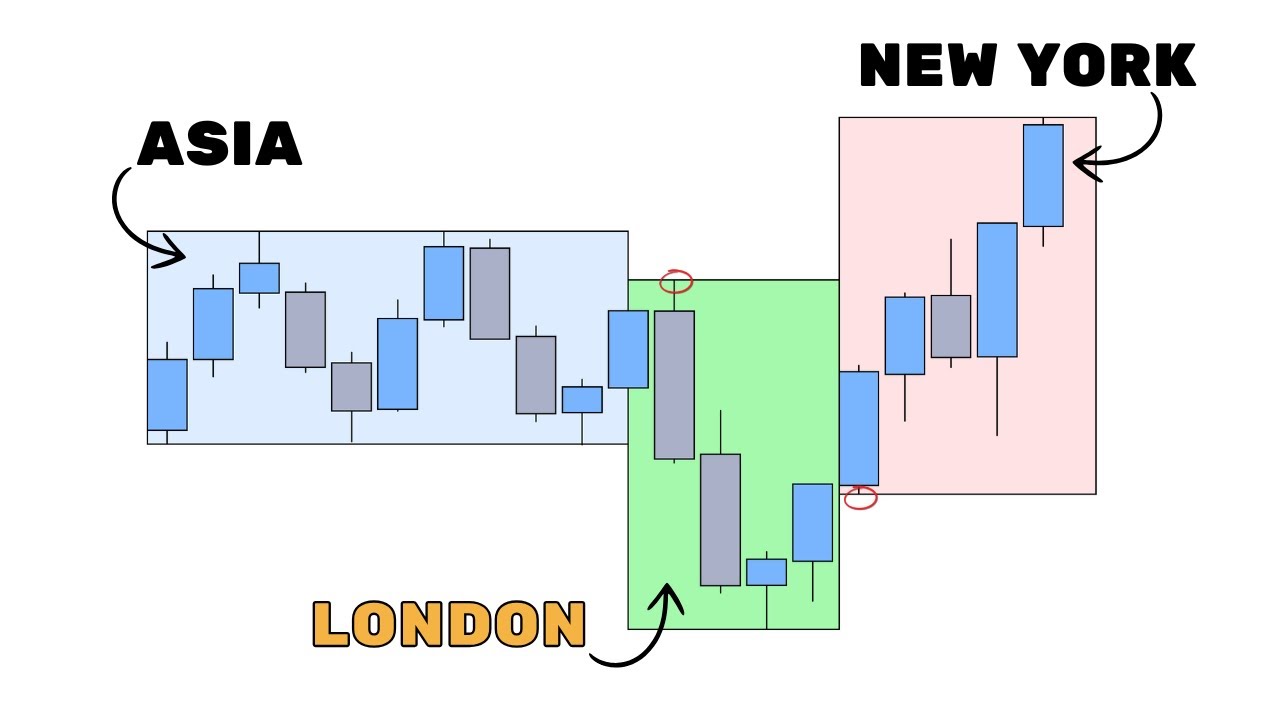
you can trade the third hour of London another point in time it's just important that you stick to one point in time each day maybe on a couple different pairs because you'll start to see certain patterns at certain periods of the day so it's really important um in London you might see big Reversals and swings where like you might just if you're going in a certain direction trending in the first half of the day here um I tend to find around that London open you have a reversal if you have like a really strong Direction
in Asia you're going to have like a strong reversal and correction of that in London so um if you're trying to trade multiple different sessions at different times for really long periods of times that just makes it really hard Remember less is more you trying to be keep it as simple as possible what's the least amount of things you can do to get the best results so you want to be a specialist as well umit of around there but yeah yeah hopefully that kind of maybe makes it a bit clue around it's not just about
where it's about when in the first half of the day um and I kind of go back over I've done this lots of times but how to find when how do you find when how do You build this up like that's kind of tricky it's um let's say you've been extremely bearish here um you have a bearish candle close and maybe you're kind of expecting it to continue bearish maybe High time frame wise it's a downtrend and you kind of like this this is kind of like Market structure wise yeah um and you have a
previous daily close bearish um so CLE Behavior wise you're looking forward to create that Top Wick in the first half of that candle to pull back um and then push in that second half why is that price likes to fill its moves it's always going to be a push and a pull price likes to fill it moves around 7% of the time always think of like that elastic band biger the push might snap back like you saw in London today um so always keeping in mind that push and the pull um if you have a
market structure like this maybe this is This is like the same day this is the same day this is one candle this would be like the daily time frame uh whereas this might be I don't know the 30 minute um SL hourly time frame so you're looking at the same thing so don't look at time frames as different try not to look at time frames as different like if you if you think like I'm really good at trading low low time frame but I'm bad at training high in time frame that's just like a either
a limiting belief or You just don't understand how time frames work you're not looking at anything different um the lower time frame you go so let's say I'm looking at the 1 minute vers the 1 hour and I'm looking at um One Candle say use the exact same um thing here um the lower time frame you go the more detail you are seeing um you're turning up the high definition you're getting you seeing things the same thing just to a different lens so this might Be like 480p so like standard definition then you this might
be like I don't know 1440p lots of detail almost sometimes too much detail if you're not used to it where maybe the daily that's like 240p less detail you're seeing the same thing uh what I mean by that um this might be like you might have like a push in the first half to create like bit of that top quick and then you might have like a pullback here so like structure wise that might look like that maybe you have Some pullbacks in between um in that structure here but that will be simplified into that
one candle where you have um the open the high the low and the close so Market structure CLE Behavior you're always looking at the same thing CLE behavior is just going to be a bit more simplified to be bit easier to find timing in that because in that first half of that candle you're looking for it to create that top Weck if it's a day It's the first 12 hours if it's a 4H hour candle it's the first 2 hours it's not a black and white first half second half it can sometimes be the first
couple of hours maybe the first hour just kind of looking forward to First have that push and then that pull or pull then push as well so yeah the more the lower time frame you go the more detail you're seeing um the high time frame the simpler it is uh so if you're not sure if if price action on a certain Time frame is very uh messy it doesn't really make sense here doesn't really make sense um or it's like too much you would just go down into or go up into high time frame to
clarify some of that where like this is a pretty clear just like break and retest um all that sort of stuff so it looks a bit smoother you're smoothing it it out yeah so if you're like extremely yeah so um I'll TR try to follow what's In front of you you can follow the trend like most time it is a bit easier to generally follow the trend but like where are you in that Trend like if you're ideally you always want to be buying below the open and selling above so if it's like a um
an up like if you're in a bullish Trend like um you're trying to buy below like when it's stretched a bit so if this is like a high time frame candle like closure if it's a new one opening um you Trying to buy like below an open um so if you're like around this area here like in like pullback area or maybe even around here um that's okay to buy like um when you're trying to buy like around here yes you're in an uptrend and it's looking very nice all good um depending how strong the
uptrend is it's never like it's never just a trend or not a trend it's like percentage is it like 0% uptrend 100% uptrend which is kind of rare it could be like 50% like high time Frame downtrend with like really strong low time frame uptrend um always keep in mind that larger time frame structure if you're trying to buy around here when it's overextended I tend to not like those um areas because you said you trading with like high time frame um it's good to like Buy around here or maybe like go into low time
frame but um where you going to place your stop kind of overextended pushing that pull um if it's in the later half if you're around London um and you've pushed up for the first half of that day and yes you're bullish I might look for like a reversal kind of trend but if it's really high bullish Trend i' look for a clear shift first so like just you're trying to stack confluences you're always going to have pros and cons so there's always going to be a reason not to take a trade and there's always going
to be reason to take a trade so this is a bit crude but um think of it like I always talk about Like you have entry models you have type one type two type three you have Direction you find direction from entry models so but you're you're finding direction from areas of interest from cter behavior from Market structure where are you in a day when are you in a day so let's say Give an example here um if that kind of answered like the trend like the second half of the day um but okay way
too many DRS so you had a previous previous day bearish Close so you can like have pros and cons let's see okay so you have like this balance beam here um you had a bearish daily close but High time frame wise you kind of overextended so let's say this is for sell this is for buy this side this is how I find probabilities this is kind of what I'm constantly doing this in my head um to find like probabilities this is how you like kind of get prob probabilistic mindset so had a bearish close this
is for a sell this Is for a buy but we're kind of overe standard so high time frame wise it looks like a sale but um I'm trading the first hour of Asia so looking forward to create that daily topic first so one for buy if I go down to 4H hour we had a 4H hour bullish close we just go down to the next one sorry so you're trading the second hour that's a pretty strong for hour bullish close so another another buy um if you go to hourly um buying kind of at you
kind of overextended at Like a peak you're probably going to get a pull back yeah I can wait for pull back um so maybe like you had you just had a big push I'm not really going to say this like half a confidence but you had a an alley type two another one for by had a 30 minute type two I don't really like that there's no bottom Wick here I do that for sale just purely confidence cut feeling go down to 1 minute pretty clear uptrend here but you kind of in a previous a
of Interest or Low so 1 minute there's an uptrend but you're kind of at an air of Interest or low but you're still looking bullish here so like low time frame bullish High time frame still bearish but I'm trading the next hour next 10 minutes um so the high time frame doesn't really matter even though it's bearish because like you need to go bullish first before you go bearish um then we look at dxy what is dxy looking like here um dxy is okay go to the high time frame this Is looking kind of high
time frame bullish why is that cuz you had a pretty push down you reacted that there but you also kind of broke this low time frame high so if I'm looking for a set buy on gold I want dxy to be bearish so that's one for sale that strong of a Confluence though because um I'm sticking to like low time frame I'm trying to trade the next hour so this how long is this this period of time here so where you make a high break a low kind of break this low Time frame High to
here that's like a week of structure so a week of structure doesn't matter if I'm trading one hour of it so pretty weak Confluence but if we go down to one minute time frame wise um you're in kind of a downtrend you're making low lows and low highs price action is around here you're making low lows and lower highs pretty clear warmate downtrend so that would be one for Buy on gold uh um but I was also pretty mindful of this Here I wanted it to respect these highs if it broke those highs I would
either look for a sell or I wouldn't look for a trade um but what happened you had a pretty strong break of that a pretty strong reaction to that a of interest um and you had a type through shift so I'll give that two extra weight for that buy so what is it looking like that's pretty this pretty uh but a lot more for buy and not as many for sell so probabilities are in my favor to Look for a buy so what did I do I took a buy add an every interest stop below
the low probabilities are in my favor doesn't really matter matter what happens next um whatever happens happens it's like kind of like a brick and R test not the best entry but it's drawing but here it just a buy at this previous level stop was below this 30 minute candle low and open you find that down To 1 minute structure what that looks like is that 1 minute low so you looking at the same thing like this is what I said like yeah C Behavior Market structure is the same thing just through a different lens
the more detail you kind of seeing like how it created that low on 1 minute whereas the 30 minute is just simple um um so hopefully that like makes sense as like a finding a level as well um but yeah this is what you kind of want to think about you're just going To have pros and cons you're trying to stack more in your favor than not and that's how you find like if you just mentally do this every trade um and then you just that accept the probabil is in your favor like the more
I stack the higher probability so this is like maybe a 50 60 70 I'll say 60 70% chance CU you have quite a few sacked um that sort of stuff you can you can even count this like you can count how many have you put on bearish how many have you put On bullish you can Journal it and see how that um how the like the amount of comps stacked affect that but like if I just get up the journal you have each of these can be a block it depends how do you how do
you like want want to wait the block though um cuz so like this is two times the weight this is one times the weight um I might give more weight to dxy because I found it has a bigger likelihood of increasing my win rate more um it's more Important as a Confluence I give more weight to that Confluence so you always have this balancing beam in your head to stack probabilities in your favor this is like when we talk about a probabilistic mindset I'm taking a trade that I think has like a 60% win rate
70% win rate depending on how much I stack if you stack whole board let's say you have everything align um likely to have a pretty high win rate these are going to be kind of Like rarer so nice little thing to think about uh that's kind of like what I'm visualizing hopefully that kind of helps clarify that um but yeah so like I'm always thinking about trading in The Next Period of time um like Direction it's not like low time frame directions bullish or High time frame directions bearish it's the next hour or two i'
say the next hour or two yeah is is bullish and then the rest of the day is looking bearish that's kind of what I think About like low time frame High time frame it's a period of time not just a time frame you're not thinking about like this structure as what it is you're thinking about it as what this move is like 2 hours um and then you can like find what you're good at I'm really good at trading the next 10 minutes to the next hour anything more than that I'm not that good at
and then you start to give weight to different time frames I found whenever I'm overly Focused on um trading with the daily time frame so like this daily was a pretty like it was a close bearish here um and I was looking for sales in the first half of the or for in Asia session when I was looking for sales because like daily clo bearish so high time frame is bearish like this is all like very clearly bearish I'm and and I'm looking for sales which so I'm trading with high time frame but I keep
taking losses it Keeps going bullish when I'm looking for sales why is that it's cuz when are you you're in that first half of that day it's likely to create a a pullback first to then have a push so being really mindful of when you are um it's not just that like you're trying trade with high time frame that high time frame has to be like within that period of time or you have to have a really big stop loss so um this is why like trading the one minute with the daily is Relatively different
difficult to get it to a line you have to be very patient um this is why I can trade against that daily High time frame like bearish by like using it to look for a pullback stacking that um so hopefully that kind of like clarifies that cuz it's like it's it's difficult to connect time frames um CU this might look bearish you might take a cell and then you might have this move here um and you're not sure what you Went wrong it's about that timing it's wrong period of time um okay yeah push and
pull of price using that those probabilities that bance scale in your head um you just want more to be in your favorite than not you don't have to put a number or overly do it just in general that's how kind of intuition that g feeling works um Brett steamer talks about this um you have like this thing called like biomarket feedback you have a gut Feeling um you they feeling bearish you feeling bullish um don't disregard that if you have like a feeling um I feeling low time frame bullish High time frame bursh then look
at Price action to think why that might be um and then stack confidences with that if it aligns with that gut feeling as well like use your gut feeling as a Confluence as well that makes sense so and most of the time I find my Intuition is right more often than my analysis sometimes I have a gut feeling in a certain direction then I overanalyze go in the opposite direction and then I lose I should have trusted my gut feeling if when that happens more than not my intuition is right so look for you can
trade based off fear you can trade based off I wouldn't say hope Hope's a bit tricky but you can trade based on fear you can exit winning trades early if you're getting fearful Um but that's the skill so you can exit winning trades early based off fear if that fear is based in reality it could be an air of interest um that it's kind of testing it's not really pushing through it could be that volumes decreasing you're not getting that push through or how much you expected or it could be that dxy is just not
looking um how you wanted it to look and it's all about like understanding where and when you are in that move um like think of We're trading like type threes again and again and again um the reason so much drawing the reason the reason why my take profit was a bit higher um was meaning because the range was like it was bigger move down as well so think as elastic band um the bigger the push the bigger the pull but also um you had the dxy you were entering off a break of a low like
around here off this dxy like a strong reaction here so if you're thinking that a Type 3 is happening In this period of time here you're going to have a pull back and hopefully a push of that so you can hold a bit longer for the completion of this move um on gold as well


![How I Beat the Mental Game of Trading [After 5 Years of Failure]](https://img.youtube.com/vi/4gaaGDldQwY/maxresdefault.jpg)