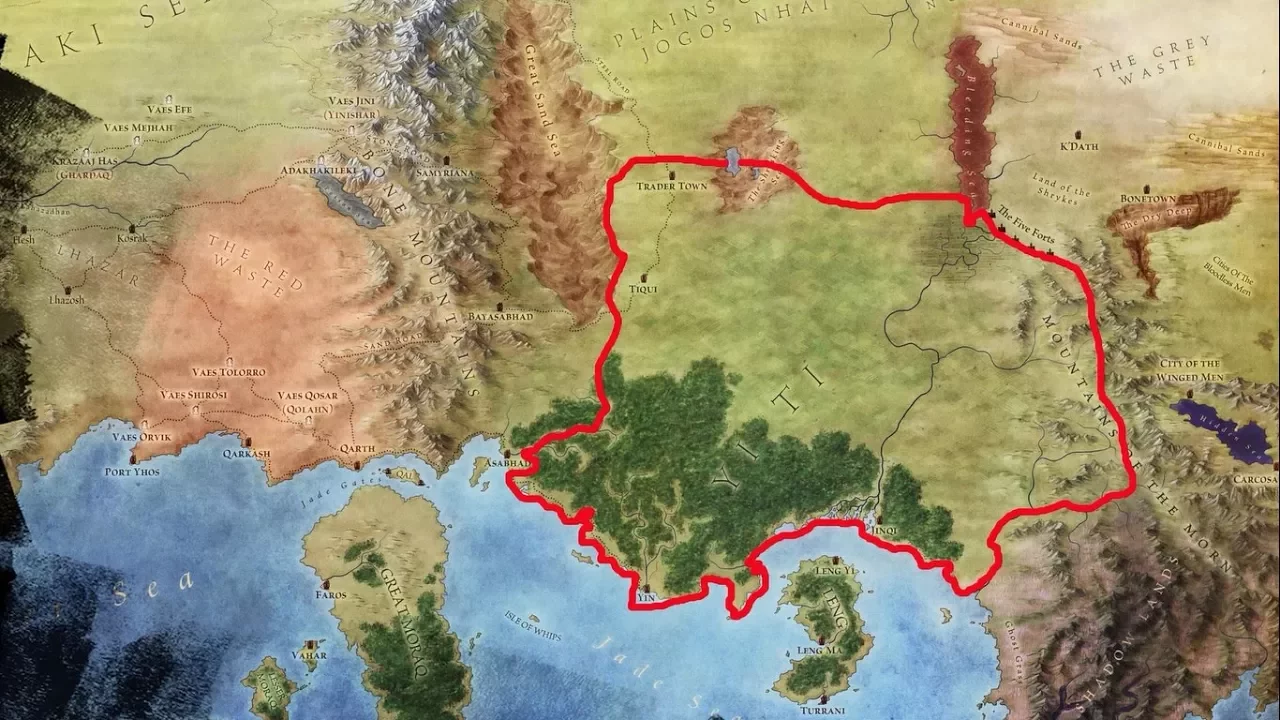
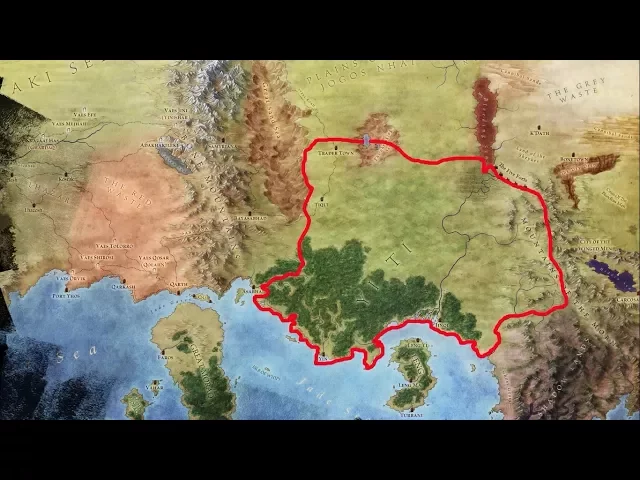
Maesters have no doubt that the YiTish civilization is ancient, maybe even contemporary with the realms of the Fisher Queens, that is said to have covered the lands adjoining the Silver Sea in what today is the Dothraki Sea, whereas the YiTish priests insist that mankind's first towns and cities arose along the shores of the Jade Sea, dismissing the rival claims of the Sarnori and Ghiscari as the boasts of savages and children. The land of Yi Ti has thick, green patchwork farmland and a verdant rainforest and rumors have it that basilisks, venomous reptiles, roam the jungles of Yi Ti. Known cities in Yi Ti include Yin, the first capital of the Golden Empire, Jinqi, the fourth capital, and Tiqui, the many-towered city in the western hills further to the north near the Great Sand Sea that at some point became the third capital of the empire.
The second capital of the Golden Empire, called Si Qo the Glorious, built in the heart of the jungle is long fallen and overgrown and its glory lives now only in legend. The city of Asabhad is located at the western boundary of Yi Ti near the Bone Mountains and the Jade Gates, a narrow strait which connects the Summer Sea and the Jade Sea. There is a known trade route from Asabhad to Yin along the coast of the Jade Sea.
One of the major YiTish exports is saffron, and Yi Ti is also known for its wine. It has also been reported, that men from Yi Ti are bright-eyed and wear monkey-tail hats. Famous traveler Lomas Longstrider once called Yi Ti "the land of a thousand gods and a hundred princes, ruled by one god-emperor,” and it truly was like that back in the days, but much has changed since then, as there are three claimants for the god-emperors throne now, and yet none of them wields true power, and though many keep the worship of the seventeenth azure emperor in Yin, named Bu Gai, his power extends no farther than the walls of his own city, which is gigantic though, taking in notion that only his palace alone is larger than all King’s Landing.
And well beyond the Golden Empire proper, in the city Carcosa an exile sorcerer lord awaits, gathering his power, as he claims to be the sixty-ninth yellow emperor, from a dynasty fallen long ago. And then there is a general Pol Qo, Hammer of the Jogos Nhai, who has given himself imperial honors, naming himself the first of the orange emperors, and named Trader Town as his capital. The true power lies on the hundred princes though, as well as the brigands, priest-kings, sorcerers, warlords, generals and tax collectors throughout the realm.
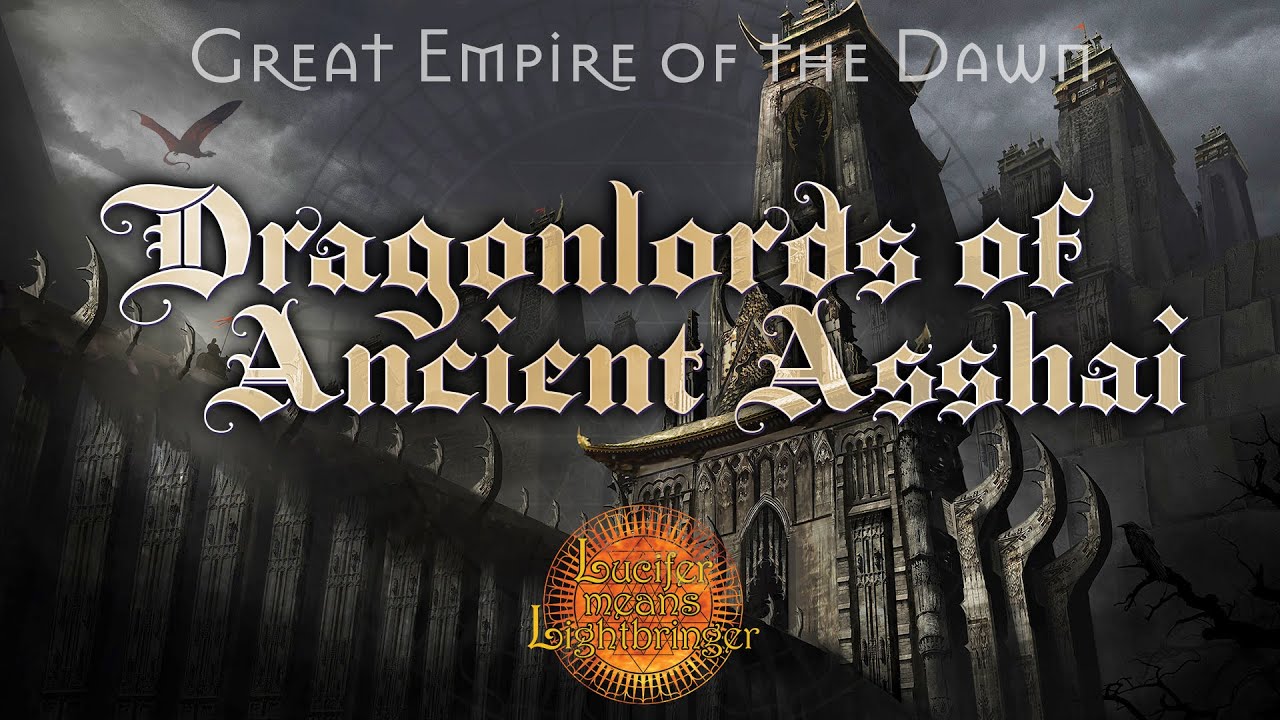
According to tradition, only the god-emperor may don the gowns of cloth-of-gold, green pearls and jade that tradition allows the emperor to wear, so all three claimants follow that tradition as it was developed in the Great Empire of the Dawn, a predecessor to the Golden Empire of Yi Ti, a mythic realm said to have spread on all the land between the Bones and the Grey Waste, from the Shivering Sea to the Jade Sea and including the isle of Leng. The tale of Yi Ti is the tale of hundreds of emperors and myriad wars and conquests and rebellions. Golden Empire has known golden ages and dark ages changing one into other, and has survived weather conditions that swallowed entire cities, yet it still stands.
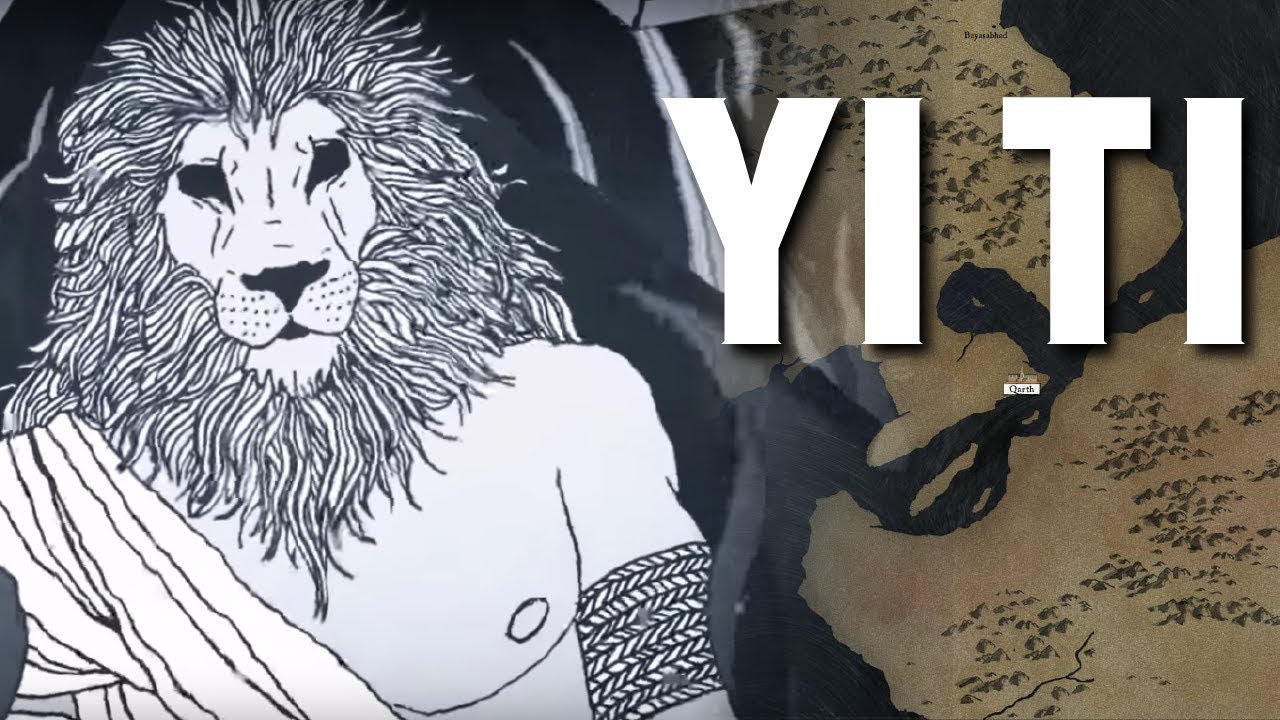
According to legend, the Golden Empire's first ruler was the God-on-Earth, the only son of the Lion of Night and the Maiden-Made-of-Light, who traveled in a palanquin carved from a single pearl and carried by a hundred queens, his wives. He ruled for ten thousand years until he ascended to the stars to join his ancestors. Dominion then passed to his eldest son, the Pearl Emperor, who ruled for a thousand years.
Power then passed to the Jade Emperor, the Tourmaline Emperor, the Onyx Emperor, the Topaz Emperor, and the Opal Emperor. Each reigning for a shorter and more troubled time than the previous emperor, for wild men and beasts pressed the borders of the Empire, lesser kings grew proud and rebellious, and the common people gave themselves to sin. Opal Emperor was the seventh ruler of a line that began with the God-on-Earth, and he was succeeded by his daughter, the Amethyst Empress, but her younger brother, envious, cast her down and slew her, taking the crown and proclaiming himself the Bloodstone Emperor.
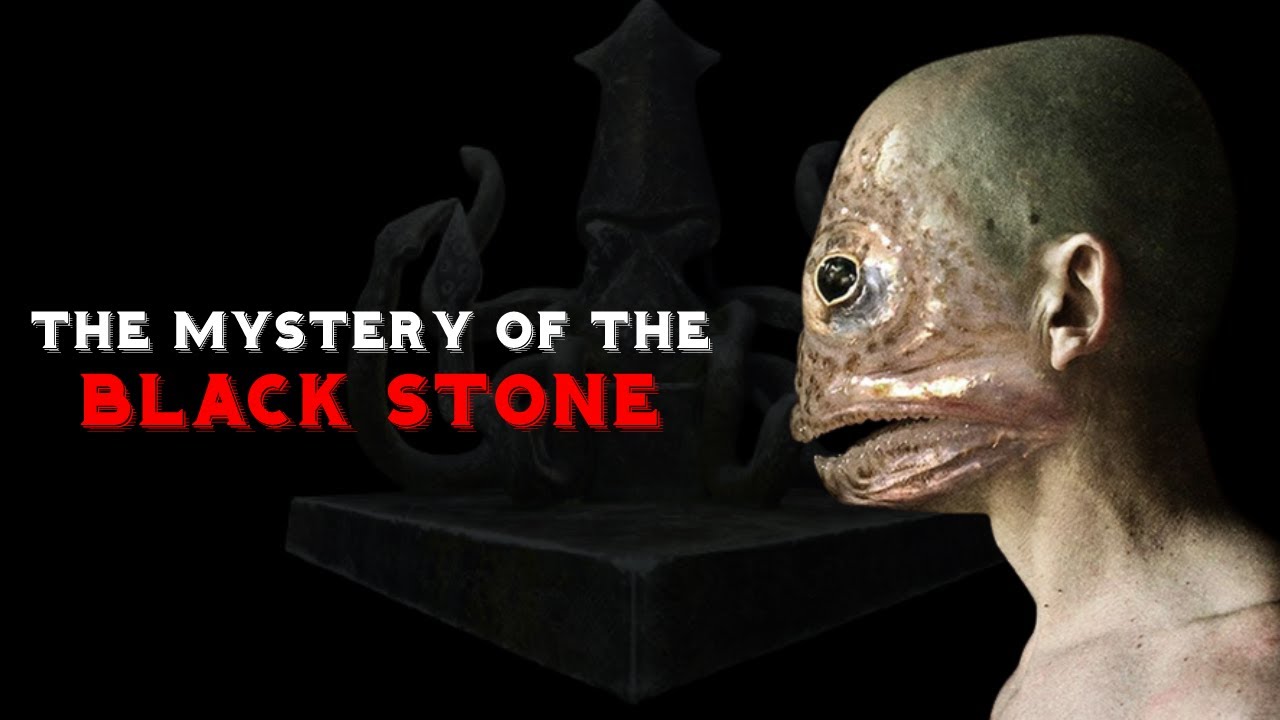
He turned his back on the gods of Yi Ti and began worshiping a black stone that had fallen from the skies, took a tiger-woman as wife, feasted on human flesh, practiced necromancy and enslaved his own people. This Blood Betrayal, as it is known in the annals of the Further East, ushered in the Long Night. The Maiden-Made-of-Light turned her back upon the world and the Lion of Night came forth in all his fury to punish the wickedness of man.
Some believe that the Bloodstone Emperor was the first High Priest of the Church of Starry Wisdom, a sinister religion that persists in many port cities throughout the known world. During the Long Night the sun hid its face for a lifetime, ashamed at something none could discover. The darkness ended when a great warrior rose to lead the virtuous into battle with the sword Lightbringer in his hand.
Light was restored, but the Great Empire was not reborn for the restored world was a broken place where every tribe of men went its own way, fearful of all the others, and war, lust, and murder had endured. The Five Forts, massive fortresses along the northeastern boundaries of the Golden Empire of Yi Ti, which predate the Empire itself, are claimed by some to have been raised by the first, Pearl Emperor to keep the Lion of Night, his assumed grandfather and his demons away from the realms of men. The forts' walls are slabs of fused black stone almost a thousand feet high.
Some think the walls are Valyrian in origin, although there is no record of Valyrians having visited the area and they even predate the rise of the Freehold. Each fort can house up to ten thousand men. They currently guard the Golden Empire from raiders out of the Grey Waste.
Since the end of the Long Night and the centuries of chaos that followed, eleven dynasties have ruled over the lands of Yi Ti. Some of those dynasties lasted no more than a half century, and the longest kept their supremacy for seven hundred years. On four occasions, the end of a dynasty was followed by a period of anarchy, and longest of these periods lasted more than a century.
A few of the more fabled of the god-emperors of Yi Ti were: HAR LOI, the first of the grey emperors of Yi Ti. His throne was said to be a saddle, for he spent his entire reign at war, riding from one battle to another. Choq Choq, the fifteenth and last member of indigo dynasty.
A humpback who kept hundred wives and a thousand concubines and sired daughters beyond count, but was never able to produce a son. Mengo Quen, known as the Glittering God, the third member of jade-green dynasty. He earned his moniker because he ruled from a palace where the floors, walls, and columns were covered in gold leaf, and all furnishings were made of gold, even the chamber pots.
Lo Tho, called Lo Longspoon and Lo the Terrible, the twenty-second ruler of scarlet dynasty. He was a reputed sorcerer and cannibal, said to have supped upon the living brains of his enemies with a long, pearl-handled spoon, after the tops of their skulls had been removed, earning his monikers. Lo Doq, called Lo Lackwit, the thirty-fourth ruler of scarlet dynasty.
He was a simpleton cursed with an affliction that caused him to jerk and stagger when he walked, and drool when he tried to speak. Nonetheless he ruled wisely for more than thirty years. There are those, however, that suggest the true ruler was his formidable wife, Empress Bathi Ma Lo.
The Nine Eunuchs, also known as the Eunuch Emperors, were members of the dynasty of the pearl-white emperors. They gave the Golden Empire of Yi Ti 130 years of peace and prosperity. One of their contributions to the empire was a great web of stone roads without equal in all the world, save for the dragonroads of the Valyrians.
As young men and princes, they lived like other men, taking wives and concubines and siring heirs, but upon their ascent to the throne each surrendered his manhood root and stem, so he might devote himself entirely to the empire. Jar Har was a God-Emperor of the Golden Empire of Yi Ti and the sixth member of his dynasty. Under his rule, the Golden Empire began to seize heights of its power with the conquest of Leng.
He had at least two sons: Jar Joq who took Great Morag, and Jar Han, who exacted tribute from Asshai, Qarth, Old Ghis, and other distant lands, and also traded with Valyria. Chai Duq was the fourth member of yellow dynasty. He took to wife a noblewoman of Valyria and kept a dragon at his court.
Yi Ti is a vast Empire, and if Lomas Longstrider can be believed, none of the cities of the west can compare to those of Yi Ti. Lomas wrote that even their ruins put western cities to shame… and ruins are everywhere in Yi Ti and that beneath every YiTish city, three older cities lie buried. In ancient days, the god-emperors of Yi Ti were as powerful as any ruler on earth, with wealth that exceeded even that of Valyria at its height and armies of almost unimaginable size.
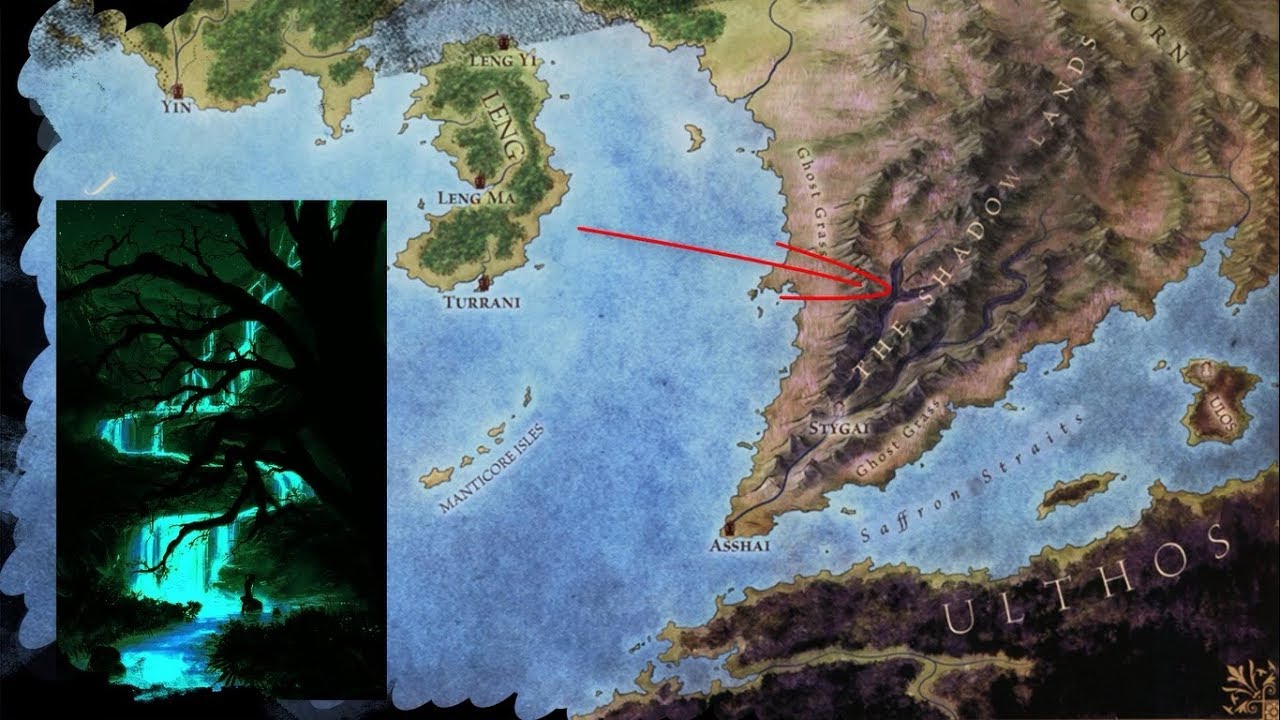
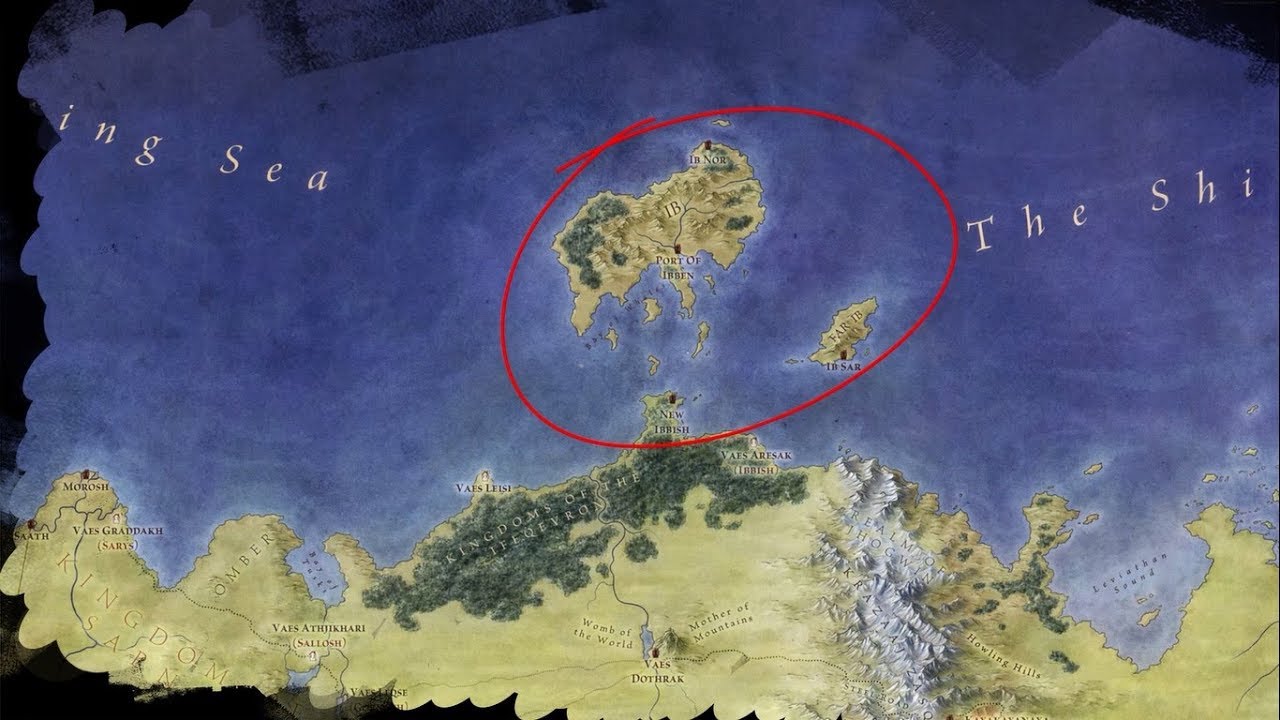
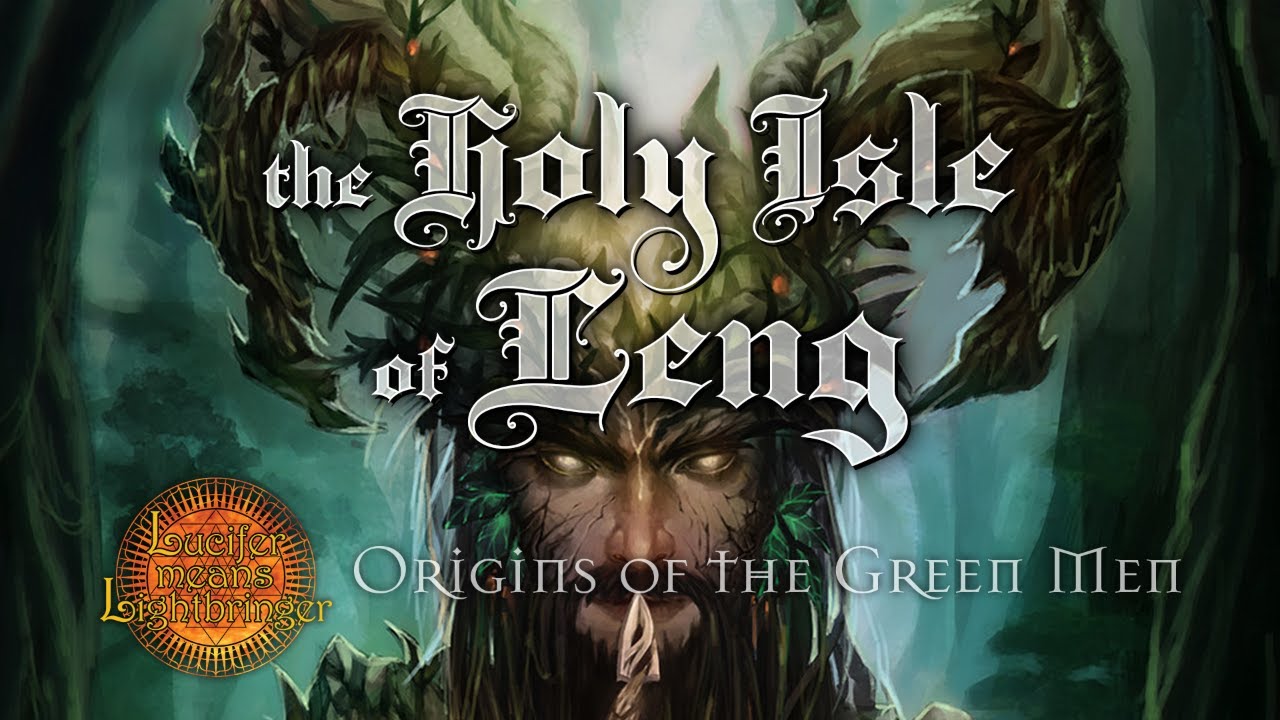
If Yi Ti becomes united once more, who knows where their armies might be sent. Leng is an island of forests and jungles, with the cities of Leng Yi along the northern coast, Leng Ma along the central western coast, and Turrani along the southern shore. Island is ruled by god-empresses who have grown rich from the island's spices and gemstones.
The people of northern Leng are descended from Yi Ti, while the people of southern Leng, the Lengii, are a culture native to the island. They are the tallest known race of mankind, and some have been known to reach seven or even eight feet in height. The Lengii are a slender people known for their beauty and having skin the color of oiled teak.
They have large eyes golden in color which may grant them superior vision over other races. Leng was an isolated island for most of its history, as the Lengii did not welcome outsiders. Those who attempted to harvest the island's resources met a foul end, and it thus was avoided by mariners.
Merchants from the Golden Empire of Yi Ti periodically managed to open Leng to trade. The jungles of the island contain odd, overgrown ruins of unknown origin, which lead to massive underground labyrinths and caverns and according to some sources, the Old Ones who lived below the island's subterranean ruins instructed the Empress of Leng to kill the foreign merchants on at least four occasions. Leng was eventually conquered by Jar Har, the sixth sea-green emperor of Yi Ti, he sent warriors into the ruins, but they either returned mad or vanished altogether, so the emperor ordered the ruins' entrances to be sealed under penalty of death, after which there were no longer massacres.
The Old Ones still dwell underground, according to legend. The YiTish colonized most of the island, with the Lengii confined to the southern third. Leng overthrew YiTish rule four hundred years ago and power returned to the god-empresses.
Khiara the Great, the first god-empress of the current ruling dynasty, pure Lengii, established a tradition whereby the empress takes two husbands, one each of Lengii and YiTish descent, with one commanding the island's armies and the other its fleet. Thank You for watching! See Ya!




![Valyria and Nations It Either Conquered or Destroyed [Rearrangement]](https://img.youtube.com/vi/41dvdXZEMUQ/maxresdefault.jpg)