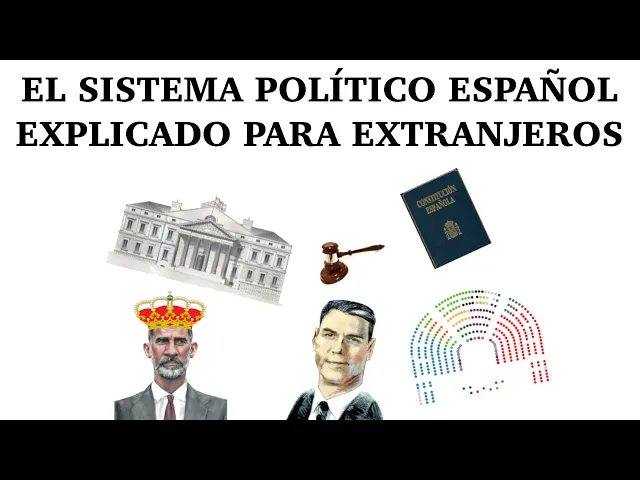
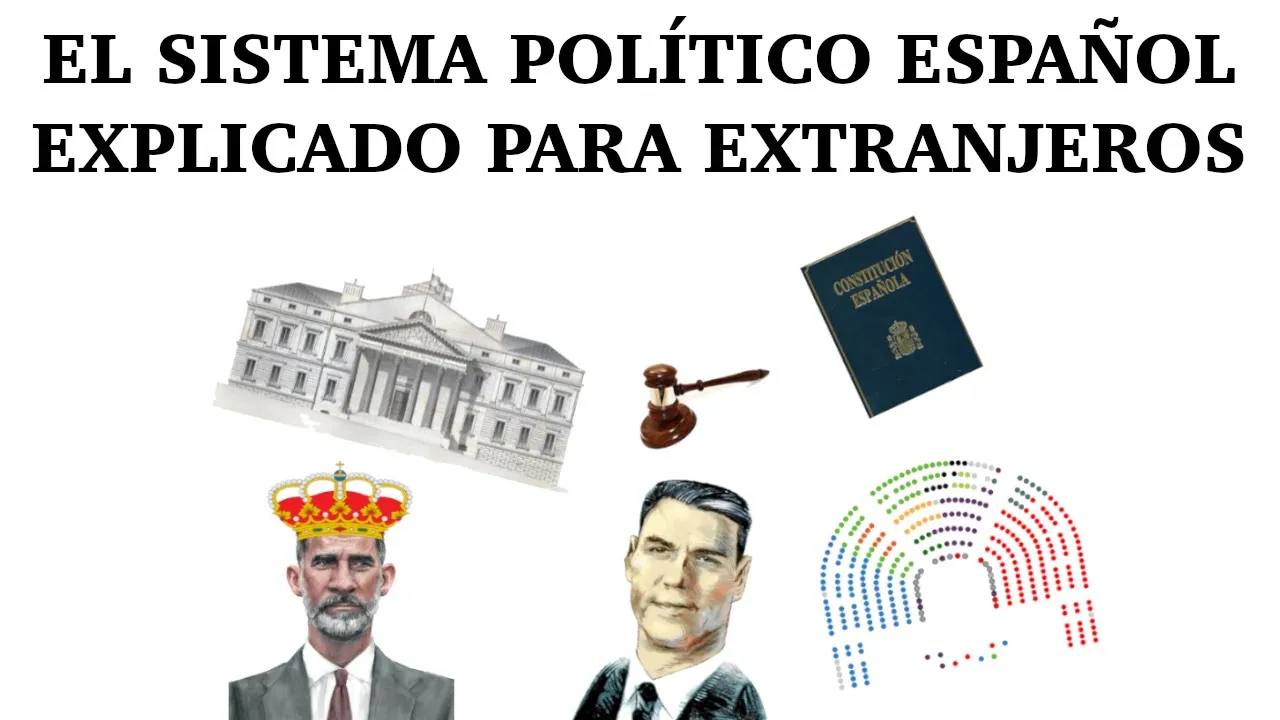
Who's in charge of Spain? Well, it's the King, right? Or is it this man?
Or the people sitting in this chamber? All are met with the same answer: Yes. .
. and no. For you foreigners coming to live in Spain Today I'm going to give a simple and summarised explanation of how the political system works here in Spain.
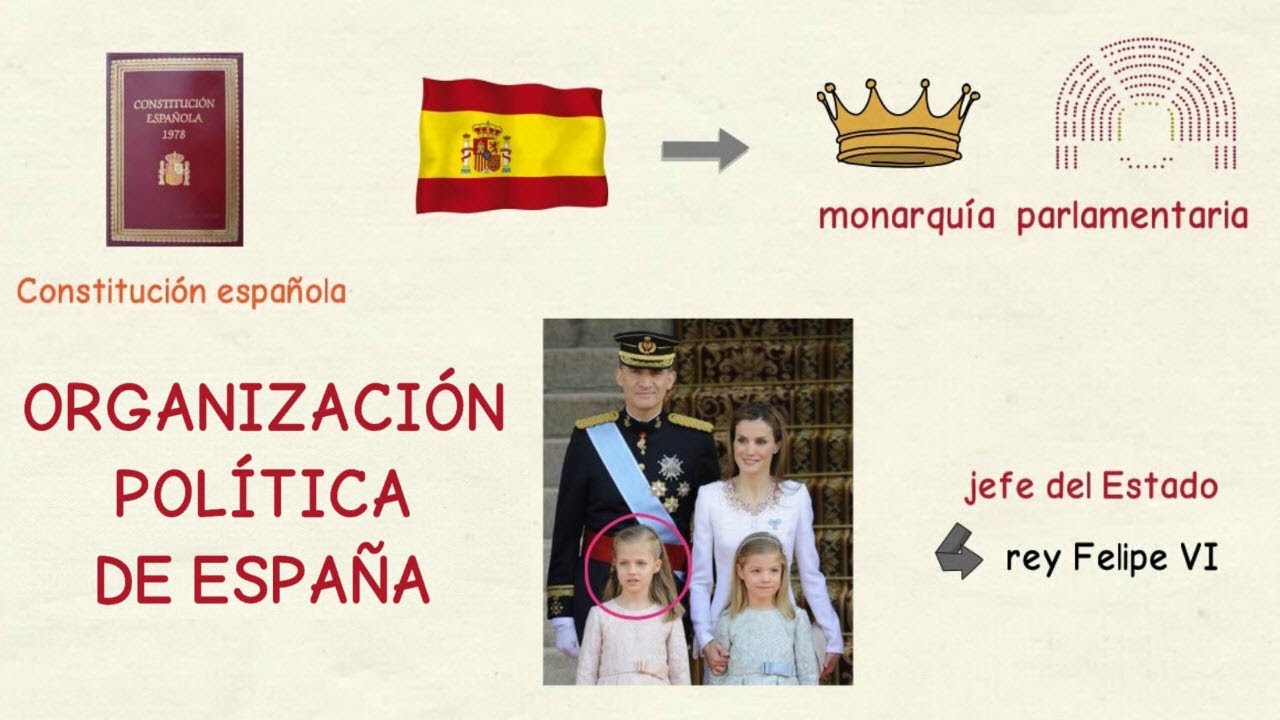
Spain is a parliamentary monarchy, which means that our head of state is a king but the head of the government (the Prime Minister), along with the rest of the MPs and politicians, are elected democratically by the citizens. The current King of Spain, Felipe VI, doesn't really have that much power, acting more as a ceremonial figurehead who symbolises the unity of the country, acts as a moderator during times of political tension and represents us in various official events and state visits to different countries. The real head honcho is the President of the Government (Prime Minister), who, along with the rest of the ministers that form the Government of Spain, hold the "executive power".
They run everything to do with interior and foreign policy, administration, the economy, national defence. . .
and so on. The legislative power is held by the General Courts. The General Courts are split into 2 houses: The lower house is the Congress of Deputies.
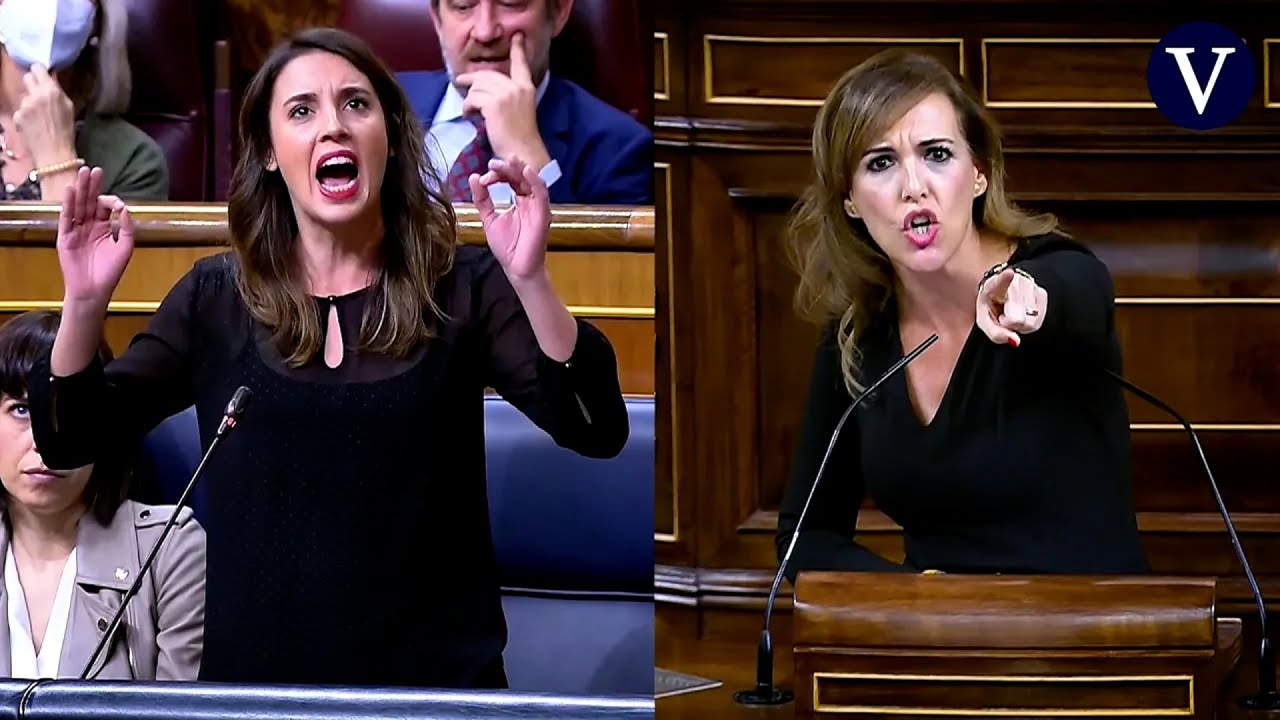
Which to you foreigners might look a lot like the House of Commons in the UK, or the Bundestag in Germany. The Congress is formed by 350 MPs or "deputies" representing various political parties, who are voted in by the Spanish people in general elections every 4 years. It's what you might see on TV when there's an important debate going on about a new bill or simply the usual entertaining bickering between politicians.
Democracy at its finest! Or is it? Then there's the upper house, the Senate, which represents the Spanish territory.
Every province in the mainland chooses 4 senators each, the major islands choose 3 senators each, the minor islands only choose 1 each, and the autonomous cities of Ceuta and Melilla get to select 2 senators each. In addition, some senators are chosen by the regional parliaments of the autonomous communities. Finally, there's the judiciary power, which is held by the judges and magistrates.
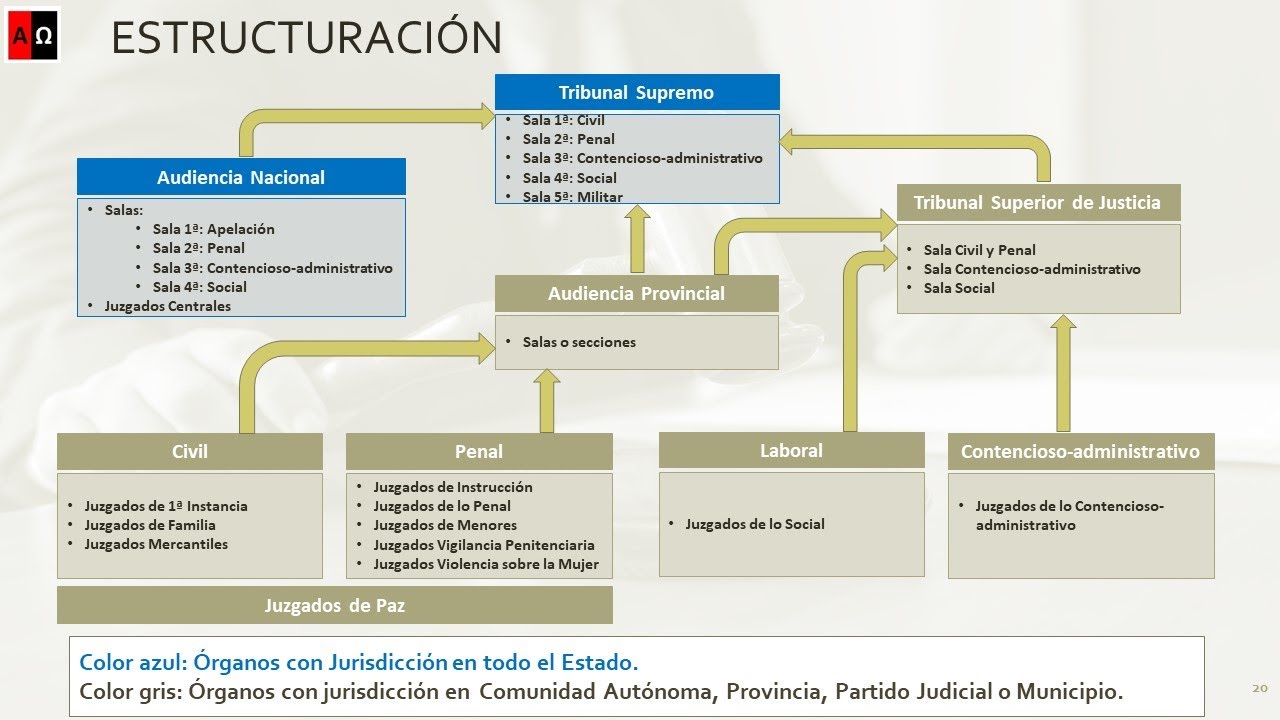
The judiciary is independent from the other two branches (legislative and executive). This means that it doesn't answer to the politicians that are currently in power and can condemn the actions of the Government at any moment if they are considered unconstitutional. On a national level, the two most important tribunals in the country are the Supreme Court and the National Court.
The institution that chooses the judges and magistrates in the Spanish judicial system. . .
is called the General Council of the Judiciary (abbreviated as CGPJ in Spanish). All of this that we've just been over is featured in a particularly special book: Like in most countries, Spain has a Constitution, the most important legal document in the country, which contains all of the basic rules and fundamental laws of the State. And it is this very document that guarantees our democracy and protects the rights and freedoms of the citizens.
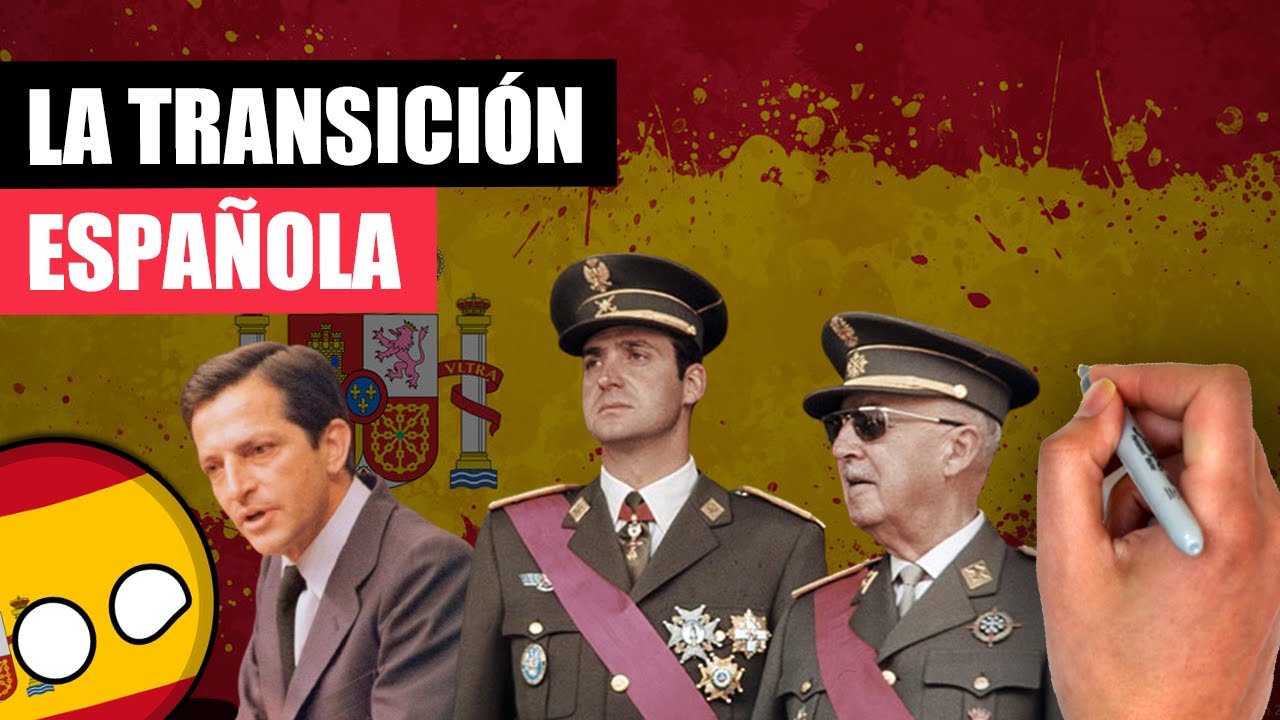
The current constitution is the Constitution of 1978, which was written after the death of dictator Francisco Franco in 1975, and as the last step in Spain's transformation into a democratic nation. It establishes the form of government, the many territorial divisions, the rights and obligations of the citizens. .
. And it touches upon the topics we've seen earlier, like the Crown, the Government, Congress, the judiciary. .
. That, in summary, was an ultra-simplified explanation of the Spanish political system.