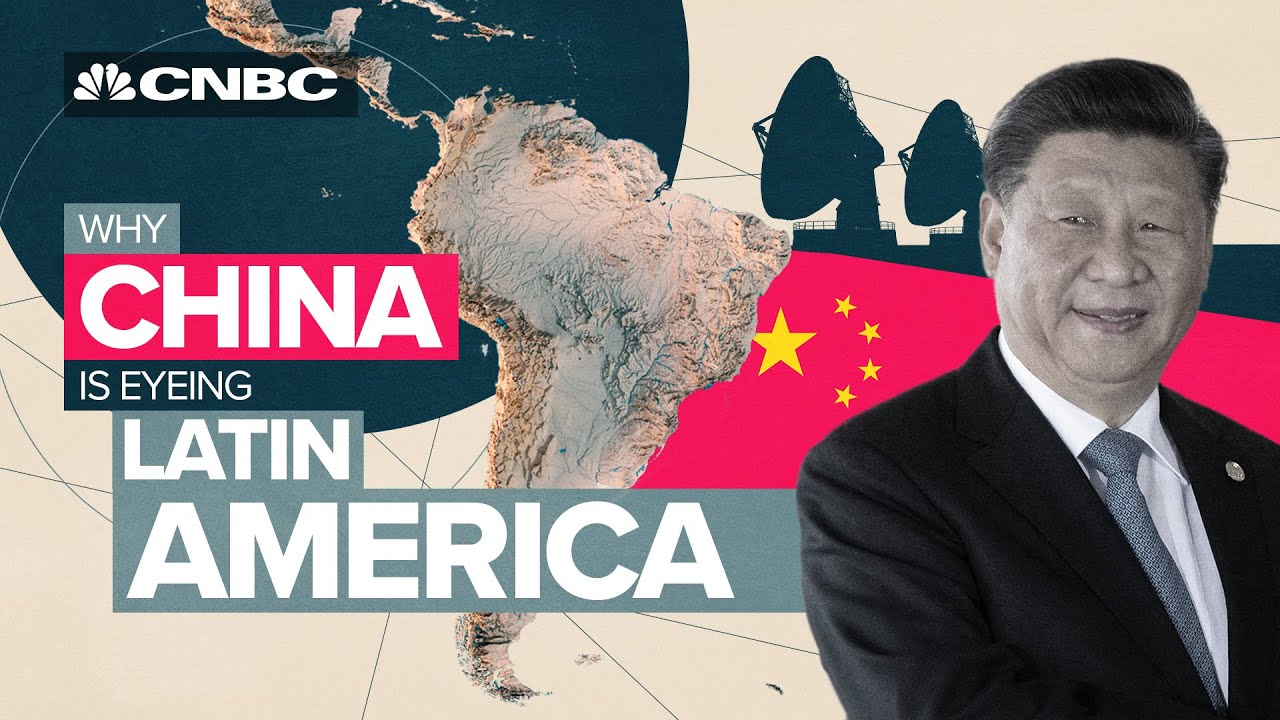
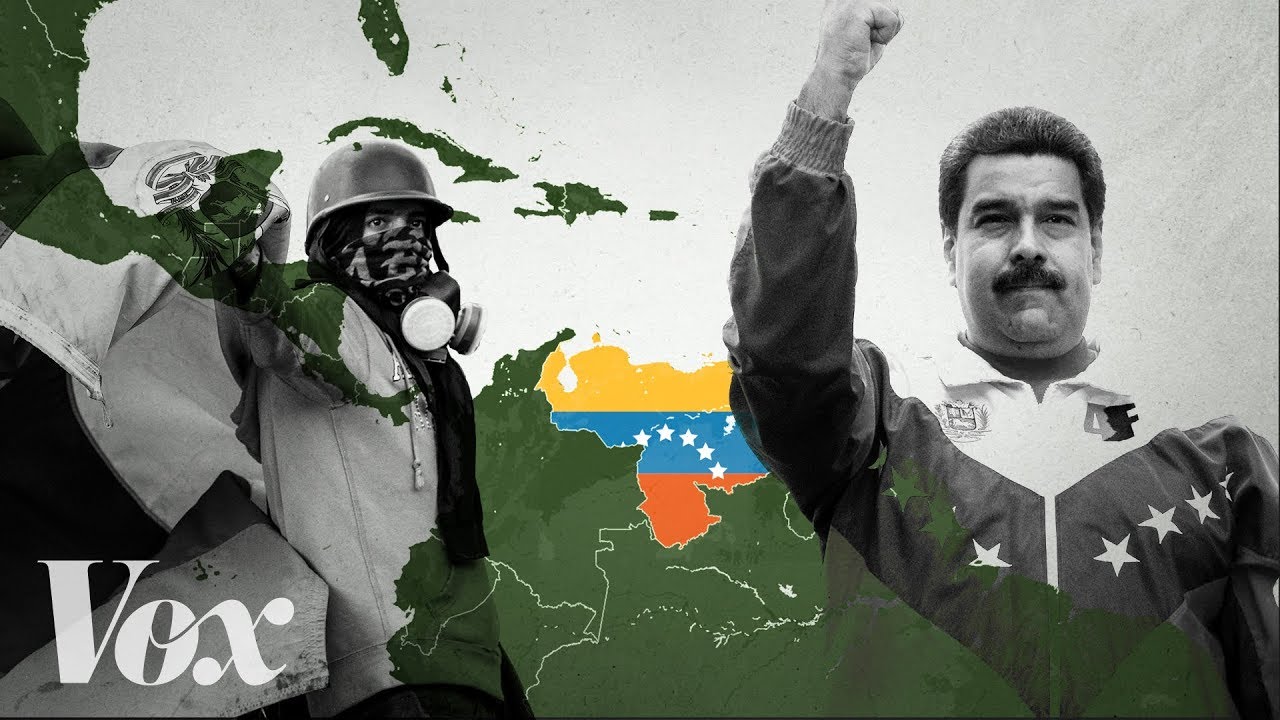
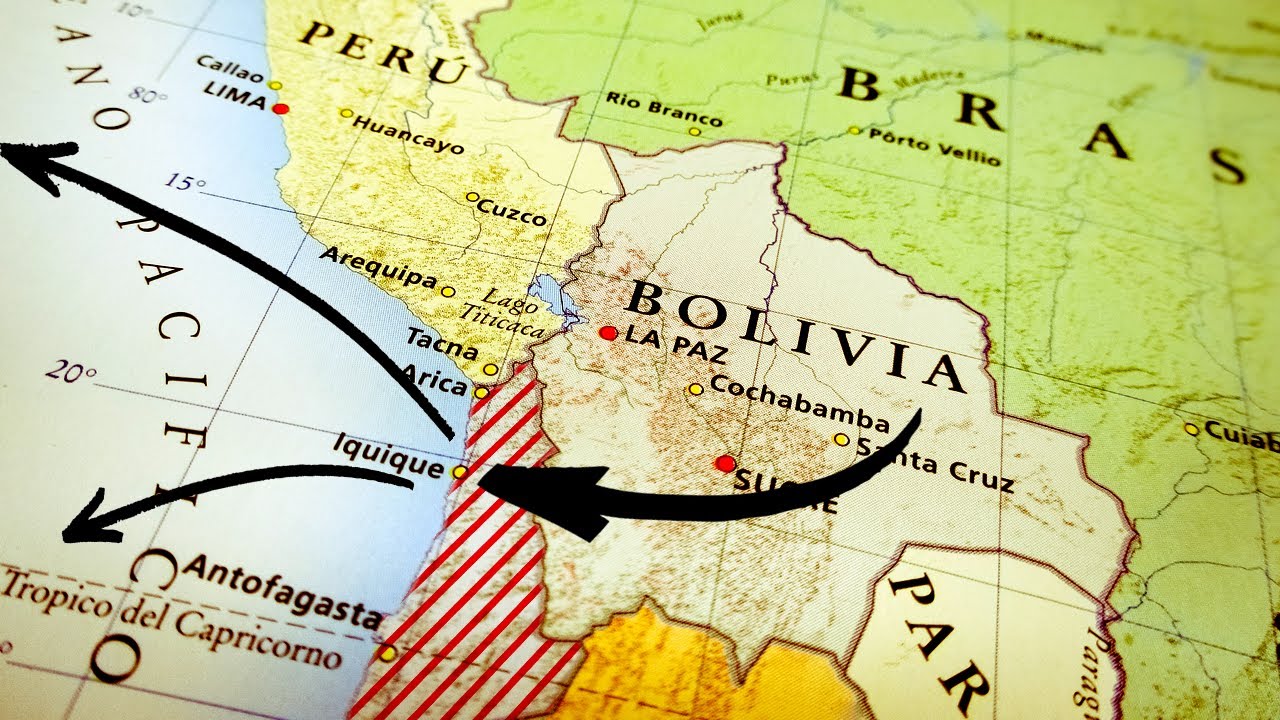
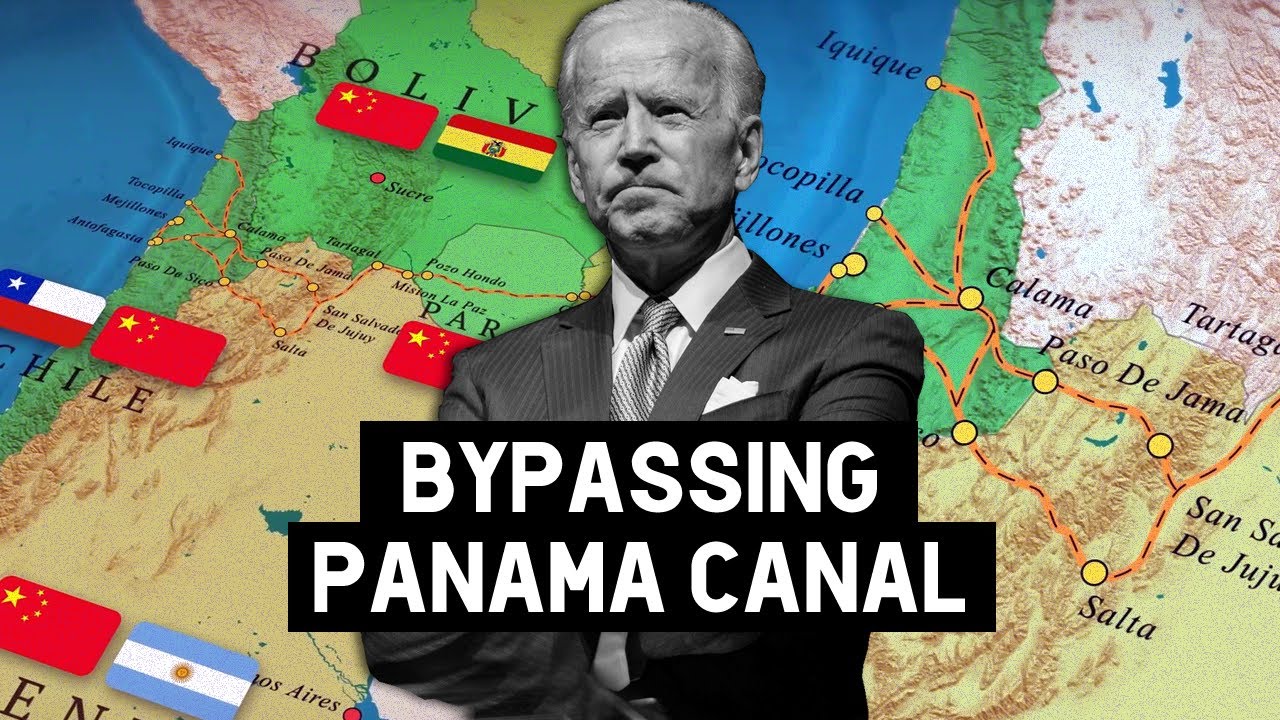
The trade blocks of Latin America are in a moment of transition. Governments relying heavily on state intervention for economic control are beginning to align with Marosur. On the other hand, right-wing governments favoring free trade economic regimes have united under the Pacific Alliance.
The trading regimes reflect the key fundamental disagreements about economic development and political relationships in Latin America. The presidents of Brazil and Argentina met November 29th to discuss their complex bilateral relationship and the expansion of Marosur, a customs union that the two have historically dominated both politically and economically. Venezuela joined the group this summer and the possibility that Ecuador and Bolivia will join as full members will be discussed at a December 7th Merkosaur summit in Brazilia.
The expansion of the customs union gives all countries involved beneficial access to each other's markets and opportunities for mutual investment. But it also poses some serious challenges. Merosur requires its member countries to impose a common external tariff on goods from countries outside Marosur.
For a country like Venezuela, which is heavily reliant on foreign imports, widespread tariffs may mean that it will have to switch providers for a number of goods. And in some cases, it may face a higher import bill. For a country that gets 40% of its imports from the United States, China, and Colombia, this is not a trivial challenge.
But without that common external tariff, the countries already in Maricosur are worried that new members could be used by countries like China as a way to avoid the tariff regime altogether. From a political perspective, bringing Venezuela, Bolivia, and Ecuador under measur institutionalizes the commonalities of the Latin American left. It also represents a significant strengthening of Brazil's influence in the region.
Measaur has historically served as a way for Brazil and Argentina to manage their inherently rivalous geographic positions as major South American powers. With the expansion of Meosur, the political logic behind measur changes. Instead of a tool to manage a bilateral relationship, Meosur appears to be evolving into a multilateral negotiation tool, tying together countries whose economic policies align more closely with the left and centerleft of the political spectrum.
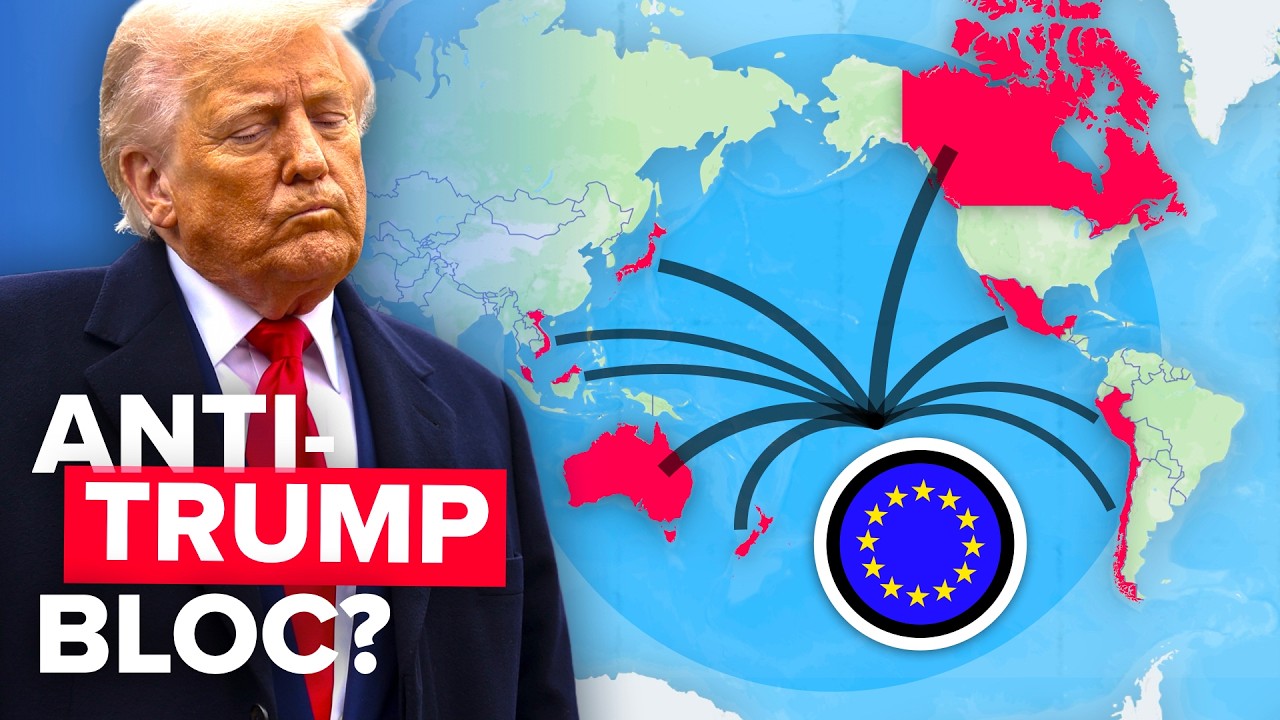
In contrast, the Union of Mexico, Colombia, Peru, and Chile under the Pacific Alliance highlights a commitment to free trade policies by the majority of political elite in those countries. Designed to promote export-oriented investment friendly economies, these countries are betting on trade with Asia and high growth to address social challenges at home. Though all of these countries signaled their commitment to their respective free trade and protectionist policies years ago, the Latin America oriented agreements serve a functional and symbolic purpose.
These commitments bind future governments into relationships by linking economic interests to political agendas. In the process, the deep divide in Latin America that has been emerging for years has begun to take more solid form.