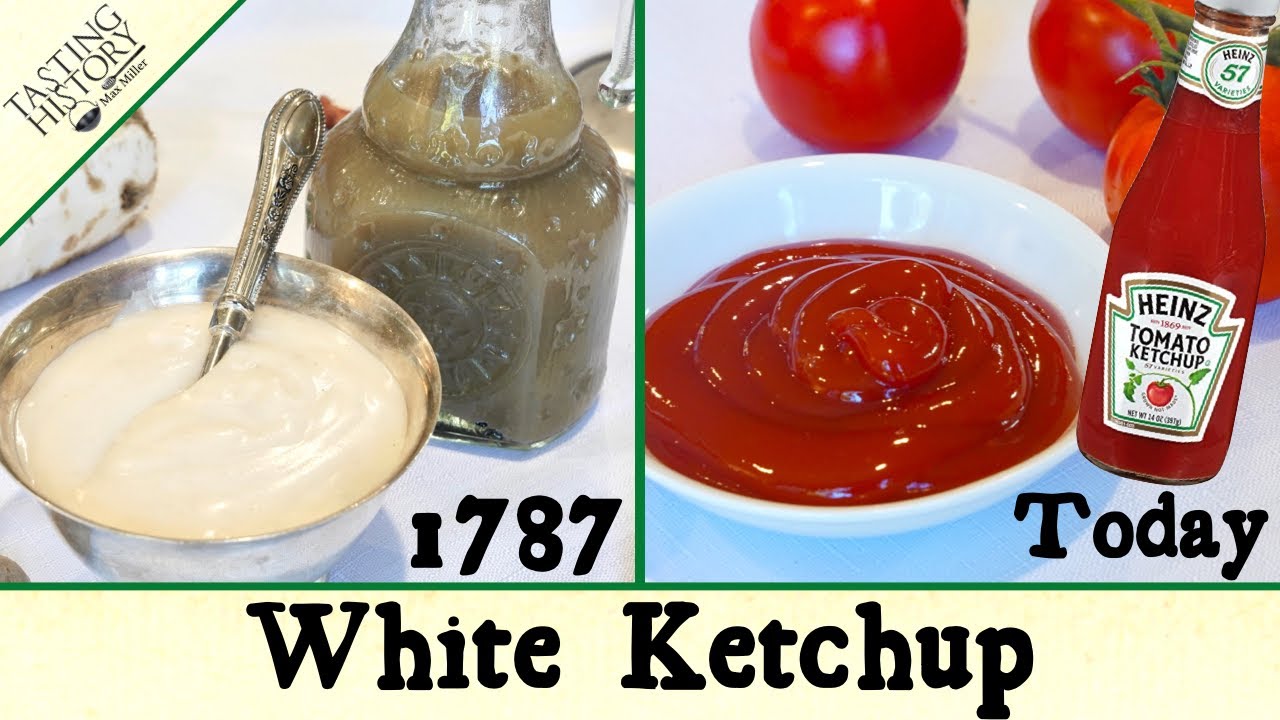
In the mid-18th century, England was crazy for ketchup. The sauce was a staple, and countless cookbooks encouraged adding ketchup to stews, vegetables, and even desserts. If these seem like odd places for ketchup’s tangy tomato flavor, that’s because this ketchup wasn’t the ubiquitous red goop you’re thinking of.
In fact, this sweet and savory brown sauce didn't even have tomatoes in it. So where did this early ketchup come from? And how did it become the dip we know and love today?
To answer these questions, we’ll need to turn to ketchup’s condiment cousin: fish sauce. As early as 300 BCE, Chinese fishermen routinely caught batches of small fish that were too plentiful to eat all at once, but too time consuming to individually preserve. So often, the day’s catch would be salted and stored together.
Over several months, the fish would ferment as their internal enzymes broke down their bodies’ proteins. The result was a rich, salty liquid which would be strained and stored as fish sauce. Chinese fishermen weren’t the only ones to figure out this savory seasoning.
Ancient Greeks, and later the Romans that conquered them, built their entire cuisine around fish sauce’s strong umami flavor. The sauce, which they called garum, traveled with every soldier to the Empire’s front lines. And they constructed dozens of fish sauce factories throughout the Mediterranean, each capable of producing thousands of gallons of garum.
But when the Roman Empire collapsed, so did their condiment business. Most Europeans continued to cook without fish sauce for a thousand years, until the Dutch East India Company arrived in Southeast Asia in the early 1600s. The Dutch and English exploited this region for countless goods, including barrels of their most common local condiment.
This familiar, fishy liquid had many names, including “ke-tsiap” and “koe-cheup. ” But upon arrival in British ports, its title was bastardized into ketchup, thus beginning Europe’s second wave of fish sauce supremacy. European ships supplied ketchup throughout the Western Hemisphere until they were kicked out of Asian trade hubs in the mid-1700s.
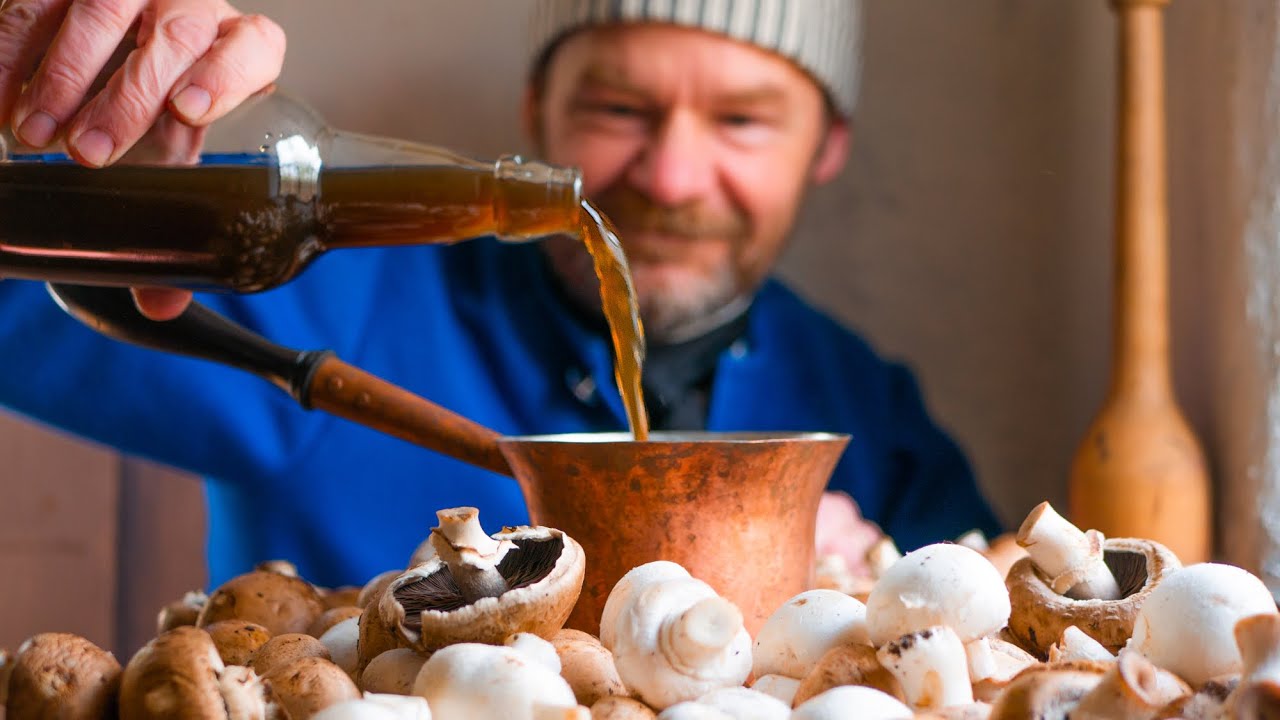
But the public refused to let ketchup go the way of garum. A whole crop of British cookbooks emerged with recipes for knockoff ketchups, containing everything from oysters and anchovies to mushrooms and walnuts. Soon, ketchup became a catch-all name for any brown sauce.
And this great ketchup hunt produced some of England’s most enduring condiments, including Worcestershire, A1, and HP sauce. But it was a chef across the Atlantic who would introduce a new color to the equation. While tomatoes varied in popularity across Europe, American chefs were putting the New World fruit in all kinds of dishes.
And in 1812, Philadelphian physician and food hobbyist James Mease debuted the first tomato-based ketchup— a thin, watery concoction of tomato pulp, spices, raw shallots, and brandy. This was a far-cry from fish sauce, but tomatoes have high levels of glutamate— the same chemical responsible for fish sauce’s rich umami flavor. And Mease’s timing was perfect.
The back half of the 1800s saw a surge in bottled foods, and tomato ketchup was adopted by several burgeoning bottle businesses. By the 1870s, most tomato ketchups had dropped the shallots and brandy for sugar, salt, and sodium benzoate— a questionable preservative found in most bottled foods. But the most important change to this recipe was yet to come.
After a slow start selling pickled vegetables, Henry J. Heinz began selling a wide variety of popular ketchups. And at the turn of the 20th century, his desire to use healthier, natural ingredients led Heinz to swap the sodium benzoate for riper tomatoes and a huge amount of vinegar.
The resulting thick, goopy formula was an instant best seller— despite being much harder to get out of the bottle. Over the 20th century, this salty red sauce covered the globe— pairing perfectly with the ambassadors of American cuisine. Today, 90% of American households have ketchup in their kitchens, and Heinz’s recipe has even become the base for dozens of other sauces and dressings— all descendants of the same fishy family tree.