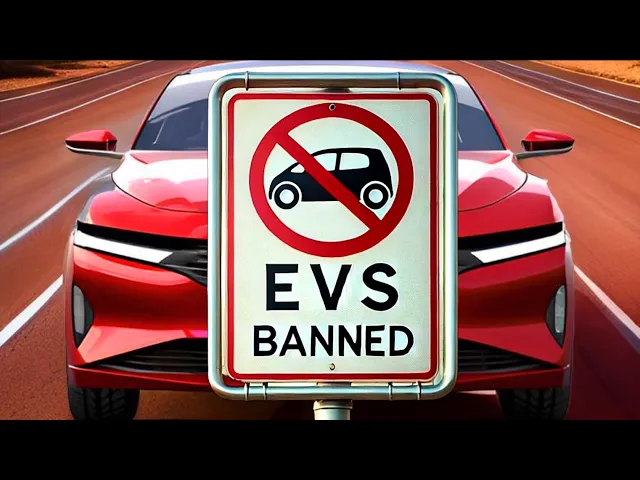
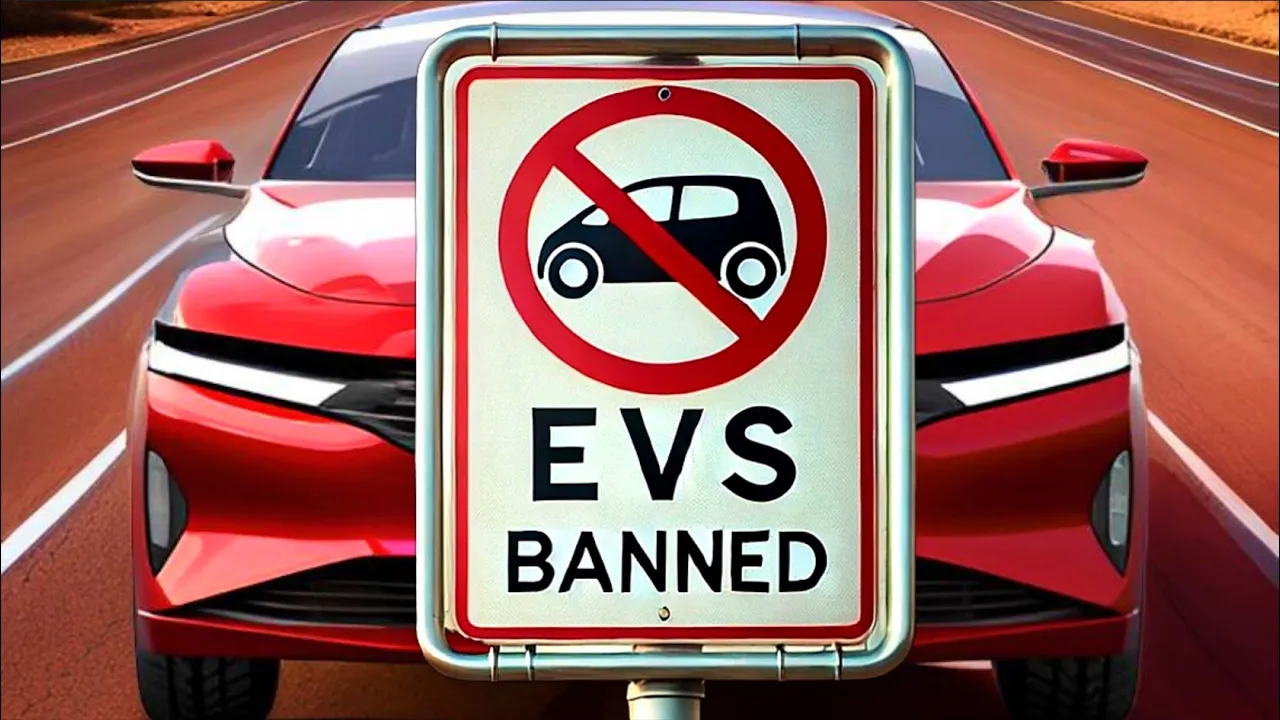
As electric vehicles (EVs) gain popularity as a more sustainable and eco-friendly option compared to combustion engine cars, a surprising phenomenon has emerged: more and more places worldwide are banning EVs. For many, this may seem contradictory since EVs are often promoted as a solution to environmental issues. So, why are these restrictions appearing?
One of the main reasons for these bans is safety concerns in certain areas, such as underground garages, enclosed parking lots, and even tunnels. Authorities have started questioning the safety of EVs. The lithium-ion battery technology that powers most EVs is still relatively new, and there is growing concern about the risk of fires in specific situations.
When these fires do occur, they are extremely difficult to control due to the volatile nature of the batteries, which can reignite several times after seemingly being put out. In confined spaces like underground parking lots, the risk is even higher, as an EV fire could endanger the structure and people nearby. Beyond fire concerns, there's also the issue of the weight of EVs, which is often significantly higher than traditional combustion engine cars due to the large-capacity batteries.
In older bridges and parking structures, authorities are beginning to assess whether these places can handle the added weight. Some infrastructures weren't designed to support such heavy vehicles, leading to restrictions on where EVs can enter to avoid potential structural risks. Another important factor is the impact of electric vehicles on local power grids.
In some smaller cities or remote areas, charging infrastructure is still limited, and the simultaneous use of fast chargers can overload the local electrical grid. This is especially problematic in areas where the power supply is already unstable. As a result, some local governments are restricting EV use to prevent power grid overloads that could affect energy access for residents.
There's also a paradoxical environmental concern related to the life cycle of EV batteries. Although cleaner in operation, EVs present significant environmental challenges, especially when the batteries need to be replaced or disposed of. The mining of lithium and other heavy metals required for battery manufacturing is harmful to the environment, causing habitat destruction and massive water consumption.
The lack of clear and efficient recycling policies has raised concerns among some local governments, which prefer to limit EV presence until a sustainable solution for battery disposal is found. Finally, in certain tourist or historical areas, there are restrictions to maintain the location's authenticity and atmosphere. Historic cities in Europe, for example, have opted to restrict EVs partly due to the nearly silent operation of these vehicles.
While this may seem like an advantage in terms of noise pollution, in some locations, total silence can be unsettling for pedestrians accustomed to the sound of combustion engines. What do you think? Drp your comments below, hit the like button if you enjoyed this, and don't forget to subscribe for more updates on the world of automobiles.
Thanks for watching, and I'll see you in the next video!